
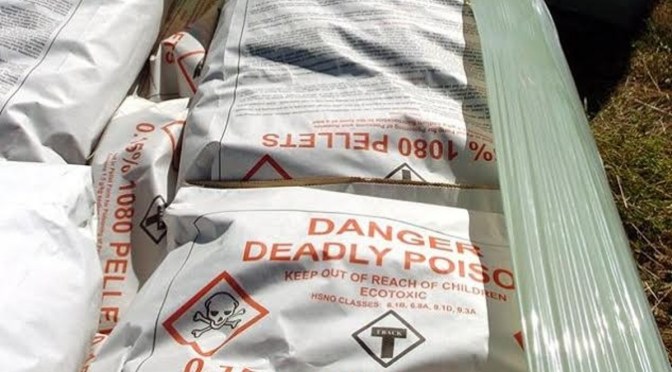
“In its recent OIA response, the Department of Conservation (DOC) insisted that brown skua — the large, aggressive seabirds occasionally seen around New Zealand’s coasts — are ecologically insulated from inland toxins such as 1080…
This claim is presented as categorical fact.
But it collapses instantly when confronted with the evidence from Macquarie Island, where brown skua were documented consuming terrestrial mammals and dying from secondary poisoning.“
A scientifically documented case of skua dying from secondary poisoning
In its recent OIA response, the Department of Conservation (DOC) insisted that brown skua — the large, aggressive seabirds occasionally seen around New Zealand’s coasts — are ecologically insulated from inland toxins such as 1080. DOC stated:
“They do not go further inland to hunt and would not encounter any species affected by predator control operations using 1080.”
This claim is presented as categorical fact.
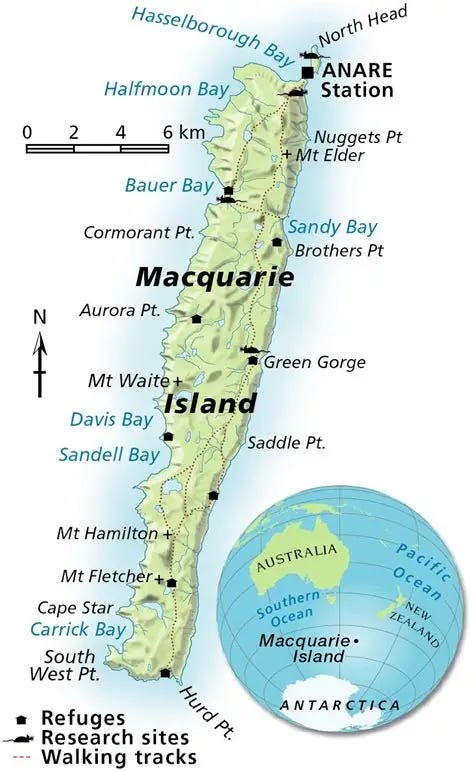
But it collapses instantly when confronted with the evidence from Macquarie Island, where brown skua were documented consuming terrestrial mammals and dying from secondary poisoning.
This is not hypothetical.
This is not “unlikely”.
This is not a fringe theory.
This is documented science, published in 2023.
What the 2023 Macquarie Island research actually found
The key source is the Macquarie Island eradication programme, analysed in the 2023 Travers thesis, which monitored skua diet and mortality during the removal of rabbits and rodents.
The findings were unambiguous:
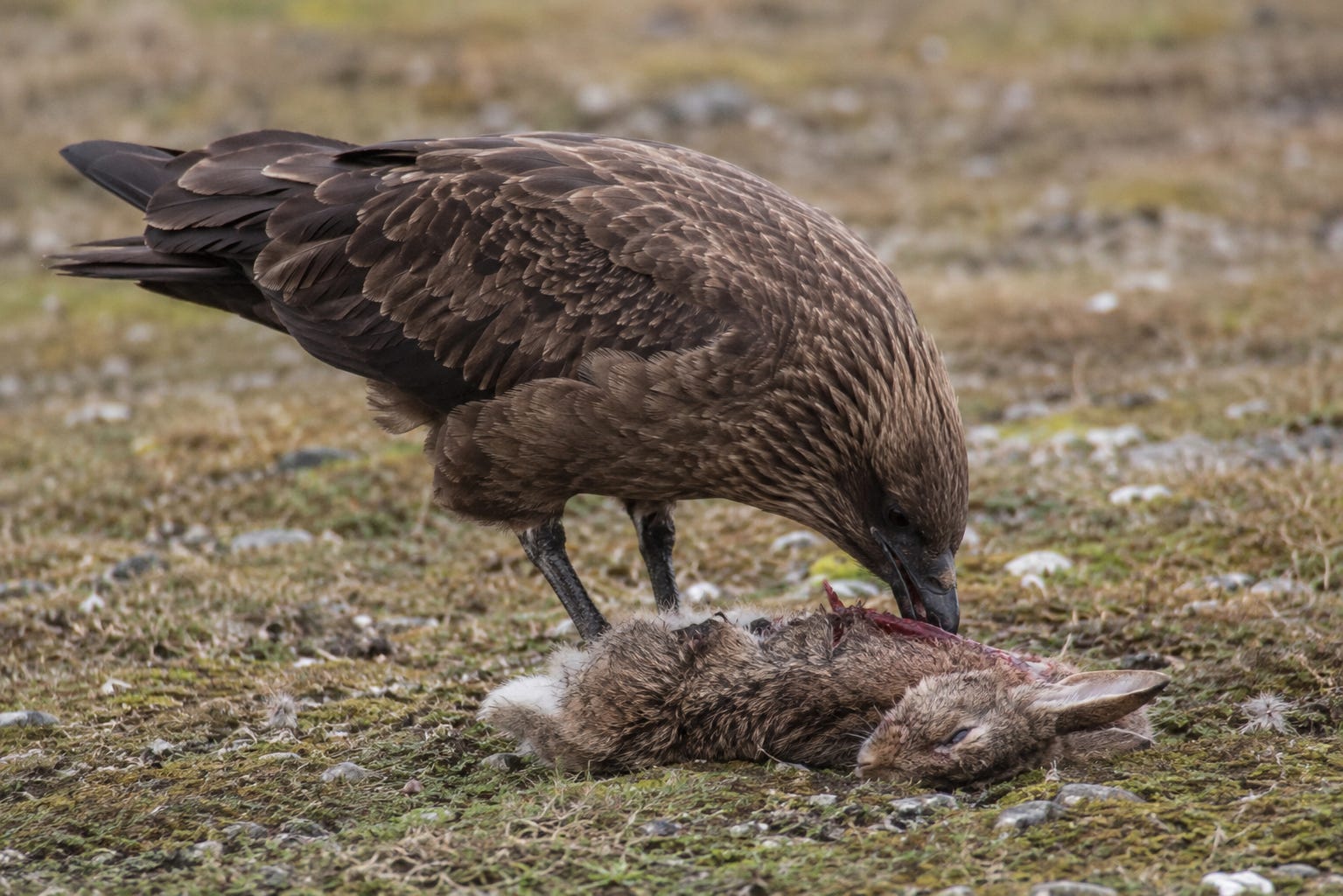
- Brown skua consumed rabbits.
- Brown skua consumed rodents.
- Brown skua scavenged terrestrial carcasses extensively.
- Brown skua died from secondary poisoning after feeding on poisoned rabbit carcasses.
The programme recorded multiple skua deaths attributable to secondary poisoning.
This matters because rabbits are one of the most common species to die in large numbers during New Zealand’s aerial 1080 operations — and their carcasses remain toxic for days to weeks.
In other words:
Brown skua have already been proven to die from eating poisoned land mammals.
This is the exact exposure pathway DOC claims “does not exist”.
Why this destroys DOC’s inland‑exposure denial
DOC’s OIA response insisted:
- skua do not travel inland
- skua do not encounter terrestrial prey
- skua do not feed on land mammals
- skua do not have exposure pathways to 1080
- skua deaths cannot be linked to inland toxin operations
But the 2023 Macquarie Island evidence shows:
- skua do travel inland when food is available
- skua do scavenge terrestrial carcasses
- skua do exploit opportunistic land‑based prey
- skua do die from secondary poisoning
- skua are vulnerable to toxin pathways involving mammals
DOC’s position is not scientifically defensible.
It is administratively convenient.
The Petone skua: a case that fits the known poisoning pattern
The Petone skua was:
- emaciated
- dehydrated
- debilitated
- scavenging
- displaced from normal habitat
- found within flight range of multiple 1080 operations
- never tested for toxins
These symptoms overlap strongly with sublethal toxin exposure, including:
- metabolic disruption
- neurological impairment
- starvation following toxin‑induced debilitation
- dehydration due to organ stress
MPI tested for H5N1.
MPI did not test for 1080.
DOC insists poisoning is “not relevant”.
But the 2023 Macquarie Island evidence shows:
Secondary poisoning is a known, documented, real pathway for brown skua.
The Petone skua fits the pattern.
DOC’s denial does not.
Why DOC’s narrative is collapsing
DOC’s ecological framing — “marine only”, “no inland movement”, “no terrestrial diet” — is contradicted by:
- the 2023 Macquarie Island skua deaths
- global skua opportunistic feeding behaviour
- drift‑assisted inland movement
- inland scavenging events documented in other seabird species
- DOC’s own admission that all 1080 operations fall within skua flight range
DOC’s certainty is not scientific.
It is political.
The public deserves the truth
New Zealanders were told:
- the skua was “detected with H5N1”
- there were “no concerns about toxicity”
- skua “would not encounter species affected by 1080”
But now we know:
- skua have died from secondary poisoning before
- skua do scavenge terrestrial mammals
- skua do exploit inland carcasses
- skua do travel far beyond their “preferred” marine zones
- DOC withheld part of the 1080 review under s9(2)(g)(ii) — a clause used when officials fear public backlash
The 2023 Macquarie Island evidence makes DOC’s denial untenable.
AI IMAGE OF A BROWN SKUA SCAVENGING A RABBIT AS DOCUMENTED AT MACQUARRIE ISLAND:
Nigel’s Substack is a reader-supported publication. To receive new posts and support my work, consider becoming a free or paid subscriber.
Discover more from Environmental Health Watch NZ
Subscribe to get the latest posts sent to your email.
