Really, this is what we already learned from our grandmothers who lived by ‘waste not want not’. I always smile when I see these ‘revolutionary’ ideas that are really recycled ideas our forbears practiced centuries ago. Recycled now as ‘sustainable’ which also happens to be the globalists’ catch word… a good reminder nevertheless, all that aside … to waste not and want not. Especially right now that the said globalists are paying farmers to plow under their crops. EWR
From foodrevolutionnetwork.org
Summary
There’s a new environmental trend in the food industry, with a funny name: upcycling. Basically, it means taking ingredients that would otherwise have been thrown out, and turning them into or using them in new food products. But are upcycled foods safe? Are they healthy? Can you actually make good food out of those scraps and byproducts? And can it really help save the planet?
Have you ever made bread crumbs out of stale bread, and used them for stuffing? If so, congratulations: You’re an upcycler! Ditto if you’ve turned overripe bananas into banana bread, or vegetable scraps into soup stock.
Your stuffing, banana bread, and soup may have been delicious, but did you also pat yourself on the back for being environmentally conscious and helping fight climate change? By keeping those items in your food supply, you didn’t have to buy more, and you kept them out of landfills.
While many environmental organizations focus on transportation and energy consumption as the main contributors to climate change, the US food system is actually one of the most significant drivers of greenhouse gas emissions. So anything you can do to reduce the carbon footprint of your diet (like eating less or no meat) is a win for the planet.
Upcycling can be simple if you’re doing it in your own kitchen, but it’s also happening at scale, in more and more industrial food settings. Many companies are releasing upcycled food products carrying environmental claims to address growing consumer concerns about planetary health. But upcycling is a fairly new term when applied to food, first gaining popularity in 2021, in the wake of increased concern for the planet that accompanied the COVID-19 pandemic.
So if you see an upcycled certification on a food item, does that mean you should buy it? Is upcycled food good for you or the planet, or just corporate greenwashing? And what are some ways to increase upcycling within your own home economics?
What Does Upcycled Food Mean?
Let’s start by defining the term. Upcycling basically means finding new, higher-value uses for items that would otherwise go to waste. It is distinct from recycling, which is when something is broken down into base materials and then turned into new products (like aluminum cans that are melted and go on to become new aluminum cans, or plastic bottles that become fleece fabric).
Examples of ingredients that can be upcycled include sub-grade produce (i.e., bruised apples, carrots that look like horror movie monsters, and misshapen tomatoes); scraps from food preparation (like onion skins and potato peels); and byproducts from food processing.
The first two categories are pretty straightforward. A tomato that’s too ugly to sell in a grocery store can still taste delicious in a sauce or on a frozen pizza. The Ugly Company turns misshapen fruit into “Hello, I’m Ugly” dried fruit snacks. And discarded scraps can be used as-is in formulations for soup and sauces. But what about byproducts? What do they consist of?
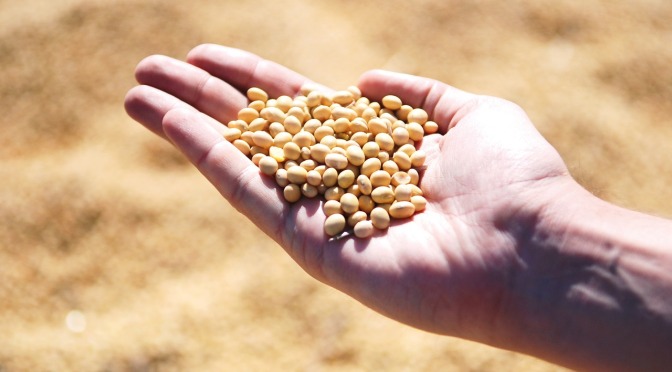
Think of food products that contain ingredients that come from plants — but aren’t the whole plant. For example, fruit juice comes from fruit but leaves behind fiber. Tofu is made from soybeans but consists of just curds. If you’ve ever made tofu at home, you’ve had to deal with (toss or repurpose) the remaining fiber-rich pulp, also known as okara.
So what happens to the parts of those raw ingredients that don’t make it into the product that ends up on the supermarket shelf? At worst, they become garbage in a landfill. At best, until recently, maybe they became compost for farms, ingredients for industrial processes, or feed for livestock.
But these remnants of food production can also live again as ingredients in upcycled foods. The pulp that remains when juice is pressed can add fiber to other foods. The okara left over from making tofu can be turned into veggie patties and other types of faux meat. Upcycling these byproducts can be a way to reduce food waste and help fight climate change by keeping food out of landfills.
Media. It surrounds us. We live our lives in it and through it. We structure our lives around it. But it wasn’t always this way. So how did we get here? And where is the media technology that increasingly governs our lives taking us? This is the story of The Media Matrix.
Two of the most harmful ingredients in processed foods are high fructose corn syrup and soybean oil, whether partially hydrogenated, organic, or made from newer soybean varieties modified in such a way as to not require hydrogenation
Completely unnatural man-made fats created through the partial hydrogenation process cause dysfunction and chaos in your body on a cellular level, and studies have linked trans-fats to health problems ranging from obesity and diabetes to reproductive problems and heart disease
Besides the health hazards related to the trans fats created by the partial hydrogenation process, soybean oil is, in and of itself, NOT a healthy oil
Add to that the fact that the majority of soybeans grown in the U.S. are genetically engineered, and as a result saturated with dangerous levels of the herbicide glyphosate, which may have additional health consequences as there are no long term safety studies
When taken together, partially hydrogenated GE soybean oil becomes one of the absolute worst types of oils you can consume
The genetically engineered (GE) variety planted on over 90% of U.S. soy acres is Roundup Ready engineered to survive being doused with otherwise lethal amounts of Monsanto’s Roundup herbicide (glyphosate). GE soybeans have been found to contain residue levels as high as 17 mg/kg, and malformations in frog and chicken embryos have occurred at just over 2 mg/kg
Processed food is perhaps the most damaging aspect of most people’s diets, contributing to poor health and chronic disease. One of the primary culprits is high fructose corn syrup (HFCS), the dangers of which I touch on in virtually every article I write on diets. The second culprit is partially hydrogenated soybean oil.
These two ingredients, either alone or in combination, can be found in virtually all processed foods, and one can make a compelling argument that the reliance on these two foods is a primary contributing factor for most of the degenerative diseases attacking Americans today.
Part of the problem with partially hydrogenated soybean oil is the trans fat it contains. The other part relates to the health hazards of soy itself. An added hazard factor is the fact that the majority of both corn and soybeans are genetically engineered.
As the negative health effects from trans fats have been identified and recognized, the agricultural and food industry have scrambled to come up with new alternatives. Partially hydrogenated soybean oil has been identified as the main culprit, and for good reason.
Unfortunately, saturated fats are still mistakenly considered unhealthy by many health “experts,” so, rather than embracing truly healthful tropical fats like coconut oil, which is mostly grown outside the U.S., the food industry has instead turned to domestic U.S. alternatives offered by companies like Monsanto, now Bayer (which bought out Monsanto in 2018), which has developed modified soybeans that don’t require hydrogenation.
Why Hydrogenate?
Americans consume more than 16 million metric tons of edible oils annually, and soybean oil accounts for about 11,339 metric tons of it.1 Until Monsanto genetically engineered its seeds to produce plants lower in linolenic acid, about half of it was hydrogenated, as regular soybean oil is too unstable otherwise to be used in food manufacturing.
One of the primary reasons for hydrogenating oil is to prolong its shelf life. Raw butter, for example, is likely to go rancid far quicker than margarine. The process also makes the oil more stable and raises its melting point, which allows it to be used in various types of food processing that uses high temperatures.
Hydrogenated oil2 is made by forcing hydrogen gas into the oil at high pressure. Virtually any oil can be hydrogenated. Margarine is a good example, in which nearly half of the fat content is trans fat.
The process that creates partially hydrogenated oil alters the chemical composition of essential fatty acids, such as reducing or removing linolenic acid, a highly reactive triunsaturated fatty acid, transforming it into the far less reactive linoleic acid, thereby greatly preventing oxidative rancidity when used in cooking.
In the late 1990s, researchers began realizing this chemical alteration might actually have adverse health effects. Since then, scientists have verified this to the point of no dispute.
Be aware that there’s a difference between “fully hydrogenated” and “partially hydrogenated” oils. Whereas partially hydrogenated oil contains trans fat, fully hydrogenated oil does not, as taking the hydrogenation process “all the way” continues the molecular transformation of the fatty acids from trans fat into saturated fatty acids.
Fully hydrogenated soybean oil is still not a healthy choice, however, for reasons I’ll explain below. The following slide presentation explains the technical aspects relating to the hydrogenation process.
The Health Hazards of Trans Fats
The completely unnatural man-made fats created through the partial hydrogenation process cause dysfunction and chaos in your body on a cellular level, and studies have linked trans-fats to:
Cancer, by interfering with enzymes your body uses to fight cancer
Chronic health problems such as obesity, asthma, auto-immune disease, cancer and bone degeneration
Diabetes, by interfering with the insulin receptors in your cell membranes
Heart disease, by clogging your arteries (Among women with underlying coronary heart disease, eating trans-fats increased the risk of sudden cardiac arrest three-fold!)
Decreased immune function, by reducing your immune response
Increased blood levels of low density lipoprotein (LDL), or “bad” cholesterol, while lowering levels of high density lipoprotein (HDL), or “good” cholesterol
Reproductive problems by interfering with enzymes needed to produce sex hormones
Interfering with your body’s use of beneficial omega-3 fats
As usual, it took many years before conventional health recommendations caught up and began warning about the use of trans fats. Not surprisingly, as soon as the FDA notified them that it planned to require food manufacturers to list trans fat content on the label — which ultimately took effect January 1, 2006 — the industry began searching for viable alternatives to appeal to consumers who increasingly began looking for the “no trans fat” designation.
It didn’t take long before Monsanto had tinkered forth a genetically engineered soybean that is low in linolenic acid, which we’ll get to in a moment.
Be aware that some food manufacturers have opted to simply fool buyers — a tactic allowed by the FDA, as any product containing up to half a gram of trans fat per serving can still legally claim to have zero trans fat.3 The trick is to reduce the serving size to bring it below this threshold. At times, this will result in unreasonably tiny serving sizes, so any time you check a label and a serving is something like 10 chips or one cookie, it probably contains trans fats.
The Health Hazards of Soybeans
Besides the health hazards related to the trans fats created by the partial hydrogenation process, soybean oil is, in and of itself, NOT a healthy oil. Add to that the fact that the majority of soy grown in the U.S. is genetically engineered, which may have additional health consequences. When taken together, partially hydrogenated GE soybean oil becomes one of the absolute worst types of oils you can consume.
Years ago, tropical oils, such as palm and coconut oil, were commonly used in American food production. However, these are obviously not grown in the U.S., as with the exception of Hawaii, our climate isn’t tropical enough. Spurred by financial incentives, the industry devised a plan to shift the market from tropical oils to something more “home grown.”
As a result, a movement was created to demonize and vilify tropical oils in order to replace them with domestically grown oils such as corn and soy.
The fat in soybean oil is primarily omega-6 fat. And while we do need some omega-6, it is rare for anyone to be deficient in it, as it is pervasive in our diet. Americans in general consume FAR too much omega-6 in relation to omega-3 fat, primarily due to the excessive amount of omega-6 found in processed foods.
Omega-6 fats are in nearly every animal food and many plants, so deficiencies are very rare. This omega-6 fat is also highly processed and therefore damaged, which compounds the problem of getting so much of it in your diet. The omega-6 found in soybean oil promotes chronic inflammation in your body, which is an underlying issue for virtually all chronic diseases.
What About Organic Soybean Oil?
Even if you were fortunate enough to find organic soybean oil, there are still several significant concerns that make it far from attractive from a health standpoint. Soy in and of itself, organically grown or not, contains a number of problematic components that can wreak havoc with your health, such as:
• Goitrogens — Goitrogens, found in all unfermented soy whether it’s organic or not, are substances that block the synthesis of thyroid hormones and interfere with iodine metabolism, thereby interfering with your thyroid function.
• Isoflavones: genistein and daidzein — Isoflavones are a type of phytoestrogen, which is a plant compound resembling human estrogen, which is why some recommend using soy therapeutically to treat symptoms of menopause. I believe the evidence is highly controversial and doubt it works.
Typically, most of us are exposed to too many estrogen compounds and have a lower testosterone level than ideal, so it really is important to limit exposure to feminizing phytoestrogens. Even more importantly, there’s evidence it may disturb endocrine function, cause infertility and promote breast cancer, which is definitely a significant concern.
• Phytic acid — Phytates (phytic acid) bind to metal ions, preventing the absorption of certain minerals, including calcium, magnesium, iron, and zinc — all of which are co-factors for optimal biochemistry in your body. This is particularly problematic for vegetarians, because eating meat reduces the mineral-blocking effects of these phytates.
Sometimes it can be beneficial, especially in postmenopausal women and in most adult men because we tend to have levels of iron that are too high, which can be a very potent oxidant and cause biological stress. However, phytic acid does not necessarily selectively inhibit just iron absorption; it inhibits all minerals. This is very important to remember, as many already suffer from mineral deficiencies from inadequate diets.
The soybean has one of the highest phytate levels of any grain or legume, and the phytates in soy are highly resistant to normal phytate-reducing techniques such as long, slow cooking. Only a long period of fermentation will significantly reduce the phytate content of soybeans.
• Natural toxins known as “anti-nutrients” — Soy also contains other anti-nutritional factors such as saponins, soyatoxin, protease inhibitors, and oxalates. Some of these factors interfere with the enzymes you need to digest protein. While a small amount of anti-nutrients would not likely cause a problem, the amount of soy that many Americans are now eating is extremely high.
• Hemagglutinin — Hemagglutinin is a clot-promoting substance that causes your red blood cells to clump together. These clumped cells are unable to properly absorb and distribute oxygen to your tissues.
Worst of All — Genetically Engineered Soybean Oil
The genetically engineered (GE) variety planted on over 90% of US soy acres is Roundup Ready — engineered to survive being doused with otherwise lethal amounts of Monsanto’s Roundup herbicide. The logic behind Roundup Ready crops such as soy is that you can decrease the cost of production by killing off everything except the actual soy plant.
However, animal studies reveal there may be significant adverse health effects from these GE soybeans, including progressively increased rates of infertility with each passing generation. By the third generation, virtually all the hamsters in one feeding study were found to be infertile. Second-generation hamsters raised on GE soy also had a fivefold higher infant mortality rate.
Are Low-Linolenic Soybeans the Answer?
We now also have other Monsanto-made soy crops to contend with. Responding to the growing demand for healthier diets, Monsanto launched Vistive low-linolenic soybeans in 2005. Most soybeans contain roughly 7% linolenic acid. The new varieties contain 1% to 3%, which reduces the need for hydrogenation.4 As explained by Monsanto:5
“Farmers are not the only beneficiaries of Monsanto’s efforts … Consumers will also benefit from the healthier crops that could result, such as soybeans that are low in linolenic acid. Linolenic acid, a precursor to trans fats, may contribute to cardiovascular disease … Low-linolenic soybeans reduce the need for hydrogenation in food processing, helping to reduce the amount of trans fats in processed foods.”
Yet another soybean variety created by Monsanto is the high stearate soybean, which also has the properties of margarine and shortening without hydrogenation. But are these soybeans any better or safer than either conventional soybeans or Roundup Ready soybeans, even though they don’t have to go through partial hydrogenation, and therefore do not contain trans fat? No one knows.
Another Hazard of GE Soybeans: Glyphosate
I keep stacking health risks upon health risks, and here’s another one: Research has shown that soybean oil from Roundup Ready soy is loaded with glyphosate, the main ingredient in Roundup — the broad-spectrum herbicide created by Monsanto.
According to a report in the journal Chemical Research in Toxicology, the highest MRL for glyphosate in food and feed products in the EU is 20 mg/kg. GE soybeans have been found to contain residue levels as high as 17 mg/kg, and malformations in frog and chicken embryos occurred at 2.03 mg/kg.6 That’s 10 times lower than the MRL.
This is an alarming finding because glyphosate is easily one of the world’s most overlooked poisons. Research published in 2010 showed that the chemical, which works by inhibiting an enzyme called EPSP synthase that is necessary for plants to grow, causes birth defects in frogs and chicken embryos at far lower levels than used in agricultural and garden applications.7 The malformations primarily affected the:
Skull
Face
Midline and developing brain
Spinal cord
When applied to crops, glyphosate becomes systemic throughout the plant, so it cannot be washed off. And, once you eat this crop, the glyphosate ends up in your gut where it can decimate your beneficial bacteria. This can wreak havoc with your health, as 80% of your immune system resides in your gut (GALT, or Gut Associated Lymph Tissue) and is dependent on a healthy ratio of good and bad bacteria. Separate research has also uncovered the following effects from glyphosate:
Endocrine disruption
DNA damage
Developmental toxicity
Neurotoxicity
Reproductive toxicity
Cancer
To Avoid Harmful Fats, Ditch Processed Foods
If you want to avoid dangerous fats of all kinds, your best bet is to eliminate processed foods from your diet. From there, use these tips to make sure you’re eating the right fats for your health:
Use organic butter (preferably made from raw milk) instead of margarines and vegetable oil spreads. Butter is a healthy whole food that has received an unwarranted bad rap.
Use coconut oil for cooking. It is far superior to any other cooking oil and is loaded with health benefits.
Be sure to eat raw fats, such as those from avocados, raw dairy products, olive oil, olives, organic pastured eggs and raw nuts, especially macadamia nuts which are relatively low in protein. Also take a high-quality source of animal-based omega-3 fat, such as krill oil.
Following my comprehensive nutrition plan will automatically reduce your trans-fat intake, as it will give you a guide to focus on healthy whole foods instead of processed junk food.
Remember, virtually all processed foods will contain either HFCS (probably made from genetically engineered corn) and/or soybean oil — either in the form of partially hydrogenated soybean oil, which is likely made from GE soybeans, loaded with glyphosate, or from one of the newer soybean varieties that were created such that the y do not need to be hydrogenated. They’re ALL bad news, if you value your health.
( See at end of article for New Year Sale Details…)
Wishing you a Happy New Year Gardening.
Now the weather has settled a bit and temperatures are better (But still a bit chilly at times) Insect pests will multiply rapidly unless you instigate early controls.
If you look at when you are successful in eliminating one adult female insect, that will prevent somewhere between 100 to 300 more of the same pests to invest your plants.
For instance using the yellow sticky white fly traps; hang one near your tomato plants and within a few days the number of whitefly and other flying pest insects caught on the trap’s sticky surface will be dozens.
The sticky traps are worth their weight in gold for pest control.
Plants such as tomatoes, cucumbers, pumpkins, egg plants, capsicum and courgettes will likely have under the older leaves a lot of young pests.
Inspect the oldest leaves looking over and under and if there are a good number of pests remove the leaves from the plant and place in a plastic bag and seal.
This will greatly reduce the pest problem.
There will likely be pests on the upper/newer leaves but a spray of Wallys Super Neem Tree Oil with Wallys Super Pyrethrum will take care of these.
These combined sprays should only be applied only just before dusk for two reasons, Neem Oil in sunlight or with UV on a cloudy day can burn foliage.
Pyrethrum is quickly deactivated by UV/Sunlight and when expose to than will be ineffective within a couple of hours.
Pyrethrum sprayed just before dark will be active all night affecting any pests that come in contact with it. Pyrethrum is a quick knock down affecting the insects nervous system and thus killing it.
Neem Oil on the other hand will last for up to 7 days, slowly decreasing the effectiveness due to sunlight.
Its action is anti-feedent and once a pest insect consumes some Neem it stops eating for ever.
Adding Raingard to the above sprays will prolong the effective life of them and prevent the sprays been diluted by rain or watering.
For control of guava moth and codlin moth the most effective way is to spray the fruit with Wallys Super Neem Tree Oil with Raingard added.
This puts a layer of Neem Oil over the fruit so that when one of the moth’s grubs tries to eat their way into the fruit they are stopped at the first bite. Repeat spraying the fruit with Neem oil and Raingard added every 14 days till harvest.
Leaf hoppers, aphids, caterpillars and mealy bugs are simply controlled with the spray above applied late in the day.
One of the problems is re-infestation from other plants nearby or from over the fence.
Unless the other plants nearby are also sprayed you will never win.
Spider Mites are best controlled by sprays of sulphur or as we used to do in days gone by, Sulphur powder dusted over the plants that have mites.
At this time of the year you may have the cherry slug or pear slug eating holes in the leaves of those trees. If so spray the foliage with Wallys Liquid Copper with Raingard added. The pests cant handle copper and drop off and die.
Mealy bugs live in the root system of plants and the adults are found in the canopy. Spraying the canopy will take them out but not affect the ones in the root system.
Apply Wallys Neem Tree Powder to the top of the mix in containers that are affected and Wallys Neem Tree Granules to the soil in the root zone of plants affected.
Pest problems on citrus trees are very easily fixed by sprinkling Wallys Neem Tree Granules from the trunk to the drip line. Lightly water to get them started and normally within 6 to 8 weeks the citrus tree will be free of pests.
The smell of Neem granules/power is also a great deterrent as the Neem smell camouflages the natural smell of the plant and pests looking for their host plant by smell cannot find them and fly on by.
In glasshouses Wallys Neem Granules on the soil or on top of the mix in containers will reduce insects pests from been lured in from the smell of their host plants.
Little pouches made out of curtain netting and loaded with Neem Granules before hanging in fruit trees that are subjected to codlin and guava moth attack. Used in conjunction with the Neem Oil sprays on the fruit should mean you have plenty of unaffected fruit for your use.
Cats can be a pest in gardens as they use them for their toilets and Wallys Cat Repellent is the most effective way to prevent them fouling gardens or other areas.
Crop cover also called Bug Mesh is the best control of keeping white butterflies off your cabbages and brassicas. Hoops made out of rigid alkathene pipe with crop cover over them.
Weeds are another garden pest and a safe to use spray is Wallys Super Compost Accelerator which you can use to compost weeds where they are growing.
A few years ago a chap from UK phoned me and asked about getting ammonium sulphamate in NZ.
I had not heard of it and asked whats it for.
He told me in England you purchased it, dissolved it in water and sprayed it onto weeds to compost them where they are growing. The weeds think its nitrogen and readily take it in where it completely composts the living weeds and then coverts to nitrogen so no harm on soil life or yourself.
The most effective rate is 200 grams per litre of water sprayed on a sunny day when the soil is on the dry side. Given ideal conditions the weeds are composted very quickly in some cases with an hour.
Available as Wallys Super Compost Accelerator in 600 gram jar (makes 3 litres of full strength spray) or in 2kg jar named Ammonium sulphamate making 10 litres full strength spray.
If used at say 100 grams per litre of water the composting takes longer but on most weeds still very effective. A good choice to use instead of possible cancer causing chemicals.
One of the interesting aspects of the composting is if watered over oxalis foliage and into the soil where the bulb is, it will compost the bulb and bulblets in the soil. Repeat when new oxalis foliage appears till the area is free of the pest weed.
When used at rates of say 60 to 80 grams per litre of water it does not affect some strains of grass but can compost some broad leaf weeds in lawns. Experiment as to what rate it composts weeds but not affect you lawn grasses.
Unlike herbicide lawn weed killers that you cant compost the lawn clipping because of the reside in the cut grass that would effect herbicide sensitive plants (roses, Tomatoes, Beans) there is no problem with ammonium sulphamate composting the clippings which will only speed up the composting.
Wishing you a pest free New Year.
To help to make it so we are offering you a special discount of 20% off the following pest control items:
All Neem Products (Neem Oil, Neem Granules and Powder all sizes) 20% off
Wallys Super Pyrethrum 20% off
Wallys White Fly sticky Traps 20% off
Wallys Super Compost Accelerator 600 grams 20% off
Wallys Ammonium Sulphamate 2kilos 20% off
Wallys Cat Repellent 200 grams 20% off
All the rest of our products except bulk ones 10% off
Place orders on our mail order web site at www.0800466464.co.nz and place in comments ‘PEST SALE’ so I know to do the discounts when I will phone you.
I will apply discounts and Shipping (if any) before I phone you with the total.
Then we either do Credit/Debit card over phone or I will email you bank transfer details.
If in North Island and order comes to $100 after discounts then free shipping.
In South Island $150.00 after discounts for free shipping.
The total does not include bulk items such as 12kilo BioPhos, 13kg Ocean solids and 10 kg Unlocking soil (Freight is always charged on bulk products)
The above offer is valid till 31st January…
The first 25 orders into the web site will receive a free autographed copy of Wallys Glasshouse Gardening for New Zealand. Make your summer free of pests and order soon.
Regards and Happy New Year
Wally Richards
Problems ring me at 0800 466464 Email wallyjr@gardenews.co.nz Web site www.gardenews.co.nz
New Zealand Bill of Rights Act 1990. Part II of the Act covers a broad range of Civil and Political Rights. As part of the right to life and the security of the person, the Act guarantees everyone:
1The right not to be deprived of life except in accordance with fundamental justice (Section 8)
2The right not to be subjected to torture or to cruel, degrading, or disproportionately severe treatment or punishment (Section 9)
3The right not to be subjected to medical or scientific experimentation without consent (Section 10)
4The right to refuse to undergo any medical treatment (Section 11)
Furthermore, the New Zealand Bill of Rights Act 1990 guarantees everyone: Freedom of Thought, Conscience, and Religion. This includes the right to freedom of thought, conscience, religion, and belief, INCLUDING THE RIGHT TO ADOPT AND HOLD OPINIONS WITHOUT INTERFERENCE (Section 1)
Potatoes contain vitamins, minerals, starch ….. eating potatoes fight cancer, increase glucose loading capacity, reduce plasma cholesterol and triglyceride levels… Porous and dry soil helps potatoes grow well. Using old plastic paint buckets to grow potatoes is a great idea, it’s easy to make and saves money. You use 2 old plastic paint buckets, 1 of which you cut holes around 4 sides to later harvest potatoes, then punch holes for drainage. Next, you stack the old paint bucket that has been cut on the remaining one. It is better to plant the potatoes in the sand so that they germinate and then plant them in an old paint bucket After 3-4 months you can already harvest the first batch of potatoes and have a delicious and nutritious meal from the potatoes. Follow us: Facebook: https://www.facebook.com/5T1TV Twitter: https://twitter.com/namtrinhhau Pinterest: https://www.pinterest.com/ideas2034/ Instagram: https://www.instagram.com/john_ideas_…
Brown University researchers conducted a study to determine which micronutrients are best for your heart
They unveiled an up-to-date evidence-based map that quantifies the impact of micronutrients on cardiovascular outcomes
Out of 27 micronutrients, three — omega-3 fats, folate and coenzyme Q10 (CoQ10) — came out on top
Omega-3 fats decreased mortality from cardiovascular disease, while also reducing heart attacks and coronary heart disease events
Folic acid, the synthetic version of folate, or vitamin B9, reduced stroke risk, while CoQ10 decreased all-cause mortality events
Most, but not all, of the micronutrients studied showed “moderate- to high-quality evidence” of reducing risk factors for cardiovascular disease
Heart disease is the No. 1 cause of death in the U.S., killing one person every 34 seconds.1 Your diet plays a prominent role in your heart health, but the role of individual micronutrients continues to be debated. Brown University researchers conducted a study to determine which micronutrients are best for your heart.2
They unveiled an up-to-date evidence-based map that quantifies the impact of micronutrients on cardiovascular outcomes. Out of 27 micronutrients, three — omega-3 fats, folate and coenzyme Q10 (CoQ10) — came out on top.
Micronutrients Benefit Cardiometabolic Health
Micronutrients are vitamins and minerals that your body needs to function optimally. Deficiencies in micronutrients can lead to a range of acute and chronic conditions. In terms of heart health, Brown University researchers conducted a systematic review and meta-analysis involving 884 trials. The study, published in the Journal of the American College of Cardiology, evaluated 27 types of micronutrients used by 883,627 participants.3
“For the first time, we developed a comprehensive, evidence-based integrative map to characterize and quantify micronutrient supplements’ potential effects on cardiometabolic outcomes,” study author Dr. Simin Liu, professor of epidemiology and medicine at Brown University, said in a news release. “Our study highlights the importance of micronutrient diversity and the balance of health benefits and risks.”4
Most, but not all, of the micronutrients showed “moderate- to high-quality evidence” of reducing risk factors for cardiovascular disease. Those that were beneficial included:5
Folic acid (folate)
Vitamin D
Magnesium
Zinc
Alpha-lipoic acid
Coenzyme Q10
Melatonin
Catechin
Curcumin
Flavanol
Genistein
Quercetin
The study was unique in that it took a comprehensive look at micronutrient supplementation, including phytochemicals and antioxidants. Liu explained:6
“Research on micronutrient supplementation has mainly focused on the health effects of a single or a few vitamins and minerals. We decided to take a comprehensive and systematic approach to evaluate all the publicly available and accessible studies reporting all micronutrients, including phytochemicals and antioxidant supplements and their effects on cardiovascular risk factors as well as multiple cardiovascular diseases.”
3 Micronutrients to Support Heart Health
While beta carotene supplementation increased all-cause mortality, omega-3 fats, folate and CoQ10 were highly protective. Here are more details about how these important micronutrients affect your heart health.
1. Omega-3s — The study found omega-3 fats decreased mortality from cardiovascular disease, while also reducing heart attacks and coronary heart disease events.7 This mirrors previous studies, which have also found beneficial effects of omega-3s on heart health. Omega-3 fats derived from krill oil, for instance, have been found to reduce triglyceride levels and help reduce cardiovascular risk.8
Further, people with Type 2 diabetes who used omega-3 supplements had a lower incidence of hospitalization with heart failure — a form of heart disease in which the heart experiences ventricular dysfunction — in another study.9
An omega-3 index test is one of the most important annual health screens that everyone needs, and it’s a more important predictor of your heart disease risk than your cholesterol levels. Even research supported by the National Institutes of Health suggests an omega-3 test is a good predictor of overall health and all-cause mortality.10,11
That study measured the omega-3 index in 2,500 participants and found those with the highest omega-3 index had lower risks of heart problems and lower total mortality. The omega-3 index measures of the amount of eicosapentaenoic acid (EPA) and docosahexaenoic acid (DHA) in the membranes of your red blood cells (RBC). Your index is expressed as a percent of your total RBC fatty acids.
The omega-3 index has been validated as a stable, long-term marker of your omega-3 status, and it reflects your tissue levels of EPA and DHA. An omega-3 index over 8% is associated with the lowest risk of death from heart disease, while an index below 4% places you at the highest risk of heart disease-related mortality.
The ideal sources for EPA and DHA include cold-water fatty fish, like wild-caught Alaskan salmon, sardines, herring and anchovies. If you do not eat these fish on a regular basis, consider taking a krill oil supplement.
In addition, be aware that your omega-6 to omega-3 ratio should be about 1-to-1 or possibly up to 4-to-1, but most Americans consume far too many omega-6 fats and not enough omega-3. For optimal heart health, in addition to increasing your omega-3, it’s important to cut down on industrially processed seeds oils, often referred to as “vegetable oils,” found in most processed foods.
2. Folate — The Journal of the American College of Cardiology study revealed that folic acid reduced stroke risk.12 Folic acid is the synthetic version of folate, or vitamin B9, and it’s the most important dietary determinant of homocysteine. Elevated levels of homocysteine (Hcy) are a risk factor for coronary artery disease and are found in most patients with vascular disease.13 According to a literature review published in Advances in Therapy:14
“Several mechanisms have been proposed for Hcy’s pathogenesis related to vascular disease. Hcy can cause endothelial injury, dysfunction of DNA, proliferation of smooth muscle cells, oxidative stress, decreased function of glutathione peroxidase, impaired nitric oxide synthase, and inflammation.”
Evidence suggests that daily folic acid supplementation lowers homocysteine levels. “In fact, it has been shown that folic acid supplementation of 0.5 to 5.0 mg can lower Hcy levels by 25% and, thus, may decrease the risk of cardiovascular disease … Given that folic acid is cheap and effective, this should be a viable option for patients with high-risk for cardiovascular adverse events,” the researchers explained.15
In an animal study, folic acid was also found to prevent age-related structure changes and dysfunction of the heart that may lead to heart failure.16 It reduced cellular senescence, a hallmark of aging. The best way to increase your levels of this important micronutrient is to eat foods rich in natural folate, such as asparagus, avocados, Brussels sprouts, broccoli and spinach.
3. CoQ10 — CoQ10 decreased all-cause mortality events, according to the Journal of the American College of Cardiology study.17 Ubiquinol — the reduced, electron-rich form of CoQ10 that your body produces naturally — plays an important role in the electron transport chain of your mitochondria, where it facilitates the conversion of energy substrates and oxygen into the biological energy (adenosine triphosphate, or ATP) needed by your cells for life, repair and regeneration.
It’s a fat-soluble antioxidant, meaning it works in the fat portions of your body, such as your cell membranes, where it mops up potentially harmful byproducts of metabolism known as reactive oxygen species (ROS). As such, ubiquinol and CoQ10 supplements help protect your mitochondrial membranes from oxidative damage.
Many conditions, including heart disease, appear to be rooted in mitochondrial dysfunction.18 CoQ10 is used by every cell in your body, but especially your heart cells. Cardiac muscle cells have about 5,000 mitochondria per cell.19 For further comparison, mitochondria make up about 35% of the volume of cardiac tissue and only 3% to 8% of the volume of skeletal muscle tissue.20
In other research, CoQ10 has been found to help improve atrial fibrillation (AFib).21 AFib is an abnormal, often rapid, heart rhythm that occurs when the atria, your heart’s upper chambers, beat out of sync with the ventricles, the heart’s lower chambers. It’s a common symptom in those with heart failure or heart disease. In addition, CoQ10 influences several other aspects of heart health, including:
High blood pressure — CoQ10 acts directly on your endothelium, dilating your blood vessels and lowering blood pressure.22,23 CoQ10 also decreases aldosterone, a hormone that makes you retain salt and water.24,25 When aldosterone goes down, excess salt and water are excreted through your kidneys, often causing your blood pressure to go down.
Systemic inflammation — Supplementing with 60 milligrams (mg) to 500 mg of CoQ10 for eight to 12 weeks can significantly reduce tumor necrosis factor alpha (TNF-α), IL-6 and C-reactive protein (CRP);26,27 three measures of widespread inflammation.
Stroke — Systemic inflammation, oxidative stress and nerve cell damage play a role in the development of stroke. Research suggests supplementing with CoQ10 can reduce ischemic lesions and improve outcomes in patients who have been treated with a statin drug after having a stroke (statins reduce CoQ10 levels in your body).28
Your body can naturally make CoQ10, but genetic alterations in metabolism, poor diet, oxidative stress, chronic conditions and aging can all interfere with CoQ10 production and lead to CoQ10 deficiency. Statin drugs can also deplete CoQ10.
Ubiquinol production ramps up from early childhood until your mid- to late 20s. By the time you hit 30, it begins to decline.29 Young people are able to use CoQ10 supplements quite well, but older people do better with ubiquinol, as it’s more readily absorbed.
A Personalized Approach Is Best
There’s no one-size-fits-all approach when it comes to supporting your heart health. Indeed, the featured study researchers noted that “an optimal nutritional strategy to promote cardiometabolic health will likely involve personalized combinations of these nutrients.”30
However, healthy diet, exercise, stress reduction and heart-based connections — i.e., strong and positive relationships — are key to heart and overall health. As mentioned, I also believe an omega-3 index test is one of the most important annual health screenings you can receive.
GrassrootsHealth makes testing easy through its D*Action+Omega-3 consumer-sponsored research project.31 You can find the GrassrootsHealth omega-3 index test kit on the GrassrootsHealth website.32