Tag Archives: weed killer

About sprayers and spraying in your garden (Wally Richards)

Gardeners and horticulturists can at times take things for granted as we are often doing certain chores and don’t stop to realise that what we do and why we do it, is not common knowledge with everyone who gardens or are attempting to garden.

One of these is spraying plants for whatever reason we spray; whether it be for pest control, disease control, weed control or other reasons.

Lets start off with sprayers of which there are many types and I have four types that I use for different reasons and times.

Firstly I have a Back Pack sprayer which is hand pumped and holds about 16 litres of spray.

This one is only used for weed killing and the compound I use in it is Ammonium sulphamate that I dissolve into water at the rate of 200 grams per litre of water.

I add to this Raingard at the rate of 1mil per litre of water.

The best time to spray weeds is on a nice sunny day in full sun light and ideally when the soil is on the dry side.

If you are using any other non chemical weed killers then a sunny day with dry soil is a must for success.

If you are using chemical herbicides you should add Raingard to the spray as it will increase the effectiveness of the herbicide by 50% and apply it also ideally on a sunny day and drier soil.

The reason is that when soil is dry plants are moisture seeking and will take the spray more readily into their foliage.

The sprayer that you use for weed killers should be clearly written on ‘WEED KILLERS ONLY’

failure to do this will often lead to tragic loses in your gardens.

I have had many instances when someone else has used a sprayer that had been used to kill weeds and used the sprayer on plants for insect problems. (It works you kill the plants and the insects disappear, not so nice for your cherished plants)

This is particularly so with chemical herbicides because rinsing the sprayer out after use will not remove all the chemical as they impregnate into the plastic and if you were to use the same sprayer with say an insecticide in it and spray roses,

tomatoes, beans and various other plants, it will cause herbicide damage to the foliage and in some cases kill the plants.

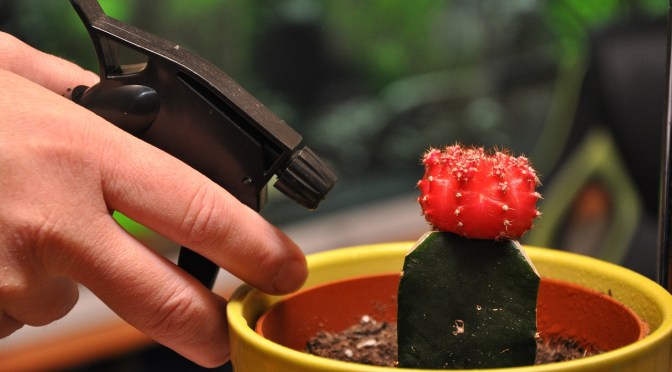
If you have small weed killing jobs to do then what ever you are going to use, put it into a Trigger Sprayer that you mark ‘WEED KILLERS ONLY’

I actually have several 1 litre Trigger Sprayers that I use for different applications and as I do not use Raingard in the Trigger Sprayers I can store what spray has not been used in a shed out of direct sun light for future use..

If Raingard or VaporGard has been used in a sprayer then any spray not used should be either discarded or put into a container for future use so that you can wash out the sprayer immediately and run some clean water though it to make sure filters and jets are cleared of any residue.

So discard the contents, part fill with clean water and give a good shake.

Tip this water out and again part fill the sprayer with clean water and open the nozzle of the sprayer to make a jet and jet spray some of the water through the nozzle.

This will help ensure that the sprayer will be ready for use next time you want to use it.

Failure to do some often means time wasted as you try to clean residues from the sprayer so it will work.

Many products that have been diluted with water will keep for a time if stored out of sunlight, they may slump which means they fall to the bottom and there is more water above the product. A good shake normally remixes the product with the water.

Sometime I will add a little more of the product to the sprayer and also more water as to label instructions to top up the sprayer and overcome any possibility of the product deterioration while stored.

Besides the Back Pack Sprayer and several trigger spray bottles I also have two other pump up sprayers for spraying.

One is a 2 litre pump up sprayer the other is a 5 litre sit on the ground pump up sprayer.

Those are for the jobs that are bigger than what a Trigger sprayer would be used for and yet not enough to use the pack pack size.

Most spraying of any product except weed killers should be done at the end of the day when the sun is going down towards dusk and direct sunlight off the plant’s foliage.

This is particularly important if using any oil products such as Wallys Neem Tree Oil.

Also if using Super Pyrethrum on its own or with the Neem Oil as pyrethrum has a short life when exposed to UV which is in fact about two hours.

Also pyrethrum can affect honey bees and by dusk most of them should be back home in their hives.

Next morning when the sun comes up the Pyrethrum will be gone within a couple of hours.

Now here is a very important point which many do not realise when spraying chemical herbicides.

NEVER spray on a still calm day. Many people think that is the best time to spray when in fact it is the worst.

I learnt that when I obtained my Chemical Handlers certificate years ago and here is the reason why;

When it is calm tiny spray droplets are lifted up in to the air from conventional air currents (warm air rises) and these deadly droplets rise up and will at sometime drop onto what ever is below, your place? Down the road? Who knows but very damaging to what ever plant they land on.

The ideal time to spray is when there is a nice mild breeze, this will force the spray droplets down onto the target weeds.

Another good idea if your sprayer has a wand you can make a spray shield out of a two litre plastic ice cream container.

In the centre of the container make a hole that is big enough to fit over your wand when the nozzle is removed.

Place the end of the wand through the hole and put the nozzle back on.

You place this over the weeds you want to spray and pull the trigger. All the spray will stay inside the ice cream container.

So even on a windy day or calm day you can spray your weed killers safely.

We have now listed on our mail order web site at www.0800466464.co.nz One Litre Trigger Spray bottles for $6.00 each

(See under Disease Control top of first page)

If you are ordering other gardening items from the web site then add a Trigger or two to your order.

On their own the freight cost does not make them a good buy but when freight (if applicable) is on other products the  trigger sprays can hitch a ride on that freight.

You get 10% off the price so that makes them only $5.40 each a good buy at that price.

Problems ring me at 0800 466464
Phone 0800 466464
Garden Pages and News at www.gardenews.co.nz
Shar Pei pages at  www.sharpei.co.nz
Mail Order products at www.0800466464.co.nz


New Zealand Bill of Rights Act 1990. Part II of the Act covers a broad range of Civil and Political Rights. As part of the right to life and the security of the person, the Act guarantees everyone:

1The right not to be deprived of life except in accordance with fundamental justice (Section 8)

2The right not to be subjected to torture or to cruel, degrading, or disproportionately severe treatment or punishment (Section 9)

3The right not to be subjected to medical or scientific experimentation without consent (Section 10)

4The right to refuse to undergo any medical treatment (Section 11)

 Furthermore, the New Zealand Bill of Rights Act 1990 guarantees everyone: Freedom of Thought, Conscience, and Religion.
This includes the right to freedom of thought, conscience, religion, and belief,
INCLUDING THE RIGHT TO ADOPT AND HOLD OPINIONS WITHOUT INTERFERENCE (Section 1)

Image by Renate Köppel from Pixabay

Secret “Paraquat Papers” Reveal Corporate Tactics to Protect Weed Killer Linked to Parkinson’s Disease

The poisoners are still at it … corporations rule … EWR


From The New Lede
Posted at Sustainable Pulse

For decades, Swiss chemical giant Syngenta has manufactured and marketed a widely used weed killing chemical called paraquat, and for much of that time the company has been dealing with external concerns that long-term exposure to the chemical may cause the dreaded, incurable brain ailment known as Parkinson’s disease.

Syngenta has repeatedly told customers and regulators that scientific research does not prove a connection between its weed killer and the disease, insisting that the chemical does not readily cross the blood-brain barrier, and does not affect brain cells in ways that cause Parkinson’s.

But a cache of internal corporate documents dating back to the 1950s obtained by The New Lede in a reporting collaboration with the Guardian suggests that the public narrative put forward by Syngenta and the corporate entities that preceded it has at times contradicted the company’s own research and knowledge.

And though the documents reviewed do not show that Syngenta’s scientists and executives believed that paraquat can cause Parkinson’s, they do show a corporate focus on strategies to protect product sales, refute external scientific research and influence regulators.

In one defensive tactic, the documents lay out how the company worked behind the scenes to try to keep a highly regarded scientist from sitting on an advisory panel for the US Environmental Protection Agency (EPA). The agency is the chief US regulator for paraquat and other pesticides. Company officials wanted to make sure the efforts could not be traced back to Syngenta, the documents show.

And the documents show that insiders feared they could face legal liability for long-term, chronic effects of paraquat as long ago as 1975. One company scientist called the situation “a quite terrible problem,” for which “some plan could be made….”

That prediction of legal consequences has come to pass. Thousands of people who allege they developed Parkinson’s because of long-term chronic effects of paraquat exposure are now suing Syngenta. Along with Syngenta, they are also suing Chevron USA, the successor to a company that distributed paraquat in the US  from 1966 to 1986. Both companies deny any liability and continue to maintain that scientific evidence does not support a causal link between paraquat and Parkinson’s disease.

“Recent thorough reviews performed by the most advanced and science-based regulatory authorities, including the United States and Australia, continue to support the view that paraquat is safe,” Syngenta said in a statement.

Chevron issued a statement saying that the company and predecessors had no role in causing the plaintiffs’ illnesses, and it “will vigorously defend against the allegations in the lawsuits.”

As part of a court-ordered disclosure in the litigation, the companies provided plaintiffs’ lawyers with decades of internal records, including hand-written and typed memos, internal presentations, and emails to and from scientists, lawyers and company officials around the world. And though the files have not yet been made public through the court system, The New Lede and the Guardian reviewed hundreds of pages of these documents.

Among the revelations from the documents: Scientists with Syngenta predecessor Imperial Chemical Industries Ltd. (ICI) and Chevron Chemical were aware in the 1960s and 70s of mounting evidence showing paraquat could accumulate in the human brain.

Read More Here

Photo: sustainablepulse.com

Roundup for Breakfast: In New Tests, Weed Killer Found in All Kids’ Cereals Sampled

Findings Released as Major Scientific Study Shows Eating Organic Lowers Cancer Risk

WASHINGTON – A second round of tests commissioned by the Environmental Working Group found the active ingredient in Monsanto’s Roundup weed killer in every sample of popular oat-based cereal and other oat-based food marketed to children. These test results fly in the face of claims by two companies, Quaker and General Mills, which have said there is no reason for concern. This is because, they say, their products meet the legal standards.

Yet almost all of the samples tested by EWG had residues of glyphosate at levels higher than what EWG scientists consider protective of children’s health with an adequate margin of safety. The EWG findings of a chemical identified as probably carcinogenic by the World Health Organization come on the heels of a major study published in JAMA Internal Medicine that found a significant reduction in cancer risk for individuals who ate a lot of organic food.

READ MORE

https://www.ewg.org/news-insights/news-release/roundup-breakfast-part-2-new-tests-weed-killer-found-all-kids-cereals

Photo: pixabay.com

The Monsanto Papers – an exposé of the secret tactics Monsanto used to protect its billion dollar business

Published on Oct 8, 2018

Four Corners investigates the secret tactics used by global chemical giant #Monsanto to protect its billion-dollar business and its star product — the weed killer, #Roundup. Read more here: https://ab.co/2C0kyTD For more from ABC News, click here: http://www.abc.net.au/news/ Follow us on Twitter: http://twitter.com/abcnews Like us on Facebook: http://facebook.com/abcnews.au Subscribe to us on YouTube: http://ab.co/1svxLVE Follow us on Instagram: http://instagram.com/abcnews_au


See our Glyphosate pages for more info on the product. And search ‘categories’ (left of news page) for other articles on glyphosate.

Roundup EXPOSED – The truth about pesticides, disease and scientific fraud

(NaturalHealth365) Roundup is a weed killer that’s showing up in our food supply; contaminating the waterways and the air we breathe. Yet, the biotech industry – with companies like Monsanto and Dow – continue to tell us, ‘we have nothing to worry about’ – in terms of all the agricultural ingredients used today.

So, what’s the truth?

Shocking truths exposed about Roundup and our current food production techniques

Just to be clear: Roundup is the most widely used herbicide in all of human history, and while farmers and homeowners alike use it daily, this highly-toxic product carries a wide range of health hazards – which are being systematically overlooked (and ignored) by government health agencies.

READ MORE PLUS AT THE LINK LISTEN TO THE PODCAST (LINK AT TOP LEFT OF SCREEN)

https://www.naturalhealth365.com/roundup-glyphosate-2465.html

California declares glyphosate a toxic cancer-causing chemical, effective July 7, 2017

This is very good news. Remember too if you are aware of the glyphosate in Roundup, that it’s in many other herbicides as well so check your labels. See our Glyphosate pages for more information and our presentation of the evidence against glyphosate to the Rangitikei District Council (all dismissed as mere extrapolation). Nevertheless the one thing you can do as regards council slathering it everywhere is go on the no spray register to prevent them spraying it on your property frontage. Do this at your council office. You can also enlighten folk as to its toxicity as most (like I once did) believe what the label says. Gone are the days friends. This product caused huge tumours in lab rats. Read the evidence for yourself. All on our pages.
EnvirowatchRangitikei

This is from NaturalHealth365

(NatualHealth365) In a win for consumer rights and safety, the OEHHA (California Office of Environmental Health Hazard Assessment) has declared that glyphosate weed killer is a known, cancer-causing carcinogen. It will be added to the state’s Proposition 65 warning list.

Proposition 65, also known as “The Safe Drinking Water and Toxic Enforcement Act of 1986,” was passed in order to protect California drinking water from toxic, cancer-causing substances and those known to cause birth defects.

Glyphosate designated “probably carcinogenic” by WHO in 2015

Glyphosate weed killer is sold under numerous brand names, but the most widely used is Roundup, manufactured by the Monsanto company. The state of California is using statute CAS #107-83-6 to change the designation of the weed killer, which they say has cancer as a known endpoint for some people who are exposed to it.

This designation is a blow to companies that use glyphosate in their products. Efforts to ban the substance have ramped up ever since the WHO (World Health Organization) designated it as “probably carcinogenic” in 2015.

As of July 7, California retailers must add cancer warning labels to all products containing glyphosate. However, cancer warnings will as yet not be required on foods and grocery items that have been sprayed with the cancer-causing herbicide.

READ MORE

http://www.naturalhealth365.com/glyphosate-cancer-2304.html

WHO Cancer Agency Asked Experts to Withhold Weed Killer Documents

What is especially infuriating about this is Monsanto’s original claim their product would “solve the world’s food problem”. Food problem? Read Susan George’s exposé of the real root cause of the world’s food problem. It’s not because of laziness and overpopulation as the powers that be would have you believe. You can download that book (written in the ’70s) for free (search pdf). Agribiz corporations created the food problem, now corporations claim they can fix it … well of course they can! … and for a whole lot more profit – to themselves.
EnvirowatchRangitikei


The horrific truth about this disastrous chemical is that, while Monsanto claims it’s harmless, it actually creates nutritional deficiencies and systemic toxicity in the human body, and is linked to multiple chronic diseases and conditions including autism.

resized 2.jpg
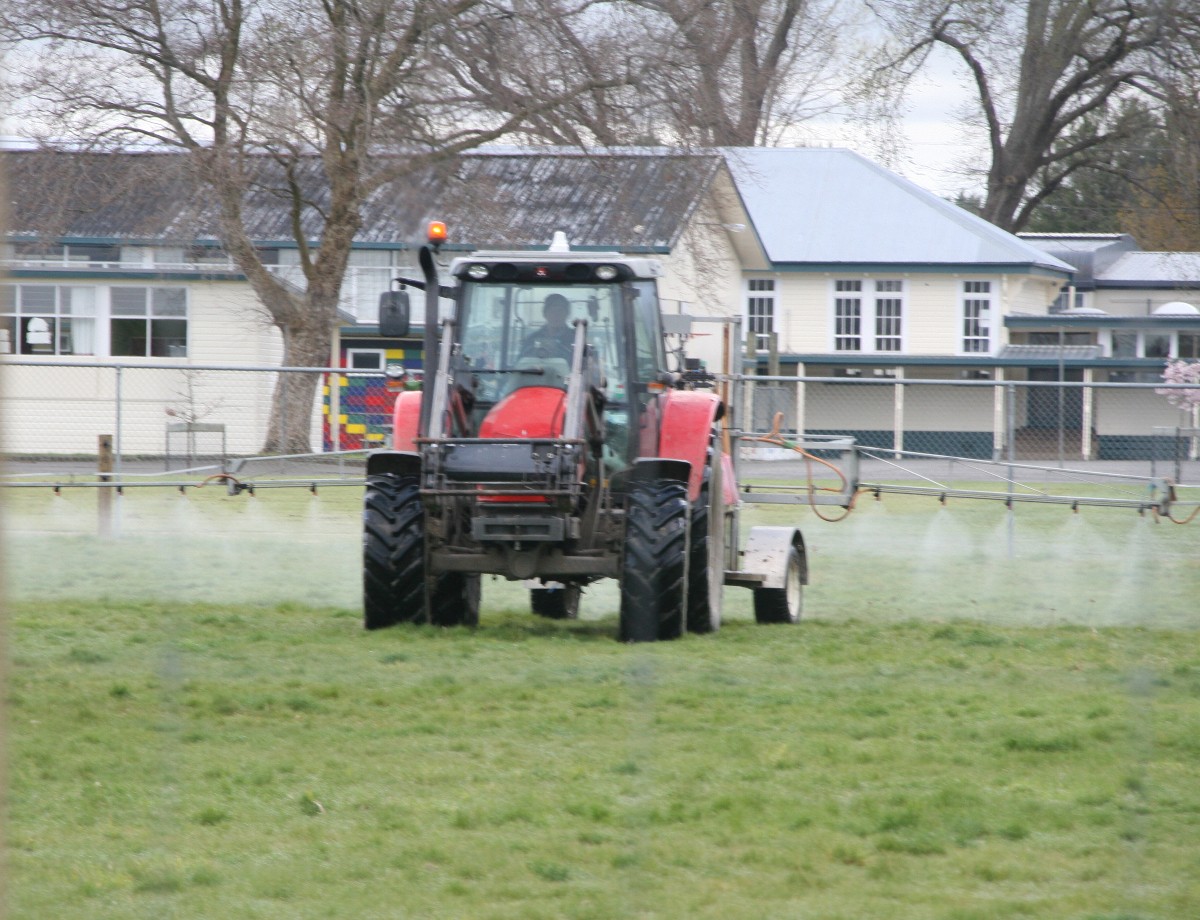
Sprayed in a section adjacent to a primary school in NZ, farmers are told Roundup is harmless

Reuters news service has discovered that the World Health Organization’s (WHO) cancer agency advised a review panel not to disclose documents on the weed killer glyphosate requested under U.S. freedom of information (FOIA) laws, according to America Online News. The report said the International Agency for Research on Cancer (IARC) claims they are exempt from FOIA laws because they alone own the information.

Critics of the IARC’s “possibly carcinogenic” classification of glyphosate — including Monsanto vice president Scott Partridge — say they want to review the agency’s work. Glyphosate is the most heavily used agricultural chemical of all time, with 1.8 million tons of it applied to U.S. fields since 1974; two-thirds of that in the last 10 years.

When this toxic poison was first released in connection with “Roundup Ready” genetically engineered (GE) glyphosate-tolerant crops (soy, corn and cotton), Monsanto promised it would reduce the use of pesticides worldwide and solve the world’s food problem. Instead, it’s been a dismal failure, with “super weeds” resistant to glyphosate posing a massive worldwide problem.


The horrific truth about this disastrous chemical is that, while Monsanto claims it’s harmless, it actually creates nutritional deficiencies and systemic toxicity in the human body, and is linked to multiple chronic diseases and conditions including autism.

In 2009 a French court found Monsanto guilty of lying about its safety, and since then other research has shown more evidence of glyphosate’s dangers.


Find further articles on glyphosate under ‘categories’ top left of any page and visit our glyphosate pages. Please share the info and help expose corporate corruption and lies.

Glyphosate, found in most herbicides, is making us sick – from a Doctor & PhD with 3 decades of research

This herbicide is not safe, according to a large body of independent research. Concerned people nationwide are currently petitioning their respective district councils to be rid of it. Auckland has done an about face and no longer wants to use chemical free treatment of weeds in its public spaces. We have our own petition for the Rangitikei District – check out our pages for that.

Watch the video then see our Glyphosate pages for more info & links, &/or search categories for further related articles (at left of any page).

Please also consider liking our FB page &/or following our blog (right of any page) and do spread the word on all the untruths we have been told! Use the share buttons! 

Thank you!

EnvirowatchRangitikei

Published on Aug 19, 2015

Stephanie Seneff, PhD, MIT CSAIL presents “The ‘SAFE’ Herbicide that’s making us all Sick!” Seneff’s three decades of scientific rigor is added to a growing body of independent research that exposes the toxic reality of America’s favorite weed killer and biocide; Monsanto’s RoundUp.

Presented by The SHAKA Movement’s Christina Fisher & Seeds of Truth’s Melissa Yee

Special Thanks to “The Five Citizens” – Mark Sheehan, Alika Atay, Lei’ohu Ryder, Dr. Bonnie Marsh & Dr. Lorrin Pang

Contact Information:
Website/Donations: mauigmomoratoriumnews.org
Email: info@defendmauigmomiracle.org

Video: Keith Ranney Productions