Tag Archives: waste products

Are You Swallowing 5 Grams of Plastic Weekly by Doing This?

From mercola.com

Story at-a-glance

  • The world now produces 299 million tons of plastics a year, most of which ends up in oceans
  • People, on average, are consuming the equivalent weight of one credit card a week from water, seafood and other sources contaminated with plastic
  • Both tap and bottled water contain microplastics and bottled water may be worse
  • Marine life becomes entwined in plastic bags and six-pack rings and the plastic blocks their intestinal tracts. In humans, ingested plastic is thought to produce unwanted immune responses and other health problems
  • Microfibers from synthetic clothing and the practice of using sewage sludge, so-called “biosolids,” as fertilizer add to plastic pollution

Editor’s Note: This article is a reprint. It was originally published October 26, 2019.

Anyone who reads my newsletter is well aware of the growing environmental catastrophe of plastic pollution. Microplastics from artificial clothing fibers, microbeads found in personal care products, broken down plastics from bottles, fishing nets, plastic bags and biosolids spread on cropland are a human-created nightmare for our environment, particularly our oceans, waterways, marine and bird life.

Disturbingly, while lobbying groups are fighting to restrict plastic use across the nation, others are fighting those same restrictions. One such organization is the Plastics Industry Association’s lobbying arm, the American Progressive Bag Alliance, which backs legislation that would prevent local communities from addressing plastic pollution.

As reported by The Intercept,1 the bill “would make it illegal for local governments to ban or restrict bags and other single-use plastic products — one of the few things shown to actually reduce plastic waste.” Eleven other U.S. states have also “enacted similar so-called ‘bans on bans,'” the Tennessean reports.2

We’re Ingesting and Inhaling Surprising Amounts of Plastic

Recently, a situation that looked like it could not get worse, has indeed gotten worse. New research shows humans, not just marine life, are ingesting microplastics at alarming levels.

A recent study commissioned by the World Wildlife Fund and carried out by University of Newcastle, Australia, finds people, on the average, consume the equivalent weight of one credit card a week — 5 grams of plastic.3 Primary ingestion routes are from water and seafood, according to the report.

There is even more disturbing news. While many are aware that municipal wastewater treatment systems are failing at filtering out microplastics — their filtering processes were invented long before the plastic explosion — bottled water is turning out to be no safer.

A recent study by the nonprofit journalism organization Orb Media found major bottled water brands like Evian, Aquafina, Dasani and San Pellegrino contained significant amounts of microplastics.4 And research published in Environmental Science & Technology suggests people drinking only bottled water may receive more microplastics than those drinking tap water.5

Other recent research6 suggests the average person is also inhaling 11.3 microscopic pieces of plastic each hour. According to co-author Jes Vollertsen,7 “This is the first evidence of human exposure to microplastic through breathing indoor air.”

Plastic particles identified in indoor air include synthetic fibers such as polyester, polyethylene and nylon, and nonsynthetic particles composed of protein and cellulose.8

How Bad Is Plastic Pollution?

Thanks to the throwaway mentality of developed nations, and even developing nations, plastic pollution is an urgent problem. It threatens fish, birds and water including in pristine areas completely free of industrialization. The world now produces 299 million tons of plastics a year, most of which ends up in the oceans.

In fact, it is estimated that our oceans will contain more plastic than fish by weight by the year 2050.9,10 Already, plastic exceeds plankton by a factor of 6-to-1 in some ocean waters.11

In a recent documentary that I wrote about, “Hunting for Plastic,” a videotaped autopsy of a deceased sea turtle by employees of the Ocean Cleanup project showed greasy, black plastic bags and other plastic objects that had been the cause of the poor turtle’s death, retrieved from its body.

Boyan Slat, a young Dutch entrepreneur, has invented an ingenious way to clean plastic debris from our oceans and organized the very encouraging Ocean Cleanup project.

One-third of the fish caught in the English Channel and 83% of U.K shrimp contain microbeads, solid plastic particles less than 1 millimeter in size that are added to cosmetics, soap, facial scrub and toothpastes and used in pharmaceutical technology. Several countries have banned the use of microbeads in personal care products,12 but despite bans, millions of microbeads already exist in the environment and, like all plastics, will not degrade for hundreds of years.

Download this Article Before it Disappears

Download PDF

Different Types of Plastic Pollute Our Environment

There are different kinds of plastic discarded in the environment but they are all harmful. Polycarbonate, polystyrene and polyethylene terephthalate sink to the ocean floor and damage it. Low-density plastics like polyethylene, on the other hand, float and accumulate into massive floating islands of trash, such as the notorious 618,000 square-mile Great Pacific Garbage Patch between Hawaii and California.

Microplastics from widely used polyvinyl chloride (PVC) absorb carcinogenic plasticizers like bisphenol A (BPA) and bisphenol S (BPS), according to research in Science of the Total Environment,13 and BPA significantly increases the risk of breast cancer according to 2018 research in Environmental Science and Pollution Research:14

“Breast cancer is the second most common fatal cancer in women. Developing a breast cancer is a multi-factorial and hormonal-dependent process, which may be triggered by many risk factors.

An endocrine disrupting substance known as bisphenol A (BPA), that is used greatly in the manufacture of plastic products, was suggested as a possible risk factor for developing breast cancer. BPA has a strong binding affinity to non-classical membrane estrogen receptors like estrogen-related and G protein-coupled (GPER) receptors.

Based on animal and in vitro studies, results showed a link between BPA exposure and increased incidence of breast cancer. BPA has the ability to alter multiple molecular pathways in cells … Thus, the aforementioned alterations cause undesired gene stimulation or repression that increase risk of developing breast cancer.

So, restricting exposure to BPA should be considered to aid in lowering the risk of developing breast cancer.”

More Health Risks From Microplastics

Plastic pollution kills sea turtles and other marine life in several ways. They become entwined in plastic bags and six-pack rings, and ingested plastic debris blocks their intestinal tracts so they die of malnutrition. Microplastics in the ocean also develop a biological covering of algae that smells like food to fish.15 That means fish may be actively seeking out the microplastic mistaking if for food.

The harmful effects of microplastics on human health are also beginning to be revealed. According to 2019 research in Science of the Total Environment:16

“Humans are exposed to plastic debris via the consumption of seafood and drinking water, contact with food packaging, or inhalation of particles. The accumulation of microplastic particles in humans has potential health risks such as cytotoxicity, hypersensitivity, unwanted immune response, and acute response like hemolysis.

We investigated the cellular responses of secondary polypropylene microplastics (PP particles) of approximately ~20 μm and 25-200 μm in different condition and size to normal cells, immune cells, blood cells, and murine immune cells by cytokine analysis, ROS assay, polarization assay and proliferation assay …

[A] high concentration, small sized, DMSO method of PP particles stimulated the immune system and enhanced potential hypersensitivity to PP particles via an increase in the levels of cytokines and histamines.”

Microplastics in Drinking Water

As I noted earlier, wastewater treatment plants do not completely filter out microplastics. The potential of these particles for absorbing wastewater chemicals — as seen with PVC — and their small size present “unique toxicological risks for microplastics discharged” says a 2019 study in the journal Water Research X.17

And there is another, less recognized but huge source of microplastics in our waterways and drinking water: microfibers from synthetic clothing like fleece, acrylic and polyester. During washing, microfibers from these textiles are released, amounting to as much as 1 million tons a year.

Yet the Mermaids (Mitigation of Microplastics Impact Caused by Textile Washing Processes) project suggest special coatings and reformulated laundry detergents could minimize the toll of microfibers released during washing on the environment.18 Research in Water Research X confirms the role microfibers play in plastic pollution, finding more microfibers in more populated areas.19

“We demonstrate through source modeling that microplastic fiber loads in influent were consistent with service area populations laundering textiles given previously published rates of microplastic generation in washing machines.”

Microplastics Also Pollute Soil

Plastic pollution is not limited to waterways. The net amount of plastics polluting land is as much as 23 times greater than that in oceans, according to research published in Science of the Total Environment.20

Once called “sewage sludge,” — the solids left after water purification — “biosolids” are now widely used as fertilizer in the U.S. and other countries to grow crops. It should surprise no one that biosolids contain plastics, as well as PCBs, dioxins, pharmaceuticals, hormones, surfactants, heavy metals and disease-causing pathogens.

Once on the soil, weather, sun and other factors cause the plastic to fragment into microplastics. Scientists also speculate that Collembola — tiny insects in the soil — might also contribute to the problem by converting the plastic debris they consume into microplastics through their digestive processes.21

A British study of the coasts of six continents found sewage sludge, or so-called biosolids, contained an average of one particle of microplastic per liter.22 Much of the plastic load comes from clothing fibers from washing machine effluent, says research, and much of it ends up in storm drains and waterways.

What Can You Do?

While microplastics are now abundant in waterways, drinking water and seafood, there are many ways you can reduce the scourge of plastic pollution by not adding to it.

  • Avoid plastic bags (including for snacks and food storage)
  • Avoid disposable straws (reusable straws made from stainless steel, bamboo and even glass are widely available)
  • Wash synthetic clothes less frequently and when you do use a gentle cycle to reduce the number of fibers released; consider using products that catch laundry fibers in your washing machine
  • Choose a nonplastic toothbrush made from bamboo or flax
  • Avoid disposable plastic bottles; bring your own reusable bottle instead

Sources and References

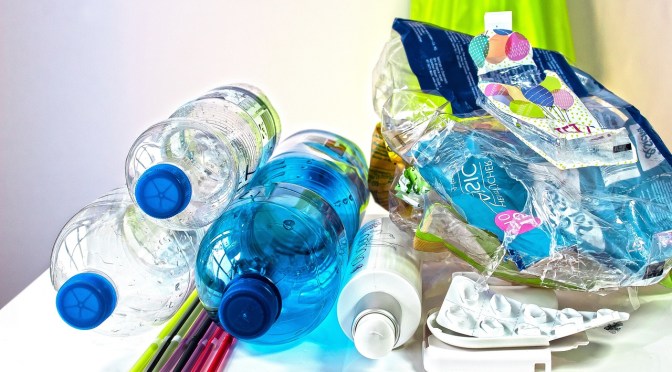
Image by Stefan Schweihofer from Pixabay
WORM FARMING (Wally Richards)

Many years ago I learnt about worm farming and how to turn kitchen wastes into rich foods for the garden.

A Palmerston North firm of Plastic Moldings started producing what I think was the first NZ made available worm farm in NZ called Worm-a-Round.

I purchase one from their factory (and later on a second one; both of which are going strong years later).

I promoted the worm-a-round and many people saw the great advantage of these very strong units and purchased one to use.

The Palmerston North City Council got on the band wagon and they to encouraged people to turn their kitchen wastes into great garden foods instead of sending this valuable resource to the rubbish tip.

The original company amalgamated with a similar firm and once again not only did I help sell units but some garden shops, Mitre 10 and Bunnings also use to retail the units.

Over time cheaper inferior worm farm units appeared and like a lot of well made products the Worm-a-Round disappeared from the market.

A gardener contacted me about a month ago and asked if I knew where they could obtain a new Worm-a-Round so I did a bit of investigating and found that the moulding company still had the moulds but had not produced any for a number of years.

So I commissioned them to produce 5 units for my company to once again promote this superior worm farm unit.

The following is my original information that used to appear on my Gardenews web site:

Worms are the most efficient method of recycling household wastes into high value nutrients for the garden.

There are about 3000 types of worm species but of these there are only about a half dozen or so that are important to cultivation.

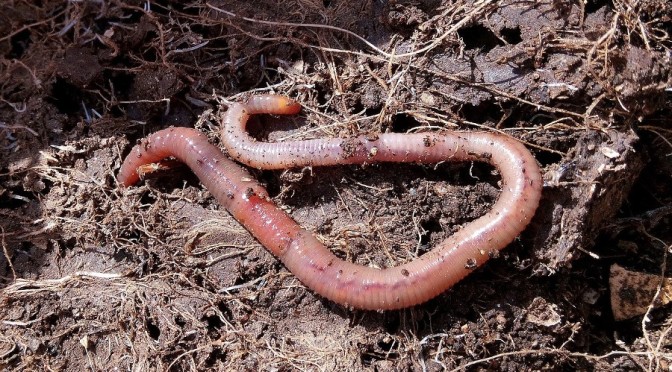
Eisenia foetida, commonly known as the Manure Worm, Red Wiggler or Tiger worm, has alternative bands of yellow and maroon down the length of its body.

You know you have one when you pick it up, it thrashes about, wriggling and squirming.

The amazing attributes of the Tiger worm include, being able to consume their own body weight in food each day.

The daily food intake of organic material results in a wonderful, organic material called vermi-cast.

They also produce 60% of their body weight in urine each day which is referred to as leachate.

This leachate is very high in nitrogen and can be diluted 10:1 for use as a highly nutritious plant food.

Tiger worms are surface feeders and they thrive in organic materials such as manure and kitchen scraps when these materials are mulched on top of the soil.

Tiger worms have another interesting aspect as they are a little like Monarch Butterfly’s caterpillars in so much as they are distasteful to predators such as birds.

Thus many birds will leave them alone and being surface eaters this is most important as they are easy prey otherwise.

These wonderful worms are the best compositors in the world, turning waste material into high value nutrients for plants to use.

Everyday you likely throw out kitchen wastes, which clog up our tips and sewer systems.

Such a waste of wastes.

Now what say you could convert your wastes to top quality plant food (leachate) plus highly nutritious soil for gardens and containers (vermicast) and be able to collect these valuable products cleanly and simply?

Well now you can with an amazing unit called WORM-A-ROUND.

Worm-a Round is a special double bin that allows you to run your own Vermicomposting unit and collect the valuable plant nutrients.

Simple to use, you start off with newspaper and kitchen wastes to which is added 250 grams of Tiger Worms.

(These are available from worm growers through out NZ).

Each day you simply add your kitchen wastes for that day and once in full operation your Worm-A-Round bin can cope with 2 kg of kitchen waste per day.

A tap is on the lower, collector bin and each week you can collect about a litre of leachate. This can be stored for use as required.

If you think about it, that’s about $20.00 worth of top quality plant food a week.

Over the following weeks and months the worm population will increase till it reaches its optimum level.

(Worms are self regulating in this aspect).

At this time you could remove some of the worms and place them in the garden under a layer of organic mulch.

Mushroom compost would be ideal for this.

You may like to add them to your own compost heap to get more action from it.

If you don’t remove any worms it does not matter as they will not over crowd their home.

It takes between 3 to 6 months to reach this point.

After a period of time vermicast will reach the top of the first tray and then the second tray should be added to the bin.

Food scraps can then be placed in this top tray, daily.

Once this top tray is three quarters full of vermicast most of the worms will have moved up into it.

At this time you can remove the bottom tray (full of vericast) for use with your potting mixes, as seed raising mix, mulch around plants, or for use under plants at planting time.

It also can be added to water as an additional liquid additive in the garden.

Vermicast, like ordinary worm casts is a beautiful crumbly material just busting with plant nutrients.

Each harvest will save you many dollars in potting mixes and other plant foods.

Except for your initial outlay for the bin, instructions and worms the whole process will not cost you a penny in the future but will return you many dollars worth of products every week for years.

Vermicomposting is an interesting aspect of gardening and of great value to your plants as well as the important principals of recycling.

An activity that even the younger members of the family can enjoy and participate in.

Giving them a better concept of nature and the world around them.

The Worm-a-Round is rat and mice proof so you wont have any problems from the vermin.

I keep a plastic container on the kitchen bench, which kitchen wastes goes into then when full I take out and put into one of my Worm-a-Rounds.

Place your worm-a-round on a table outside in a shaded situation handy to the kitchen for convenience.

Worm-a-Rounds can be obtained by Mail Order through www.0800466464.co.nz

LAST DAYS OF SPRING PROMOTION……..

Here is the original message and conditions….

WELCOME TO SPRING PROMOTION

As many of you are aware this time of the year we try to offer some specials for you to use during the coming growing season.

The following specials will start today 13th August and finish on Thursday 31st August at Midnight.

Any orders must be placed on our mail order web site at www.0800466464.co.nz

ALSO MOST IMPORTANT…PLACE THE WORD SPRING in the CUSTOMER MESSAGE BOX

This allows me to sort out the various discounts and add any shipping before I phone you to organise mode of payment for the order.

(Credit/Debit Card payment over phone which is the best and fastest way alternatively I email you the details for a bank transfer).

While on the phone I can also answer any questions you may have. (It’s called service which is not common these days)

Here are the offerings:

25% off Neem Oil, Neem Granules and Neem Powder

20% off all other items except for BULK items

Of the above: North Island if your order comes to $100 or more after discount then free shipping. (Not including Bulk items)

South Island in your order comes to $150 or more after discount then free shipping. (Not including Bulk items).

10% off Bulk Items such as 10kilo bags BioPhos,  Ocean Solids and Unlocking Your Soil. These bulk products will incur shipping at cost.

No discount on Distillers or Worm-a-Rounds and shipping at cost.

These are 10kg North Island $16.00  South Island $19.00

Up to 25 kg North Island $19.00  South Island $25.00

We do not send to PO Boxes or outer Islands such as Waiheke or Stewart Islands But will send to the Ferry depot servicing those Islands

Phone 0800 466464
Garden Pages and News at www.gardenews.co.nz
Shar Pei pages at  www.sharpei.co.nz
Mail Order products at www.0800466464.co.nz


New Zealand Bill of Rights Act 1990. Part II of the Act covers a broad range of Civil and Political Rights. As part of the right to life and the security of the person, the Act guarantees everyone:

1The right not to be deprived of life except in accordance with fundamental justice (Section 8)

2The right not to be subjected to torture or to cruel, degrading, or disproportionately severe treatment or punishment (Section 9)

3The right not to be subjected to medical or scientific experimentation without consent (Section 10)

4The right to refuse to undergo any medical treatment (Section 11)

 Furthermore, the New Zealand Bill of Rights Act 1990 guarantees everyone: Freedom of Thought, Conscience, and Religion.
This includes the right to freedom of thought, conscience, religion, and belief,
INCLUDING THE RIGHT TO ADOPT AND HOLD OPINIONS WITHOUT INTERFERENCE (Section 1)

Photo: pixabay.com


Got MilQ? Fake Milk to Replace Dairy and Breast Milk (what could go wrong?)

Remember these news items? Not difficult to figure what Bill & Co were up to is it?
2016: Pediatrics Journal says to stop calling breastfeeding natural
2017: We’re ‘Advancing’ from ‘Breastfeeding is Not Natural’ to CDC Reporting ‘Breast Milk Has Inhibitory Effect On Vaccine’
2020: In 2016 Pediatrics Journal said breast feeding was not natural … 4 years later Bill Gates is investing in lab-made breast milk

Note: Due to censorship of Dr Mercola’s articles he archives them to paid sub soon after publishing. I’ve therefore published this in its entirety however you may find the source link will no longer work. EWR


From Dr Mercola

Story at-a-glance

  • The globalist technocrats are intent on monopolizing the entire food supply. They already have a monopoly on grains and have made headway in genetically engineered (GE) seafood. The next targets include lab-grown meats and dairy substitutes
  • Biomilq, made from cultured breast tissue, will be marketed as a breast milk substitute
  • The company Helaina is working on creating glycoproteins “identical to those found in breast milk.” Those proteins can then be added to a variety of infant formulas, seniors’ nutrition and, eventually, all sorts of foods
  • The justification for creating synthetic milk substitutes is, of course, preventing and reversing “climate change.” That’s the justification used to sell virtually all fake foods. In reality, however, they will perpetuate and worsen adverse effects on the environment
  • Lab-created foods are ultraprocessed and therefore qualify as junk food. Fake meat and dairy cannot replace the complex mix of nutrients found in grass fed beef and dairy, and it’s likely that consuming ultraprocessed meat and milk alternatives may lead to many of the same health issues that are caused by a processed food diet
  • The starting ingredients in fermented synthetic biology products are cheap sugars derived from GE corn and soy. All GE crops are grown in environmentally destructive monocultures, and use loads of herbicides such as glyphosate, pesticides like neonicotinoids and synthetic fertilizers. As a result, they’re loaded with chemical residues that end up in the final product

The globalist technocrats are intent on monopolizing the entire food supply. They already have a monopoly on genetically engineered (GE) grains and have made headway in GE seafood. The next targets are lab-grown meats and dairy substitutes. There’s even a lab-made breast milk alternative on the way called Biomilq, which is made from cultured breast tissue.1

Another company, Helaina, aims to create glycoproteins “identical to those found in breast milk,”2 which can then be added to a variety of infant formulas. They may also be used in seniors’ nutrition and eventually, all sorts of foods.

Many familiar globalists are invested in these faux dairy ventures. Biomilq investors, for example, include Bill Gates, Jeff Bezos, Mark Zuckerberg, Richard Branson, Masayoshi Son, Jack Ma, Michael Bloomberg and Marc Benioff.3

The first Biomilq product is expected to be ready for the market within the next three to five years.4 Other animal-free milk products are expected to hit the shelves sometime between 2023 and 2024.5,6 That includes ice cream made with lab-grown diary, which will go into Ben & Jerry’s product line.7

In the Environmental Health Symposium video above, Alan Lewis reviews what goes into the making of synthetic biology. Synthetic biology goes by many names, including “gene edited fermentation” and “precision fermentation products.”

While that sounds fairly innocuous, synthetic biology manufacturers rarely ever discuss what goes into the feed they use to grow the target organism, or what happens to the waste at the end of the fermentation process. That’s understandable, as both raise a number of serious questions.

What Are the Base Ingredients?

As explained by Lewis, the starting ingredients in fermented synthetic biology products are cheap sugars derived from GE corn and soy. All GE crops are grown in environmentally destructive monocultures with taxpayer subsidies, and use loads of herbicides such as glyphosate, pesticides like neonicotinoids and synthetic fertilizers. As a result, they’re loaded with chemical residues that end up in the final product.

In addition to a base of sugars, hundreds of other ingredients may be added to the ferment in order to produce the desired end product, such as a certain protein, color, flavor or scent.

Aside from the desired target metabolite, these gene-edited organisms may also be spitting out any number of non-target metabolites that have completely unknown environmental consequences and health effects.

As explained by Lewis, the most-often used microorganism in the fermentation process is E.coli. The E.coli is gene-edited to produce the desired compound through its digestive process. It also needs to be antibiotic-resistant, since it needs to survive the antibiotics used to kill off other undesirable organisms in the vat.

Aside from the desired target metabolite, these gene-edited organisms may also be spitting out any number of non-target metabolites that have completely unknown environmental consequences and health effects.

How Are Synthetic Biology Ferments Created?

As explained by Lewis, the various “feed” ingredients are placed in a fermentation bioreactor set at 87 to 90 degrees Fahrenheit for anywhere from 24 to hundreds of hours to grow the target microorganism. The target organisms in the ferment consume the nutrients they need, and what’s left over after those organisms are extracted is hazardous biowaste.

Importantly, while traditional fermentation processes, such as the making of beer, produces waste products that are edible by animals, compostable and pose no biohazard, the same cannot be said for these GMO synthetic biology ferments. The biowaste must first be deactivated, and then it must be securely disposed of. It cannot go into a landfill.

It’s important to realize that they are creating GMO organisms that have never existed on earth before, and these organisms and their waste are neither edible nor compostable, and there are unknown risks involved with unintentional or intentional release of these organisms into the environment.

They may also result in novel foodborne illnesses. And, since antibiotics are used to prevent the growth of undesirable organisms in the ferment, antibiotic-resistant organisms are automatically integrated into the final product. The types of foodborne illness that might be caused by gene-edited E.coli and its metabolites are anyone’s guess at this point. Nobody knows what such illness might look like.

The Fake Justification for Fake Foods

The justification for creating synthetic biology for food, including milk substitutes, is to prevent and reverse “climate change.” As reported by CNBC in June 2020:8

“Biomilq co-founder and CEO Michelle Egger … and her co-founder, CSO Leila Strickland, hope that the breast milk produced by Biomilq from culturing mammary epithelial cells will help reduce the carbon footprint from the global infant formula market …

‘Right now, by the estimations we have been able to make, at least 10% of the dairy market globally ends up in infant formula,’ Eggers said. ‘That means per-infant-fed formula in the U.S., 5,700 metric tons of CO2 are produced, and 4,300 gallons of freshwater are consumed each year to feed a child. Parents want to do what’s best for their kids but shouldn’t have to decide between feeding their children and protecting the planet.'”

While the push for synthetic biology is built on the idea that it will somehow save the environment from the ravages of factory farming, concentrated animal feeding operations (CAFOs) and monocultures, it’s incredibly misleading, because it doesn’t address the fact that there are environmentally beneficial ways to farm, and we really should switch to those instead of transitioning into factory laboratories where everything that comes out of it is a biohazard.

Fake Food Manufacturing Creates Toxic Waste Products

In February 2021, the Good Food Institute (GFI), a nonprofit group behind the alternative protein industry, released a techno-economic analysis of cultivated meat, which was prepared by consulting firm CE Delft.9 In it, they developed a model to reduce the current costs of cultured meat production down to a point that would make it economically feasible in full-scale plants by 2030, a model they said is “feasible.”

In attempting to create cultured meat on the scale that would be necessary to feed the world, logistical problems are numerous and, possibly, insurmountable. There are waste products — catabolites — to deal with, as even cultured cells excrete waste that is toxic.

Oxygen and nutrients must also be adequately distributed to all the cells, something that’s difficult in a large reactor. Stirring the cells faster or adding more oxygen may help, but this can cause fatal stress to the cells.10

The environmental “benefits” are also on shaky ground when you factor in soy production as well as the use of conventional energy sources. When this is factored in, GFI’s life-cycle analysis found that cultured meat may actually be worse for the environment than conventionally produced chicken and pork.11,12

Repeat of a Failed System

Yet, the push for the creation of synthetic biology continues. In the foreword to Navdanya International’s report “False Solutions That Endanger Our Health and Damage the Planet,” Vandana Shiva details how lab-grown foods are catastrophic for human health and the environment, as they are repeating the mistakes already made with industrial agriculture:13

“In response to the crises in our food system, we are witnessing the rise of technological solutions that aim to replace animal products and other food staples with lab-grown alternatives. Artificial food advocates are reiterating the old and failed rhetoric that industrial agriculture is essential to feed the world.

Real, nutrient-rich food is gradually disappearing, while the dominant industrial agricultural model is causing an increase in chronic diseases and exacerbating climate change.

The notion that high-tech, ‘farm free’ lab food is a viable solution to the food crisis is simply a continuation of the same mechanistic mindset which has brought us to where we are today — the idea that we are separate from and outside of nature.

Industrial food systems have reduced food to a commodity, to ‘stuff’ that can then be constituted in the lab. In the process, both the planet’s health and our health have been nearly destroyed.”

Lab-Made Foods Are Junk Foods

It’s important to realize that all lab-created “foods” are ultraprocessed, and will likely impart the same kind of ill health effects as other ultraprocessed foods. In 2018, Friends of the Earth (FOE), a grassroots environmental group, released a report that posed critical questions about the trend toward synthetic biology. In it, they stressed the highly-processed nature of these products:14

“Various ‘processing aids’ are employed to make some of these products, including organisms (like genetically engineered bacteria, yeast and algae) that produce proteins, and chemicals to extract proteins.

For example, chemicals like hexane are used to extract components of a food, like proteins (from peas, soy, corn etc.) or compounds (from genetically engineered bacteria) to make xanthan gum … disclosure of these ingredients is not required.

Other processing aids (e.g. bacteria, yeast, algae), including those that are genetically engineered to produce proteins, are also not currently required to be disclosed on package labeling. The lack of transparency makes it difficult to assess the inputs and impact of their use.”

Basically, what the globalist cabal is attempting to do is to eliminate conventional farming methods like raising cattle for beef and dairy products, and replace them with synthetic, patented reproductions. In short, they’re taking whole foods and turning them into ultraprocessed junk foods, all while trying to convince you the junk food is healthier for you.

Synthetic Biology Is Part of a Control Scheme

Aside from the potential health hazards, lab-grown foods rely on monocultured crops that destroy the soil, resulting in carbon release. So, right there, the climate change justification falls apart. Since synthetic biology relies on GMO monoculture, it creates the very things they claim to counteract: environmental degradation that results in climate change.

As noted by Lewis, synthetic biology, which is the latest addition to the patented, genetically modified organism (GMO) food system, also results in a “massive shift in ownership and concentration of wealth … and control over our food supply.”

In short, synthetic biology creates reliance on industry that can then be used to manipulate and control the population in any number of ways. In the long term, people will eventually lose the know-how of producing their own food using traditional methods, and this may well be part of the plan.

The globalist cabal intends to create a one world government, and what better control tool than having everyone completely dependent on the state for all of its food?

Protect Your Health by Avoiding Frankenfoods

The drive for plant-based alternatives to real animal food, be it meat or dairy, isn’t due to health, or even to support vegan or vegetarian diets. Those truly interested in eating a plant-based diet can do so by eating real plants, after all, and in so doing can enjoy the many health benefits that eating plant foods provides. No, it’s about creating a system of control through food. It’s also a way to control people’s health.

It’s already known that the consumption of ultraprocessed food contributes to disease,15 but manufactured fake meat and dairy may also pose additional unknown risks.16 The benefactor of ill health, of course, is Big Pharma.

The processed food industry has spent many decades driving chronic illness that is then treated with drugs rather than a better diet. Synthetic foods will likely be an even bigger driver or chronic ill health and early death.

The fact is, fake meat and dairy cannot replace the complex mix of nutrients found in grass fed beef and dairy, and it’s likely that consuming ultraprocessed meat and milk alternatives may lead to many of the same health issues that are caused by a processed food diet. So, if you want to really protect your health and the environment, skip pseudofoods that require patents and stick to those found in nature instead.

SOURCE

MORE GREAT IDEAS FROM GATES:

Can a vaccine for cows slash methane emissions?


Photo: pixabay.com