
This Tiny Farm Pumps Out 6,000 Pounds Of Food Per Year. But Where It’s Located? Shocking.
Tag Archives: Vegetables

10 FLOORING FOOD WASTE FACTS
From an interesting UK site called ‘This is Rubbish’ (TiR) …. TiR is a voluntary group started in 2009 that:
“aims to communicate the preventable scale of food wasted in the UK, through policy research, community and arts led public events.”
They have compiled some fascinating facts and figures. Did you know for instance, that:
1. “It’s estimated that 30 – 50% of food is waste globally. 1
2. 18 – 20 million tones of food is wasted annually in the UK. 2
3. Assuming that in the UK and US 25% of food is wasted, 10% of GHG emissions from these countries come from food that is discarded. 3 ”
(Note: follow links to article for references cited).
I’ve noticed many food outlets will donate their unsold food at the end of the day to charities who quickly pass them on to those folks they know are in need. I recall during the ’90s collecting weekly a car boot load of bread from a local supermarket for that purpose. Another area I lived in (NZ’s beautiful Bay of Plenty) local growers left two large bins of ‘seconds’ from their Kiwifruit harvests free for the taking, which ended up in homes or as stock feed. Brilliant. Then there are the folks I’ve seen recently on FB who have swap stands or free stands near their gardens to dispose of surplus and feed people who are struggling financially … equally as brilliant. If you have a fruit tree that produces more than you can use, consider placing boxes of it at your front gate for passers by to take. Sharing is caring. Your generosity will return to you. I assure you.
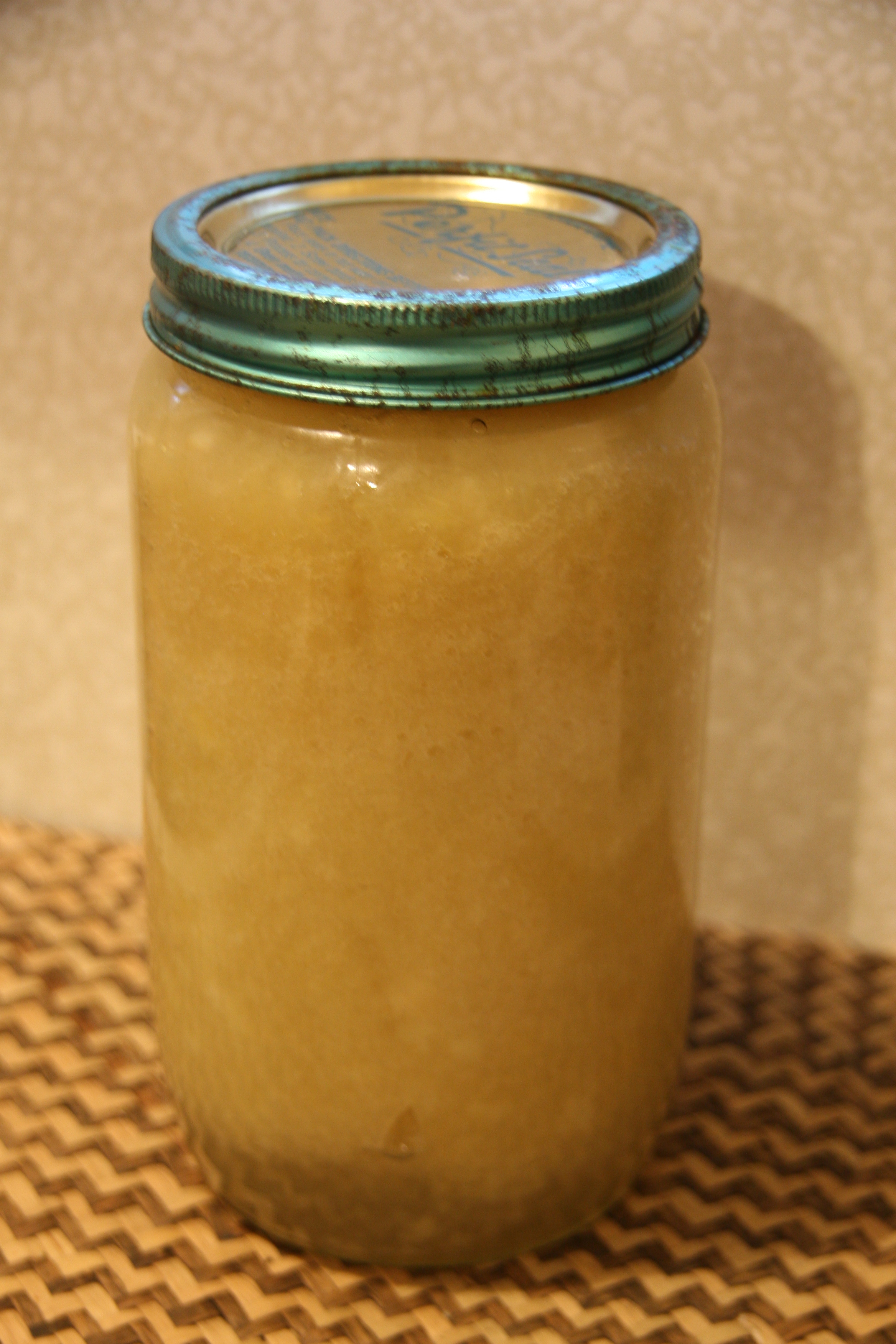
Then closer to home, was my dear Dad who grew an enormous vegetable garden and gave most of it away … serving two purposes … he loved gardening and growing things … and also enjoyed the buzz he got from helping others. Not only did he give the produce away, he also made pickles, relishes, jams and preserves, much of which he also gave away. Having lived through a Depression and a World War he knew the art of survival and making the most what he had. Like many in his era, his shed was chock full of odds and ends to fix stuff with … that was the era that preceded our current ‘throw away’ society. Perhaps this is where the ‘throw-away-the-food’ mentality comes from? Seriously, the fix-it thing is what could drastically cut back the rubbish and recycling problem that is growing into magnanimous proportions … a topic for another post.
I confess I’m guilty of waste at times although I’ve cut that back and am more mindful of using leftovers creatively instead of biffing them. Did you know for instance, you can make apple cider vinegar or apple jelly from apple peels and cores? ? Or that you can make pickle or relish from water melon rinds?
I have a friend who said as a child they had a cook up of all the left overs one night a week. (Only what was edible of course). I guess this may (or may not?) go down well with the creative chefs however … in the bigger picture we who eat well on the planet are actually the minority. This alone causes me to be very thankful for the food I do have, and more mindful of the need to not waste it. And last but not least, to use what I save in all of this, to feed a hungry child elsewhere on the planet. We may one day need the same generosity ourselves. Our current political regime here in NZ is forgetting that fact. Something to think about.
Read more about TiR’s fantastic site HERE
Read their food waste article HERE
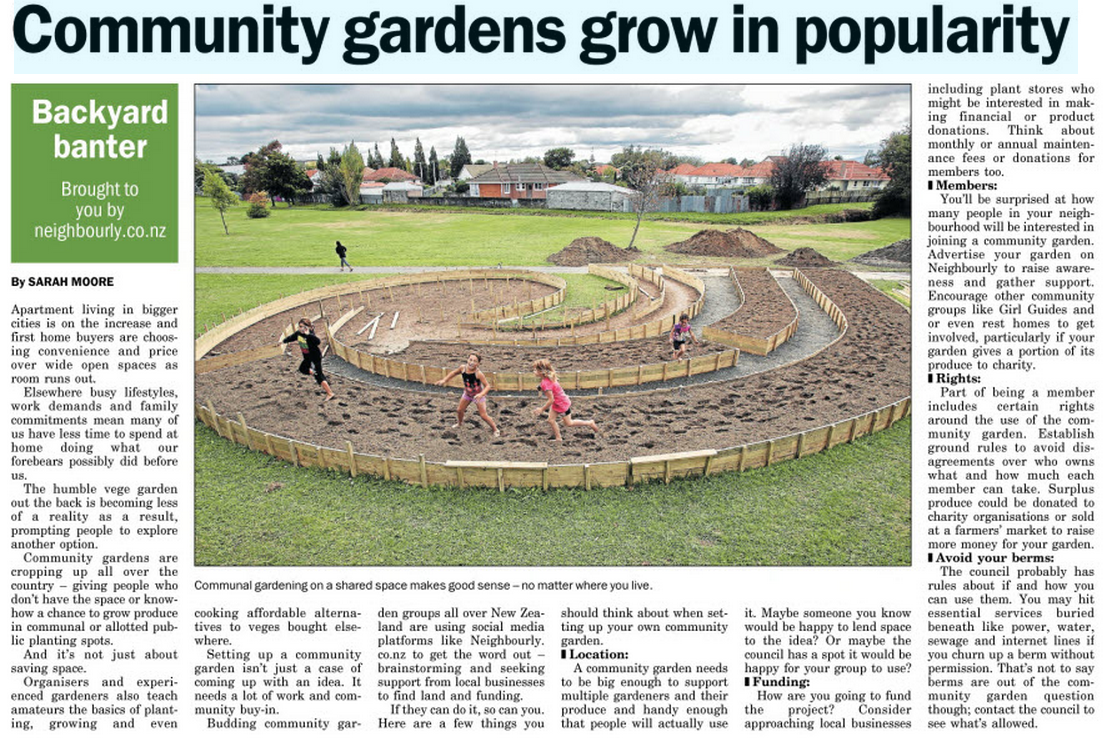
Community Gardens are Catching On for Kiwis ….
This article is from the local newspaper, the Rangitikei Mail, courtesy of neighbourly.co.nz
Community gardens are indeed catching on. If you missed it a couple of days ago I featured the Todmorden (UK) ‘experiment’ that revolutionized the town. (Pam Warhurst, How we Can Eat our Landscapes). It’s so inspiring and so worth the watch … & at the Garden page there are articles on the topic if you haven’t time to watch the TED video there (13 mins approx).
Anyway, back to this post which is an article on community gardens in NZ and how they are catching on for people wanting to grow their own food but lacking the space to do it.
Read the article HERE
Or HERE, click on it to enlarge …
“The will to live life differently can start in some of the most unusual places….”
“The will to live life differently can start in some of the most unusual places….”

From Pam Warhust in Todmorden. Here is one of the most amazing videos (13 mins) you’ll ever see if you have a love for transformation (and gardening). Like those TV programs featuring transformation of your home, your garden … anywhere … this ‘experiment’ can revolutionize the whole way townsfolk view gardening and its purpose in their surroundings. Representatives from the Todmorden project were invited to speak in Christchurch following the big 2011 earthquake to inspire their rebuild. Their system if you like, has spread around the world in fact … the TED video featured will show you just where. She and a group of volunteers … ‘we’re only volunteers and it’s just an experiment’ … sitting around the kitchen table dreamed up this scheme to grow edibles around their town. Skipping all the usual paperwork and permission seeking they just went ahead and ‘did it’ … they grew edibles all over the place … in front of the Health Center and the Police Station to name two. Amazingly, it all turned into a whole new tourist trade, inspiring growth in local small scale industries. People come from all over the world to see the Todmorden ‘experiment’ … ‘even’, says Pam, ‘when nothing much is growing’. I’ll be surprized if you don’t just love this video … it is inspirational and magic… watch on the Gardening page where there are also links to articles you can read on Todmorden, or at its source on YouTube. (Note, on the Gardening page it is halfway down the page and entitled … ‘Pam Warhurst: how we can eat our landscapes’). Enjoy.
A Vacant Lot In Wyoming Will Become One Of The World’s First Vertical Farms
 From the ZME Science website….by Mihai Andrei
Not something ‘necessary’ at this point in NZ with its wide open spaces, however, inspiring nevertheless for those high rise city dwellers who want to get started growing their own food. It is very do able.
“We’re replacing food that was being grown in Mexico or California and shipped in,” explains Penny. “We feel like the community’s really ready for a project like this. Everybody’s so much more aware of the need to reduce transportation, and people like to know their farmer and where food’s coming from.”
“Indeed, by growing your food directly in the city you save money (and reduce pollution) on transportation; you also save a lot of time and effort too….”
ALERT: Certified Organic Food Grown in U.S. Found Contaminated with Glyphosate Herbicide
This is alarming. Those who buy organic and/or grow their own food to avoid glyphosate are now encountering this. It demonstrates how widespread are the reaches of this poison called glyphosate.
EnvirowatchRangitikei
“Think you can avoid glyphosate by buying organic? Think again. A new investigation by Tropical Traditions reveals that many products in the organic grain market in the U.S. contain glyphosate residue at levels almost the same as conventional grains.
Brian Shilhavy
Health Impact News Editor
With over 80% of the U.S. food supply now reportedly contaminated with the herbicide glyphosate, many people are turning to USDA certified organic products to avoid this toxic chemical……”
Further links from the article on glyphosate:
Glyphosate Herbicide Causes Antibiotic Resistant Bacteria, Kidney Disease, and Infertility
Is Glyphosate Responsible for your Health Problems?
Common Weedkiller Used in Modern Agriculture Could be Main Factor in Gluten Intolerance
Gluten Intolerance and the Herbicide Glyphosate: A National Epidemic
MIT Researcher: Glyphosate Herbicide will Cause Half of All Children to Have Autism by 2025
Why Should We be Concerned about Glyphosate?
Glyphosate is in 80% of our food supply in the U.S., and some scientists believe it may well be the most toxic chemical ever approved for commercial use. Glyphosate is now linked to kidney disease, antibiotic resistant bacteria, inflammatory bowel disease, obesity, depression, ADHD, autism, Alzheimer’s disease, Parkinson’s disease, ALS, multiple sclerosis, cancer, cachexia, infertility, and developmental malformations. It destroys the microbiome of humans and plants, which is the root cause of many modern diseases.

You must be logged in to post a comment.