Tag Archives: survival

Wake up call! (Wally Richards)

Our heart felt sympathy to all those that have suffered from the adverse weather events of recent.

It is already past the time that we needed to future proof ourselves and homes against adverse events be it weather, earthquakes or volcanoes.

Comments I saw this week were; ‘Our Government giving away tax payer money to Paris climate aid fund $1.3 billion over next 4 years. Utter stupidity, spend this on nz Infrastructure and recovery.’

A comment from a South Island group was ‘11.5 million dollars from the government for storm relief is AN INSULT…. They gave much more to Ukraine…SHAME on THEM…’

I see ’12/08/2022 ­ Deputy Prime Minister Grant Robertson said New Zealand had provided more than $33m in direct funding towards supporting Ukraine.’

Its nice to help people in other countries but there is an old saying, ‘Charity begins at home’

The meaning is ‘You should take care of your family and other people who live close to you before helping people who are living further away or in another country.’

The extensive damage to commercial food crops should be a wake up call for all of us.

Unfortunately we see the same overseas that major food growing areas in places such as Australia and California have been severely affected by either droughts or flooding.

Combine this with what is happening in Ukraine/Russia with grain and fertiliser exports then you don’t need a crystal ball to see the millions of people world wide that already have food shortages and are starving which is only getting worse by the day.

Crop losses from Pukekohe and Hawkes Bay are going to impact us this coming winter.

Already we see fresh produce is several times more expensive than this time last year.

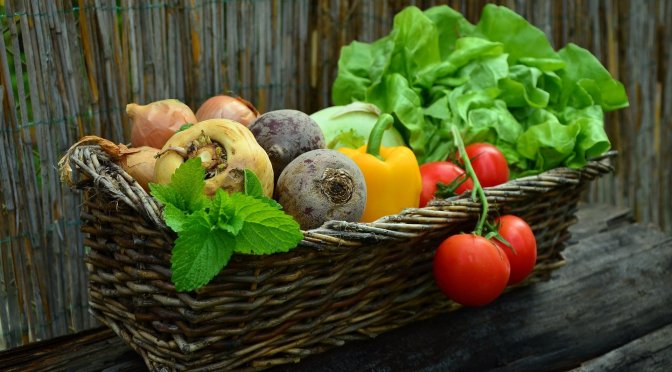
About $5.00 for a lettuce, $9.00 for a Cauliflower and $9.00 for a kilo of tomatoes.

People on a tight budget cant afford those prices which means their health will suffer.

It is February and still not too late to get a winter garden going for when prices of produce such as a cabbage may no longer be $5.00 but well over $10 a head.

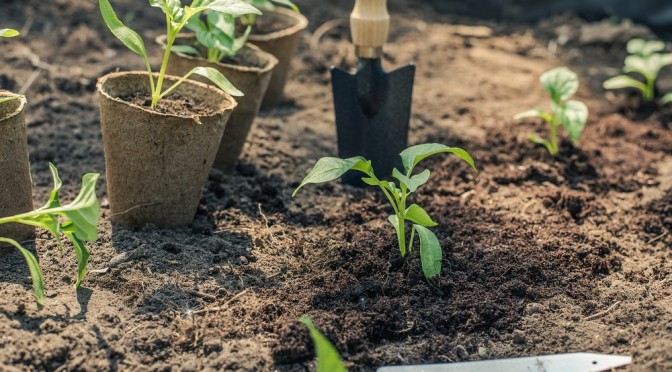
So time to reduce the size of your lawns, plant some vegetables into flower gardens, grab some containers and compost and get growing before it is too late.

If you want to convert a part of your lawn to vegetable growing then mow the chosen area (a sunny area is best by far) as short as possible (called scalping).

Around the lawn edge of this area dig a small trench about half a spade depth. The soil and grass from this trench can be stacked some where for future use.

The trench will assist with drainage and as a mowing strip between the vegetable garden and the existing lawn. Place the lawn clippings caught in the catcher over the scalped area. (Extra food for your vegetable crops).

Now cover the scalped lawn area that has the lawn clippings with a layer of cardboard or alternatively several layers of news paper. You can find cardboard from recycling places, super markets etc.

Sprinkle any animal manure you can get hold of or blood & bone with sheep manure pellets.

A sprinkling of Wallys BioPhos and Wally Ocean solids will complete the nutrient requirements.

Then over this place a layer of purchased compost which I prefer Daltons as it does not contain green waste and thus herbicide problems.

This layer need only be about 5cm thick just deep enough to plant seeds or seedlings in.

I suggest winter varieties of broccoli, cabbage, cauliflower, lettuce, leeks, silverbeet, spring onions and spinach plant now as seedlings.

Sow seeds of carrots, parsnips, celery, bok choi, kohlrabi, onions, radish, swede and broad beans.

Any of the above you don’t normally eat then don’t bother growing them or only grow a few to try them.

Ones that you eat a lot of, then plant a good number of them.

There is no point at this time of the year to grow for succession as later plantings will not fare well with shorter day light hours and are likely to go to seed in the spring.

There is one more product you need and that is Wallys Magic Botanic Liquid (MBL) which you will mix up with water and spray your seedlings weekly and your sown seeds before they are covered with compost.

When your seeds germinate spray their foliage also with MBL.

Your biggest decision will be how much lawn do you want to mow in the future as the bigger the area converted into growing vegetables will be invaluable to your wallet and health.

If you have a lot of lawn area then you could make a number of vegetable plots each about a meter wide with a strip of lawn in between each as a walk way.

One word of caution is try to keep your vegetable plots away from trees or larger shrubs as they will rob the nutrients from the beds. It will be ok for this season but likely not good for the next season.

For those with no lawns but having areas of concrete or cobbles then low raised gardens work a treat.

See Trade Tested for the likes of Raised Garden Bed 120cm x 120cm x 41cm Irons and only $89.00

I have several of these which are Strong and durable hot dip galvanised steel construction and just ordered another two. Forget using wood it is expensive.

Best place on a concrete pad if there are trees or shrubs around.

You fill them about half full of compost and the other goodies as explained previously.

When a crop is harvested then your apply more goodies and cover with fresh compost and plant again.

Money well spent on getting new or existing vegetable plants going will be a big saving when you are struggling to be able to buy supermarket produce.

The health benefits to you and your family are enormous.

The catch word these days is ‘Food Security’, having a good supply of fresh vegetables, the surplus frozen or pickled along with ample non perishable foods in store for a rainy day.

Phone 0800 466464
Garden Pages and News at www.gardenews.co.nz
Shar Pei pages at  www.sharpei.co.nz
Mail Order products at www.0800466464.co.nz


New Zealand Bill of Rights Act 1990. Part II of the Act covers a broad range of Civil and Political Rights. As part of the right to life and the security of the person, the Act guarantees everyone:

1The right not to be deprived of life except in accordance with fundamental justice (Section 8)

2The right not to be subjected to torture or to cruel, degrading, or disproportionately severe treatment or punishment (Section 9)

3The right not to be subjected to medical or scientific experimentation without consent (Section 10)

4The right to refuse to undergo any medical treatment (Section 11)

 Furthermore, the New Zealand Bill of Rights Act 1990 guarantees everyone: Freedom of Thought, Conscience, and Religion.
This includes the right to freedom of thought, conscience, religion, and belief,
INCLUDING THE RIGHT TO ADOPT AND HOLD OPINIONS WITHOUT INTERFERENCE (Section 1)

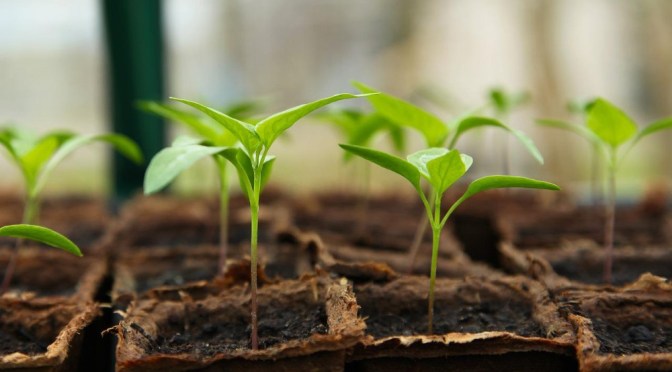
Photo: pixabay.com
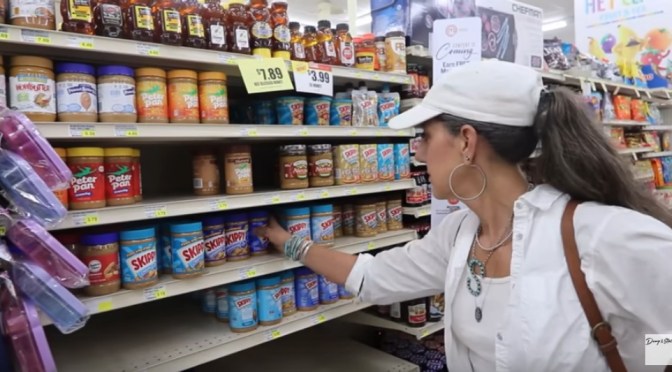
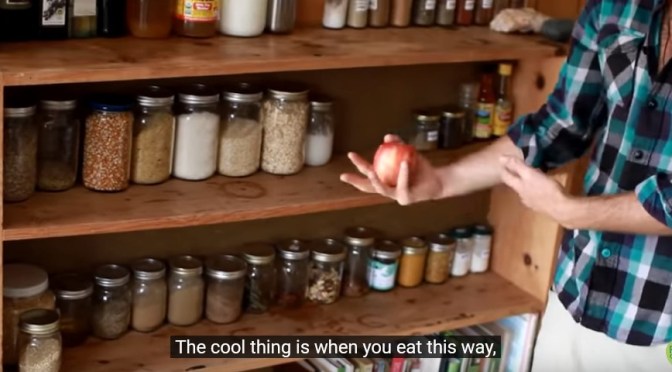
How to Prepare For a Food Shortage on a Budget

A YT channel I came upon recently … preparing for things most of us know are coming fast. I’ve watched two of these videos so far …. great advice, very practical and also healthy choices about what is added to or sprayed on your purchases. Worth a watch. Will post more of them going forwards … EWR


OFF GRID with DOUG & STACY

Today we take you to the store and show you how to prepare on a Budget Subscribe to OFF GRID with DOUG & STACY:
http://bit.ly/2nrYf24

About OFF GRID with DOUG and Stacy (from their channel)

“In 2010 we decided to sell everything and build a log cabin on 11 acres. We have lived in the log cabin for a decade now with no solar power or wind power plus zero public utilities. We live like the pioneers except in the 21st century. We post videos on social media to encourage people to return to the land and make a living with your family. We teach folks: *Off grid living *Rain water catchment *Cooking with wood *Food growing *Cooking from scratch *Raised bed gardening *Food harvesting *fermenting the harvest *food preservation *Holistic Remedies like Grandma made *How to make money and live this life *storing food in a root cellar *DIY Build projects *Animal Husbandry *Raising Chickens, Guinea, Turkeys and Ducks All of our videos are made to empower you to break free and LIVE YOUR BEST LIFE! “

WATCH AT THIS LINK

Photo: video screenshot

How to Grow an Indoor Survival Garden

Growing my own fresh fruits and vegetables is one of my favorite pastimes. I love to harvest the sweet bounty of my labors. Sometimes growing your own food is a requirement for survival and not just a pleasant hobby.

Can I grow food inside of my home? Tomatoes, cucumbers, peppers, herbs, lettuce, and greens can all be grown inside of your home with a little bit of knowledge, the right supplies, and some tender loving care.

My adventure in growing food indoors began this year when the pandemic hit, and I realized that I needed to up my game when it came to growing our own food. I am not new to the home production scene, but suddenly I was driven to make it more than a hobby.

READ MORE

https://theprovidentprepper.org/how-to-grow-an-indoor-survival-garden/?fbclid=IwAR29wk52Y_YQX_1HxdgF0RGPJrEQRuiYbQN91c18iWBtTdioHAOgolpx45s

Photo: jag2020 @ pixabay.com

How To Live Off The Grid: 8 Things You Need Now

Not NZ but a starting point for you … look for Facebook or other social media for off-grid groups. Folk are doing this right now. EWR

From offgridworld.com

So, you want to know how to live off the grid. It’s simple really. Move to the woods, build a cabin, throw on some solar panels and wind turbine for power, and drill a well. Then start raising chickens, cows, and pigs, and sit on your front porch while sipping coffee and staring out at the beautiful natural wilderness around you. Easy, right? Not really.

READ MORE

https://offgridworld.com/how-to-live-off-the-grid-8-things-you-need-now/

How to Grow Your Own Food

Growing your own is not only for survivalists, it’s for anyone that wants to save some money at the grocery store! There are also other benefits to growing your own food such as knowing what going into the soil, you get more food for your money, and you can feel good about yourself because you helped something grow. Even if you don’t know the first thing about growing your own food, we have a basic list below to help you get started.

Decide what to grow

The first step in this process is to decide what you want to grow. You may love to get lettuce from the grocery, but it may be worth considering trying to grow your own instead.

READ MORE

https://survivallife.com/how-to-grow-your-own-food/

Image by congerdesign from Pixabay

17 Simple Tips for Living More Sustainably in a City Apartment

WATCH AT THE LINK:

https://www.youtube.com/watch?v=M0rDahrsHBQ

Rob Greenfield 366K subscribers Want to see what my life was like 3 years ago when I still lived in a “normal apartment?” I think many of you may find this more relatable and achievable than living in a tiny house or with just 111 possessions so I’m really excited to share this with you! This video was filmed May 2014 and the filmmaker never followed through to produce anything. It’s 3 years later and I finally had someone put the footage together. I hope it provides you some inspiration for simple and sustainable living in home in your apartment or house! For more tips on sustainable living at home check out these resources: My House Guide to Sustainable, Simple, and Healthy Living: https://www.RobGreenfield.org/Sustain… My Sustainable Living Series from my bike ride across the USA: https://www.RobGreenfield.org/Sustain… Thank you to F1LM (www.F1LM.org) for editing this video! — Rob Greenfield is an activist and humanitarian dedicated to leading the way to a more sustainable and just world. He embarks on extreme projects to bring attention to important global issues and inspire positive change. 100% of his media income is donated to grassroots nonprofits. His YouTube channel is a source to educate, inspire and help others to live more sustainable, equal and just lives. Videos frequently cover sustainable living, simple living, growing your own food, gardening, self-sufficiency, minimalism, off the grid living, zero waste, living in a tiny house and permaculture. Find Rob Greenfield on: Website: https://www.RobGreenfield.org Instagram: https://www.instagram.com/RobJGreenfield @RobJGreenfield Facebook: https://www.facebook.com/RobGreenfield YouTube: https://www.youtube.com/RobGreenfield Twitter: https://twitter.com/RobJGreenfield @RobJGreenfield — Help us caption & translate this video! http://amara.org/v/5lvl/

“Growing your own food is like printing your own money”

Growing your own food is like printing your own money”…Ron Finley

I touched on this topic recently. We’ve been hearing about shortages for ages now (check out the Ice Age Farmer at the link) & remember Bill Gates & Co want you eating their GM fake excuse for food so they can control your supply. Just do what we used to do before the supermarkets showed up. We purchased a few items from the local store & the rest we grew. We all had veggie gardens & fruit trees. Then there were the chooks and their eggs. It’s all very achievable. Our forbears did it. So can we. Check out our gardening page with many videos there for ideas. Search Youtube … it’s a veritable treasure trove of good ideas from growing in your apartment to tubs to back yards if you have one. Food didn’t always come from a grocery store. If you are a Kiwi (or even not) sign up to Wally Richards’ site & get his monthly newsletter. He’s a mine of Kiwi do-it-yourself experience & you can even phone him with your questions.

Phone 0800 466464
Garden Pages and News at www.gardenews.co.nz
Shar Pei pages at  www.sharpei.co.nz
Mail Order products at www.0800466464.co.nz

EWR

Our page, ‘Grow Your Own’:

https://envirowatchrangitikei.wordpress.com/grow-your-own/

Image by EM80 from Pixabay

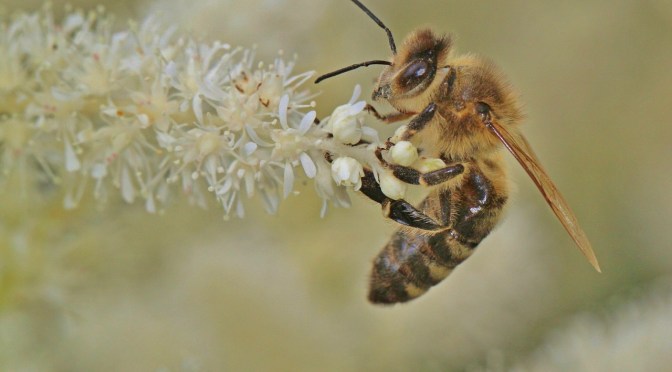
France Becomes The First Country To Ban All Five Pesticides Linked To Bee Deaths

From herbs-info.com

In May 2018 the EU banned three of the significant pesticides implicated in the collapse of bee populations. Clothianidin, imidacloprid and thiamethoxam are now prohibited for use on crops.

However France has gone a step further and set the high bar in the effort to save the bees. Given the importance of pollinators to nature and the survival of the biosphere, this could not happen too soon!

Studies have reported that the neonicotinoid pesticides attack the central nervous system of insects, leading to loss of memory and homing skills, in addition to reduced fertility. Bees that cannot find their way back to the hive quickly die. However the pesticides have also been shown to affect butterflies, birds and other pollinating insects.

There is a reason why France is ahead of the field in this regard: The “bee killing” pesticides were tested first on French fields in the 1990’s – and the French farmers witnessed first-hand the catastrophic effects that occurred in 1994; describing “a carpet of dead bees”. 400,000 bee colonies died within days – yet the story was buried under a layer of corruption and distorted science.

Since that time, activists and manufacturers have battled to control the situation. We covered this story in full in a previous post: Overwhelming Evidence Linking Neonicotinoid Insecticides To Massive Die-off Of Bees And Songbirds

The new move is certain to be celebrated by ecologists and sets an example of protection of nature that the rest of the world needs to follow.

SOURCE:

http://www.herbs-info.com/blog/france-becomes-the-first-country-to-ban-all-five-pesticides-linked-to-bee-deaths/?fbclid=IwAR1-iCNXiAAfp1GEE0sbmb8_eSYpesnz_MHcnCbv1lS1SBDZW-4sUwrTWjA

Survival gardening : growing your own nutrient dense food

From prepforthat.com

If you read a lot of survival articles online, you’ve probably wondered, “what is  survival gardening and how is it different from regular gardening?”

Survival gardening is a skill that allows you to grow your own food in the event of a short-term or long-term catastrophe.

It’s gardening, but gardening focused on growing plants without modern infrastructure. You have to realize, your neighbor that grows a garden probably uses modern methods and they probably grow plants that aren’t intended to fuel their survival.

A survival garden focuses on caloric density, nutrition, and seasonal implications.

READ MORE:

https://prepforthat.com/survival-gardening-an-ultimate-guide-to-growing-survival-garden-plants/