Tag Archives: soil_health

MYCORRCIN: GETTING A FAR BETTER GARDEN (Wally Richards)

I was asked a very interesting question a while back which went like this, ‘How come my parents and grandparents had such bountiful gardens?

Everything thrived and I never saw any great problems with pests and diseases, but on the other hand I have to use fertilisers and sprays just to maintain a mediocre garden. What’s gone wrong?

Well the answer as I see it was the difference in gardening, in days gone by people did not buy fertilisers and plant foods, instead they made their own compost and most people had their own chickens that were given all the kitchen scraps.

This was recycled into manure by the chickens and when the runs were mucked out this goodness went into the compost or directly into the soil.

The micro-organisms and beneficial fungi in the soil would be found in abundance along with lots of worms of course.

Then people started using chemical fertilisers and these destroy the beneficial soil life.

Also watering your gardens with chlorinated water kills the soil life and gets rid of the worms.

This means plants don’t feed as well, valuable nutrients are lost as there is not the metabolisms there to make them soluble for the plants.

The plants are not so healthy and they then get attacked by pests and diseases.

The answer is to reverse the spiral and there is a product called Wallys Mycorrcin which does the following; an organic product which promotes beneficial microbes to assist in the composting of organic matter into humus.

It stimulates Mycorrhizal fungi which act as an extension to the plant’s roots assisting in the collection of nutrients and moisture.

Mycorrhizal fungi can increase the root zone of a plant by up to 800% collecting nutrients and moisture.

Mycorrhizal fungi collects and delivers to the roots of plants which the plant thanks by giving back some carbohydrates.

A perfect relationship in a happy healthy garden.

Mycorrcin Improves calcium uptake, stimulates the growth of feeder roots and microbes responsible for mineralization.

Improving Calcium availability and uptake.

Inhibits soil pathogens, containing defense proteins such as bacteriocin like substances which inhibit soil pathogens.

Promotes balanced growth of both roots and canopy.

Aids plants in increased growth rates, heavier crop yields, warms soil, reduces disease problems, revitalizes soils and microbe activity that have become poorly due to chemical fertilisers and sprays.

A must for preferred plants such as roses, annuals, vegetables, fruit and lawns as well as other ornamentals.

Soil drench applied before planting, 1ml per litre of water of non chlorinated water over a sq.M.

Sprayed at 5ml per litre over existing plants and on the soil around the plant. (Ideally every 14 days) Available in a 250 ml, 500ml bottle and 1 litre containers.

Ideal to add to Magic Botanic Liquid to spray regularly over preferred plants and food crops.

By using Wallys Mycorrcin we stimulate the beneficial organisms and they convert the available food into soluble forms for the plants.

You use less food and get better results.

Here are a few examples, root mass of a grape vine cutting 800% bigger than the control plant from just dipping in Mycorrcin for a few minuets before planting.

Roses that were treated during the summer were in full bloom with lots of new buds, lush healthy foliage, no sign of disease and for the first time ever fragrance from the flowers was noticed.

Other roses on the same property, in a better location, were not treated and at the time of this report, end of March (Auckland) these ones had finished flowering and looked a mess from black spot.

The manufacturer of Mycorrcin took his wife to see a planting of 18 month old olive trees in a trial area that were treated with the product.

The wife told her husband off, because their 10 year old olive tree at home was not a patch on these big healthy trial plants.

You can increase the yield of your strawberry plants by 200 to 400 plus percent with a weekly spray of Mycorrcin..

Do you want a really terrific garden? The answer lays in the soil and Mycorrcin.

Use on your container plants too because they will really benefit from it.

If you have fallen leaves rake them up and spread them over the soil in bare gardens or under trees and shrubs and spray them with Mycorrcin, it breaks them down in about 4 months.

Use in the compost heap for better compost, faster.

This product is going to help change your garden into a great garden and save you money in sprays and fertilisers.

Phone 0800 466464
Garden Pages and News at www.gardenews.co.nz
Shar Pei pages at  www.sharpei.co.nz
Mail Order products at www.0800466464.co.nz

New Zealand Bill of Rights Act 1990. Part II of the Act covers a broad range of Civil and Political Rights. As part of the right to life and the security of the person, the Act guarantees everyone:

1The right not to be deprived of life except in accordance with fundamental justice (Section 8)

2The right not to be subjected to torture or to cruel, degrading, or disproportionately severe treatment or punishment (Section 9)

3The right not to be subjected to medical or scientific experimentation without consent (Section 10)

4The right to refuse to undergo any medical treatment (Section 11)

 Furthermore, the New Zealand Bill of Rights Act 1990 guarantees everyone: Freedom of Thought, Conscience, and Religion.
This includes the right to freedom of thought, conscience, religion, and belief,
INCLUDING THE RIGHT TO ADOPT AND HOLD OPINIONS WITHOUT INTERFERENCE (Section 1)


GROWING WOES IN THE GARDEN (Wally Richards

Comment: Note, those that wield the weather weaponry, that also are paying farmers world wide to plow in their crops … would not want the herd to be successfully growing their own food. Saving the planet? I don’t think so …I received recently a fruit and veg update from one of the local supermarkets (who incidentally are on the pig’s back so to speak with the plandemic and lockdowns – recording ‘excess profits’). Here’s an excerpt:

Kia ora,

A couple of weeks ago, we got in touch to let you know what was happening on our growers’ farms, orchards and paddocks, and what that means for you. As we all gear up for holiday shopping, we thought we’d share another update on how we’re working directly with Kiwi growers to get the very best fresh fruit and veg into our stores.

A rainy December: 

With rainy weather and limited sunshine across the country, particularly in the upper North Island, many of our local growers are facing challenges with crops ripening up, and with getting the right conditions for harvesting. 

We have direct relationships with our growers, and we’re talking to them every day to help find solutions to these challenges. But you might notice supply looking a little lighter in your local Countdown. Thanks in advance for your understanding.  

It goes on with other dismal statements and predictions … watch this space.

EWR


Here is Wally’s article anyway … and do keep gardening with that Kiwi can-do attitude! Same applies to anywhere on the planet of course 🙂

For most of the country it was a dismal spring and now we are into the first month of summer things have not improved much. Weather and conditions do vary across New Zealand depending on your region and even your own property if you have a micro-climate, but overall there is thread of similar.

I spoke this week to an agriculture/farm supplier representative and he said that growers and farmers were complaining about growth of plants and pasture. So lets look at the facts, we are only about 10 days away from the longest day which means we are hitting 16 plus hours of day light which should mean maximum growth of plants with blue skies.

But we are not getting nice blue skies, lots of cloudy or overcast days and a fair bit of rain as well.

Temperatures for this time of the year are not great either and not our more normal warm temperatures day and night.

So lack of direct sun light and fluctuating temperatures do not bode well for plant growth.

Wet feet and lower soil temperatures is another plant growth factor.

Plants need adequate moisture, adequate nutrition, suitable temperatures, long hours of direct sunlight and CO2 to grow.

Currently the planet’s CO2 levels are about 416 ppm.

You may not be aware of this but some commercial growers have in their glasshouses CO2 generators to increase the growth of their crops.

Most experts agree that 1,500 ppm is the maximum CO2 level for maximum plant growth, although any CO2 level between 1,000ppm and 1,500ppm will be very good. So a low amount of 416ppm is only half of what gives good growth.

Here is an interesting fact…The amount of CO2 in the atmosphere was reduced by about 90% during the last 150 million years. If this trend continues CO2 will inevitably fall to levels that threaten the survival of plants, which require a minimum of 150 ppm to survive.

Does that ring any bells?

Half of the world’s oxygen is produced via phytoplankton photosynthesis. The other half is produced via photosynthesis on land by trees, shrubs, grasses, and other plants.

You know the old saying? ‘Breath out and make a plant happy’

I am surprised at the slow growth of vegetable plants in my gardens at this time of the year.

In my glasshouses growth is better as they offer better protection from the environment so tomatoes are doing great, cucumbers and good but chili plants are slow.

Chili love hot temperatures to really grow well.

Seeds sown in raised gardens are slow to germinate or rot out because of lower soil temperatures.

Outside seedlings of lettuce, carrots and pak choy are slow and that is how it is in my part of Marton.

Home gardeners will keep on growing their plants no matter what the conditions are like and do what we can to improve the results.

I would suggest a weekly spray of molasses and Magic Botanic Liquid (MBL) to help improve vegetable growth. About a table spoon of molasses dissolved in a litre of hot water then 10mils of MBL added.

Give a small side dressing of Wallys BioPhos once a month.

If you have access to manure make up a compost tea by placing any animal manures into a plastic rubbish tin and filling two thirds full with non-chlorinated water.

Place about 50mils of Bio Magnus Fish fertiliser into the brew (This has live beneficial microbes which will increase their populations in the brew) You can further increase their population growth by adding Mycorrcin or molasses to the brew.

Stir and airate regularly, get a paddle to stir and a jug to fill and lift up high over the barrel then pour contents back into the brew. This gets oxygen into the brew.

Every so often take out some of the brew and water into the soil by where your plants are growing.

Add more manure and other components with more non-chlorinated water and you have a neat home made fertiliser for your crops.

Here is a interesting thing to do, take a plastic 2 litre cordial bottle, half fill with non chlorinated water, add to this about 10mil of Bio Magnus Fish fertiliser and a teaspoon of molasses, place cap on and give contents a shake.

Place outside some where in sun light and check often.

The populations of microbes will rapidly grow and the bottle will balloon and if left will explode when the plastic fractures.

When the bottle has expanded a bit then release pressure by removing cap.

Pour contents of bottle into your gardens for great benefit to the plants.

You as a home gardener can do things to help increase the growth of your crops which is not available for commercial growers to do.

Their answer is to apply dressings of nitrogen to the soil to force growth which is a problem for them currently as Nitrogen fertilisers are in short supply and what is available is much more expensive than normal.

So if you think $10 a cabbage is bad worry about it more when its $20 or $30.

There is currently a world shortage of food which as the months go by appears to be getting worse.

I have read calls for people overseas that have lawns to dig them up and plant vegetables.

Of course in many places and even here in NZ having a lawn is not a thing when the sections are small and the house takes most of the land you own anyway.

Woe is the loss of the good old quarter acre section which with a few chickens you could supply about 50% plus of your food chain for a small family.

Even though currently the growing conditions are not as good as normal for this time of the year at least they are better than they will be in a few months time.

For those that have room now is the time to start planting winter crops of brassicas, cabbage etc, if you like leeks they should already be in.

About every 2-3 weeks plant another small planting of the crops such as two or three of each so you have succession to harvest in winter.

If you are looking for a gift for Christmas then a copy of my Down to Earth Gardening Guide or my Glasshouse Gardening for New Zealand might be an idea.

I will autograph and place a message with the persons name/names in the book.

A gardener recently during a phone conversation told me of an old Chinese Saying:

To be happy for one day, Get Drunk.

To be happy for one week, Get Married.

To be happy for life, Get a Garden.

Phone 0800 466464
Garden Pages and News at www.gardenews.co.nz
Shar Pei pages at  www.sharpei.co.nz
Mail Order products at www.0800466464.co.nz


New Zealand Bill of Rights Act 1990. Part II of the Act covers a broad range of Civil and Political Rights. As part of the right to life and the security of the person, the Act guarantees everyone:

1The right not to be deprived of life except in accordance with fundamental justice (Section 8)

2The right not to be subjected to torture or to cruel, degrading, or disproportionately severe treatment or punishment (Section 9)

3The right not to be subjected to medical or scientific experimentation without consent (Section 10)

4The right to refuse to undergo any medical treatment (Section 11)

 Furthermore, the New Zealand Bill of Rights Act 1990 guarantees everyone: Freedom of Thought, Conscience, and Religion.
This includes the right to freedom of thought, conscience, religion, and belief,
INCLUDING THE RIGHT TO ADOPT AND HOLD OPINIONS WITHOUT INTERFERENCE (Section 1)
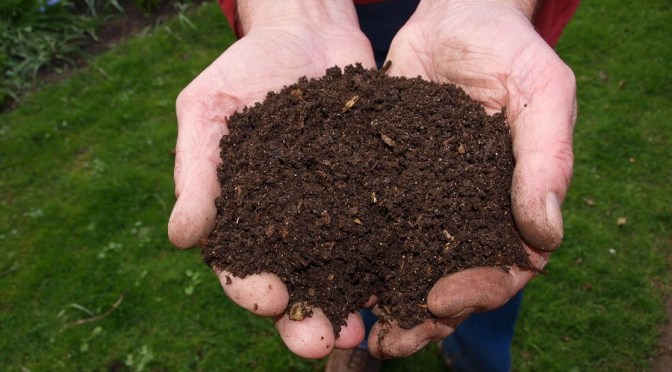
Image by Eszter Miller from Pixabay

December Gardening (Wally Richards)

This week I received two emails which maybe of interest to some gardeners. The first was from a gardening couple, which read:

Hi Wally, Your advice and weekly email’s worked great. I got first in the Veggie Section and my wife won in the Rose categories. Jerry.

What can I say? If you use natural products that enhance the soil, giving the plants all the possible minerals that they may need to be healthy and stop using chemicals that are harmful to both soil, plants and yourself.

Over the years I have received a few similar stories about how gardeners have turned their gardens into award winners by simply observing and using the above information.

The second email is of concern this time of the year and it read;

Hi Wally, I have a problem with a brown beetle infestation. I was finding the leaves of my newly planted plum trees and almond tree were getting stripped bare almost. I wasn’t sure what it was but think the culprit is this brown beetle.

I have since found hundreds (literally) in one of my raised beds and quite a few wherever I have placed the garden mix I bought a month ago.

Is there something I can do to get rid of these beasties? They are now attacking my raspberry plants and feijoa trees. Because they are in the soil – and potentially quite deep (some of them were 20cm deep) – I’m not sure how to fight them. Please help!

The writer sent me an amazing photograph which shows hundreds of these brown beetles drowning in a container of water, along with photos of her plants badly damaged.

The beetle is the Grass Grub beetle and this is the time of the year that they emerge from pupating deep in the soil to feast on the foliage of a number of plants, mate and lay eggs back in lawns for future generations.

In my first book, Wally’s Down to Earth Gardening Guide, I suggest a trap to aid control of these pests.

Here is an extract from the book:

‘Grass grub adults emerge in October, and are active until about mid-December, depending on weather conditions and exactly where they are in New Zealand. The cooler the temperature, the later they emerge.

The adults will start to emerge in mild conditions, when the soil temperature reaches about 10 degrees they then mate, fly, eat and lay eggs in the short space of time between dusk and early evening.

As they tend to fly towards light, you are most likely to know they’re there when the flying beetles hit your lighted window panes.

This very attraction for the light has become one of our best weapons in controlling the pest in its adult stage. You can set up a grass grub beetle trap by placing a trough, such as the one used when wall-papering, directly underneath a window near a grassed area.

Fill the trough with water to about two-thirds of its capacity, then place a film of kerosene on top of the water. Put a bright light in the window, the beetles fly towards the lit window, hit the glass and fall into the trough.

The kerosene acts as a trap, preventing the fallen beetles from climbing out.

You can extend this method to areas away from the house by using a glass tank, such as might be used for an aquarium.

Place the empty tank into a tray containing several inches of water (and the kerosene), and position a light inside the glass tank.

By adding a sheet of ply or something similar over the top of the tank, you will ensure that the light shines only through the sides of the tank above the waiting water and kerosene.

It is better to use a dome-shaped battery-powered light rather than an ordinary torch for this job as the bigger light makes the trap more effective.

If the tray and tank are raised off the ground and placed on something like a table, you will get an even better result.

However you set up your beetle trap, this is a very good method to dispose of the pests. Simply get rid of all the beetles caught the next morning.

Run this system (call it Wally’s Grass Grub Beetle Catcher, if you like) from just before dusk to about 2 or 3 hours after sunset.’

Spraying the plants that are been attacked with Wallys Super Neem Tree Oil will help to also control the populations.

This should be done late in the day after the sun is off the plants. When a beetle chews on a leaf they get some Neem into their gut and that shuts off their ability to eat.

Problem arises, if there are hundreds of beetles then there needs to be hundreds of bites.

With the likelihood of more beetles emerging every day it is an on going battle over the next month or two.

Another way is to go outside just after dark with a torch and check your plants for beetles.

If you see a good number on any plant then a spray at that time with Wallys Super Neem Tree Oil and Wallys Super Pyrethrum added, sprayed to hit the beetles rather than the plant itself.

Another very good natural spray to use late in the day is a solution of Wallys 3 in 1 for Lawns.

This is a combination of Eucalyptus oil and Tea Tree oil, nice to use and deadly on pests.

If you repeat your nightly spraying and use a light trap also, then you will make a big dent in the grass grub beetle populations and thus suffer less damage to your plants and lawns.

The season is still poor weather wise which helps keep insect populations lower than normal but care should be taken with your potatoes and tomatoes by placing Neem Tree Granules on the soil in the root zone and spraying the plants occasionally with Wallys Super Neem tree Oil.

Visit your local garden center to obtain some good ideas for Xmas Presents.

Phone 0800 466464
Garden Pages and News at www.gardenews.co.nz
Shar Pei pages at  www.sharpei.co.nz
Mail Order products at www.0800466464.co.nz


New Zealand Bill of Rights Act 1990. Part II of the Act covers a broad range of Civil and Political Rights. As part of the right to life and the security of the person, the Act guarantees everyone:

1 The right not to be deprived of life except in accordance with fundamental justice (Section 8)

2 The right not to be subjected to torture or to cruel, degrading, or disproportionately severe treatment or punishment (Section 9)

3 The right not to be subjected to medical or scientific experimentation without consent (Section 10)

4 The right to refuse to undergo any medical treatment (Section 11)

 Furthermore, the New Zealand Bill of Rights Act 1990 guarantees everyone: Freedom of Thought, Conscience, and Religion.
This includes the right to freedom of thought, conscience, religion, and belief,
INCLUDING THE RIGHT TO ADOPT AND HOLD OPINIONS WITHOUT INTERFERENCE (Section 1)

Your Plants’ Natural Immunity (Wally Richards)

Plants, just like ourselves, have built in protection against diseases though their immunity systems.

We build up our immunity naturally over the years by surviving disease attacks and by having a healthy nutritionally rich diet.

That is not to say that we are immune to disease attacks but under normal situations we can fend off most health problems when we have very good health.

If we get into stress then our metabolism does not have the same stamina and we catch a cold or worse.

It is said the leading cause of heart disease and cancer is stress. I think its the stress that is the straw that breaks the camels back, after unhealthy living and insufficient nutrient rich food.

The same applies to plants, place them into stress and they will more likely catch a disease.

I have written a lot in the past on how to build the health of plants by building the health of the soil; having soil that is rich in humus, minerals, earth worms and soil life.

Even when we have the best soil on earth, plants can still catch a cold when they are placed into stress and our current spring weather is very stressful to our plants and to us keen gardeners.

Chilly winds, too wet, too dry, only the occasional nice day does not make for great gardening and our plants don’t do so well either.

We can however increase the immune systems of plants by a few monthly sprays of Perkfection Supa for roses and other plants.

The active ingredient of Perkfection is ‘Phosphite ion’ or Phosphonic Acid. (Potassium ions are also present).

Perkfection is very safe to handle and spray and when used on food crops there is no withholding period other than your normal washing of produce before eating.

Perkfection is used extensively by commercial growers of produce and fruit as its safe, effective, in prevention and control while not restrictive on exports of produce.

We have suggested Perkfection Supa for Roses and Other Plants as an alternative to more toxic sprays, for the assistance in recovery from/or prevention of, the following problems:

 Black spot, Downy Mildew, Phytophthora Root rot, botrytis, Canker, heart rot, damping off, crown rot, leaf blight, silver leaf, late blight, collar rot, pink rot, brown rot, Armillaria, and gummy stem rot.

Now that’s a big list of common plant diseases which means that many of your disease related problems can be overcome with applications of this product.

Besides using Perkfection over your roses for the likes of Black spot and Downy mildew you can also use it as a spray over all your fruiting plants and trees including your strawberries.

It can be used also over your potatoes, tomatoes, lettuce, beans, cubits (cucumbers etc) lawns, onions, passion fruit, Cauliflowers, cybidium orchids and ornamental plants and vines.. In fact there is no where you cannot use Perkfection to advantage.

Being ‘Synthetic Organic Phosphates’ what you are doing, is placing this valuable material, onto the foliage of your plants, where it is very readily absorbed and transferred through the whole of the plant.

This fortifies the plant’s cells, increases the plant’s immune system and makes your plants less susceptible to invading pathogens.

There is however a down side, as with any good thing, you can use too much and the recommendation is to use Perkfection at 4 ml per litre of spray once a month for about 6 times in a season.

(Note a season is the normal period of time for that crop or plant. Roses are from Spring till Autumn. Most annuals 5-6 months.)

The reason is that, you can over load your plant with organic phosphates causing a clogging of the cells and halting growth until the system clears.

If a plant has a problem spray the first month with Perkfection at 7 mls per litre.

For plants you wish to fortify use at 4ml per litre for 2 to 3 months.

Prevention is better than cure and by spraying your plants in the spring you give the greatest protection to leaves and fruit, autumn spray will give greatest protection to roots and tubers.

I have suggested that on the 1st of the month to spray your roses and other preferred plants with Perkfection, MBL (Magic Botanic Liquid) and Mycorrcin. Then 14 days later (15th) spray with Mycorrcin and MBL.

What we are doing is boosting the plant’s immune system, supplying a large range of minerals and elements, feeding the beneficial microbes to increase their populations which also work to eliminate diseases.

If insects problems occur then include Wallys Super Pyrethrum as it is a quick knock down control.

Phone 0800 466464
Garden Pages and News at www.gardenews.co.nz
Shar Pei pages at  www.sharpei.co.nz
Mail Order products at www.0800466464.co.nz

New Zealand Bill of Rights Act 1990. Part II of the Act covers a broad range of Civil and Political Rights. As part of the right to life and the security of the person, the Act guarantees everyone:

1The right not to be deprived of life except in accordance with fundamental justice (Section 8)

2The right not to be subjected to torture or to cruel, degrading, or disproportionately severe treatment or punishment (Section 9)

3The right not to be subjected to medical or scientific experimentation without consent (Section 10)

4The right to refuse to undergo any medical treatment (Section 11)

 Furthermore, the New Zealand Bill of Rights Act 1990 guarantees everyone: Freedom of Thought, Conscience, and Religion.
This includes the right to freedom of thought, conscience, religion, and belief,
INCLUDING THE RIGHT TO ADOPT AND HOLD OPINIONS WITHOUT INTERFERENCE (Section 1)

September gardening in NZ (Wally Richards)

There are plenty of chores to attend to at this time of the year as the day light hours increase and plants emerging from their winter rest.

Hardy plants will be showing very good growth now including the plants you do not want commonly referred to as weeds.

Unwanted plants are very valuable if you make use of them and treat them as a fodder crop.

Smaller unwanted plants should be cut off just below soil level with a sharp carving knife or sharp Dutch Hoe.

This removes the root system from the foliage leaving the roots to rot off in the soil providing a rich source of food for the soil life.

The foliage falls onto the bare soil where it is quickly broken down by the soil life providing them with more substance to nurture your preferred plants.

Taller weeds can be cut down with a weed eater such as using the Pivotrim Pro attachment which are available from Mitre10 Mega stores.

(This are far superior to using the roll of weed eater plastic tape which I always found a problem using.)

After cutting down the weeds with the above you can leave the stubble unless you want to clear the ground which means cutting off the weeds below soil level with a sharp carving knife.

Real tough root systems I have used a box cutter on which makes the job a breeze as long as you are careful not to cut yourself.

These methods of weeding enhances your soil or growing medium where chemical herbicides greatly harm the soil life and your plants suffer.

If you have waste areas or cobbles/cracks where weeds flourish then sprinkle salt over the area and lightly water. The weeds are killed and stay weed free for a time.

Another safe to use is mixing Ammonium sulphamate at 200 grams per litre of water and spraying on a sunny day when the soil is on the dry side. Give those conditions weeds are likely to be dead within an hour or two.

Spring temperatures and moisture brings out diseases to attack your plants so sprays of potassium permanganate (Condys Crystals at a quarter teaspoon to a litre of water)

with Raingard added sprayed onto the soil and plants controls a wide range of diseases and fungi nicely.

Note it will stain things like your house & fences if you are not careful, but will wash off over time.

An interesting bit of information you can purify drinking water of harmful bacteria by placing 3 or 4 grains into a litre of water, agitate to make water a light pink and leave for 24 hours before drinking.

Using this method means a large quantity of water can be treated saving the need to boil.

Spray the above potassium permanganate adding Wallys Liquid Copper for protection of curly leaf on stone fruit about every week till disease time is past.

Spray also your roses and other deciduous trees and plants to protect the new spring growth from diseases.

Sprinkle Wallys Neem Tree Granules under your apple trees, roses and citrus trees to reduce pest insect problems.

Use the Cell Strengthening products we wrote about a few weeks ago to strengthen your tomato plants, potatoes and tamarillo so the dreaded psyllid nymphs cant feed and ruin your crops.

If you have concerns about build up of diseases in your soil where you grow tomatoes year after year such as it your glasshouse then treat the soil with Terracin and 3 weeks later with Mycorrcin.

Ensure you store the unused bottle contents in a cool situation out of sunlight as it has live beneficial bacteria which would die if exposed to too much heat such as in a hot shed.

If you do not have any plants in your glasshouse so far, then you can burn sulphur powder inside the house to fumigate it of insect pests that maybe hiding away.

Wet times allows slimes to grow on paths which can be dangerous to walk on causing one to slip and fall. Spray with Wallys Moss & Liverwort Control to kill the slime.

Also ideal to use for moss in lawns and liverwort growing all over the place. To obtain best results adjust the nozzle of the sprayer so it is a bit of a jet which forces the product into the target area.

Does not harm plants if they are sprayed at the same time.

Start spraying strawberry plants 2 weekly with Mycorrcin which will increase your harvests by 200 to 400 %. They will fruit earlier, more fruit, larger berries and a longer cropping season.

Dont forget to also use Wallys Secret Strawberry Food for bigger strawberries.

When planting seedlings place a little Wallys Unlocking Your Soil into the planting along with a little Neem Powder to give your seedlings a good start and some protection from pests.

I favor crop cover (also so sold as Bug Mesh), which is 4 metres wide. By using wire or piping to form hoops place the cover over the hoops to give protection to the young plants or seeds from weather, pests, cats and birds.

Great stuff and reusable season after season.

If you want great gardens this season then use only natural products that will not harm the soil life and earth worms.

This includes putting a 10 micron carbon bonded filter/housing onto your water tap if you have chlorine in your water supply.

I have received many reports from gardeners about how their gardens have greatly improved in health after removing the chlorine from the water they use on the gardens.

It is just common sense, a chemical poison that is added to water to kill microbes is going to do the same to the beneficial microbes in your soil and effect the valuable earth worms.

I even wonder what harm it does to our gut bacteria when people drink chlorinated tap water.

If anyone has any data on this I would be interested.

Phone 0800 466464
Garden Pages and News at www.gardenews.co.nz
Shar Pei pages at  www.sharpei.co.nz
Mail Order products at www.0800466464.co.nz


New Zealand Bill of Rights Act 1990. Part II of the Act covers a broad range of Civil and Political Rights. As part of the right to life and the security of the person, the Act guarantees everyone:

1The right not to be deprived of life except in accordance with fundamental justice (Section 8)

2The right not to be subjected to torture or to cruel, degrading, or disproportionately severe treatment or punishment (Section 9)

3The right not to be subjected to medical or scientific experimentation without consent (Section 10)

4The right to refuse to undergo any medical treatment (Section 11)

 Furthermore, the New Zealand Bill of Rights Act 1990 guarantees everyone: Freedom of Thought, Conscience, and Religion.
This includes the right to freedom of thought, conscience, religion, and belief,
INCLUDING THE RIGHT TO ADOPT AND HOLD OPINIONS WITHOUT INTERFERENCE (Section 1)


In response to Wally’s question on chlorine, search ‘chlorine’ in the search box for our articles here on topic. It is a carcinogen for starters. EWR


Building a Stackable DIY Worm Farm for $30

Epic Gardening 1.66M subscribers

In my last video on vermicomposting, I went through a simple setup of a single-tote worm bin from Uncle Jim’s Worm Farm. Pretty soon, that bin was full and it was time to redesign the system to be more scalable and easier to work with. A 3-tote stackable system has a few advantages: – Bottom tote can be used for drainage of worm juice – Middle and top bins can be swapped out infinitely – Worms will self-separate from castings, making harvesting castings easy – Can hold way more food scraps and worms Overall, a stackable system is simply better than a single-tote system. This video goes through exactly how to build one, with a few modifications that I made note of in the video. There are probably more ways to improve upon this design as well, so let me know in the comments. So far, it’s working wonderfully though! Making a DIY worm bin adds a ton of extra fertility to your garden and is a great way to make use of food scraps 🙂

VIDEO LINK

Photo: screenshot thanks to Epic Gardening

6 Different Ways To Compost, No Matter Where You Live

VIDEO LINK

Epic Gardening 1.66M subscribers

Composting is ESSENTIAL for gardeners, no matter how big or small you’re growing. In today’s video we’ll look at 6 different ways you can compost and their pros and cons. I’ve done every single method and have filmed many in-depth videos on these, so dive deep and up your composting game to EPIC levels.

1. Hot Composting

2. Cold Composting (Passive Composting)

3. Compost Tumblers

4. Worm Composting

5. Bokashi Composting

6. Direct Burying

WATCH AT THE LINK ABOVE

Photo: thanks to jokevanderleij8 @ pixabay.com

“Who controls the food supply controls the people …” (Wally Richards)

A renowned or maybe infamous states man, Henry Kissinger is known for, amongst many other things, his quotes one of which is:

‘”Who controls the food supply controls the people; who controls the energy can control whole continents; who controls money can control the world.”

If you have been keeping up with what has been happening we see on main stream media a energy crisis in Europe with rising costs of fuel,

we hear of the implementation of proposed Cash Less Society and food is not as abundant as previously due to shipping and supply chains.

An example: I have for several months now being trying to ship a container of Neem Granules and Powder from India. My Shipping agents, Toll Global could not find a ship to transport it.

I was able to get my supplier in India to find a German shipping line that would take a container which after all this time will hopefully land in NZ in March.

I was told that most shipping lines do not want to come to Australia or NZ because they are made to sit off shore for a long periods of time waiting for permission to come in and disembark their cargo.

In the meantime using up fuel and paying their sailors wages for doing nothing.

Now we see fertilisers including urea are either not been exported by China, Russia or from some other suppliers and what is being imported now takes months instead of weeks to get here.

On TV news we see that this is causing a problem for our truckers.

(An automotive grade of urea will be injected into the vehicles’ exhaust stream to “scrub” nitrogen oxide (NOx) from the diesel exhaust. NOx, a major air pollutant, contributes to smog,

which causes asthma and respiratory and heart diseases.)

Now here is the countries food problem in a nut shell.

Commercial NZ growers of our vegetables have been using chemical fertilisers for many years and in doing so have killed the soil life in their soils.

This makes the soil void of microbes, beneficial fungi and no earth worms.

To grow crops in dead soil is a bit like hydroponics, you keep feeding the plants chemical nutrients to make them grow (NPK fertilisers)

The plants are not only forced to grow but to also grow quickly which means they do not obtain the nutritional quality plants obtain when grown naturally without being forced..

The vegetables thus grown are stressed and weak which makes them targets for every pest and disease under the sun.

To ensure that the vegetables look perfect on the supermarket shelves they need constant spraying of poisonous chemicals to prevent damage from diseases and pests.

This not only ensures that the soil life is continuously suppressed but also means you are eating produce that is chemically saturated and has little nutritional value or taste.

Food growers in NZ have a problem then, if they cant get loads of chemical fertilisers to grow their produce you will not see much fresh vegetables on the shelves.

What fertiliser is obtained will be up to 300% more expensive and that has to be paid for by you the consumer along with all the other costs involved in living, taking great price hikes.

Any imported food stuffs will also greatly increase in price due to shipping costs as well as manufacturing cost increases.

Here is your problem in regards to food security, we are now in the middle of February only 4 months till the shortest day.

Every day now till then, there is shorter day light hours.

Plants need sun light to grow, the less hours of sun light the less growth.

Ideally hardy crops such as cabbages need to be planted in summer to mature in winter.

That means the best time to plant your winter crops was in December and January.

It is not too late to plant seedlings in February and even into March but that is it as any planted after that will only slowly grow in less day light hours and later in spring when the hours of light increase they will go to seed.

Give you an example I can plant Drunken Woman lettuce (My favorite) now as purchased seedlings and they will be ready to harvest outer leaves in about a month to 6 weeks.

But if I plant the same in say May they will hardly grow and in August go to seed.

A waste of time other than used for the chickens to eat or dug under as a green crop to enhance the soil life.

So you need to plant seedlings now for your winter use.

They will grow during the diminishing light hours and reach near maturity going into winter when the growth is very slow but the cold temperatures

keeps the crop in Natures Refrigerator till you want to harvest for use.

Produce that you have ready now you need to harvest, freeze, pickle, dehydrate, bottle and store for the coming months.

Our grandparents knew this and they had larders full of preserved food and gardens full of mature greens to harvest fresh.

My mum used to say, ‘Better Safe than Sorry’

If you have been using a lot of chemical fertilisers and watering your vegetable garden with chlorinated tap water then you really need to restore the soil life.

Here is a remedy plan I saw on the Internet:

From Dead Dirt to Healthy Soil in 7 Simple Steps

  1. Stop using NPK fertilizers. Nitrogen, phosphorus, potassium (NPK) fertilizers are commonly used for trees, shrubs, and grass. …
  2. Stop using herbicides and chlorinated tap water.
  3. Leave the leaves. …
  4. Be mindful of disturbing the soil. …
  5. Use wood chips. …
  6. Use compost. …
  7. Use animal manures.

Happy Gardening..

The importance of Phosphorous to the soil in your garden (Wally Richards)

Phosphorus stimulates budding and blooming.

Plants need phosphorus to produce fruits, flowers, and seeds. It also helps make your plants more resistant to disease. Phosphorus doesn’t dissolve like nitrogen.

The soil will hang onto phosphorus, not releasing it into water.

Phosphate is needed by all life forms but if taken in too greater quantities it becomes harmful.

In the distant past phosphorus was obtain from manures especially bird or bat droppings called guano.

Phosphorus was also obtained from Reactive Rock Phosphate which is a hard phosphatic rock. In most soils it dissolves very slowly.

To make the rock phosphate more readily available to plants man discovered a process of using sulfuric acid, early in the 1900’s and a new agricultural fertilizer was created called Super or Super Phosphate.

It became a boon to agriculture and farming with tons of Super been spread to cause fast growth in fields and crops.

Unfortunately like a number of discoveries such as DDT and Asbestos, there was a hidden price to pay.

Super phosphate kills soil life and with their demise leads to unhealthy plants.

Not only that, it was also found that Super laden plants and grasses caused health problems in stock including cancers.

I read a very interesting book a long time ago called ‘Cancer, Cause and Cure’ written by an Australian farmer, Percy Weston.

Percy observed the results of the introduction of Super on his farm and the problems that occurred.

The book made me reconsider the use of Super in garden fertilizers.

Now days I would never use a chemical fertiliser or chemical sprays including any herbicides anywhere on my property.

But I have noticed that even though I obtained good healthy crops and plants, there is some factor that appears to be missing and the crops are not as lush as I feel they could be.

I have often thought that I am not getting sufficient phosphorus in my composts and mulches.

This caused me to do a bit of research on the Internet and found to my delight a company in New Zealand who make a product called BioPhos.

They take the rock phosphate and break it down naturally with micro organisms making it as readily available to plants as Super is.

The company sent me an email booklet and it showed trials that proved that not only did BioPhos work as well as Super, but actually better as it did not have a ‘peak’ growth on application and gave a much longer sustained release of phosphorus to plants.

Instead of killing soil life it actually supplies new micro organisms to the soil which carry on breaking the natural phosphorus down, meaning that only one application is needed per year unless you are cropping during the winter as well.

Some rose growers and rose societies recommend using BioPhos for better, healthier roses.

BioPhos contains phosphate, potassium, sulphur and calcium at the rates of P10:K8:S7:Ca28. BioPhos is Bio Certified for organic growing.

It is pH neutral and used at the following rates; new beds work in 100 grams per square metre, the same with lawns but water in to settle.

Side dressing plants; seedlings 8 grams (a teaspoon full) around base of the plant or in the planting hole. Same for potatoes (which do well with phosphorus)

Sowing beans peas etc sprinkle down row with seeds. Roses and similar sized plants 18 grams or a tablespoon full around plant or in planting hole.

Established fruit trees etc, spread at the rate of 100 grams per square metre around drip line or where feeder roots are.

Apply to vegetable gardens in spring and a further application in autumn if growing winter crops.

Can be applied to container plants also. Apply to tomatoes when planting or side dress existing plants.

When you obtain your BioPhos you will notice it consists of fine powder to granules with pellets of sulphur and odd splinters of wood.

These including the wood are all part of the product not messy packaging.

The lumps of granules actually contain 4,888,000 fungal colonies to aid the breakdown and enhance your garden soils.

If you have concerns about your health, the health of your family and you want to avoid illnesses such as cancer if possible, then grow as much fruit and vegetables as you can without chemicals.

BioPhos is biologically manufactured using an internationally patented thermophillic composting technology.

Natural products: whole filleted fish nutrient, microbes, inoculum, phosphorous rock and limestone are used to create highly available soil and plant food.

• Plant available phosphate

• Biologically activated lime

• Essential minerals and trace elements

BioPhos contains phosphate, potassium, sulphur and calcium at the rates of P10:K8:S7:Ca28.

BioPhos is Bio Certified for organic growing.

It is pH neutral and used at the following rates; new beds work in 100 grams per square metre, the same with lawns but water in to settle.

Side dressing plants; seedlings 8 grams (a teaspoon full) around base of the plant or in the planting hole. Same for potatoes (which do well with phosphorus).

 Sowing beans peas etc sprinkle down row with seeds. Roses and similar sized plants 18 grams or a tablespoon full around plant or in planting hole.

Established fruit trees etc, spread at the rate of 100 grams per square metre around drip line or where feeder roots are.

Apply to vegetable gardens in spring and a further application in autumn if growing winter crops.

Can be applied to container plants also. Apply to tomatoes when planting or side dress existing plants.

Photo: pixabay.com