Tag Archives: seedlings

Seed Germination time (Wally Richards)

SPRING SALE (See below the article) and SEED GERMINATION TIME article

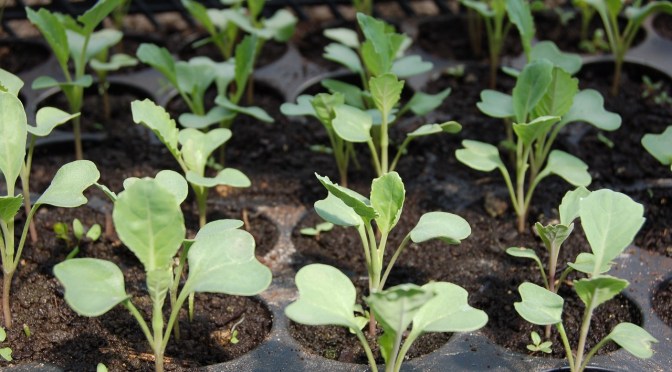
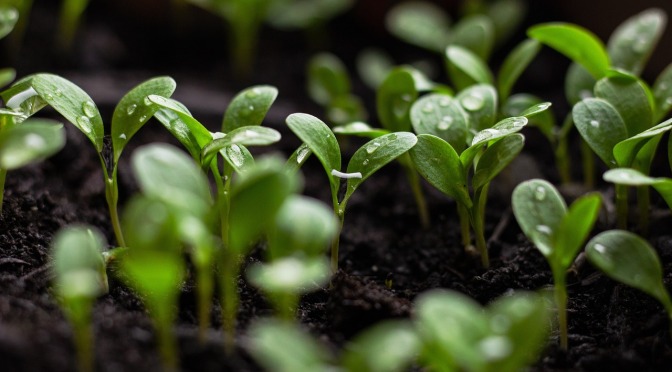
There are two basic places to germinate seeds, one is where they will ultimately grow and mature the other is in suitable containers to germinate and then to transplant out into open ground or larger containers latter on.

Firstly it is always best to plant any seed in the spot where it will grow and mature.

The reason for this is because when a seed germinates it will send down a tap root and if in open ground in a friable soil that root can be very long.

If on the other hand we germinate in a container or seedling tray that root will be limited in the depth of the tray and growing medium.

It is not practical to grow every thing at the maturity site, especially when we are getting an early start or growing out of season.

There are some seed types which should only be grown in their maturity site and only planted when conditions are favorable.

I often see seedlings for sale in punnets of plants which should never be offered this way because novice gardeners, that know no better, may purchase and have poor results..

The worst example of this is root crops such as carrots and parsnips which should only be direct sown as in any other form they will not produce a normal root. An exception to this is a newer carrot that is round in shape and does not produce a long edible root.

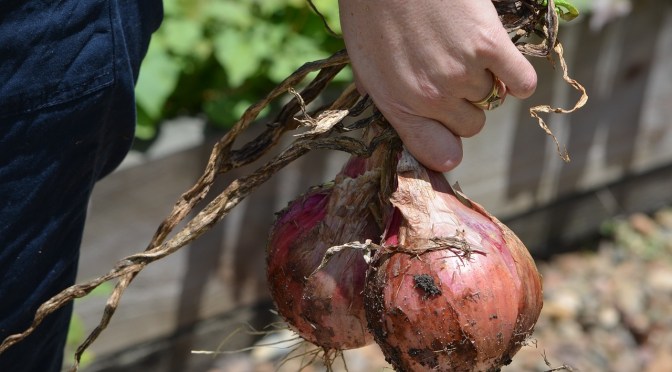
Beetroot and onions are seedlings that will transplant but are better to direct sow. (Direct sow means planting seed where they will mature) Spring onion is an exception.

Corn, beans and peas should all be direct sown and you will get far better crops if you do so.

Larger seeds are easy to handle and can be placed where you want them to grow without having to thin out later on. Silverbeet is another one that would be best direct sown.

If you want to start off seeds early in open ground try this method.

Make a trench about 100mm deep and the same wide, mow your lawn and collect the clippings which you then pack fresh into the bottom of your trench.

(Note if the grasses are in seed in the lawn it maybe best not to use the clippings to prevent moving grass weeds to your garden)

Pack firmly to about 80mm then sprinkle a little compost over the clippings to cover.

Next sprinkle Wallys Calcium & Health and Unlocking your Soil along the trench along with foods such as chook manure, sheep manure pellets, blood & bone, Bio Boost and Neem Tree Granules.

Once again cover lightly with weed free compost (Purchased)

Next sow your seeds such as peas, beans, sweet corn etc.

Once the seeds are spaced out along the row then spray them with Magic Botanic Liquid (MBL) at 20 mls per litre. This really speeds up germination. Then cover the seeds with more compost and water down using a fine rose watering can with MBL added.

For those that have problems with either cats, birds or late frosts then make some hoops out of No8 wire and place them along the row with a clearance of about 200mm in the middle of the row.

Place crop cover over the hoops and on one side cover with soil and on the other side with lengths of old timber or similar.

That allows you to easily take off to tend to the plants as needed.

The heat from the grass clippings will warm the soil which greatly helps germination.

Once well developed then you can remove the hoops and cover and store for future use.

Now lets look at doing similar but in seedling trays or by using cell packs or punnets.

If you keep the punnets and cell packs that you have purchased in the past then these are good value to use.

Wash them out in hot water so they are nice and clean.

To fill I use only purchased compost of high quality such as from Daltons or Oderings.

I have found that seed raising mixes are a gimmick and most of the ones I have looked at are too expensive and do not work as well as a good quality compost for most seed germination projects.

Think about this; outside in Nature we find all sorts of soils types even straight gravel or sand where seeds do not appear to have much trouble germinating, without any special mixes from mankind.

One important aspect to consider when germinating in seedling trays is to have heat from a heat pad.

Some garden shops, pet supplies and brew shops have heat pads which can be used for germination.

I place a sheet of polystyrene block on a bench to direct the heat upwards then sit the seed trays on the heat pad.

If you go to wholesale fish outlets or fish departments of supermarkets you will likely find used polystyrene trays free or for a few dollars.

You can sit your heat pad in the tray and being white it will provide lots of good reflected light.

If the pad you buy is a higher temperature than you require then cover the pad with sand and keep the sand moist. Sit your seedling trays on the sand.

Fill your seedling tray or cell packs to about two thirds full with purchased compost as above.

Carefully sprinkle a few seeds over the compost keeping them apart so they each have their own space.

Spray then seeds with MBL and Mycorrcin mixed together in a trigger sprayer with non chlorinated water. Once the compost and seeds are wet then cover seeds with more compost (You can sieve it if you like) and wet down with your spray.

Now you spray the tray at least twice a day to keep the compost moist using the same trigger mix.

Once a few seeds have germinated and before they start stretching for light get them out into natural light from overhead such as on a bench in a glasshouse.

If you do not have a suitable place then place your polystyrene box outside with a sheet of glass over it.

The seedlings will need spraying still but off the heat pad a lot less. Make sure the seedlings are in good

light but not strong sun light to burn them.

If you are worried about them at night you can bring the polystyrene box inside or onto a porch.

When the seedlings are big enough to handle prick them out and pot them into small pots once again using the compost.

WELCOME TO SPRING PROMOTION

As many of you are aware this time of the year we try to offer some specials for you to use during the coming growing season.

The following specials will start today 13th August and finish on Thursday 31st August at Midnight.

Any orders must be placed on our mail order web site at www.0800466464.co.nz

ALSO MOST IMPORTANT…PLACE THE WORD SPRING in the CUSTOMER MESSAGE BOX

This allows me to sort out the various discounts and add any shipping before I phone you to organise mode of payment for the order. (Credit/Debit Card payment over phone which is the best and fastest way alternatively I email you the details for a bank transfer)

While on the phone I can also answer any questions you may have. (Its called service which is not common these days)

Here are the offerings:

25% off Neem Oil, Neem Granules and Neem Powder

20% off all other items except for BULK items

Of the above: North Island if your order comes to $100 or more after discount then free shipping. (Not including Bulk items)

South Island in your order comes to $150 or more after discount then free shipping. (Not including Bulk items)

10% off Bulk Items such as 10kilo bags BioPhos,  Ocean Solids and Unlocking Your Soil. These bulk products will incur shipping at cost.

These are 10kg North Island $16.00  South Island $19.00

Up to 25 kg North Island $19.00  South Island $25.00

We do not send to PO Boxes or outer Islands such as Waiheke or Stewart Islands But will send to the Ferry depot servicing those Islands

Phone 0800 466464
Garden Pages and News at www.gardenews.co.nz
Shar Pei pages at  www.sharpei.co.nz
Mail Order products at www.0800466464.co.nz


New Zealand Bill of Rights Act 1990. Part II of the Act covers a broad range of Civil and Political Rights. As part of the right to life and the security of the person, the Act guarantees everyone:

1The right not to be deprived of life except in accordance with fundamental justice (Section 8)


2The right not to be subjected to torture or to cruel, degrading, or disproportionately severe treatment or punishment (Section 9)


3The right not to be subjected to medical or scientific experimentation without consent (Section 10)

4The right to refuse to undergo any medical treatment (Section 11)

 Furthermore, the New Zealand Bill of Rights Act 1990 guarantees everyone: Freedom of Thought, Conscience, and Religion.
This includes the right to freedom of thought, conscience, religion, and belief,
INCLUDING THE RIGHT TO ADOPT AND HOLD OPINIONS WITHOUT INTERFERENCE (Section 1)

Image by onehundredseventyfive from Pixabay
Gardening: beating the veggie shortages … (Wally Richards)

It is certainly interesting times we are living in … there are also some gardening problems to overcome. Recently I went looking for some vegetable seedlings and seed packets of vegetables that I wished to add to my gardens at this time.

I was after cauliflower seedlings to grow and harvest in winter and some onion seeds to sow now. I had to visit several gardening places before I found the items I required. This means that a lot of people have woken up to the fact that fresh produce in the supermarkets are several times dearer currently than they would normally be in March. In fact in March there should be a glut of cheap fruit and vegetables available from spring and summer crops. There isn’t. The supermarkets are now starting to import vegetables that are normally available in abundance from NZ growers. There Isn’t. Imported produce is much more expensive than local grown hence if you are paying $5 for a small cabbage now soon you will be paying $10 or more. I was talking recently to a check out operator at local supermarket than was saying there are several customers that are not at all friendly now. I can understand why, people with limited money for buying food can’t afford all the groceries that they are used to buying; their budget just does not stretch that far. Hence they can be grumpy and even a bit nasty to the Supermarket staff. The same people are in a Catch 22 they don’t have the money to grow their own produce and/or don’t have land that can be used for gardening. Readers of my columns are good gardeners, in the main, and even if on a budget they are able to grow a reasonable amount of their own food which is not only a big saving but also much more healthy for us gardeners.

There are problems that are currently happening and one of these is as I found; a shortage of seeds and seedlings in many gardening outlets. Cabbage and cauliflower seedlings I have purchased recently have caterpillar eggs on the leaves and if you don’t rub them off they will be eaten alive not too long after planting. So check leaves for the little lightly yellow eggs and rub them off before you plant. I use Wally Neem Granules when I plant cabbages etc a little in the bottom of the planting hole and more on the soil surface by the seedlings. This has a very good control of the caterpillars and even though I have caterpillar eggs on my plants and holes on the leaves there is not any caterpillars on the foliage. The holes are made by hungry birds not caterpillars. It is even worse on my silverbeet which young seedlings I planted have either disappeared or they have damaged foliage. More mature silverbeet will likely have a lot of leaf damage from birds feeding. The best way to keep birds off silverbeet and brassicas is to use what I call Crop Cover or what shops call, Bug Mesh. Either laid loose over crops or supported over crops with hoops made from ridged plastic irrigation pipe or number 8 wire. The crop cover is good for many seasons and will keep birds and just about all pests off your crops include neighborhood cats. Old curtain netting could be used instead of the more durable crop cover.

When you buy vegetable seedlings look for the smaller, fresher ones not the over grown ones which have likely been stressed and will go to seed prematurely. Even if you take them home to grow on a bit to make handling easier, then do so. First thing I do when I get punnets home is plunge them into a bucket of water than I have thrown some sheep manure pellets into some time ago. I hold them down into the liquid manure and watch them bubble away. This not only gives them a good soaking of the mix but some nature liquid food as well. Let them drain and place in full sun till you are ready to plant them. Water as need be in the meantime and prior to planting plunge them into the bucket again. Seedlings will pull apart better when the mix is wet and they have ample wet mix on the roots when you plant. After planting give them a watering with the hose to bed them in. Then you can put your crop cover over them if you are going to use this method.

I wrote recently a quick way of converting some existing lawn area into a productive vegetable patch. For those that missed it here it is again:

If you want to convert a part of your lawn to vegetable growing then mow the chosen area (a sunny area is best by far) as short as possible (called scalping). Around the lawn edge of this area dig a small trench about half a spade depth. The soil and grass from this trench can be stacked some where for future use. The trench will assist with drainage and as a mowing strip between the vegetable garden and the existing lawn. Place the lawn clippings caught in the catcher over the scalped area. (Extra food for your vegetables crops) Now cover the scalped lawn area that has the lawn clippings with a layer of cardboard or alternatively several layers of news paper. You can find cardboard from recycling places, super markets etc. Sprinkle any animal manure you can get hold of or blood & bone with sheep manure pellets. A sprinkling of Wallys BioPhos and Wally Ocean solids will complete the nutrient requirements. Then over this place a layer of purchased compost which I prefer Daltons as it does not container green waste and thus herbicide problems. This layer need only be about 5cm thick just deep enough to plant seeds or seedlings in.’ end……..

The problem that we all have had this season is the lack of direct sunlight. Called ‘Dimming’ the sun is obscured by hazy skies or too much cloud and not enough ‘Blue Skies’. Plants are slow to grow, flower buds don’t form or don’t open and solar panels don’t make much power as they do in direct sunlight. Can’t help with solar panels other than wash them to make better use of the light available. For plants provide them with Liquid Sunlight by dissolving a tablespoon of molasses into a litre of hot water and when cooled down add some Magic Botanic Liquid and spray foliage of your plants. Repeat every few days. Likely you will notice the leaves will get much bigger and that is good. It may attract ants if they are a problem where you are so then make up some of our Granny Mins Ant Bait and use that to kill the ants. (Old recipe and lots better than most baits and cheaper also).

Off Topic..With the flooding and forest waste problems I wonder why they don’t control burn it? I think they used to in the past as the ashes are great for planting more trees. (Of course they are not allowed/// something about CO2? Workers not allowed to take it for fire wood apparently and logging companies say too expensive to do. (Lot more expensive the damage it does). Also they used to dredge rivers to make them deeper so more water could flow without flooding surrounding areas. (oops not allowed to, upsets river life: PC gone mad). Simple remedies that we used to use. Burn the slash and dredge the rivers!


Phone 0800 466464
Garden Pages and News at www.gardenews.co.nz
Shar Pei pages at  www.sharpei.co.nz
Mail Order products at www.0800466464.co.nz

New Zealand Bill of Rights Act 1990. Part II of the Act covers a broad range of Civil and Political Rights. As part of the right to life and the security of the person, the Act guarantees everyone:

1The right not to be deprived of life except in accordance with fundamental justice (Section 8)
2The right not to be subjected to torture or to cruel, degrading, or disproportionately severe treatment or punishment (Section 9)

3The right not to be subjected to medical or scientific experimentation without consent (Section 10)
4The right to refuse to undergo any medical treatment (Section 11)  
Furthermore, the New Zealand Bill of Rights Act 1990 guarantees everyone: Freedom of Thought, Conscience, and Religion. This includes the right to freedom of thought, conscience, religion, and belief, INCLUDING THE RIGHT TO ADOPT AND HOLD OPINIONS WITHOUT INTERFERENCE (Section 1)

Image by Mark Valencia from Pixabay

TIME TO PLANT FOR WINTER (Wally Richards)

December, January, February are the best months for planting vegetables and flowers for winter food and colour.

The reason is you need to catch the longer day light hours to obtain reasonable growth.

The day light hours are progressively diminishing but during these months there is ample time to get plants to a mature state before winter sets in.

Once it chills down vegetables which are mature or near mature, will hold nicely in the garden for you to harvest as you require.

There is a problem from my experience is that seedling nurseries don’t produce winter type vegetable plants and flowers until we are just about into winter. By then by then you have lost the growth of the longer day light hours.

Chances are that they will sit and sulk during winter then bolt in the spring to flower.

Many gardeners prefer to buy seedling in punnets or cell packs to plant which is very expensive even if you are getting a head start in comparison to growing from seed.

That is only an advantage at the start as seed sown vegetables, sown at the same time as transplanted seedlings from seedling packs, will out grow the transplants and give you a superior plant.

The key is not to sow seeds in containers to transplant but to direct sow where they are going to grow and mature.

Nature is by far the best plant grower from seed that I know of; just look at the crops of weeds that Nature has germinated in your gardens.

I am going to show you now the very best way to direct sow and grow seed in open ground or in raised gardens.

Select a sunny area of either of the above and remove all weeds that are currently growing there.

Rake the soil over to obtain a nice level area of friable soil.

Over this you sprinkle blood & bone, sheep manure pellets and Ocean Solids.

Alternative or as well as you can use any animal manures you have available.

Lightly rake the above to mix with soil or growing medium.

Then place about 4 layers of newspaper or one layer of thin cardboard to suppress any weed seeds that are likely to germinate. Wet down the paper or cardboard.

Next spread a layer of good purchased compost and I recommend Daltons Compost as its not just a bag of rubbishy bark with some lime and fertiliser thrown in.

(Some contains green waste that has herbicides in it as well which is no great help in establishing your plants.)

You are now ready to sow seeds of crops suitable for this time of year sowing

You need to do a bit of research on the Internet for mail order seeds from Egmont Seeds or Kings Seeds

Look at all the types available in say cabbages to see which ones are for winter growing/harvesting.

Buy the ones that suit you and the season best.

Open pollinate seeds are preferred ones to buy and g row as they will mature at different times rather than all at once. You can also note the recommended plant spacing distances on the ones you are buying.

Normally there are a lot of seeds in the packet and you are only going to sow a few of them at one time.

The packets with spare seed in them can be placed in a glass jar with a lid and placed in your fridge to keep well for future plantings.

Say the spacing is 30cm apart then you are going to put 2 seeds 15cm apart on top of your purchased compost and then spray them with Magic Botanic Liquid (MBL) before lightly covering them with the compost.

Leave for a day and then lightly water the area. Repeat lightly watering each day or if drying out quickly twice a day.

After a few days or a week or more you should have a strike with lots of the sown seeds sprouting.

Allow them to grow about 5 cm tall and spray them weekly with MBL.

Once they are at about 5 to 8cm tall you are going to cull out the crop.

Where two seeds have both germinated together select the stronger looking one and with a pair of scissors cut the weaker one off at ground level.

Allow all the other seedlings to grow and water to keep soil moist. As we are at say 15cm apart and not the preferred 30 cm we wait till the foliage of all are starting to touch each other

then we harvest the young plants to leave growing plants 30 cm apart (or what ever is the ideal spacing according to the seed packet info.)

The harvested young plants can be eaten/cooked in any suitable way.

If you have ample room and you want to plant for succession then repeat sowing as above in a months time and even a late sowing a month later in March.

That is it till the spring.

I can foresee that purchased vegetables are going to become very expensive over the next year or more for several reasons.

Imported chemical fertilisers that the commercial growers use are in short supply and much dearer than they used to be.

There are already and will be more crop failures from flooding or droughts and growth is slower because of the lack of direct sunlight from overcast and cloudy days.

If you have heard about the proposed ‘Dimming of the Planet’ to offset global warming by creating hazy skies and then if you are aware it; this has nothing to do with global warming but everything to do with slowing food crops growth so you have to eat Bill Gates Lab grown food or starve.

There is a lot of truth in the saying ‘Control the food and money and you control the people’.

I learnt of a recent problem in the Philippines were a kilo of onions is now the equivalent price of $20 NZD. Reason I believe is the flooding in northern parts of Philippines where the weather is a bit more like ours and a lot of food crops are grown there.

One Filipino friend going back for a holiday said she is not taking chocolates as normal but a suitcase of onions.

Taking about Philippines and their food stuffs we have a Philippine/Asian food distribution centre here in Marton which you can order non frozen food stuffs on line and have them sent to your home with your gardening requirements.

Have a browse at http://www.0800466464.co.nz/74-philippine-products

You are likely to be surprised at how better value many items are compared to Supermarket brands of similar products. Spaghetti sauces for instance are very popular with Europeans and about half the price of NZ brands.

Also save money in your gardens by seed sowing vegetables as I have described above.

Those people that took my advice in earlier articles about having a few chickens on their property will now be enjoying the fresh eggs daily and not paying about $10.00 a dozen at the supermarket.

Its just a sign of things to come I think.

ALSO DONT FORGET OUR CURRENT PROMOTION TILL END OF MONTH..

All Neem Products (Neem Oil, Neem Granules and Powder all sizes) 20% off

Wallys Super Pyrethrum 20% off

Wallys White Fly sticky Traps 20% off

Wallys Super Compost Accelerator 600 grams 20% off

Wallys Ammonium Sulphamate 2kilos 20% off

Wallys Cat Repellent 200 grams 20% off

All the rest of our products (except bulk ones and Asian food stuff ) 10% off.

Place orders on our mail order web site at www.0800466464.co.nz and place in comments ‘PEST SALE’  so I know to do the discounts when I will phone you.

I will apply discounts and Shipping (if any) before I phone you with the total.

Then we either do Credit/Debit card over phone or I will email you bank transfer details.

If in North Island and order comes to $100 after discounts then free shipping.

In South Island $150.00 after discounts for free shipping.

The total does not include bulk items such as 12kilo BioPhos, 13kg Ocean solids and 10 kg Unlocking soil (Freight is always charged on bulk products)

The above offer is valid till 31st January…


Phone 0800 466464
Garden Pages and News at www.gardenews.co.nz
Shar Pei pages at  www.sharpei.co.nz
Mail Order products at www.0800466464.co.nz


New Zealand Bill of Rights Act 1990. Part II of the Act covers a broad range of Civil and Political Rights. As part of the right to life and the security of the person, the Act guarantees everyone:

1The right not to be deprived of life except in accordance with fundamental justice (Section 8)

2The right not to be subjected to torture or to cruel, degrading, or disproportionately severe treatment or punishment (Section 9)

3The right not to be subjected to medical or scientific experimentation without consent (Section 10)

4The right to refuse to undergo any medical treatment (Section 11)

 Furthermore, the New Zealand Bill of Rights Act 1990 guarantees everyone: Freedom of Thought, Conscience, and Religion.
This includes the right to freedom of thought, conscience, religion, and belief,
INCLUDING THE RIGHT TO ADOPT AND HOLD OPINIONS WITHOUT INTERFERENCE (Section 1)

Image by Alexey Hulsov from Pixabay


Tips for Planting plants (Wally Richards)

Gardeners are buying and planting plants now for the coming season.

This may range from seedlings of vegetables, annual flowering plants, fruiting plants and ornamental shrubs and trees.

There are a number of traps and tips which if known will make for a more successful growing season and thus more pleasure for yourself.

Lets start off with seedlings which will likely come in cell packs (each plant has its own little growth space with normally 6 cells to a pack.)

Then there is the punnets where a number of seedlings share the same growing area.

The first thing to do when looking for vegetable seedlings to grow is to see how old the plants are?

If they are on the large size in their cell/punnet then give them a miss as more than likely they have been stressed and may go to seed a couple of months after you plant them. A total waste of time and garden space.

This does not apply to flowering/fruiting vegetables such as tomato, capsicum etc as the bigger they are the further advanced they are to maturity the better.

It applies to brassicas, lettuce and such like.

Also don’t be silly enough to buy root crops in punnets such as beetroot, onions, carrots, parsnips, spring onions as they will never be any where near as good as the ones you grow from seed, planted where they will mature.

Big seeds such as beans, pumpkin should also only be grown directly from seed.

The results will be ten times better than transplants which for crops such as carrots are laughable as they will never become a nice specimen if they were grown from transplants.

The secret to seed growing in an area that they will mature in; is that they get their initial tap root or roots out and those roots do not get disturbed by transplanting.

With the likes of carrots either buy the seed that is on a seed tape or later on thin out the crop which gives you some baby carrots for salads.

I look for the younger smaller plants that are likely the freshest ones from the growers nursery.

These will likely have been kept moist in their growing medium and hence stress free.

Even if they are a bit too small to transplant that is ok; you can grow them on outside in a sheltered, sunny spot. While they are getting bigger you do not want to over water them or let them dry out.

Over watering makes them soft, under watering can lead to stress.

If you can pick the time and day that you plant out, best time is before rain or later in the day when the sun is going down.

If you are really smart you spray any plants you are going to transplant a few days before disturbing them with a spray of Vaporgard and Magic Botanic Liquid combined. (Spray for total coverage)

How many of you have planted out seedlings to see them lay down for several days on the soil till they pick them selves up and start to show growth? We have all experienced that I am sure.

Well the few days before transplanting spray of Vaporgard means that moisture loss through the foliage at transplant time is minimal and the seedlings sit up like little soldiers and start growing immediately.

This is very important: Before you try to remove the seedlings from their punnet or cell pack you plunge it into a bucket of water and watch them bubble.

This removes all air from the growing medium and also gives the seedlings a nice drink.

You then carefully tap out the seedlings without damaging the foliage.

They should, being so wet, slide out nicely.

Next we inspect the foliage for any pest insects or eggs.

In some cases you may have several seedlings in a cell pack or punnet that have their roots intertwined with each other.

You have two options you can plant the plug with more than one seedling and in a couple of weeks time cut the smaller ones off at soil level allowing the best fellow to grow to maturity.

Or in your bucket of water you can carefully separate the seedlings and have a lot more to plant out.

Down in; under water, they will tease out and separate nicely with minimal root disturbance.

But now maybe you have more seedlings than you need for one crop and one harvest.

No problem you put all the extra seedlings to]gether in a clump and and plant them it the garden.

Being in a clump they will not grow much but will hold so that in say a couple of weeks you can lift, divide under water and plant a second crop. (An old trick which I have held surplus for several weeks in that manner)

Soil preparation is important unless you do what I do.

Clear the area of weeds and then sprinkle what goodies you like to use over the area such as animal manures, sheep pellets, blood & bone, Ocean Solids, Wallys Unlocking your Soil, BioPhos and Wallys Calcium and Health.

Now spread a layer of purchased compost over the area to the depth of 3-4 cm.

I prefer Daltons compost as it is herbicide free and nice to work with.

Into this layer you can plant your seeds or seedlings.

Spacing is important so you do not have over crowding.

Keep moist with daily light waterings and spray the plants with Magic Botanic Liquid (MBL) each week.

Lets upscale to plants such as shrubs, vines and trees which once again you are either buying in a pot or plastic bag.

Follow the advise as for the seedlings but when you remove the plant from its grow container have a good look at the root system.

If the plant has been in the container for a while the roots will have filled the container and spiraled around the base of it.

If left like that and placed into a planting hole you may wonder months or even years later why has that plant not grown?

Simple the roots can not get out from the clump they formed in the container.

Some gardeners try to tease the roots out and that can help a little but really a waste of effort.

You take your secateurs and at the four cardinal points you cut the root spiral the depth of your blade.

Roots are like branches, you cut the end off a branch and that branch will create new branches back to the trunk.

You cut the roots and the plant makes a lot of new roots and that is what you want for growth.

It is a busy time ahead so get cracking with small plantings now followed by more each month.

Thank you for the many ‘Get Well’ emails I received in regards my virus/cold, getting better now but it does take a while. I saw on the TV channel, Al Jazeera TV News Channel that there is now good evidence that America released the initial Corona virus and have also done the same with the Monkey Pox virus.

Problems ring me at 0800 466464
Email wallyjr@gardenews.co.nz
Web site www.gardenews.co.nz

Phone 0800 466464
Garden Pages and News at www.gardenews.co.nz
Shar Pei pages at  www.sharpei.co.nz
Mail Order products at www.0800466464.co.nz

New Zealand Bill of Rights Act 1990. Part II of the Act covers a broad range of Civil and Political Rights. As part of the right to life and the security of the person, the Act guarantees everyone:

1The right not to be deprived of life except in accordance with fundamental justice (Section 8)

2The right not to be subjected to torture or to cruel, degrading, or disproportionately severe treatment or punishment (Section 9)

3The right not to be subjected to medical or scientific experimentation without consent (Section 10)

4The right to refuse to undergo any medical treatment (Section 11)

 Furthermore, the New Zealand Bill of Rights Act 1990 guarantees everyone: Freedom of Thought, Conscience, and Religion.
This includes the right to freedom of thought, conscience, religion, and belief,
INCLUDING THE RIGHT TO ADOPT AND HOLD OPINIONS WITHOUT INTERFERENCE (Section 1)

Which vegetables to plant right now (Wally Richards)

That is, in the Southern Hemisphere, this being a NZ blog.

I was asked the question this week about what we should be planting vegetable wise at this time of the year.

A lot depends on how much room you have and how keen you are on growing your own vegetables. If you are fortunate and have a good size section such as quarter an acre then you can be fairly self sufficient in fresh produce. If you have only little land around your home then you have to be innovative with your limitations.

There are some nice planters you can purchase such as on Trade Tested 150 litre and 112 litre made from durable plastic at reasonable prices. These can be sat on concrete or at the edge of the lawn or where a garden used to be.

Place weedmat under them where ever you choose to put them.

I have several of these which arrived in a Flat Pack and were easy to assemble. Filled two thirds full with compost (I prefer Daltons Compost) and then I spread the likes of chicken manure (or any animal manures), Blood & Bone along with Wallys Calcium & Health, Wallys BioPhos, Wallys Unlocking your Soil and Wallys Ocean Solids.

This means your vegetables will have all the nutrients, minerals and trace element that they would like which means the produce will be super healthy, have marvelous flavor and so good for your immune system. Over the top of the goodies you put a further layer of compost about 4 cm thick. It is into this layer that you can plant seeds or seedlings.

With the longest day of the year next week we have optimum hours of daylight for growing stuff. You should have salad crops currently growing and harvesting as they mature such as lettuce, radish, spinach, silverbeet, spring onions etc.

The key here is to have small plantings every 2-3 weeks so you will have succession crops for harvesting. For instance you might plant 4-6 lettuce plants now and in about 3-4 weeks another 4-6. When the first lot are being harvested you plant the third lot and that will take you well into winter before you find that the low day light hours take much longer to mature the plants. Thus you can harvest the larger outside leaves and let the plant grow more leaves. Silver beet is a great one for this type of harvesting.

Now here is a little secret that you can use when you buy a punnet or cell pack that has many seedlings much more than you want to plant at one time. Before you try to separate them put the punnet into a bucket of water and after it has finished bubbling remove all the seedlings from the plastic. Now working underwater you can separate off the number of plants you wish to plant. Only take the bigger more developed plants and plant them. You are left with one or more clumps of seedlings so rather than throw them away plant into the soil as a clump. Because they are over crowded they will hold and not grow much.

In two weeks time you can lift the clump and under water separate those you wish to plant. This can be repeated a few times before the seedlings become too stressed and not worth planting.

December is also the first month to plant your winter crops of brassicas. The 6 packs that have two cabbage, two cauliflowers and two broccoli are ideal for succession planting so about every two weeks you plant another lot. The last month for planting these winter crops would be end of March.

If you have ample land and grow potatoes for Christmas or storage then likely the early crops will have been harvested or ready to harvest soon. It pays to either bandy-coot a few potatoes out from under the plants to determine size and health. If you don’t feel any good size tubers under the plants then lift one or two and if only small marble size potatoes are found and they are re-shooting then you have had attacks from the potato psyllids. If the tubers are of good size then cut one in half to inspect the inside for dark rings if found then the crop is ruined from psyllid attacks. If neither of these problems exist then harvest your crop as soon as possible so you do not lose good potatoes to late attacks.

Last year about this time some gardens lifted a plant or two to find good tubers but left the rest of the crop in. Later when they lifted the remained of the crop had been attacked and was ruined. If you do not want to lift then cut the tops off and cover the stubble so the Psyllids have nothing to destroy.

My thoughts are lift crop and use that ground after applying more goodies for planting up winter crops. Root crops such as carrots, parsnips, onions and beetroot can be planted by sowing seeds into loose fertile soil. Sprinkle the seeds into a furrow or broadcast over say a square metre, spray the seeds with Magic Botanic Liquid before covering to speed up germination.

Keep moist by regular waterings. Later on when you have a good strike you can thin out the planting to give the bigger better plants more room to develop. Root crops are always best grown from seeds especially carrots and parsnips as they do not transplant well and you only get short stubby carrots to harvest.

You can buy coloured carrot seed from some seed suppliers for a bit of novelty and each has different health benefits also but all taste like carrots even the black and white ones.

It is also a good idea to start off a couple of tomato plants now which if you can’t purchase then grow from the laterals you are removing from your exist plants.

Now is about the last chance to grow heat loving plants such as capsicum, chili, egg plants, cucumbers, pumpkins. All of which are gross feeders so you could not only use Wallys Secret Tomato Food but also a drink every week of Wallys Liquid Plant food.

For the Cucumbers and pumpkin a weekly kick along using our Cucumber Booster that has two powerful nitrogen components.

That’s the gardening bit done and for those that like to know what they do not want you to know have a wee look at this link.

https://www.globalresearch.ca/vaccine-acquired-immune-deficiency-syndrome-vaids-we-should-anticipate-seeing-immune-erosion-more-widely/5764177

Phone 0800 466464
Garden Pages and News at www.gardenews.co.nz
Shar Pei pages at  www.sharpei.co.nz
Mail Order products at www.0800466464.co.nz

Photo: pixabay.com