Tag Archives: seed

The importance of phosphate in your garden (Wally Richards)

Phosphorus stimulates budding and blooming. Plants need phosphorus to produce fruits, flowers, and seeds. It also helps make your plants more resistant to disease.

Phosphorus helps plants gain more energy from sunlight and with cloudy, hazy skies we are seeing too often; plants need all the advantages possible to gain energy from sunlight.

Phosphorus doesn’t dissolve like nitrogen. The soil will hang onto phosphorus, not releasing it into water.

Phosphate is needed by all life forms but if taken in too greater quantities it becomes harmful.

In the distant past phosphorus was obtain from manures especially bird or bat droppings called guano.

Phosphorus is also obtained from Reactive Rock Phosphate which is a hard phosphatic rock. In most soils it dissolves very slowly.

To make the rock phosphate more readily available to plants man discovered a process of using sulfuric acid early in the 1900’s, and a new agricultural fertiliser was created called Super or Super Phosphate.

It became a boon to agriculture and farming with tons of Super been spread to cause fast growth in fields and crops.

Unfortunately like a number of discoveries such as DDT and Asbestos, there was a hidden price to pay. Super phosphate kills soil life because its acidic and with their demise leads to unhealthy plants.

Not only that, it was also found that Super laden plants and grasses caused health problems in stock including cancers.

I read a very interesting book years ago called ‘Cancer, Cause and Cure’ written by an Australian farmer, Percy Weston.

Percy observed the results of the introduction of Super on his farm and the Malays that occurred.

For many years now I have not used any chemical fertilisers or chemical sprays including any herbicides anywhere on my property.

For a while I noticed, that even though I obtained good healthy crops and plants, there was some factor that appeared to be missing and the crops are not as lush as I felt they could be.

I often thought that I am not getting sufficient phosphorus in my composts and mulches.

This caused me to do a bit of research on the Internet and found to my delight a company in New Zealand called Sieber Technologies Ltd who make a product called BioPhos.

They take the reactive rock phosphate and break it down naturally with micro organisms making it as readily available to plants as Super is.

The company sent me a email booklet and it showed trials that proved that not only did BioPhos work as well as Super, but actually better as it did not have a ‘peak’ growth on application

 and gave a much longer sustained release of phosphorus to plants.

Instead of killing soil life it actually supplies new micro organisms to the soil which carry on breaking the natural phosphorus down, meaning that only one application is needed per year unless you are cropping during the winter as well.

Some rose growers and rose societies recommend using BioPhos for better, healthier roses.

BioPhos contains phosphate, potassium, sulphur and calcium at the rates of P10:K8:S7:Ca28.

BioPhos is Bio Certified for organic growing.

It is pH neutral and used at the following rates; New beds work in 100 grams per square metre, the same with lawns but water in to settle.

Side dressing plants; seedlings 8 grams (a teaspoon ) around base of the plant or in the planting hole. Same for potatoes (which do well with phosphorus) Sowing beans peas etc sprinkle down row with seeds.

Roses and similar sized plants 18 grams or a tablespoon full around plant or in planting hole.

Established fruit trees etc, spread at the rate of 100 grams per square metre around drip line or where feeder roots are. Apply to vegetable gardens in spring and a further application in autumn if growing winter crops.

Can be applied to container plants also.

Apply to tomatoes when planting or side dress existing plants.

A number of gardeners over the years have obtained BioPhos and applied it around their gardens; then a few weeks later many have phoned me to say what a big difference the product has made to their gardens.

I presume one of two things has happened or maybe both of the following:

The gardens and plants were lacking in phosphate and the introduction of it gave a noticeable difference to the plants.

Or the plants were able to obtain more energy from the sun and hence creating a growth spurt.

BioPhos is a must for root and bulb crops such as potatoes, carrots and garlic.

I have now completed a third session of gardening with Rodney Hide which likely aired this coming week then available after that on replay at…..

https://realitycheck.radio/replays/real-talk-show-replays/

THIS WEEKS SPECIAL:  BIOPHOS  two 1.3kilo pouches for $30.00 free shipping (No PO Boxes or outer Islands) Saving you $8.00 shipping costs Normal one 1.3 pouch is $15.00 plus $8.00 shipping total $23.00

or out big 10kilo bag for $38.00 and free shipping saving you $16.00 shipping North Island or $19.00 shipping South Island (No PO Boxes or outer Islands)
That is into a carton for shipping and you could add a few more non bulk items into the same carton.

Order on our Mail Order Web site at http://www.0800466464.co.nz/

In Plant Nutrition area..


In Remarks please state This Weeks Special..
Phone 0800 466464
Garden Pages and News at www.gardenews.co.nz
Shar Pei pages at  www.sharpei.co.nz
Mail Order products at www.0800466464.co.nz


New Zealand Bill of Rights Act 1990. Part II of the Act covers a broad range of Civil and Political Rights. As part of the right to life and the security of the person, the Act guarantees everyone:

1The right not to be deprived of life except in accordance with fundamental justice (Section 8)

2The right not to be subjected to torture or to cruel, degrading, or disproportionately severe treatment or punishment (Section 9)

3The right not to be subjected to medical or scientific experimentation without consent (Section 10)

4The right to refuse to undergo any medical treatment (Section 11)

 Furthermore, the New Zealand Bill of Rights Act 1990 guarantees everyone: Freedom of Thought, Conscience, and Religion.
This includes the right to freedom of thought, conscience, religion, and belief,
INCLUDING THE RIGHT TO ADOPT AND HOLD OPINIONS WITHOUT INTERFERENCE (Section 1)

For more articles & with a health focus go here

Image by Annette Meyer from Pixabay
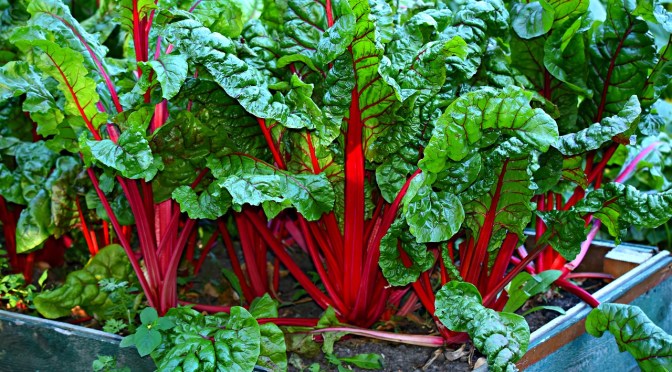

‘Going to Seed’ – When your plants bolt and what to do about it (Wally Richards)

Plants have one objective in life and that is to reproduce.

Reproduction is mostly done by seeding (spore in ferns) but can be also achieved through division, suckering, cloning, producing bulblets or pups. The desire to reproduce is their strongest attribute which is one that can make gardening very difficult at times. (weeds, suckers, oxalis).

There are two basic forms of plants, one is called annuals because they germinate, grow, flower, seed and then die. The other type are perennials which live for a number of seasons or in the case of some trees thousands of years. There are inbetweens such as bi-annuals which for our purpose here we will not worry about them.

Perennials are fairly straight forward, they live, they flower, they produce seeds, they may produce off sets, suckers (new plants from their root system) all while they live for more than one season. They can have their foliage removed and survive to generate more foliage unlike an annual plant which if their foliage is removed the root system dies.

It is the annuals that we are going to talk about because as far as I am aware they only reproduce naturally by seeding.

(They can in some cases be grown from cuttings which in Nature if a bit of their foliage falls onto a suitable bit of dirt they could produce roots and become a clone of their parent plant.) Annual plants are very aware of the current growing conditions and as far as I can figure they have a reasonable insight on what the conditions are likely to be in days to come. Seeds will not germinate in Nature till the conditions are right which means temperatures in both soil and air along with adequate moisture. If the temperatures are right in summer but its too dry to germinate nothing happens till the soil moistens up sufficiently.

A day of rain changes the moisture level and the seeds laying dormant germinate (which includes weeds).

Two possible events may occur then; one is that further rain or your watering follows and the plants/weeds grow up tall and strong and when maturity is reached they produce flowers and seeds. The other possibility is there is no more rain and the soil dries, the plant/weed has only grown a few inches and it will realize that it is becoming too dry and immediately mature, flower and set seed before it dies. This is where you will see lots of baby weeds in dry areas flowering their hearts out to seed before they wither in the dry conditions. Their seed falls on to the dry dusty soil to wait for the next moist time to germinate and start the cycle all over again. From this we learn that annual plants or ones we call weeds when they encounter stress or checks in their growing they will feel that their lives are threatened and go to seed. We call this ‘Bolting’ and you will see the term bolt resistant which means the particular species will tolerate a bit of stress before going to seed.

When it comes to non fruiting vegetable plants we want them to reach maturity without going to seed prematurely. So our cabbages, lettuce, silverbeet, celery etc will produce good plants to harvest and eat. If left after maturity they will eventually go to seed. What we don’t want is the same plants to go to seed before they reach maturity. Some vegetables are very prone to bolting unless the growing conditions are perfect from the time they germinate to the point of maturity. One such plant is Pak Choy which I have found easily bolts at the merest check of growth.

Thus we have the gardening problem of bolting. If we are growing our own seedlings for planting out and we nurture the plants from germination to planting out by giving them adequate direct sun light, sufficient moisture for sustained growth (not drowning them) and we prick them out without damaging the roots after ‘hardening off’ and provide the young plants with good growing conditions we have great success.

If we fall down and the plants get into stress then later on they will likely go to seed. We call this a ‘check’ in their growth it could have been caused by becoming too dry, too hot, too cold, too soft and insufficient direct sun light.

When we buy vegetable seedlings we don’t know if they have suffered stress or not during their short lives to date. The nursery that grew them doesn’t usually make mistakes as its their income that suffers if they do so. Instead they give the plants optimum growing conditions and then harden them off before transporting to a retailer.

Hardening off is very important; when grown in a glasshouse where every thing is controlled the foliage of the seedlings is soft and if shoved straight out into the real world they are likely to die or suffer stress. To overcome this the seedlings are transferred to special houses where they are protected but gradually exposed to the elements.

An alternative is to spray them with Vaporgard to protect the soft foliage and they can then be hardened up quickly. When the seedlings reach a retail outlet they are often placed under cover where they can become soft again. Watering is a problem if they don’t receive sufficient for their needs. As the seedlings are bigger now and they have large root zones filling the cell pack or punnet they can dry out very quickly and may require watering more than once in a day.

The chances of being stressed before they are planted out in your garden have increased. If the plants are indoors out of natural light or in bundles they are soft and stressed. You plant them out and they lay down on the soil like left over road kill and they struggle to stay alive and grow. Then you wonder a few weeks later why they have gone to seed before they were ready to harvest. Vegetable plants that produce fruit such as tomatoes and capsicums there are no problems as you want them to seed/fruit and as long as they have not got too old in the pots they will likely be fine.

With flower plants the bigger the better and no worries about whether they have been stressed or not. When purchasing foliage type vegetables try to buy nice small young plants in cell packs (least root disturbance) so you can take them home and grow them on to plant out later.

A day before planting out spray the seedlings with Vaporgard over and under foliage this acts as a stress guard and reduces transplant shock, protects the plants from the elements and reduces moisture loss through foliage. Instead of laying down you plants will sit up and start growing much quicker in their new situation.

If you place Crop Cover over them with hoops you will protect the plants from birds, cats, insects and the elements. They will grow just about twice as fast which means you will be enjoying your own home grown vegetables much sooner. This allows you to re-plant and have more harvests during the growing season.

Let food be thy medicine and medicine be thy food!

Note: you can peruse Wally’s pages/sites here below. Further, if you want to ask him a question about your garden (or any glitches you may encounter) by phoning him at the 0800 number. For Kiwis, he’s local. That’s a real bonus. EWR

Phone 0800 466464
Garden Pages and News at www.gardenews.co.nz
Shar Pei pages at  www.sharpei.co.nz
Mail Order products at www.0800466464.co.nz

Image by 👀 Mabel Amber, who will one day from Pixabay