
From Dr Mercola
Story at-a-glance
- Polyphenols are natural plant chemicals with powerful antioxidant properties that help combat inflammation, cardiovascular disease, cancer, dementia, osteoporosis, insulin resistance and more
- Polyphenols help protect your heart health by enhancing bioactivity of flavonoids in the lining of your blood vessels; reducing clumping of platelets in your blood; scavenging free radicals and lowering inflammation
- Animal research found purple potatoes lowered proinflammatory interleukin-6 — a protein known to promote colon cancer — nearly sixfold compared to the control diet in pigs
- A drawback of potatoes is they’re high in starch. By cooling cooked potatoes in the refrigerator, a significant portion of the starch will transform into gut-healthy digestive resistant starch
- Other research shows polyphenols help inhibit proliferation of colon cancer cells and induce cancer cell apoptosis (programmed cell death) through oxidant-mediated mechanisms
Editor’s Note: This article is a reprint. It was originally published October 9, 2017.
Polyphenols1,2 (also known as phenolics) are phytochemicals, natural plant chemicals with powerful antioxidant properties. There are over 8,000 identified polyphenols found in foods such as tea, wine, chocolates, fruits and vegetables. Antioxidants — which in addition to polyphenols include carotenoids and allyl sulfides — help protect your cells from free radical damage, thereby controlling general aging and disease potential.
If your body does not get adequate protection, free radicals can cause cellular damage and dysfunction, raising your risk for chronic diseases such as heart disease, cancer and Alzheimer’s disease, just to name a few.
Polyphenols can be broken down into four general categories — flavonoids, stilbenes, lignans and phenolic acids — with additional subgroupings3 based on the number of phenol rings they contain, and on the basis of structural elements that bind these rings to one another.
As a general rule, foods contain complex mixtures of polyphenols, with higher levels found in the outer layers of the plants, such as the skin.4 Polyphenols give fruits, berries and vegetables their vibrant colors and contribute to the bitterness, astringency, flavor, aroma and oxidative stability of the food.
The Role of Polyphenols in Human Health
In the human body, polyphenols have diverse biological functions and properties, including:5,6
| Fighting cancer cells7,8,9,10 and inhibiting angiogenesis11 (the growth of blood vessels that feed a tumor) | Protecting your skin against ultraviolet radiation |
| Fighting free radicals and reducing inflammation | Promoting brain health12 |
| Reducing the appearance of aging | Protecting against dementia and Alzheimer’s disease13,14 |
| Modulating your gut microbiome. Polyphenols have a prebiotic effect, nourishing beneficial bacteria15,16,17,18 | Improving bone metabolism, reducing your risk for osteoporosis19,20 |
| Promoting normal blood pressure and protecting your cardiovascular system, thereby lowering your risk for cardiovascular disease.21,22 Flavonoid polyphenols help to reduce the clumping of platelets in your blood and improve the function of your cells that line your arteries and veins23 | Supporting normal blood sugar levels,24 stabilizing fat metabolism and reducing insulin resistance, thereby lowering your risk for Type 2 diabetes |
As noted in a 2010 scientific review in the journal Nutrients:25
“Research in recent years strongly supports a role for polyphenols in the prevention of degenerative diseases, particularly cancers, cardiovascular diseases and neurodegenerative diseases … Recent studies have revealed that many of these diseases are related to oxidative stress from reactive oxygen and nitrogen species.
Phytochemicals, especially polyphenols, are the predominant contributor to the total antioxidant activities of fruits, rather than vitamin C.
Polyphenols have been found to be strong antioxidants that can neutralize free radicals by donating an electron or hydrogen atom … Polyphenols … complement and add to the functions of antioxidant vitamins and enzymes as a defense against oxidative stress caused by excess reactive oxygen species (ROS).
Although most of the evidence of the antioxidant activity of polyphenols is based on in vitro studies, increasing evidence indicates they may act in ways beyond the antioxidant functions in vivo. Modulation of cell signaling pathways by polyphenols may help significantly to explain the mechanisms of the actions of polyphenol-rich diets.”
How Polyphenols Protect Your Heart Health
The research supporting polyphenols in the prevention and treatment of cardiovascular disease is particularly well-documented.26 For example, higher intakes of fruit-based flavonoids (specifically anthocyanin-rich foods — fruits and berries with a blue, red or dark purple hue — and those high in flavanones, particularly citrus fruits like grapefruit, lemons and oranges) has been found to lower the risk of nonfatal myocardial infarction and ischemic stroke in men.27
Keep in mind that to reap these benefits, you need to eat the whole fruit, not fruit juice, which is simply too high in fructose for optimal health. Excessive fructose is associated with insulin resistance and associated health problems, including diabetes and heart disease. Here’s a sampling of other studies showing how polyphenols helps protect your heart health:
- A systematic review of 14 studies found intake of six classes of flavonoids: flavonols, anthocyanidins, proanthocyanidins, flavones, flavanones and flavan-3-ols, can significantly decrease your risk of heart disease28
- Researchers have long puzzled over how flavonoids help prevent heart disease, but a study29 published last year suggests it has to do with the fact that metabolism of flavonoids enhances their bioactivity in endothelial cells, which form the lining of your blood vessels
- Flavonoids also help to reduce the clumping of platelets in your blood.30 Platelet clumping is one potential precursor in heart attacks and angina
- As antioxidants, polyphenols scavenge free radicals and reduce inflammation in your body
- Polyphenols also inhibit vascular endothelial growth factor (VEGF), which causes complications with atherosclerotic plaques in the arteries, a factor in cardiovascular disease31

Download this Article Before it Disappears
Organic Foods Have Higher Polyphenol Content
How a plant is grown can influence its healing potential by altering the concentration of plant chemicals in it, including its antioxidant content. As noted in a 2004 paper,32 agricultural practices and industrial processes can reduce the health effects of the polyphenols in the food.
Previous research33 shows organically and sustainably grown foods contain statistically higher levels of polyphenols compared to conventionally grown varieties, so whenever you can, try to stick to organic.
Herbs and spices are another great source of polyphenols, so you can’t really go wrong by adding them liberally to your cooking. Berries of all sorts are also an excellent source. Foods that are naturally blue or purple in color are a tipoff that they contain higher amounts of polyphenols. Examples include blueberries, mulberries and purple potatoes, the latter of which were investigated for their ability to lower your risk of cancer and other chronic diseases.
Purple Potatoes May Lower Risk for Colon Cancer
The study34,35 in question investigated the effects of purple potatoes in pigs fed a high-calorie diet, which has been linked to an increased risk of colon cancer. Pigs were fed one of three diets for 13 weeks:
- High-calorie diet
- High-calorie diet supplemented with raw or baked purple potatoes, rich in phenolic acids and anthocyanins — antioxidant compounds shown to have anticancer properties36
- Standard control diet
Compared to the control diet, the high-calorie diet was (as expected) found to increase the level of interleukin-6 (IL-6), a proinflammatory protein known to promote cancer in the colon. The potato-supplemented diet, on the other hand, lowered IL-6 nearly sixfold compared to the control group. According to the authors:
“Anti-IL-6 therapeutics are available for treating colon cancer; however, they are expensive and induce negative side effects. Thus, whole foods could be a better way to combat low-grade chronic colonic inflammation and colon cancer. Whole plant foods have been shown to decrease chronic diseases due to the potential of anti-inflammatory dietary compounds acting synergistically.
We observed that supplementation of HCD [high-calorie diet] with anthocyanin-containing purple-fleshed potatoes, even after baking, suppressed HCD-induced IL-6 expression and … IL-6-related proteins … Our results highlight the importance of IL-6 signaling in diet-linked induction/prevention of colonic inflammation/cancer and demonstrate the potential of a food-based approach to target IL-6 signaling.”
Other research confirms the anticancer benefits of polyphenols, especially for colon cancer. A study37 published last year found polyphenols helped inhibit the proliferation of colon cancer cells and induce cancer cell apoptosis (programmed cell death) through oxidant-mediated mechanisms.
How to Boost Health Effects of Potatoes
A drawback of potatoes is they’re high in starch. By raising your blood sugar, starchy foods contribute to insulin resistance and, ultimately, Type 2 diabetes. Interestingly, by cooking a normally digestible starch such as potato and then cooling it in the refrigerator will alter its chemistry through a process called retrogradation, transforming much of the starch into digestive-resistant type starch.38
As its name implies, digestive-resistant starch refers to low-viscous dietary fibers that resist digestion in the small intestine and slowly ferment in your large intestine. In one study, refrigerating cooked potatoes for 24 hours increased resistant starch by 57%.39
Digestive-resistant starches act as prebiotics, feeding healthy bacteria and improving fat oxidation. In one study, replacing 5% of daily carbohydrates with digestive-resistant starch from whole foods like cooked and chilled potato or underripe banana raised post-meal fat burning by as much as 30%.40
Resistant starch also adds significant bulk to your stools and help you maintain regular bowel movements. And, since they’re indigestible, resistant starches do not result in blood sugar spikes. In fact, research suggests resistant starches actually help improve insulin regulation, thereby reducing your risk of insulin resistance.41,42,43,44
Health Benefits of Mulberry
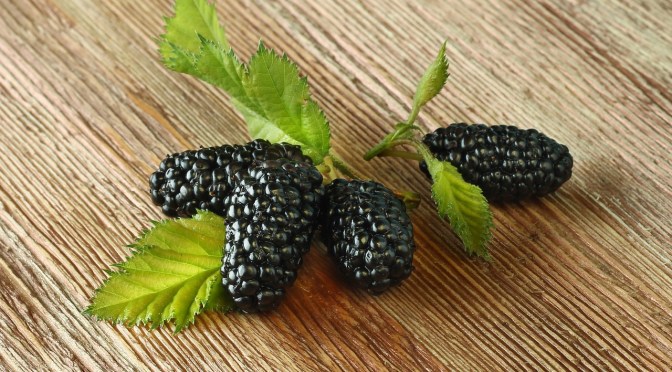
Mulberries are also rich in polyphenols and other antioxidants. As far back as the Roman Empire, mulberries were used to treat diseases of the mouth, throat and lungs. Native Americans discovered them to have a laxative effect and used them to treat dysentery.45 I planted two twigs a few years back and now I have a mini forest of mulberry shrubs and harvest about 10 gallons of mulberries a year.
Nutritionally, mulberries contain an assortment of high-powered nutrients, such as vitamins A, B complex, C, E and K, each bringing their own constituents for health. They also contain iron, potassium and magnesium. One of the most beneficial resources in mulberries is resveratrol, said to “promote heart health and overall vitality.” According to the Institute for Traditional Medicine:46
“Traditionally, mulberry fruit has been used as a medicinal agent to nourish the yin and blood, benefit the kidneys and treat weakness, fatigue, anemia and premature graying of hair. It is also used to treat urinary incontinence, tinnitus, dizziness and constipation in the elderly and the anemic.”
In addition to historical uses, modern research has found mulberries can help improve your:
- Digestive health — Mulberry contains 25% soluble fiber and 75% insoluble fiber. Both of these dietary fibers can help improve overall digestive health by promoting regular bowel movement and lowering your risk of stomach diseases47
- Blood vessel health — Mulberry can help keep your blood vessels healthy thanks to its resveratrol content. This antioxidant helps increase the production of nitric oxide, which allows your vessels to relax48
- Blood sugar control — Mulberry contains a special antioxidant called DNJ (1-deoxynojirimycin) that inhibits an enzyme in your gut that breaks down carbohydrates into sugar. Since it lowers the amount of sugar going into your system, it is considered beneficial for diabetics who want to control their condition49
- Liver health — According to one study, mulberry can help prevent the buildup of fatty deposits around your liver, which can lower your risk of various hepatic diseases50
Make Polyphenol-Rich Foods Part of Your Daily Diet
It is generally recognized that polyphenols are powerful nutrients that protect your health by fighting against free radicals and preventing damage from oxidation. Free radicals are highly reactive molecules that steal electrons from important tissues like your DNA, proteins and cell membranes.
The loss of an electron, in turn, oxidizes these cells, which makes them unstable and easily breakable. As this free radical damage continues, cells can no longer perform properly; tissues begin to degrade and disease sets in.
That said, free radicals are not all bad, and you don’t want to eliminate all of them. They actually serve as important signaling molecules and play a role in your immune system, attacking foreign invaders and pathogenic bacteria. Eliminating most of them, or aiming for complete eradication, can lead to the opposite problem of actually creating more damage.
Free radicals are a natural byproduct of breathing; antioxidants mop up the excess and leave the rest to fulfill their other functions. This fine balancing act can be easily tipped to the point of either too much or too little. A diet rich in organic fruits, vegetables and nuts will typically supply you with the antioxidants needed to walk this fine line.
One reason why a varied diet of real food works better than simply taking antioxidant supplements is the fact that the isolated antioxidant may not be the exact one your body needs at that moment.
Fruits and veggies, on the other hand, contain a wide array of plant compounds, not just antioxidants such as polyphenols, creating a synergistic effect where the total benefit is far greater than the sum of its parts. Simple ways to increase the intake of antioxidants in your diet include:
- Juicing a wide variety of vegetables
- Eating fresh berries and nuts
- Liberally adding fresh herbs and spices to your cooking
Sources and References
- 1 FoodWatch, Polyphenols
- 2, 6 Global Healing Center, Polyphenols
- 3 About Health, Polyphenols
- 4, 5, 12 Oxidative Medicine and Cellular Longevity 2009 Nov-Dec; 2(5): 270–278
- 7 Pharmacological Research. 2012 Jun;65(6):565-76
- 8 Oxidative Medicine and Cellular Longevity 2015, 1-14
- 9 National Cancer Institute, Tea and Cancer Prevention
- 10 Rev Physiol Biochem Pharmacol. 2007;159:79-113
- 11, 22, 31 Molecular Nutrition and Food Research March 2015: 59(3); 401-412
- 13 Curr Pharm Biotechnol. 2014;15(4):330-42
- 14 Oxidative Medicine and Cellular Longevity 2013, 1-18
- 15 Microbiology and Immunology, 56(11), 729-739
- 16 Research in Microbiology November 2006: 157(9); 876-884
- 17 Microbial Ecology in Health and Disease July 11, 2009: 3(6); 1990
- 18 Crit Rev Food Sci Nutr. 2012;52(10):936-48
- 19 Polyphenol Antioxidants and Bone Health: A Review, ISBN: 978-953-51- 0296-0
- 20 Nutrition Research June 2009; 29(7): 437-456
- 21, 26 Bratisl Lek Listy 2012;113(8):476-80
- 23 The American Journal of Clinical Nutrition January 2005; 81(1): 292S-297S
- 24 Pacific College of Oriental Medicine August 1, 2014
- 25 Nutrients December 2010; 2(12): 1231–1246
- 27 American Journal of Clinical Nutrition August 3, 2016, doi: 10.3945/ ajcn.116.133132
- 28 The British Journal of Nutrition 2014 Jan 14;111(1):1-11
- 29 The Journal of Nutrition February 3, 2016, doi: 10.3945/ jn.115.217943
- 30 The American Journal of Clinical Nutrition, 81(1), 292S-297S
- 32 American Journal of Clinical Nutrition May 2004: 79(5); 727-747
- 33 Journal of Agricultural and Food Chemistry 2003: 51; 1237-1241 (PDF)
- 34 Journal of Nutritional Biochemistry May 2017; 43: 11-17
- 35 Medical News Today September 23, 2017
- 36 Nutrition Journal September 6, 2016; 15: 99
- 37 Journal of Nutrition and Food Sciences February 29, 2016; 6: 468
- 38 Digestive Health Institute May 10, 2013
- 39, 40 Eat This, How to Lose Weight Eating Resistant Starch
- 41 Livescience February 27, 2013
- 42 Advances in Nutrition November 2013: 4; 587-601
- 43 Time Magazine May 6, 2016
- 44 Complementary Therapies in Medicine 2015 Dec;23(6):810-5
- 45 Gardenerdy, Mulberry Facts
- 46 Institute for Traditional Medicine, Mulberry
- 47 Journal of Zhejiang University, 2010 Dec;11(12):973-80
- 48 Organic Facts, 8 Benefits of Mulberries
- 49 Journal of Agricultural and Food Chemistry 2001 Sep;49(9): 2408-13
- 50 Journal of the Science of Food and Agriculture 2011 Dec;91(15): 2740-8

 Unfortunately, researchers have uncovered a problem in wine that has recently plagued other foods like apple juice and rice – high, potentially dangerous, levels of arsenic.
You must be logged in to post a comment.