Tag Archives: Pollination

Pollinating your plants (Wally Richards)

I wrote an article on pollination and published in February this year as a number of gardeners were concerned that fruit was not setting and in particular zucchini and pumpkins and now we have a new season in front of us it would be a good time to repeat the subject.

Besides there are a lot more new subscribers to my weekly email due I think to the gardening sessions I do with Rodney Hide on Radio Reality Check through the Internet. https://realitycheck.radio/

So here we go……..

Most plants flower to produce seeds so their line will continue through their off-spring.

When it comes to our gardening efforts we want plants such as tomatoes, zucchini and pumpkins to produce fruit which in every case contain the seeds for the next generation of those plants.

When pollination does not happen then the fruit will only develop a little and then rot.

Pollination is the act of transferring pollen grains from the male anther of a flower to the female stigma.

The goal of every living organism, including plants, is to create offspring for the next generation.

One of the ways that plants can produce offspring is by making seeds.

Every year I receive enquiries about what is wrong with my zucchini/pumpkin/melon/cucumber?

They flower and the fruit appears and then it goes yellow and rots?

The reason is that the female stigma did not receive a few grains of pollen from the male flower anther.

When it comes to the likes of pumpkins, melons and zucchini I always hand pollinate to be sure of a fruit set.

Best done in the morning where you check your plants for female flowers.

That is the flower that has the embryo fruit behind the petals.

When you find one or more then you look for a young male flower (which does not have the embryo fruit) but has anther that is covered with pollen.

I prefer to pick the male flower and remove the petals exposing the anther.

Then I rub the anther against the stigma and thus pollinating it and setting the fruit.

Bees, bumble bees and some other flying insects may do this for you as there is a little nectar that the flowers produce to encourage the flying insects to visit and move pollen from flower to flower.

Now things don’t always work as you would like them to work and sometimes a fruiting plant does not produce any flowers.

This can happen if the plant does not get enough direct sunlight, there is not sufficient energy to produce flowers.

It can also happen if the plant is well feed and well watered instead of flowering it will vegetate producing lots of new foliage minus any flowers.

I call them Fat Cats, well feed and very lazy.

It could also mean that there is a lack of potash so it pays to sprinkle some Wallys Fruit and Flower Power onto the soil at the time flowering should start.

NOTE This… any Curcubitaceae family member which is a large family that includes melons, cucumbers, zucchini and squashes you can take male pollen from say a pumpkin flower and fertilize a female zucchini flower to set the fruit.

Then we have Self-pollinating, self-fertile and self-fruitful all mean the same thing.

You can plant a self-fertile tree and expect it to pollinate itself and set fruit alone (for example, peaches, cherries, apricots).

Self-fertilization, fusion of male and female gametes (sex cells) produced by the same individual.

Self-fertilization occurs in bisexual organisms, including most flowering plants, numerous protozoans, and many invertebrates.

Tomatoes are not pollinated by bees instead it is air movement on a sunny day that will do the job.

In a glasshouse or even outdoors its a good idea in the middle of a sunny day give the plants a gentle shake to set the fruit.

To grow tomatoes in the cooler months or though winter you need types that will produce pollen in the colder times to have fruit set.

Summer growing tomatoes will survive with protection but may not produce fruit.

Winter ones are Russian Red and Sub Arctic Plenty (from Kings Seeds) World’s earliest tomato.

Bred for the U.S. Greenland military bases to endure extremely cold climates.

 Producing concentrated clusters of medium, good flavored, red fruit that ripen almost simultaneously.

A very small plant with compact habit so excellent for anyone interested in growing in pots. Determinate.

Blossom end Rot on tomatoes is the dark patch under the fruit that is the result of lack of moisture to move the calcium at fruit set time.

The fruit sets but the bottom has the dark patch.

After picking the bottom part can be cut off and the rest of the tomato eaten.

If not done the whole tomato will rot on vine or in a container after picking.

Tomatoes grown in containers are prone to this problem as they dry out quickly in hot weather and need watering like two or three times a day.

A large saucer under the container that is full of water will help.

Corn is another one that depends on lots of sun and a bit of a breeze to move the pollen from the male stalks at the top down onto the ‘silks’ of the female cobs.

Planting lots of sweet corn plants in groups but not too close to each other will help.

On a still sunny day you can shake the plants to allow the pollen to drift down onto the silks.

Corn varieties will easily cross pollinate if grown near to each other so keep your pop corn, ornamental corn and maize types well away from your sweet corn.

To sum up with fruiting vegetables and fruit we want them to be pollinated and set fruit for our food chain.

But in our flower garden the reverse applies we don’t want the flowers to be pollinated because once that happens the petals fall off and a seed pod forms.

If like on lilies, you were to carefully cut off the male anthers to prevent pollination then your flowers would last a lot longer.

Once the flowers on a plant have set then if you cut them off the plant (we call it dead heading) then the plant is likely to produce more flowers as it wants to produce seeds.

We do that with roses to encourage a second flush and not only do we cut off the dead flowers and the rose hips (that’s the seed pod) we cut back the stem a little to encourage new growth which can also produce new flowers.

Some gardeners use a small soft brush to collect pollen from male flowers to fertilise the females and that is a nice way of achieving fruit set.

Fruit trees that flower but produce no mature fruit maybe because of a lack of pollinators such as honey bees or bumble bees it pays to use a brush between some of the flowers on a sunny day to set some fruit on the lower branches.

Idea of planting flowering plants to attract honey bees may bring then to your bee loving plants but not to your fruit tree as bees are selective and generally speaking will work one type of flower only at any given time.

Bumble Bees are not so selective and will work several different types of flowers as available.

Figs are very different: The crunchy little things that you notice when eating a fig are the seeds, each corresponding to one flower.

Such a unique flower requires a unique pollinator. All fig trees are pollinated by very small wasps of the family Agaonidae.

The pollinators of fig tree flowers are tiny gall wasps belonging to several genera of the hymenopteran family Agaonidae.

Gravid female gall wasps enter a developing syconium through a minute pore (the ostiole) at the end, opposite the stem.

The wasp is long gone by the time the fig crosses your lips. Figs produce a chemical called “ficin” that breaks down the wasp bodies.

Nature is so resourceful.

Phone 0800 466464
Garden Pages and News at www.gardenews.co.nz
Shar Pei pages at  www.sharpei.co.nz
Mail Order products at www.0800466464.co.nz

New Zealand Bill of Rights Act 1990. Part II of the Act covers a broad range of Civil and Political Rights. As part of the right to life and the security of the person, the Act guarantees everyone:

1The right not to be deprived of life except in accordance with fundamental justice (Section 8)

2The right not to be subjected to torture or to cruel, degrading, or disproportionately severe treatment or punishment (Section 9)

3The right not to be subjected to medical or scientific experimentation without consent (Section 10)

4The right to refuse to undergo any medical treatment (Section 11)

 Furthermore, the New Zealand Bill of Rights Act 1990 guarantees everyone: Freedom of Thought, Conscience, and Religion.
This includes the right to freedom of thought, conscience, religion, and belief,
INCLUDING THE RIGHT TO ADOPT AND HOLD OPINIONS WITHOUT INTERFERENCE (Section 1)

Pollination in your garden (Wally Richards)

Most plants flower to produce seeds so their line will continue through their off spring.

When it comes to our gardening efforts we want plants such as tomatoes, zucchini and pumpkins to produce fruit which in every case contain the seeds for the next generation of those plants.

When pollination does not happen then the fruit will only develop a little and then rot.

Pollination is the act of transferring pollen grains from the male anther of a flower to the female stigma.

The goal of every living organism, including plants, is to create offspring for the next generation. One of the ways that plants can produce offspring is by making seeds.

Every year I receive enquiries about what is wrong with my zucchini/pumpkin/melon/cucumber?

They flower and the fruit appears and then it goes yellow and rots?

The reason is that the female stigma did not receive a few grains of pollen from the male flower anther.

When it comes to the likes of pumpkins, melons and zucchini I always hand pollinate to be sure of a fruit set.

Best done in the morning where you check your plants for female flowers.

That is the flower that has the embryo fruit behind the petals.

When you find one or more then you look for a young male flower (which does not have the embryo fruit) but has anther that is covered with pollen.

I prefer to pick the male flower and remove the petals exposing the anther.

Then I rub the anther against the stigma and thus pollinating it and setting the fruit.

Bees, bumble bees and some other flying insects may do this for you as there is a little nectar that the flowers produce to encourage the flying insects to visit and move pollen from flower to flower.

Now things don’t always work as you would like them to work and sometimes a fruiting plant does not produce any flowers.

This can happen if the plant does not get enough direct sunlight, there is not sufficient energy to produce flowers,

It can also happen if the plant is well fed and well watered instead of flowering it will vegetate producing lots of new foliage minus any flowers.

I call them Fat Cats, well fed and very lazy.

If this is the case with any Curcubitaceae family member which is a large family that includes melons, cucumbers, zucchini and squashes you can take male pollen from say a pumpkin flower and fertilize a female zucchini flower to set the fruit.

It could also mean that there is a lack of potash so it pays to sprinkle some Wally’s Fruit and Flower Power onto the soil at the time flowering should start.

Then we have Self-pollinating, self-fertile and self-fruitful all mean the same thing.

You can plant a self-fertile tree and expect it to pollinate itself and set fruit alone (for example, peaches, pie cherries, apricots).

Self-fertilization, fusion of male and female gametes (sex cells) produced by the same individual.

Self-fertilization occurs in bisexual organisms, including most flowering plants, numerous protozoans, and many invertebrates.

Tomatoes are not pollinated by bees instead it is air movement on a sunny day that will do the job.

In a glasshouse or even outdoors its a good idea in the middle of a sunny day give the plants a gentle shake to set the fruit.

To grow tomatoes in the cooler months or though winter you need types that will produce pollen in the colder times to have fruit set. Summer growing tomatoes will survive with protect but may not produce fruit.

Winter ones are Russian Red and Sub Arctic Plenty (from Kings Seeds) World’s earliest tomato. Bred for the U.S. Greenland military bases to endure extremely cold climates.

Producing concentrated clusters of medium, good flavored, red fruit that ripen almost simultaneously. A very small plant with compact habit so excellent for anyone interested in growing in pots. Determinate.

Blossom end Rot on tomatoes is the dark patch under the fruit that is the result of lack of moisture to move the calcium at fruit set time.

The fruit sets but the bottom has the dark patch.

After picking the bottom part can be cut off and the rest of the tomato eaten.

If not done the whole tomato will rot on vine or in a container after picking.

Tomatoes grown in containers are prone to this problem as they dry out quickly in hot weather and need watering like two or three times a day. Alarge saucer under the container that is full of water will help.

Corn is another one that depends on lots of sun and a bit of a breeze to move the pollen from the male stalks at the top down onto the ‘silks’ of the female cobs.

Planting lots of sweet corn plants near but not too close to each other will help.

On a still sunny day you can shale the plants to allow the pollen to drift down onto the silks.

Corn varieties will easy cross pollinate if grown near to each other so keep your pop corn, ornamental corn and maize types well away from your sweet corn.

To sum up with fruiting vegetables and fruit we want them to be pollinated and set fruit for our food chain.

But in our flower garden the reverse applies we don’t want the flowers to be pollinated because once that happens the petals fall off and a seed pod forms.

If like on lilies you were to carefully cut off the male anthers to prevent pollination then your flowers would last a lot longer.

Once the flowers on a plant have set then if you cut them off the plant (we call it dead heading) then the plant is likely to produce more flowers as it wants to produce seeds.

We do that with roses to encourage a second flush and not only do we cut off the dead flower and rose hip (that is the seed pod) we cut back the stem a little to encourage new growth which can also produce new flowers.

Some gardeners use a small soft brush to collect pollen from male flowers to Fertilise the females and that is a nice way of achieving fruit set.

Fruit trees that flower but produce no mature fruit because of a lack of pollinators such as honey bees or bumble bees it pays to use a brush between some of the flowers on a sunny day to set some fruit on the lower branches.

Idea of planting flowering plants to attract honey bees may bring then to your bee loving plants but not to your fruit tree as bees are selective and generally speaking will work one type of flower only at any given time.

Bumble Bees are not so discrmitant and will work several different types of flowers as available.

Figs are very different: The crunchy little things that you notice when eating a fig are the seeds, each corresponding to one flower. Such a unique flower requires a unique pollinator. All fig trees are pollinated by very small wasps of the family Agaonidae.

The pollinators of fig tree flowers are tiny gall wasps belonging to several genera of the hymenopteran family Agaonidae. Gravid female gall wasps enter a developing syconium through a minute pore (the ostiole) at the end opposite the stem)

The wasp is long gone by the time the fig crosses your lips. Figs produce a chemical called “ficin” that breaks down the wasp bodies.

Nature is so resourceful.


Phone 0800 466464
Garden Pages and News at http://www.gardenews.co.nz
Shar Pei pages at http://www.sharpei.co.nz
Mail Order products at http://www.0800466464.co.nz

New Zealand Bill of Rights Act 1990. Part II of the Act covers a broad range of Civil and Political Rights. As part of the right to life and the security of the person, the Act guarantees everyone:

1The right not to be deprived of life except in accordance with fundamental justice (Section 8)

2The right not to be subjected to torture or to cruel, degrading, or disproportionately severe treatment or punishment (Section 9)

3The right not to be subjected to medical or scientific experimentation without consent (Section 10)

4The right to refuse to undergo any medical treatment (Section 11)

Furthermore, the New Zealand Bill of Rights Act 1990 guarantees everyone: Freedom of Thought, Conscience, and Religion.
This includes the right to freedom of thought, conscience, religion, and belief,
INCLUDING THE RIGHT TO ADOPT AND HOLD OPINIONS WITHOUT INTERFERENCE (Section 1)
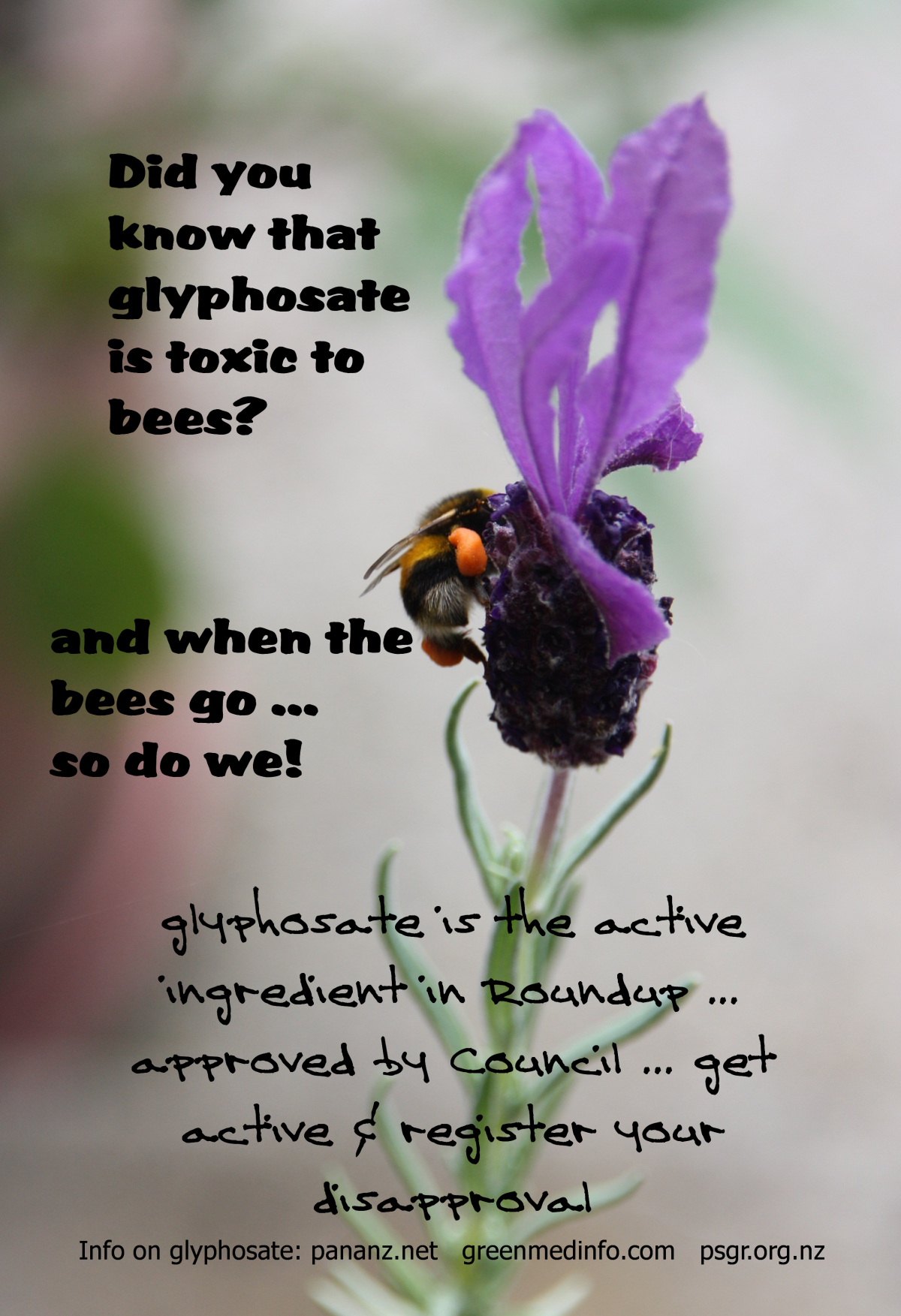
Photo: pixabay.com

Company Genetically Engineers Fruit Flies To Be “Biofactories” For Fake Meat Production

The biotech company Future Fields has notified the Canadian authorities of its intention to commercialize EntoEngine, a genetically modified fly. The flies are engineered to produce foreign proteins – in this case, growth factors, which are cell signaling molecules that play important roles in cell proliferation and development, for use in what Future Fields calls “cellular agriculture” – what we call lab-grown or fake meat, GMWatch reported.

Source: GMWatch Report by Claire Robinson; technical advice by Dr Michael Antoniou

The public can comment on the application until 28 January 2023 and we encourage them to do so. In GMWatch’s view, EntoEngine flies poses serious environmental risks in the likely event that they will escape contained conditions.

The details

The company says, “The EntoEngine fly line has been genetically engineered to express a growth factor isolated from cows…. The gene sequence poses no known risks to either humans or animals. Expression of the gene encoding the growth factor is under the control of a gene expression regulator isolated from yeast.”

Future Fields argues that the GM fly is needed to replace the usual way of producing growth factors – in bioreactors. The company confirms what GMWatch has long said – that bioreactor technology is expensive, resource and energy hungry and produces vast quantities of problematic waste. The company concludes, reasonably, that growth factors cannot be produced cost-effectively using bioreactor technology – so they aim to produce them in GM drosophila, or fruit flies.

The company makes grand claims for the fly’s sustainability and environmental friendliness, compared with bioreactor protein production, based on lower input use and less greenhouse emissions. Drosophila, Future Fields says, “do not have these large operation costs and require only modest environmental controls to ensure optimal rearing… Drosophila can feed on organic side streams and byproducts from other processes (i.e. organic waste). In fact, insects are some of the most efficient organisms at converting nutrients into biomass.”

However, the problem with this “solution” is that even with a cheaper source of cell growth factors in the shape of the flies, lab grown meat will still need to be produced in huge bioreactors, with the consequent vast running costs and environmental impacts.

Patent

Future Fields describes the status of the patent on EntoEngine as “pending”. Our patent search on the Espacenet and USPTO databases only found one patent on a GM insect with Future Fields as an applicant. The patent, titled “Method for producing recombinant proteins in insects”, describes the general concept patent but lacks the experimental data to prove that the system actually works. It’s unclear whether other patents exist, but the details of this patent illustrate the types of process that would be used for EntoEngine protein production.

The patent focuses on heat stress (taking the temperature up to 35-40 degrees C) as the trigger that will activate expression of the transgenes in the flies to produce the desired growth factors.

The expression of the transgenes encoding for the desired protein (in this case, mammalian cell growth factors) is under the control of a “gene expression regulator” derived from yeast. So these flies would appear to contain two foreign transgenes: One encoding the desired protein to be expressed and isolated from the flies; and the other encoding the yeast gene expression regulator.

In all likelihood, the yeast-derived gene expression regulator is a member of the heat shock factor family of proteins. The function of these proteins is elevated upon heat stress and their role is to increase expression of genes that will help the organism protect itself from external stresses (e.g. heat, cold, UV light).

Torturing fruit flies

Regarding the heat stress trigger, the patent describes a gruesome and torturous process of gradually getting the flies used to the higher temperature of the heat stressor so that they don’t die from the shock of a sudden rise, by applying the stressor interspersed with “rest” periods.

When the insects have exhausted their ability to produce growth factor, they are killed and “harvested”, in the words of the Future Fields patent, then ground up into a mass, and the desired protein is extracted and purified out. It is unclear how well the purification process will work and GMWatch warns that native fly proteins could end up contaminating the final product.

Doubtful ethics

The company’s patent and publicity make a big deal out of the supposedly superior ethics of using fruit flies to manufacture growth factors for “cellular agriculture”, as opposed to extracting them from fetal bovine serum (FBS) taken “from fetuses of pregnant cows prior to slaughter”. The patent says that cattle-derived FBS gives rise to “ethical concerns regarding the production of cultured meat products”.

But the point on ethics is disingenuous and contradictory, as Future Fields itself justifies its GM flies approach as replacing growth factors produced in bioreactors and not as replacing FBS, because FBS is not used by the lab grown meat industry.

Along the same lines, Future Fields’ use of language in its patent seems manipulative. While the cattle from which FBS is derived are subject to “slaughter”, the GM fruit flies are merely “harvested”, just like the crop plants that even vegans would be happy to eat.

But anyone concerned with the ethics around animal use in agriculture is unlikely to be impressed by Future Fields’ description of its GM fly as “a standalone biofactory” – the ultimate reduction of a living creature to a machine.

At a time when prominent environmentalists, from Sussex University’s Prof Dave Goulson to TV’s David Attenborough, are trying to persuade the public to give insects the respect they deserve as key regulators of ecosystems, genetically engineering fruit flies and then characterising them as “biofactories” or as non-sentient beings on a par with a wheat or maize crop seems distasteful in the extreme.

By timely coincidence, recently published EU-funded research shows that fruit flies, though “tiny”, are ” amazingly smart”. They are capable of attention, working memory and conscious awareness – abilities we usually only associate with mammals.

Environmental risks

The main risk posed by the GM flies is environmental. Containment facilities for GM animals are notoriously insecure – GM glofish have escaped from tanks and are breeding in the wild in Brazil and a whistleblower report paints a damning picture of lax attitudes and neglect of protocols at AquaBounty’s GM salmon-producing facilities. The risk with GM flies is that they could escape and breed in the environment or cross-breed with natural flies, leading to the escape of growth factor-producing genes into wild populations.

This wouldn’t pose a human health risk, as most of us don’t eat living fruit flies and the proteins in dead flies would quickly degrade. But plenty of animals, including mammals, fish, amphibians, and birds, do eat living flies. Because the growth factors in the GM flies are mammalian, they will to some degree be active in any animal that ingests them. This could cause uncontrolled cell division in the animal consumer – potentially leading to cancer.

In evaluating environmental risk in the case of an escape, much depends on what triggers are used to make the growth factor-producing genes express. The heat stress triggers discussed in the patent are worrying because they are designed to spring into action at 35-40 degrees C – temperatures regularly reached in the climate conditions of many parts of the world. And this raises the question: What happens at 31 or 32 degrees? Nothing, or something? And if something, then what?

Conclusion

Future Fields’ GM fly appears to be an invention of dubious utility that will do little to improve the sustainability of the environmental catastrophe-in-the-making that is lab grown meat. It poses unacceptable environmental risks in the event of an escape and the ethics around the GM fly’s grim life and grimmer death are dubious, to say the least.

Photo: sustainablepulse.com

POLLINATING FLOWERS OF FRUITING PLANTS (Wally Richards)

Pollination can be a problem for gardeners when it does not occur naturally.

Various plants use different modes of pollination from attracting insects such as bees to move the pollen to air movement or vibration.

Often we think of the honey bees as the main pollinators, which for a number of plants and crops they surely are, but then there are bumble bees, native bees, flies, moths, butterflies and other insects which can all assist in the pollination process.

A number of native plants have white flowers to attract the moths at night as New Zealand did not originally have other pollinators other than our native bees.

The wind, or more to the point, breezes are also responsible for moving the pollen in some plants to complete the fertilisation process.

A good example of this in the vegetable garden is sweet corn, the pollen is formed on the male flowering heads at the top of the plant with the female corn tassels below, given a light breeze and the pollen dust falls to the tassels below or to the corn plant next door.

This is the reason we plant corn in clumps, fairly close to each other to ensure that a good set is achieved and the cobs are full.

Each one of those fine tassels that form on the ears of corn are connected individually to a embryo corn seed and each tassel needs to receive pollen to fill the cob completely.

Those cobs that only have a number of mature seeds with misses means that those misses did not receive pollen from the tassel.

When I grow corn I like to do a bit of hand pollination on a sunny day when the tops are laden with pollen. This is simply done by running your hand up the male flowers and dumping the contents on the female tassels below.

It helps ensure fuller cobs at harvest time. Also 2 weekly sprays of Magic Botanic Liquid makes for better, bigger sets on the cobs.

When nature and elements don’t do the pollination for you, then this is where you the gardener, can step in and do the job yourself.

Some plants are what we call ‘self fertile ‘which means that the plant will ensure that it will set seed without the need of another plant of the same species being anywhere near. Many of these are breeze pollinated.

The rest of the plants of various types are likely to need another similar plant nearby to ensure a good fruit or seed set.

These other plants are often referred to as pollinators and without one you will still get some fruit setting, but no where as good as if you had a pollinator also. Many of these will be pollinated by bees or other insects.

Then again in some plants such as with Kiwi Fruit you have a situation where some plants are male and some are female and then you need at least one male in close proximity to about 1 to 5 females.

Where room is limited we have overcome the problem of having to plant two separate kiwi fruit vines by grafting a male and female onto the same root stock.

Even then there is no guarantee that you are going to achieve a good fruit set as it requires bees to visit both the male and female flowers to move the pollen.

Because of the varroa mite, which has destroyed most if not all the feral bee colonies there may not be any honey bees around your gardens any more.

Then it comes down to the bumble bee and native bees along with other insects to do the job.

Chemical Insecticides such as Confidor also has caused all pollinators populations to decline.

Another problem may occur where the possible pollinators are elsewhere in the garden collecting nectar and leaving your tree alone even though its in full flower.

You can help to attract the possible pollinators to your target tree by dissolving raw sugar in hot water and adding more water and then spraying the sweet liquid over your target tree.

Another problem can occur if a plant is in a too shady situation where it does not get sufficient sunlight directly on the plant to initiate flower buds or if the buds form, they buds don’t open into flowers.

We often see this on roses in the shade which don’t flower well and also on flowering house plants that are too far from natural light to flower properly, such as flowering begonias.

Cold conditions can mean a plant such as a tomato will flower but not produce pollen, thus the flowers fall off after a few days. Cold setting types are best for those colder times.

Also if it gets too hot then tomatoes will not set fruit and that can be seen at times in glasshouses.

Tomatoes are not pollinated by honey bees, but the vibration from a bumble bees wings does the trick as they fly near the plant.

A light breeze on a sunny day when the flowers are pollen laden does the job and generally speaking tomato plants outdoors will set fruit well.

In glasshouses and similar sheltered areas the plants may fail to set and this can be overcome on a sunny day by simply tapping the stake or trunk of the plant to cause a vibration.

A very important aspect in the flowering fruiting cycle is to have ample potash available to any flowering/fruiting plant.

A monthly sprinkle of Fruit and Flower Power on the soil in the root zone will greatly assist.

Pumpkins, zucchini and melons have both male and female flowers on the same plant and the pollen needs to be moved from the male to the female.

If you have good populations of bumble bees around then they normally do the job for you otherwise you will not have a crop.

The female flower is easy to determine as they have the embryo fruit behind the flower, the male does not.

To ensure a good fruit set I like to, on a nice sunny day, pluck a male flower off the vine that has ample pollen and after removing the petals rub some of the pollen onto the centre part of the female flowers.

If the fruit is not pollinated it will still grow for a time but then rot off.

Passion fruit can be another one that a bit of hand pollination will help ensure a good crop.

Too much nitrogen in the form of man made fertilisers or animal manures can cause plants to vegetate which means they produce lots of growth but little or no flowers.

If this is happening then apply Fruit and Flower power to kick in the flowering cycle and stem the rapid growth.

Some plants such as bougainvillea need a bit of stress to give a great show of flowers.

If you feed them well and supply ample water they tend to grow all over the place and not flower.

Instead let them dry out for a time to kick in the flowering cycle and don’t feed them much either.

As a gardener you need to remember that most plants only flower to reproduce themselves by seed.

When their lives are threatened then they quickly go into a flowering cycle.

The best example of this is a number of annual weeds that grow lushly in the spring when there is ample rain but as soon as the soil starts to dry they start to flower.

On our vegetables such as cabbages and silverbeet we need to keep the soil moist because if we allow it to dry out too much the plants will bolt or in other words, go to seed prematurely.

One last aspect is potatoes, early types will be mature and ready to harvest when the tops start to flower.

Late types will be ready when they have flowered and the tops start to die back.

Often you may see that fruit not unlike tomatoes form on the potato tops, these are the fruit which are not to be eaten as they are poisonous, these fruit contain potato seed


Phone 0800 466464
Garden Pages and News at www.gardenews.co.nz
Shar Pei pages at  www.sharpei.co.nz
Mail Order products at www.0800466464.co.nz


New Zealand Bill of Rights Act 1990. Part II of the Act covers a broad range of Civil and Political Rights. As part of the right to life and the security of the person, the Act guarantees everyone:

1The right not to be deprived of life except in accordance with fundamental justice (Section 8)

2The right not to be subjected to torture or to cruel, degrading, or disproportionately severe treatment or punishment (Section 9)

3The right not to be subjected to medical or scientific experimentation without consent (Section 10)

4The right to refuse to undergo any medical treatment (Section 11)

 Furthermore, the New Zealand Bill of Rights Act 1990 guarantees everyone: Freedom of Thought, Conscience, and Religion.
This includes the right to freedom of thought, conscience, religion, and belief,
INCLUDING THE RIGHT TO ADOPT AND HOLD OPINIONS WITHOUT INTERFERENCE (Section 1)

Image by Ralph from Pixabay

We haven’t seen a quarter of known bee species since the 1990s

(A sad reflection of the state of our world… seriously trashed EWR)

From lbfromlv.wordpress.com

Bees feed us. Many of the 20,000 species pollinate 85 percent of food crops and fruits around the world—everything from garlic and grapefruits to coffee and kale.

But, it seems, these crucial insects aren’t doing very well. A study published today in the journal One Earth reveals that in recent decades, the number of bee species reported in the wild has declined globally. The sharpest decrease occurred between 2006 and 2015, with roughly 25 percent fewer species spotted—even as sightings by citizen scientists were increasing rapidly.

Halictid bees—also called sweat bees for their attraction to our perspiration—pollinate important crops such as alfalfa, sunflowers, and cherries. Observations of these tiny metallic fliers have fallen by 17 percent since the 1990s, the study found. Bees in the rare Melittidae family, which provide us with blueberries, cranberries, and orchids, have plummeted by as much as 41 percent. (The world’s bees are divided among seven families.)

Though lesser known, such wild bees supplement the work of honeybees in managed hives.

READ MORE

https://lbfromlv.wordpress.com/2021/01/24/we-havent-seen-a-quarter-of-known-bee-species-since-the-1990s/

Image by Terri Sharp from Pixabay

Bees and Glyphosate

Bee Poster

Currently in the Rangitikei, as in many other places, Roundup is the herbicide of choice for cleaning up weeds. Recently however, the World Health Organization (WHO) has taken recognition of the decades of independent research that warns of its health risk. WHO is warning people of the fact that it probably causes cancer. Check out the Glyphosate page on this site for further information on that.

pesticides_roundup_herbicide_735_250
Roundup, the herbicide of choice that contains glyphosate and is toxic to our bees

Personally I approached the Rangitikei District Council (RDC) twelve months ago to warn them of these dangers and make known to them the vast amount of research that exists linking it with not only cancer but many other illnesses including birth defects. Now, add to this another damning factor … its toxicity to bees. Bees are essential for pollinating our plants. As the poster above conveys,experts confirm that if the bees die off, we humans could well follow. Our toxic environments are destroying the very organisms that ensure the continuation of life on planet earth.

That said, the RDC is not convinced by either the extensive research or any announcements by WHO. Currently in fact, going by the last time I heard them discuss this (March 2015) they are of the opinion that I am the only person in the Rangitikei who is concerned about this. We now have a petition that indicates there are in fact another 97 who are. Good news. If you are connected with the Rangitikei, spend any time visiting, live here or intend to, please consider signing the petition.

Watch for further updates and information on the role of bees in our food chain.

~ Envirowatchrangitikei ~