Tag Archives: planting

Gardening: What to plant & when (Wally Richards)

With a great number of first time gardeners growing their own vegetables, a question that I am often asked is; when is the best time to plant various crops?

This is a difficult question to answer as conditions vary greatly in different parts of the country.

To make matters more complicated, you can have a situation where the growing conditions can be different just half a mile away which is a result of what we call micro-climates.

A gardener with a good micro-climate; as a result of the terrain, or by established trees, making a sheltered hot spot which can be planting out a month or more before it is safe for another gardener to do so, a bit further down the road.

When you buy packets of seeds you will find on the packet the average best sowing times for various regions.

This information is general and unless you know your own growing conditions, succession sowings should be made about 2 to 4 weeks apart.

If the early plantings fail through weather conditions, your later ones will be more successful, as the weather settles.

Over a period of years you will become a better judge of when to sow and plant out.

A gardening diary giving weather conditions each week and sowing times will make a great reference for the future plantings.

Keen gardeners like to beat nature and grow plants out of the normal season so they can have early crops and this can be done with a glasshouse, or the use of plastic film over wire hoops to warm the garden soil and protect the germinated seedlings from adverse weather conditions.

Early plantings can also be assisted by placing plastic bottles over the individual plants after cutting the bottom off and removing the cap.

The most important aspect is when not to plant out seedlings of vegetables.

Late plantings of vegetables towards the end of autumn means they have only a small window of growth, which is progressively slowing down day by day.

In mid winter growth can reduce to zero and immature crops will just sit waiting for better times.

As the daylight hours extend and the soil warms, they then get a growth spurt but because of the previous conditions the plants feel their lives have been threatened and will only grow on a bit and then go to seed. (Bolt)

Thus the crop is a failure, a waste of time and money. Crops of winter vegetables are planted in summer to grow to near maturity as winter sets in.

In doing so they will mature ready for use in winter and hold nicely over the cold winter months.

For instance leek seedlings will be planted out in December through to February for succession, winter harvesting.

Brassicas, such as winter cabbage and Brussel sprouts will be planted out later in January through till March, dependent on varieties (maturity times) and succession requirements.

The worst problem with brassicas grown for winter is that the young plants have to face the problem of the white butterfly’s caterpillars when the pests are most active.

By placing Neem Tree Granules in the planting hole and sprinkling some onto the soil, around the plants will greatly assist in control.

Refresh the granules every 6 weeks with a few more onto the soil.

Stress on vegetables that are not grown for their fruit (cabbages etc as apposed to say tomatoes) can make them go to seed prematurely.

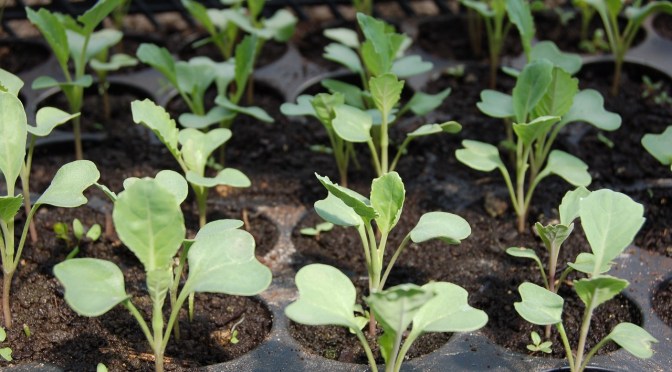
Two ways this can happen, one is purchasing seedlings that are in punnets and have become root bound and likely have suffered stress through inadequate waterings.

Always look for the very young fresh seedlings of non fruiting plants to purchase, even if you need to grow them on in their punnets till they are of a nice size to plant out.
The next problem can occur during the spring when weather conditions fluctuate from nice warm sunny days to cold miserable days.

The plant’s growth responds to the sunny warm days and then they sulk in the cold windy days.

This stress of change, makes the plants believe that conditions are not good and their lives are threaten, so all they want to do then is reproduce themselves, so then they go to seed.

Often not straight away as they have to reach a certain level of maturity to be able to flower and thus several gardeners have contacted me recently to ask why their early spring plantings have gone to seed.

Either of the above can be the cause of bolting.

A number of gardeners also like to do late plantings if they live in areas not prone to early frosts.

Late plantings of sweet corn in January can often result in a second harvest of cobs before winter sets in.

Tomatoes sown from seed in December and January should give you more ripe fruit after your earlier plantings have finished.

You do not even have to sow seed, as you can strike the laterals (side shoots) to make a new young plant, once it has rooted up.

To do this; fill a small pot two thirds full of compost and fill the balance to the top with sand or fine pumice.

Remove a lateral which should be about 6cm long and place it into the sand to about the depth of the sand.

Moisten down and keep moist. When the plant stands up and shows some new growth then the early roots have formed.

If you spray the laterals with Vaporgard a day before you remove them off the parent plant, you will have a new young tomato plant quicker.

When removing laterals off tomatoes or old leaves, it is most important that you do not do this during humid or moist times as a disease can enter the wound and you lose a good plant.

Remove laterals on a nice sunny day when the air is dry and as you remove each lateral, spray the wound with Liquid Copper.

It is still not too late to plant seeds of summer crops unless you live in an area prone to early frosts.

Keep the soil moist at all times using non chlorinated water. (Put a filter onto your tap to remove the chlorine) it makes the world of difference and your crops will grow quicker and healthier.

Gardeners that use tank water or are fortunate to live in a town/city that does not dose the water supply with this chemical poison, do not have to worry about a filter.

If you do not have room for a vegetable plot then use containers or planter boxes to grow as many vegetables as possible.

 Fill the containers with a good purchased compost, not potting mix.

Much better for your health and pocket.

Phone 0800 466464
Garden Pages and News at www.gardenews.co.nz
Shar Pei pages at  www.sharpei.co.nz
Mail Order products at www.0800466464.co.nz


New Zealand Bill of Rights Act 1990. Part II of the Act covers a broad range of Civil and Political Rights. As part of the right to life and the security of the person, the Act guarantees everyone:

1The right not to be deprived of life except in accordance with fundamental justice (Section 8)

2The right not to be subjected to torture or to cruel, degrading, or disproportionately severe treatment or punishment (Section 9)

3The right not to be subjected to medical or scientific experimentation without consent (Section 10)

4The right to refuse to undergo any medical treatment (Section 11)

 Furthermore, the New Zealand Bill of Rights Act 1990 guarantees everyone: Freedom of Thought, Conscience, and Religion.
This includes the right to freedom of thought, conscience, religion, and belief,
INCLUDING THE RIGHT TO ADOPT AND HOLD OPINIONS WITHOUT INTERFERENCE (Section 1)

Photo: pixabay.com
TOMATO STARTING TIME (Wally Richards)

August for my money is the start of a new growing season, the day light hours are increasing every day plus dormant plants and trees are waking up.

Time waits for no man and so the quicker we get started the better; the sooner we will be rewarded with the fruits of our endeavors.

Already garden shops have tomato seedlings in cell packs and individual pots ready for you to grow on.

Likely you can find some Sweet One Hundred tomato plants which a plant is a good choice as it produces early a lot of bite size ripe tomatoes which are ideal in your summer salads.

Early Girl is another one you are likely to find as it is a medium size early maturing tomato suitable for the home garden.

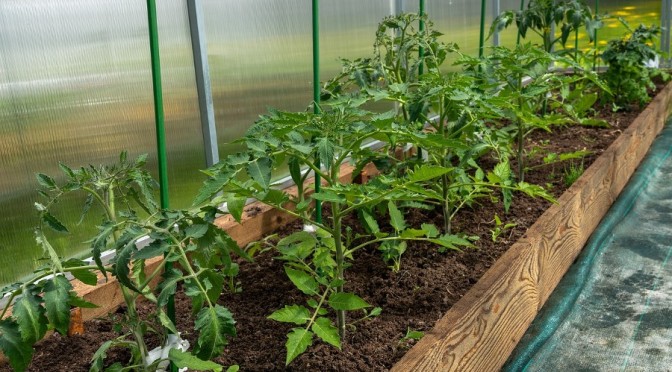
Now if you have a glasshouse or the equivalent then you off growing with a smile on your face.

A glasshouse protects from the elements but it does not protect from what you do.

If your glasshouse is an open soil to grow in or even a raised garden you have constructed to grow in then do not be in a hurry to plant your new tomatoes in the cold soil.

If you have a thermometer put it into the soil and see what temperature is at 5 centimeters deep.

Until you have a consistent soil temperature of 10 degrees C (Which is the temperature many seeds will germinate at) there is no point of planting the tomatoes into the cold soil.

This is particularly so if the soil is wet. Dry soil will give a higher temperature reading.

But you are impatient, you want to be the first in your circle of friends to have a ripe, new season, home grown tomato.

Ok dig a hole a couple of spade depths and get the motor mower out with a catcher on and mow the grass (hopefully the grass is not too wet to mow.)

Now stuff the grass clippings into the hole and pack down firmly till it is within about 100mm of the soil level.

Sprinkle about 10mm of soil on top of the grass and then sprinkle Wallys Secret Tomato Food with Neem onto the soil then another 10mm layer of soil over that.

Thats about a 80mm hole which you can sit your tomato plant in the middle of and back fill the hole so the trunk of the tomato plant will be buried up to or just beyond the first set of leaves.

The reason to bury the plant deep is because tomatoes will produce more roots up the trunk when buried.

A bigger root system will ensure a bigger healthier plant.

Now sprinkle some of Wallys Secret Tomato Food with Neem onto the soil around the plant but not touching the trunk.

This food will be watered down over time and the Neem Powder will create a smell disguising the tomato plant smell making it more difficult for insect pests to find where to lay their eggs.

In fact you could also Spread some of Wallys Neem Tree Granules around over the soil areas to make even a bigger smell barrier.

The heat from the composting grass will warm the soil and speed the growth of your tomatoes.

Also place a stake into the soil near the plant for support later on and on the stake hang one of Wallys Sticky white Fly traps with only one side’s cover peeled off to expose the sticky yellow surface.

The still covered other side will rest against the stake.

As you plant grows taller lift the yellow sticky pad higher so it is always just above the top of the plant.

Hang a White fly sticky trap near each vent and door to catch any incoming.

Do all this and with any luck you will have a season without a lot of whitefly problems.

Now if you do not want to make a hole and fill with grass clippings then repot your tomato plants into pots a bit bigger than what they were purchased in, use black pots as they are best for trapping heat.

The reason being is that you dont want to go into too bigger pot too soon and have the danger of over watering and maybe killing the tomato plants.

You can keep re-potting into larger size pots as the plants fill the pot with their root system.

Apply the Wallys Secret Tomato with Neem at each stage, in the pot and on top of the mix.

The plants will need watering and a little often, during the day is the rule rather than a drench to make the soil colder at night.

If you do not have a glasshouse you can use a sunny porch, conservatory, car port or under the eaves on the north side of the house.

The potting up progressively to bigger size containers is the answer for best results.

Later on when the season progresses you can plant your potted tomatoes out into a sunny sheltered area of the garden.

Likely they will then be about a metre tall and in a large bucket size container.

Using Wallys Neem Tree Granules and Yellow sticky white fly traps out doors will also help reduce insect pest problems.

If you do not have any place to plant your tomato plant then get a plastic container or plastic rubbish bin than is between 50 litres to 100 litres.

A 200 litre plastic drum cut in half is ideal. But make sure its sitting where the plant will spend all summer and autumn as it will be very heavy to move around.

Use Daltons Value Compost as the growing medium.

Apply Wallys secret Tomato Food With Neem to the soil surface every so often or every 4-6 weeks

It has a good amount of potash which will ensure you have great juicy tasting fruit.

If you had problems with the tomato psyllid last season then you need to invest in Wallys Cell Strengthening products to eradicate the pests from your back yard.

Spray your tomato plants with Wally Magic Botanic Liquid (MBL) every week as they are growing to ensure healthy good producing plants.

I mix up the MBL in a one litre trigger spray bottle and leave it sitting near the tomato plants so I can spray them when ever passing if required.

If any insect pests start to get established such as white fly then spay just before sun set with Wallys Super Neem Tree Oil and Super Pyrethrum combined, under and over foliage.

Repeat every 7 days as required.

If you have a worry about blight on your tomatoes then Spray them with Wallys Super Copper Nutrient at 5 mil rate and a month later again.

If blight does attack spray the Plants with Perkfection at 7mil rate.

When removing laterals only do so on a sunny day when the air is dry.

To set fruit on a sunny day tap plants to make them vibrate which sets the fruit.

Ensure that later on when in flower that the medium is kept moist so you do not get blossom end rot.

Phone 0800 466464
Garden Pages and News at www.gardenews.co.nz
Shar Pei pages at  www.sharpei.co.nz
Mail Order products at www.0800466464.co.nz


New Zealand Bill of Rights Act 1990. Part II of the Act covers a broad range of Civil and Political Rights. As part of the right to life and the security of the person, the Act guarantees everyone:

1The right not to be deprived of life except in accordance with fundamental justice (Section 8)

2The right not to be subjected to torture or to cruel, degrading, or disproportionately severe treatment or punishment (Section 9)

3The right not to be subjected to medical or scientific experimentation without consent (Section 10)

4The right to refuse to undergo any medical treatment (Section 11)

 Furthermore, the New Zealand Bill of Rights Act 1990 guarantees everyone: Freedom of Thought, Conscience, and Religion.
This includes the right to freedom of thought, conscience, religion, and belief,
INCLUDING THE RIGHT TO ADOPT AND HOLD OPINIONS WITHOUT INTERFERENCE (Section 1)

Time to plant new season’s strawberries (Wally Richards)

New seasons strawberry plants are now available in garden centres. The nurseries that grow the plants lift them after the autumn rains have moistened the soil sufficiently, then they are distributed to garden centres.

I find that the sooner you can get your new strawberry plants into their new beds the better results you have in the first season.

Like all things planted it is root establishment that is so important.

When planting place about a teaspoon of Unlocking Your Soil in the planting hole with a pinch of BioPhos for each strawberry plant.

Gardeners with existing beds of strawberries will likely have a number of runners that have rooted in nicely, these can be used for new season plants..

If the existing strawberry bed is not congested with old and new plants and there is ample room still for all the plants to grow and produce, then you can get away with not lifting the runners or only lifting those that are too close to existing plants.

Strawberries are easy to grow and can be grown in open ground or containers.

In open ground the most practical way is to make a bed with wood surrounds 16 to 20 cm tall and have a hinged frame over the bed that has either plastic bird netting or wire netting over the lid.

The whole frame needs to only sit on the soil so it can be moved if required.

If using tanalised timber for the surround then after cutting to size; paint all the wood with a couple of coats of acrylic paint to prevent chemicals leeching into the soil.

Strawberries can be grown in troughs about 16 to 20 cm wide and similar depth then as long as required. I like to hang these off the top rail of a fence.

Special strawberry planters made from clay or plastic are not very good and your results are likely to be poor. (Thats the types where plants are placed in holes around the container as well as on top.)

Polystyrene boxes with holes in the bottom are also ideal containers for good crops if they have a rooting depth of 15cm or more.

The growing medium should be a good compost such as Daltons or Oderings to which you can add untreated sawdust and a little clean top soil or vermicast. (Worm casts from a worm farm)

A mix of about 75% compost, 20% sawdust and 5% vermicast is good value.

Mix the above in a wheelbarrow then place a layer of the mix 5 cm deep in the base of the trough or container.

Now sprinkle a layer of chicken manure, some potash, BioPhos, Unlocking Your Soil and Ocean Solids. Horse manure is also very good.

If you do not have chicken manure available use sheep manure pellets and blood & bone.

Cover with more compost mix to a depth suitable for planting your new strawberry plants.

A similar process can be applied to a open bed with a frame, though the frame height may need to be taller than previously suggested.

Ensure that the soil at the base of the frame is free of most weeds and then place a layer or two of cardboard over the soil. This will help prevent weeds from coming up in the bed, then fill as suggested.

There are a number of different varieties of strawberry plants available to the home gardener, sometimes the older varieties such as Tioga and Redgaunlet (both are hard to come by now replaced with the newer varieties such as Chandler, Pajaro and Seascape.

Different varieties will do better or worse in different climates so choose the ones most suited to your area of the country.

Strawberry types include:

Strawberry Baby Pink ™ Producing stunning beautiful pink flowers followed by small to medium red fruit with sweet traditional flavour. Large bunches of berries ripening over a long period.

Habit – Compact strong growing strawberry. Size – Give these small to medium plants close spacing.

Pollination – Self-fertile. Unknown if short day, neutral or long day type.

Strawberry Camarosa; Large to very large medium dark red fruit. Firm medium red flesh with excellent flavour. Conical shape.

High resistance to wet weather. Habit – Suitable for Northern and Central districts. Vigorous growth habit.Size – Give these vigorous plants wide spacing.

Pollination – Self-fertile. Short day type – flowers are initiated by short day lengths.

Harvest – Fruit ripen 20-35 days from flowering depending on climate, with light crops in early summer, followed by a main crop in December – January. Yield is very good.

Strawberry Chandler; Small to very large medium red fruit. Firm light red flesh with very good flavour. Conical shape. High resistance to wet weather.

Habit – Suitable for Northern and Central districts. Multi-crowned growth habit.

Size – Give these multi crowned plants medium spacing. Pollination – Self-fertile. Short day type – flowers are initiated by short day lengths.

Harvest – Fruit ripen 20-35 days from flowering depending on climate, with light crops in early summer followed by a main crop in December – January. Yield is very good.

Strawberry Sundae ™ Large red fruit with excellent flavour. Firm red flesh in an oval shape.

Habit – Suitable for Northern and Central districts. Vigorous growth habit. Size – Give these vigorous plants wide spacing.Pollination – Self-fertile. Short day type – flowers are initiated by short day lengths.

Harvest – Fruit ripen 20-35 days from flowering depending on climate, with light crops in early summer followed by a main crop in December – January. Yield is average.

Strawberry Supreme ™ Very large bright red fruit. Very firm red flesh with excellent flavour. Conical shape. Good resistance to wet weather. Habit – Suitable for Northern and Central districts.

Moderately strong growth habit. Size – Give these small to medium sized plants close spacing.

Pollination – Self-fertile. Short day type – flowers are initiated by short day lengths.

Harvest – Fruit ripen 20-35 days from flowering depending on climate, with light crops in early summer followed by a main crop in December – January. Yield is very good.

Strawberry Temptation™ Medium bright red shiny fruit with excellent flavour. Pale firm flesh.

Habit – Compact strong growing strawberry. Tough and resilient in relation to pest and diseases.

Size – Give these medium plants close spacing.

Pollination – Self-fertile. Only NZ bred Day Neutral strawberry which means they will set fruit regardless of how long or short the days are making this an ideal fruiter national wide.

Will extend the North Island season. Harvest – Consistent high yields of berries ripening over a long period from October to March.

To enhance your strawberries and increase the crop yields by 200 to 400% drench the bed with Mycorrcin after planting and repeat again in a couple of months time.

 Spray the plants with Mycorrcin every two weeks till end of season. Make up in a trigger sprayer it keeps so leave by strawberry bed and spray as required. MBL can be added to the spray.

For bigger berries you may like to try Wallys Secret Strawberry Food.

Special this week till next Sunday

one 250ml Mycorrcin $19.00 and one 1kg Wallys Secret Strawberry Food $18.00  Total $37.00 with free shipping on this to your home saving you $8.50 shipping fee

Both products can be used on other flowering and fruiting plants.

Order at www.0800466464.co.nz  put on WEEKLY SPECIAL in remarks box and I will phone you in regards to payment method.
Phone 0800 466464
Garden Pages and News at www.gardenews.co.nz
Shar Pei pages at  www.sharpei.co.nz
Mail Order products at www.0800466464.co.nz


New Zealand Bill of Rights Act 1990. Part II of the Act covers a broad range of Civil and Political Rights. As part of the right to life and the security of the person, the Act guarantees everyone:

1The right not to be deprived of life except in accordance with fundamental justice (Section 8)

2The right not to be subjected to torture or to cruel, degrading, or disproportionately severe treatment or punishment (Section 9)

3The right not to be subjected to medical or scientific experimentation without consent (Section 10)

4The right to refuse to undergo any medical treatment (Section 11)

 Furthermore, the New Zealand Bill of Rights Act 1990 guarantees everyone: Freedom of Thought, Conscience, and Religion.
This includes the right to freedom of thought, conscience, religion, and belief,
INCLUDING THE RIGHT TO ADOPT AND HOLD OPINIONS WITHOUT INTERFERENCE (Section 1)

TIME TO PLANT FOR WINTER (Wally Richards)

December, January, February are the best months for planting vegetables and flowers for winter food and colour.

The reason is you need to catch the longer day light hours to obtain reasonable growth.

The day light hours are progressively diminishing but during these months there is ample time to get plants to a mature state before winter sets in.

Once it chills down vegetables which are mature or near mature, will hold nicely in the garden for you to harvest as you require.

There is a problem from my experience is that seedling nurseries don’t produce winter type vegetable plants and flowers until we are just about into winter. By then by then you have lost the growth of the longer day light hours.

Chances are that they will sit and sulk during winter then bolt in the spring to flower.

Many gardeners prefer to buy seedling in punnets or cell packs to plant which is very expensive even if you are getting a head start in comparison to growing from seed.

That is only an advantage at the start as seed sown vegetables, sown at the same time as transplanted seedlings from seedling packs, will out grow the transplants and give you a superior plant.

The key is not to sow seeds in containers to transplant but to direct sow where they are going to grow and mature.

Nature is by far the best plant grower from seed that I know of; just look at the crops of weeds that Nature has germinated in your gardens.

I am going to show you now the very best way to direct sow and grow seed in open ground or in raised gardens.

Select a sunny area of either of the above and remove all weeds that are currently growing there.

Rake the soil over to obtain a nice level area of friable soil.

Over this you sprinkle blood & bone, sheep manure pellets and Ocean Solids.

Alternative or as well as you can use any animal manures you have available.

Lightly rake the above to mix with soil or growing medium.

Then place about 4 layers of newspaper or one layer of thin cardboard to suppress any weed seeds that are likely to germinate. Wet down the paper or cardboard.

Next spread a layer of good purchased compost and I recommend Daltons Compost as its not just a bag of rubbishy bark with some lime and fertiliser thrown in.

(Some contains green waste that has herbicides in it as well which is no great help in establishing your plants.)

You are now ready to sow seeds of crops suitable for this time of year sowing

You need to do a bit of research on the Internet for mail order seeds from Egmont Seeds or Kings Seeds

Look at all the types available in say cabbages to see which ones are for winter growing/harvesting.

Buy the ones that suit you and the season best.

Open pollinate seeds are preferred ones to buy and g row as they will mature at different times rather than all at once. You can also note the recommended plant spacing distances on the ones you are buying.

Normally there are a lot of seeds in the packet and you are only going to sow a few of them at one time.

The packets with spare seed in them can be placed in a glass jar with a lid and placed in your fridge to keep well for future plantings.

Say the spacing is 30cm apart then you are going to put 2 seeds 15cm apart on top of your purchased compost and then spray them with Magic Botanic Liquid (MBL) before lightly covering them with the compost.

Leave for a day and then lightly water the area. Repeat lightly watering each day or if drying out quickly twice a day.

After a few days or a week or more you should have a strike with lots of the sown seeds sprouting.

Allow them to grow about 5 cm tall and spray them weekly with MBL.

Once they are at about 5 to 8cm tall you are going to cull out the crop.

Where two seeds have both germinated together select the stronger looking one and with a pair of scissors cut the weaker one off at ground level.

Allow all the other seedlings to grow and water to keep soil moist. As we are at say 15cm apart and not the preferred 30 cm we wait till the foliage of all are starting to touch each other

then we harvest the young plants to leave growing plants 30 cm apart (or what ever is the ideal spacing according to the seed packet info.)

The harvested young plants can be eaten/cooked in any suitable way.

If you have ample room and you want to plant for succession then repeat sowing as above in a months time and even a late sowing a month later in March.

That is it till the spring.

I can foresee that purchased vegetables are going to become very expensive over the next year or more for several reasons.

Imported chemical fertilisers that the commercial growers use are in short supply and much dearer than they used to be.

There are already and will be more crop failures from flooding or droughts and growth is slower because of the lack of direct sunlight from overcast and cloudy days.

If you have heard about the proposed ‘Dimming of the Planet’ to offset global warming by creating hazy skies and then if you are aware it; this has nothing to do with global warming but everything to do with slowing food crops growth so you have to eat Bill Gates Lab grown food or starve.

There is a lot of truth in the saying ‘Control the food and money and you control the people’.

I learnt of a recent problem in the Philippines were a kilo of onions is now the equivalent price of $20 NZD. Reason I believe is the flooding in northern parts of Philippines where the weather is a bit more like ours and a lot of food crops are grown there.

One Filipino friend going back for a holiday said she is not taking chocolates as normal but a suitcase of onions.

Taking about Philippines and their food stuffs we have a Philippine/Asian food distribution centre here in Marton which you can order non frozen food stuffs on line and have them sent to your home with your gardening requirements.

Have a browse at http://www.0800466464.co.nz/74-philippine-products

You are likely to be surprised at how better value many items are compared to Supermarket brands of similar products. Spaghetti sauces for instance are very popular with Europeans and about half the price of NZ brands.

Also save money in your gardens by seed sowing vegetables as I have described above.

Those people that took my advice in earlier articles about having a few chickens on their property will now be enjoying the fresh eggs daily and not paying about $10.00 a dozen at the supermarket.

Its just a sign of things to come I think.

ALSO DONT FORGET OUR CURRENT PROMOTION TILL END OF MONTH..

All Neem Products (Neem Oil, Neem Granules and Powder all sizes) 20% off

Wallys Super Pyrethrum 20% off

Wallys White Fly sticky Traps 20% off

Wallys Super Compost Accelerator 600 grams 20% off

Wallys Ammonium Sulphamate 2kilos 20% off

Wallys Cat Repellent 200 grams 20% off

All the rest of our products (except bulk ones and Asian food stuff ) 10% off.

Place orders on our mail order web site at www.0800466464.co.nz and place in comments ‘PEST SALE’  so I know to do the discounts when I will phone you.

I will apply discounts and Shipping (if any) before I phone you with the total.

Then we either do Credit/Debit card over phone or I will email you bank transfer details.

If in North Island and order comes to $100 after discounts then free shipping.

In South Island $150.00 after discounts for free shipping.

The total does not include bulk items such as 12kilo BioPhos, 13kg Ocean solids and 10 kg Unlocking soil (Freight is always charged on bulk products)

The above offer is valid till 31st January…


Phone 0800 466464
Garden Pages and News at www.gardenews.co.nz
Shar Pei pages at  www.sharpei.co.nz
Mail Order products at www.0800466464.co.nz


New Zealand Bill of Rights Act 1990. Part II of the Act covers a broad range of Civil and Political Rights. As part of the right to life and the security of the person, the Act guarantees everyone:

1The right not to be deprived of life except in accordance with fundamental justice (Section 8)

2The right not to be subjected to torture or to cruel, degrading, or disproportionately severe treatment or punishment (Section 9)

3The right not to be subjected to medical or scientific experimentation without consent (Section 10)

4The right to refuse to undergo any medical treatment (Section 11)

 Furthermore, the New Zealand Bill of Rights Act 1990 guarantees everyone: Freedom of Thought, Conscience, and Religion.
This includes the right to freedom of thought, conscience, religion, and belief,
INCLUDING THE RIGHT TO ADOPT AND HOLD OPINIONS WITHOUT INTERFERENCE (Section 1)

Image by Alexey Hulsov from Pixabay


Tips for Planting plants (Wally Richards)

Gardeners are buying and planting plants now for the coming season.

This may range from seedlings of vegetables, annual flowering plants, fruiting plants and ornamental shrubs and trees.

There are a number of traps and tips which if known will make for a more successful growing season and thus more pleasure for yourself.

Lets start off with seedlings which will likely come in cell packs (each plant has its own little growth space with normally 6 cells to a pack.)

Then there is the punnets where a number of seedlings share the same growing area.

The first thing to do when looking for vegetable seedlings to grow is to see how old the plants are?

If they are on the large size in their cell/punnet then give them a miss as more than likely they have been stressed and may go to seed a couple of months after you plant them. A total waste of time and garden space.

This does not apply to flowering/fruiting vegetables such as tomato, capsicum etc as the bigger they are the further advanced they are to maturity the better.

It applies to brassicas, lettuce and such like.

Also don’t be silly enough to buy root crops in punnets such as beetroot, onions, carrots, parsnips, spring onions as they will never be any where near as good as the ones you grow from seed, planted where they will mature.

Big seeds such as beans, pumpkin should also only be grown directly from seed.

The results will be ten times better than transplants which for crops such as carrots are laughable as they will never become a nice specimen if they were grown from transplants.

The secret to seed growing in an area that they will mature in; is that they get their initial tap root or roots out and those roots do not get disturbed by transplanting.

With the likes of carrots either buy the seed that is on a seed tape or later on thin out the crop which gives you some baby carrots for salads.

I look for the younger smaller plants that are likely the freshest ones from the growers nursery.

These will likely have been kept moist in their growing medium and hence stress free.

Even if they are a bit too small to transplant that is ok; you can grow them on outside in a sheltered, sunny spot. While they are getting bigger you do not want to over water them or let them dry out.

Over watering makes them soft, under watering can lead to stress.

If you can pick the time and day that you plant out, best time is before rain or later in the day when the sun is going down.

If you are really smart you spray any plants you are going to transplant a few days before disturbing them with a spray of Vaporgard and Magic Botanic Liquid combined. (Spray for total coverage)

How many of you have planted out seedlings to see them lay down for several days on the soil till they pick them selves up and start to show growth? We have all experienced that I am sure.

Well the few days before transplanting spray of Vaporgard means that moisture loss through the foliage at transplant time is minimal and the seedlings sit up like little soldiers and start growing immediately.

This is very important: Before you try to remove the seedlings from their punnet or cell pack you plunge it into a bucket of water and watch them bubble.

This removes all air from the growing medium and also gives the seedlings a nice drink.

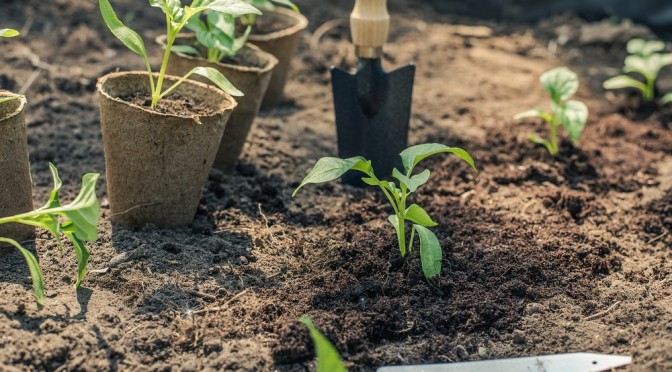
You then carefully tap out the seedlings without damaging the foliage.

They should, being so wet, slide out nicely.

Next we inspect the foliage for any pest insects or eggs.

In some cases you may have several seedlings in a cell pack or punnet that have their roots intertwined with each other.

You have two options you can plant the plug with more than one seedling and in a couple of weeks time cut the smaller ones off at soil level allowing the best fellow to grow to maturity.

Or in your bucket of water you can carefully separate the seedlings and have a lot more to plant out.

Down in; under water, they will tease out and separate nicely with minimal root disturbance.

But now maybe you have more seedlings than you need for one crop and one harvest.

No problem you put all the extra seedlings to]gether in a clump and and plant them it the garden.

Being in a clump they will not grow much but will hold so that in say a couple of weeks you can lift, divide under water and plant a second crop. (An old trick which I have held surplus for several weeks in that manner)

Soil preparation is important unless you do what I do.

Clear the area of weeds and then sprinkle what goodies you like to use over the area such as animal manures, sheep pellets, blood & bone, Ocean Solids, Wallys Unlocking your Soil, BioPhos and Wallys Calcium and Health.

Now spread a layer of purchased compost over the area to the depth of 3-4 cm.

I prefer Daltons compost as it is herbicide free and nice to work with.

Into this layer you can plant your seeds or seedlings.

Spacing is important so you do not have over crowding.

Keep moist with daily light waterings and spray the plants with Magic Botanic Liquid (MBL) each week.

Lets upscale to plants such as shrubs, vines and trees which once again you are either buying in a pot or plastic bag.

Follow the advise as for the seedlings but when you remove the plant from its grow container have a good look at the root system.

If the plant has been in the container for a while the roots will have filled the container and spiraled around the base of it.

If left like that and placed into a planting hole you may wonder months or even years later why has that plant not grown?

Simple the roots can not get out from the clump they formed in the container.

Some gardeners try to tease the roots out and that can help a little but really a waste of effort.

You take your secateurs and at the four cardinal points you cut the root spiral the depth of your blade.

Roots are like branches, you cut the end off a branch and that branch will create new branches back to the trunk.

You cut the roots and the plant makes a lot of new roots and that is what you want for growth.

It is a busy time ahead so get cracking with small plantings now followed by more each month.

Thank you for the many ‘Get Well’ emails I received in regards my virus/cold, getting better now but it does take a while. I saw on the TV channel, Al Jazeera TV News Channel that there is now good evidence that America released the initial Corona virus and have also done the same with the Monkey Pox virus.

Problems ring me at 0800 466464
Email wallyjr@gardenews.co.nz
Web site www.gardenews.co.nz

Phone 0800 466464
Garden Pages and News at www.gardenews.co.nz
Shar Pei pages at  www.sharpei.co.nz
Mail Order products at www.0800466464.co.nz

New Zealand Bill of Rights Act 1990. Part II of the Act covers a broad range of Civil and Political Rights. As part of the right to life and the security of the person, the Act guarantees everyone:

1The right not to be deprived of life except in accordance with fundamental justice (Section 8)

2The right not to be subjected to torture or to cruel, degrading, or disproportionately severe treatment or punishment (Section 9)

3The right not to be subjected to medical or scientific experimentation without consent (Section 10)

4The right to refuse to undergo any medical treatment (Section 11)

 Furthermore, the New Zealand Bill of Rights Act 1990 guarantees everyone: Freedom of Thought, Conscience, and Religion.
This includes the right to freedom of thought, conscience, religion, and belief,
INCLUDING THE RIGHT TO ADOPT AND HOLD OPINIONS WITHOUT INTERFERENCE (Section 1)

Garlic planting time (Wally Richards)

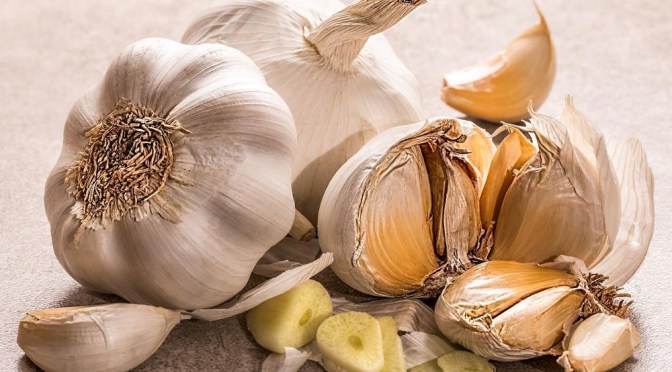
Garlic cloves are traditionally planted on the shortest day of the year (which is getting close; the 20th June) to be harvested on the longest day 21st December.

Any time from mid-May to mid-July is good for planting your garlic cloves..

There are ample good reasons to grow garlic; from its health benefits to the aromatic flavoring and taste that the gloves give to your meals.

You could not have garlic bread without garlic!

Garlic used to be an easy crop to grow before the dreaded Garlic Rust struck everyone about 3-4 years ago.

The rust has made garlic growing for commercial and home gardeners much more difficult but there is a solution that I developed and used last year called Cell Strengthening which is

achieved by getting good amounts of silica into the plants while they are growing.

More on this soon.

Planting your garlic cloves around this time and what you harvest 6 months later will depend greatly on what you do at planting time and during the growing season.

The best place to plant is in a sunny sheltered spot. Garlic loves frosts so no protection is needed.

Soil preparation: Garlic prefers a friable soil so that its roots can penetrate and the bulbs can swell easily.

I loosen up the top soil with a rake or hoe to make a fine tilth.

Then sprinkle BioPhos, gypsum, Wallys Unlocking the Soil, Blood & Bone, Sheep Manure pellets (Or chicken manure if you have it) and Wallys Ocean Solids over the area and rake it in.

I then place the cloves about 6cm apart into the soil with their points facing the sky.

Then I cover the cloves carefully with purchased compost such as Daltons or Oderings so that the cloves are covered and buried about 25mm under the compost.

I then sprinkle some Unlocking your soil over the compost.

When the first leaves from the cloves appear above the mulch then make up the Silicon and Boron Cell Strengthening Soil Drench mixed with water and give each plant a drench

over the foliage and into the root zone.

You will repeat this again about a month later.

What we are doing is getting a good amount of silicon into the soil which will be taken up by the roots of the garlic because of the boron additive.

With the foliage up you can now start a spray program by mixing the Silicon Cell Strengthening spray with the Silicon Super Spreader together into a trigger spray with water.

I like to add Magic Botanic Liquid (MBL) to this spray for its many benefits.

The spray once made up keeps well and you only need to shake it each time prior to application over the garlic foliage.

Spray regularly while the garlic is growing once or twice a week.

Now is the time you will apply a mulch over garlic.

Garlic loves mulch and mowed leaves are ideal.

There are ample leaves around at this time of the year and these can be run over with a rotary mower and the resultant shredded leaves layered over the compost.

Alternative would be either pea straw, weed free grass clippings or more good compost.

Make a mulch layer about 5cm thick.

After this keep the area between the garlic bulbs free of weeds.

When the foliage pops through the mulch you then spray regularly with the Silicon Cell Strengthening spray with the Silicon Super Spreader.

Once a week or more often it you are passing.

The Silicon and Boron Soil Drench comes in a 500 mil bottle used at 10mils per litre to cover one sqM of area. (Shake well before using)

The Silicon Cell Strengthen spray is in a 250mil bottle mixed at 5mils into one litre of water with one fifth of a mil of the Silicon Super Spreader added per litre.

(1 mil into 5 litres of water with 25 mils of Cell Strengthening spray) A 1mil pipet is supplied for measuring.

Alternative you can obtain a 500 mil bottle of Cell Strengthening Spray with the spreader already added.

Used at 5 mils per litre of water. I make up the spray in a one litre trigger sprayer and leave it where the garlic is growing and give it a shake and spray.

Using the above products last season there was no sign of any rust during the whole growing time and harvested rust free. (Products are available on our Mail Order web site)

The silicon cell strengthening products are ideal for tomatoes, potatoes and other plants affected by the psyllid. The spray can also help control curly leaf disease on stone fruit.

Traditionally harvesting of garlic is on the longest day of the year ( 21st December).

It is better to wait harvesting till after the all leaves start to go yellow, which often happens around mid-January.

Harvesting earlier might mean the bulbs aren’t as big as they could be.

Harvesting later might mean the bulbs split, or in extreme cases start to deteriorate.

To harvest, use a garden fork or something similar to loosen the soil, and just pull up the plant up gently by its base.

After lifting leave the leaves on, because during the drying process the goodness from the leaves goes in to the bulb, increasing its size and making it even more yummy and nutritious.

Clean off the dirt from the bulb and dry it for a few days lying on a dry surface in a dry area such as a carport, then store it by hanging in a dry place out of the sunlight.

Tying clumps of five or ten together by the leaves and hanging under a carport or shed roof works well.

When dry, the plant tissue is very absorbent and will even absorb moisture from damp air and turn mouldy.

Once nice and dry I prefer to store the bulbs indoors in a cardboard box in a dry room or shed where condensation is not a problem.

If you would like to find out the history of garlic there is an excellent web site at:

http://www.ncbi.nlm.nih.gov/pmc/articles/PMC3249897/

Black aphids are about the only pest to have a go at your garlic as these aphids prefer onions, shallots, garlic and lettuces.

As soon as noticed spray with Wallys Super Neem Tree oil with Super Pyrethrum added.
END.

There are some very interesting BITS if you would like to know about what commentators are asking/saying,  then email me and ask for them.
Phone 0800 466464
Garden Pages and News at www.gardenews.co.nz
Shar Pei pages at  www.sharpei.co.nz
Mail Order products at www.0800466464.co.nz

Photo: stevepb @ pixabay.com

Which vegetables to plant right now (Wally Richards)

That is, in the Southern Hemisphere, this being a NZ blog.

I was asked the question this week about what we should be planting vegetable wise at this time of the year.

A lot depends on how much room you have and how keen you are on growing your own vegetables. If you are fortunate and have a good size section such as quarter an acre then you can be fairly self sufficient in fresh produce. If you have only little land around your home then you have to be innovative with your limitations.

There are some nice planters you can purchase such as on Trade Tested 150 litre and 112 litre made from durable plastic at reasonable prices. These can be sat on concrete or at the edge of the lawn or where a garden used to be.

Place weedmat under them where ever you choose to put them.

I have several of these which arrived in a Flat Pack and were easy to assemble. Filled two thirds full with compost (I prefer Daltons Compost) and then I spread the likes of chicken manure (or any animal manures), Blood & Bone along with Wallys Calcium & Health, Wallys BioPhos, Wallys Unlocking your Soil and Wallys Ocean Solids.

This means your vegetables will have all the nutrients, minerals and trace element that they would like which means the produce will be super healthy, have marvelous flavor and so good for your immune system. Over the top of the goodies you put a further layer of compost about 4 cm thick. It is into this layer that you can plant seeds or seedlings.

With the longest day of the year next week we have optimum hours of daylight for growing stuff. You should have salad crops currently growing and harvesting as they mature such as lettuce, radish, spinach, silverbeet, spring onions etc.

The key here is to have small plantings every 2-3 weeks so you will have succession crops for harvesting. For instance you might plant 4-6 lettuce plants now and in about 3-4 weeks another 4-6. When the first lot are being harvested you plant the third lot and that will take you well into winter before you find that the low day light hours take much longer to mature the plants. Thus you can harvest the larger outside leaves and let the plant grow more leaves. Silver beet is a great one for this type of harvesting.

Now here is a little secret that you can use when you buy a punnet or cell pack that has many seedlings much more than you want to plant at one time. Before you try to separate them put the punnet into a bucket of water and after it has finished bubbling remove all the seedlings from the plastic. Now working underwater you can separate off the number of plants you wish to plant. Only take the bigger more developed plants and plant them. You are left with one or more clumps of seedlings so rather than throw them away plant into the soil as a clump. Because they are over crowded they will hold and not grow much.

In two weeks time you can lift the clump and under water separate those you wish to plant. This can be repeated a few times before the seedlings become too stressed and not worth planting.

December is also the first month to plant your winter crops of brassicas. The 6 packs that have two cabbage, two cauliflowers and two broccoli are ideal for succession planting so about every two weeks you plant another lot. The last month for planting these winter crops would be end of March.

If you have ample land and grow potatoes for Christmas or storage then likely the early crops will have been harvested or ready to harvest soon. It pays to either bandy-coot a few potatoes out from under the plants to determine size and health. If you don’t feel any good size tubers under the plants then lift one or two and if only small marble size potatoes are found and they are re-shooting then you have had attacks from the potato psyllids. If the tubers are of good size then cut one in half to inspect the inside for dark rings if found then the crop is ruined from psyllid attacks. If neither of these problems exist then harvest your crop as soon as possible so you do not lose good potatoes to late attacks.

Last year about this time some gardens lifted a plant or two to find good tubers but left the rest of the crop in. Later when they lifted the remained of the crop had been attacked and was ruined. If you do not want to lift then cut the tops off and cover the stubble so the Psyllids have nothing to destroy.

My thoughts are lift crop and use that ground after applying more goodies for planting up winter crops. Root crops such as carrots, parsnips, onions and beetroot can be planted by sowing seeds into loose fertile soil. Sprinkle the seeds into a furrow or broadcast over say a square metre, spray the seeds with Magic Botanic Liquid before covering to speed up germination.

Keep moist by regular waterings. Later on when you have a good strike you can thin out the planting to give the bigger better plants more room to develop. Root crops are always best grown from seeds especially carrots and parsnips as they do not transplant well and you only get short stubby carrots to harvest.

You can buy coloured carrot seed from some seed suppliers for a bit of novelty and each has different health benefits also but all taste like carrots even the black and white ones.

It is also a good idea to start off a couple of tomato plants now which if you can’t purchase then grow from the laterals you are removing from your exist plants.

Now is about the last chance to grow heat loving plants such as capsicum, chili, egg plants, cucumbers, pumpkins. All of which are gross feeders so you could not only use Wallys Secret Tomato Food but also a drink every week of Wallys Liquid Plant food.

For the Cucumbers and pumpkin a weekly kick along using our Cucumber Booster that has two powerful nitrogen components.

That’s the gardening bit done and for those that like to know what they do not want you to know have a wee look at this link.

https://www.globalresearch.ca/vaccine-acquired-immune-deficiency-syndrome-vaids-we-should-anticipate-seeing-immune-erosion-more-widely/5764177

Phone 0800 466464
Garden Pages and News at www.gardenews.co.nz
Shar Pei pages at  www.sharpei.co.nz
Mail Order products at www.0800466464.co.nz

Photo: pixabay.com