Tag Archives: omega 3

Combat Arthritis Pain With These Foods

From mercola.com

NOTE: Due to censorship Dr Mercola’s articles are archived to paid sub soon after publication, in which case the source link may no longer work. The article however is republished here in its entirety.

Story at-a-glance

  • Arthritis is a general term that refers to more than 100 different types of arthritis and related conditions; the four most common categories are osteoarthritis, autoimmune inflammatory arthritis, infectious arthritis and gout
  • Small food choices can significantly impact pain from arthritis. For example, choosing cruciferous vegetables that are high in sulforaphane, an organic sulfur that supports cell function, helps block the enzymes linked to joint destruction and lowers inflammation that drives pain
  • Anthocyanins found in purple and red-colored berries lower oxidative stress and inflammation and support gastrointestinal health, which is crucial to lowering inflammation and improving pain control
  • Marine-based fatty fish are rich in long-chained omega-3 fats that are highly bioavailable and essential to lower the inflammatory response driven by an imbalance between omega-3 and omega-6 fats

When used correctly, food is medicine. Put another way, you are what you eat. You can’t get away from the fact that your body requires nutrients to function optimally, and those nutrients come from the food you consume.

The small choices you make each day, such as a donut as a midday snack or a bowl of ice cream each night after dinner, have a way of catching up with you. One of the ways where food packs a powerful punch is in arthritis pain control.

Food impacts several pathways that make a difference in your pain level and even in the progression of the disease. Food manufacturers want you to believe that a calorie is a calorie — and that calories are all your body needs to survive. But if there is one thing the past years have taught us, it’s that food makes a significant difference to your health.

Before discovering some of the foods that can lower pain, let’s take a minute to explore the term “arthritis.”

Arthritis Is Not a Single Painful Disease

It is crucial to understand several facts about arthritis. For example, the word arthritis is a general term that refers to more than 100 different types of arthritis and related conditions. Arthritis can permanently damage your joints and the symptoms of common arthritis include pain, stiffness and swelling.

People may experience mild to severe forms of the disease and the symptoms can come and go. For some, the symptoms remain the same for years, but for others, the disease progresses and gets worse over time. There are four major categories of common types of arthritis.1

1. Osteoarthritis — This is the most common type and can be found in nearly any joint of the body. More frequently, it appears in the knees, hips, spine and hands. It used to be known as a wear-and-tear disease, but current evidence shows that it affects the whole joint and not just the cartilage, including making the bone weaker and deteriorating the connective tissue.

2. Autoimmune inflammatory arthritis — This is a global term that includes rheumatoid arthritis, psoriatic arthritis, juvenile arthritis and axial spondyloarthritis. Although an exact cause has not been identified, your gut microbiome plays a critical role.

3. Infectious arthritis — This painful condition is triggered by an infection that usually begins in another part of the body and travels to a joint. The symptoms can appear suddenly and cause intense swelling, pain and fever. Treatment usually resolves the condition.

4. Gout (metabolic arthritis) — This is the result of a buildup of uric acid crystals in the joints, more commonly the big toe. Uric acid crystals are a byproduct of the breakdown of purines, which are substances found in organ meat, red meat, some seafood and alcohol. There is some evidence to suggest that osteoarthritis or gut dysbiosis can also contribute to gout.

Sulforaphane Has Healing Properties

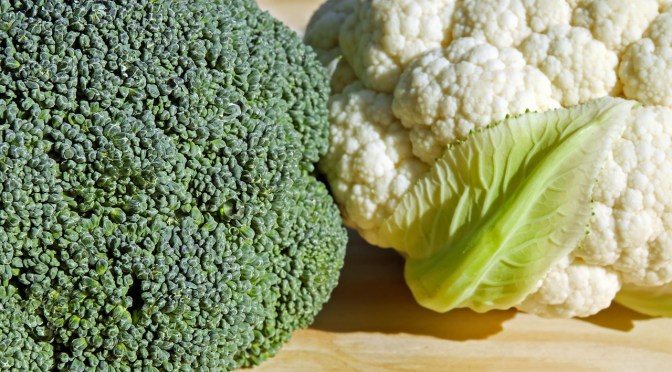
Cruciferous vegetables like broccoli, Brussels sprouts, cauliflower and cabbage contain a compound called sulforaphane. This is an organic sulfur that has been shown to support cell function and division while at the same time causing apoptosis programmed cell death in certain cancers.2,3,4

When sulforaphane was tested in mice and human cell cultures,5 it was shown to target and kill breast cancer stem cells, which prevents the formation and spread of tumors. But the benefits of sulforaphane don’t stop there. It has been shown to reduce inflammation by reducing reactive oxygen species by as much as 73%,6 which in turn reduces cell damage.

Sulforaphane can also help reduce the risk of osteoarthritis,7 in part by blocking enzymes that are linked to joint destruction.8 A team of researchers from the University of East Anglia published a study9 in the journal Arthritis and Rheumatism that showed substances in cruciferous vegetables could slow the progression of osteoarthritis, or possibly prevent it.

Sulforaphane did this by inhibiting metalloproteinases that have been implicated in the development and progression of osteoarthritis. The researchers found it also blocked inflammation to protect against cartilage destruction both in the lab and animal models.

Anthocyanins Play an Anti-Inflammatory Role

Research has demonstrated that there is power in the color purple.10 Purple and red-colored berries are high in anthocyanins, which are secondary metabolites plants produce to defend against predators. Anthocyanins work through a variety of pathways to exert beneficial effects on human health.

They’re primarily known to address oxidative stress and reduce inflammation, which in turn helps pain control in patients with an inflammatory-driven condition, such as arthritis. The science also demonstrates the power of anthocyanins in lowering the progression of cognitive decline and protecting the heart, kidneys, and gastrointestinal tract.

Researchers have demonstrated that anthocyanins, found in cherries and other berries, help regulate lipid and glucose metabolism. Elderberries are high in anthocyanin, vitamin C and zinc. These berries have anti-inflammatory modulating activity11 that may support pain control in patients with arthritis. They also became known for their ability to boost immune function and inhibit colds and flu long before the COVID-19 pandemic.

One 2004 study12 found 15 milliliters (just under 1 tablespoon) of Elderberry syrup, four times a day for five days, eased the symptoms of influenza four days faster than a placebo. In 2019, research13 detailed the mechanism through which Elderberry protects against viral attacks. As reported by Science Daily:14

“… the study showed that compounds from elderberries can directly inhibit the virus’s entry and replication in human cells and can help strengthen a person’s immune response to the virus.”

Let’s Spice Up Your Food

Bland food is never fun to eat. But did you know that by adding a few spices you may reduce your pain level? Researchers have discovered that garlic, ginger, cinnamon and turmeric are compounds that may improve pain control in people with arthritis.

One 2018 study15 found that cinnamon supplementation was a safe adjunctive treatment in women who had rheumatoid arthritis. The randomized double-blind clinical trial included a small group of 36 women who were divided into two groups: those receiving cinnamon and those receiving a placebo for eight weeks.

While the study was small and only included women, the results showed that it had a significant impact on tender and swollen joints with no changes in liver enzymes, lipid profile, fasting blood sugar or erythrocyte sedimentation rate (ESR).

Ginger is another spice that has been under investigation for the effect it has on reducing the symptoms of osteoarthritis. A 2001 study16 found using a highly purified and standardized extract could significantly reduce those symptoms and had a good safety profile.

More recently, a 2020 paper17 confirmed the use of ginger as a safe and promising strategy to lower pain. The researchers reviewed eligible random control trials where ginger was used to relieve pain, including from osteoarthritis. They concluded that ginger was safe and promising, but more studies were needed to analyze the amount required for useful long-term therapy.

Garlic is a staple ingredient in cuisines found in many countries, including Italy, China and Mexico. But it’s much more than a common spice. Data from a 2020 study18 of 62 women with rheumatoid arthritis suggested that garlic supplementation over eight weeks improved oxidative stress and health assessment questionnaires.

Turmeric is well known for its anti-inflammatory properties. A 2016 analysis of randomized clinical trials19 evaluated the use of turmeric extract and curcumin in the treatment of arthritis symptoms. While the results were positive, the researchers found the total number of trials and the total sample size were not sufficient to draw a definitive conclusion.

Another review of the literature published in 202120 compared turmeric against placebos and found a benefit on osteoarthritis pain and function in the knee. Based on the small number of studies, they believed the effects were similar to those that analyzed nonsteroidal anti-inflammatory drugs (NSAIDs).

A 2021 randomized trial21 compared turmeric against paracetamol, a painkiller also known as acetaminophen. The results from this study demonstrated that bioavailable turmeric extract was as effective as paracetamol against osteoarthritis pain and symptoms in the knee and was safe and more effective in reducing tumor necrosis factor alpha (TNF alpha) and C-reactive protein (CRP).

Balance Your Omega-3 and Omega-6 Fat

Historically, the human diet had an omega-6 to omega-3 ratio of close to 1-to-1. Yet, the current Western diet is closer to a ratio of 20-to-1,22 which increases the inflammatory response and therefore has an impact on pain.

Most processed foods and seed oils are high in omega-6 fatty acid. While there are omega-3 fats found in some plants, only marine-based fatty fish have long-chained omega-3 fats eicosatetraenoic acid (EPA) and docosahexaenoic acid (DHA) that are highly bioavailable and essential to good health.

When your omega-6 to omega-3 ratio is out of balance, it increases your risk of obesity23 and the inflammatory response, both of which affect pain control in arthritis. The only way to know if you have enough omega-3 is to take a simple blood test — an omega-3 index.24 This measures EPA and DHA on red blood cell membranes and provides feedback about your dietary choices.

Food Addresses Gut Health and Lowers Arthritis Pain

Finally, while no single food completely addresses gut health, most of your food choices will either support good gut health or harm it. For example, a diet high in ultraprocessed foods is known to change your gut microbiome, which promotes the development of inflammatory diseases.25

The Arthritis Foundation recognizes that your gastrointestinal tract plays a crucial role in some of the most common types of inflammatory arthritis.26 Researchers have discovered that people with rheumatoid arthritis have different levels of bacteria in their gut and babies who are breastfed have a lower likelihood of developing ankylosing spondylitis as breastfeeding is known to positively affect the gut microbiome.27

A 2021 paper28 analyzed the association between the gut microbiome and symptoms of osteoarthritis. They summarized the evidence that supports a gut-joint axis and the interactions between the gut microbiome and factors that affect osteoarthritis, including gender, age, metabolism and joint injury.

Interestingly, data showed that an individual’s gut microbiota can potentially predict the progression of osteoarthritis, indicating that monitoring the gut microbiome may also help monitor the efficiency of therapeutic intervention. Broccoli is one food that helps support good gut health and may impact the pain of arthritis as it is also a source of glucosinolate, a precursor to indole-3 carbinol (I3C).29

In the stomach, I3C generates 3,3′-diindolylmethane (DIM). I3C is a powerful antioxidant and in an animal model, those fed cruciferous vegetables with I3C had healthier guts and were less likely to have inflammation.30 I3C also works by activating a protein called aryl hydrocarbon receptor (AhR), which communicates with immune and epithelial cells in your gut lining, thereby helping to reduce inflammation caused by pathogenic bacteria.

AhR also helps stem cells convert into mucus-producing cells in your gut lining. These cells also help extract nutrients from the foods you eat, all of which translate into improved gut function and health.

As you’ll note, there are several groups of foods that support pain control by lowering the inflammatory response and improving your gut health. Arthritis can be a difficult and life-changing condition that affects your daily activities. Consider taking these small steps to help improve your pain control without medication and take greater control of your life.

SOURCE

Photo: pixabay.com

3 Top Micronutrients for Cardiovascular Health

Story at-a-glance

  • Brown University researchers conducted a study to determine which micronutrients are best for your heart
  • They unveiled an up-to-date evidence-based map that quantifies the impact of micronutrients on cardiovascular outcomes
  • Out of 27 micronutrients, three — omega-3 fats, folate and coenzyme Q10 (CoQ10) — came out on top
  • Omega-3 fats decreased mortality from cardiovascular disease, while also reducing heart attacks and coronary heart disease events
  • Folic acid, the synthetic version of folate, or vitamin B9, reduced stroke risk, while CoQ10 decreased all-cause mortality events
  • Most, but not all, of the micronutrients studied showed “moderate- to high-quality evidence” of reducing risk factors for cardiovascular disease

Heart disease is the No. 1 cause of death in the U.S., killing one person every 34 seconds.1 Your diet plays a prominent role in your heart health, but the role of individual micronutrients continues to be debated. Brown University researchers conducted a study to determine which micronutrients are best for your heart.2

They unveiled an up-to-date evidence-based map that quantifies the impact of micronutrients on cardiovascular outcomes. Out of 27 micronutrients, three — omega-3 fats, folate and coenzyme Q10 (CoQ10) — came out on top.

Micronutrients Benefit Cardiometabolic Health

Micronutrients are vitamins and minerals that your body needs to function optimally. Deficiencies in micronutrients can lead to a range of acute and chronic conditions. In terms of heart health, Brown University researchers conducted a systematic review and meta-analysis involving 884 trials. The study, published in the Journal of the American College of Cardiology, evaluated 27 types of micronutrients used by 883,627 participants.3

“For the first time, we developed a comprehensive, evidence-based integrative map to characterize and quantify micronutrient supplements’ potential effects on cardiometabolic outcomes,” study author Dr. Simin Liu, professor of epidemiology and medicine at Brown University, said in a news release. “Our study highlights the importance of micronutrient diversity and the balance of health benefits and risks.”4

Most, but not all, of the micronutrients showed “moderate- to high-quality evidence” of reducing risk factors for cardiovascular disease. Those that were beneficial included:5

Folic acid (folate)Vitamin DMagnesiumZinc
Alpha-lipoic acidCoenzyme Q10MelatoninCatechin
CurcuminFlavanolGenisteinQuercetin

The study was unique in that it took a comprehensive look at micronutrient supplementation, including phytochemicals and antioxidants. Liu explained:6

“Research on micronutrient supplementation has mainly focused on the health effects of a single or a few vitamins and minerals. We decided to take a comprehensive and systematic approach to evaluate all the publicly available and accessible studies reporting all micronutrients, including phytochemicals and antioxidant supplements and their effects on cardiovascular risk factors as well as multiple cardiovascular diseases.”

3 Micronutrients to Support Heart Health

While beta carotene supplementation increased all-cause mortality, omega-3 fats, folate and CoQ10 were highly protective. Here are more details about how these important micronutrients affect your heart health.

1. Omega-3s — The study found omega-3 fats decreased mortality from cardiovascular disease, while also reducing heart attacks and coronary heart disease events.7 This mirrors previous studies, which have also found beneficial effects of omega-3s on heart health. Omega-3 fats derived from krill oil, for instance, have been found to reduce triglyceride levels and help reduce cardiovascular risk.8

Further, people with Type 2 diabetes who used omega-3 supplements had a lower incidence of hospitalization with heart failure — a form of heart disease in which the heart experiences ventricular dysfunction — in another study.9

An omega-3 index test is one of the most important annual health screens that everyone needs, and it’s a more important predictor of your heart disease risk than your cholesterol levels. Even research supported by the National Institutes of Health suggests an omega-3 test is a good predictor of overall health and all-cause mortality.10,11

That study measured the omega-3 index in 2,500 participants and found those with the highest omega-3 index had lower risks of heart problems and lower total mortality. The omega-3 index measures of the amount of eicosapentaenoic acid (EPA) and docosahexaenoic acid (DHA) in the membranes of your red blood cells (RBC). Your index is expressed as a percent of your total RBC fatty acids.

The omega-3 index has been validated as a stable, long-term marker of your omega-3 status, and it reflects your tissue levels of EPA and DHA. An omega-3 index over 8% is associated with the lowest risk of death from heart disease, while an index below 4% places you at the highest risk of heart disease-related mortality.

The ideal sources for EPA and DHA include cold-water fatty fish, like wild-caught Alaskan salmon, sardines, herring and anchovies. If you do not eat these fish on a regular basis, consider taking a krill oil supplement.

In addition, be aware that your omega-6 to omega-3 ratio should be about 1-to-1 or possibly up to 4-to-1, but most Americans consume far too many omega-6 fats and not enough omega-3. For optimal heart health, in addition to increasing your omega-3, it’s important to cut down on industrially processed seeds oils, often referred to as “vegetable oils,” found in most processed foods.

2. Folate — The Journal of the American College of Cardiology study revealed that folic acid reduced stroke risk.12 Folic acid is the synthetic version of folate, or vitamin B9, and it’s the most important dietary determinant of homocysteine. Elevated levels of homocysteine (Hcy) are a risk factor for coronary artery disease and are found in most patients with vascular disease.13 According to a literature review published in Advances in Therapy:14

“Several mechanisms have been proposed for Hcy’s pathogenesis related to vascular disease. Hcy can cause endothelial injury, dysfunction of DNA, proliferation of smooth muscle cells, oxidative stress, decreased function of glutathione peroxidase, impaired nitric oxide synthase, and inflammation.”

Evidence suggests that daily folic acid supplementation lowers homocysteine levels. “In fact, it has been shown that folic acid supplementation of 0.5 to 5.0 mg can lower Hcy levels by 25% and, thus, may decrease the risk of cardiovascular disease … Given that folic acid is cheap and effective, this should be a viable option for patients with high-risk for cardiovascular adverse events,” the researchers explained.15

In an animal study, folic acid was also found to prevent age-related structure changes and dysfunction of the heart that may lead to heart failure.16 It reduced cellular senescence, a hallmark of aging. The best way to increase your levels of this important micronutrient is to eat foods rich in natural folate, such as asparagus, avocados, Brussels sprouts, broccoli and spinach.

3. CoQ10 — CoQ10 decreased all-cause mortality events, according to the Journal of the American College of Cardiology study.17 Ubiquinol — the reduced, electron-rich form of CoQ10 that your body produces naturally — plays an important role in the electron transport chain of your mitochondria, where it facilitates the conversion of energy substrates and oxygen into the biological energy (adenosine triphosphate, or ATP) needed by your cells for life, repair and regeneration.

It’s a fat-soluble antioxidant, meaning it works in the fat portions of your body, such as your cell membranes, where it mops up potentially harmful byproducts of metabolism known as reactive oxygen species (ROS). As such, ubiquinol and CoQ10 supplements help protect your mitochondrial membranes from oxidative damage.

Many conditions, including heart disease, appear to be rooted in mitochondrial dysfunction.18 CoQ10 is used by every cell in your body, but especially your heart cells. Cardiac muscle cells have about 5,000 mitochondria per cell.19 For further comparison, mitochondria make up about 35% of the volume of cardiac tissue and only 3% to 8% of the volume of skeletal muscle tissue.20

In other research, CoQ10 has been found to help improve atrial fibrillation (AFib).21 AFib is an abnormal, often rapid, heart rhythm that occurs when the atria, your heart’s upper chambers, beat out of sync with the ventricles, the heart’s lower chambers. It’s a common symptom in those with heart failure or heart disease. In addition, CoQ10 influences several other aspects of heart health, including:

  • High blood pressure — CoQ10 acts directly on your endothelium, dilating your blood vessels and lowering blood pressure.22,23 CoQ10 also decreases aldosterone, a hormone that makes you retain salt and water.24,25 When aldosterone goes down, excess salt and water are excreted through your kidneys, often causing your blood pressure to go down.
  • Systemic inflammation — Supplementing with 60 milligrams (mg) to 500 mg of CoQ10 for eight to 12 weeks can significantly reduce tumor necrosis factor alpha (TNF-α), IL-6 and C-reactive protein (CRP);26,27 three measures of widespread inflammation.
  • Stroke — Systemic inflammation, oxidative stress and nerve cell damage play a role in the development of stroke. Research suggests supplementing with CoQ10 can reduce ischemic lesions and improve outcomes in patients who have been treated with a statin drug after having a stroke (statins reduce CoQ10 levels in your body).28

Your body can naturally make CoQ10, but genetic alterations in metabolism, poor diet, oxidative stress, chronic conditions and aging can all interfere with CoQ10 production and lead to CoQ10 deficiency. Statin drugs can also deplete CoQ10.

Ubiquinol production ramps up from early childhood until your mid- to late 20s. By the time you hit 30, it begins to decline.29 Young people are able to use CoQ10 supplements quite well, but older people do better with ubiquinol, as it’s more readily absorbed.

A Personalized Approach Is Best

There’s no one-size-fits-all approach when it comes to supporting your heart health. Indeed, the featured study researchers noted that “an optimal nutritional strategy to promote cardiometabolic health will likely involve personalized combinations of these nutrients.”30

However, healthy diet, exercise, stress reduction and heart-based connections — i.e., strong and positive relationships — are key to heart and overall health. As mentioned, I also believe an omega-3 index test is one of the most important annual health screenings you can receive.

GrassrootsHealth makes testing easy through its D*Action+Omega-3 consumer-sponsored research project.31 You can find the GrassrootsHealth omega-3 index test kit on the GrassrootsHealth website.32

SOURCE

Turmeric and omega 3s can cure diabetes – but you’ll never hear that from your doctor

Have you ever wondered why diseases like diabetes remain so difficult to treat despite all the incredible advances seen in modern medicine? It’s a common question, but you’ve already missed the point just by asking it. That’s because the solution to diabetes is not found in modern medicine at all. Instead, nature has the answer to this and many of the other problems plaguing human health, and modern medicine is so focused on profits that your doctor is far more likely to mention Metformin than turmeric when discussing your diabetes treatment options.

With tens of billions of dollars in annual diabetes drug sales on the line, it’s not surprising that many patients are steered toward these profitable “treatments.” With the mainstream media getting a lot of funding from pharmaceutical companies, you won’t hear much about natural diabetes solutions there, either. This is why sites like Natural News are enjoying so much popularity right now. People don’t want the toxic and expensive solutions that are trying but failing to treat their illnesses, and why would they when there are alternatives that are not only effective and safe but also dirt cheap?

READ MORE

https://www.turmeric.news/2018-03-28-turmeric-and-omega-3s-can-cure-diabetes-youll-never-hear-from-your-doctor.html

Traditional cancer treatments cause inflammation, promoting aggressive tumor growth, according to study

(Natural News) Independent media leaders like Mike Adams, the Health Ranger and editor of Natural News, have long been vilified by the mainstream media for daring to insist that chemotherapy actually causes cancer. Time and again, Natural News has published articles based on scientific studies that prove the inefficiency and downright danger of conventional cancer treatments. Now, yet another study has been published confirming that link.

The study, conducted by a research team from Beth Israel Deaconess Medical Center (BIDMC), and published in the Journal of Experimental Medicine, found that the dead and dying cancer cells created by chemotherapy trigger inflammation which in turn promotes “aggressive tumor growth.”

“In this study we demonstrate that chemotherapy-generated debris from dead and dying tumor cells can stimulate tumor growth, which has pivotal implications for the treatment of cancer patients,” said Dipak Panigrahy, MD, the study’s lead author and an assistant professor at BIDMC’s Department of Pathology. “Conventional cancer therapy designed to kill tumor cells is inherently a double-edged sword.” [Emphasis added]

News Wise notes that this research reinforces what the medical community has known since at least the 1950s, but it is the first study to try to determine the exact molecular mechanisms that cause this phenomenon.

Researchers have long understood that there is a distinct link between inflammation and cancer. A study published in the journal Nature in 2010, for example, noted:

Recent data have expanded the concept that inflammation is a critical component of tumour progression. Many cancers arise from sites of infection, chronic irritation and inflammation. It is now becoming clear that the tumour microenvironment [the infrastructure supporting the tumor], which is largely orchestrated by inflammatory cells, is an indispensable participant in the neoplastic process, fostering proliferation, survival and migration.

READ MORE

https://www.naturalnews.com/2017-12-28-traditional-cancer-treatments-cause-inflammation-promoting-aggressive-tumor-growth-according-to-study.html