Tag Archives: neem

DEALING WITH SUMMER PESTS IN THE GARDEN (Wally Richards)

Gardening should be a pleasant pastime and not just another chore that has to be done. If you find it a chore then maybe there are too many things you are doing and the pleasure of working with plants and the soil is lost.

There are things that we gardeners must do to keep everything growing healthy and looking good. I am always are looking for ways to do tasks quickly and simply so more time can be spent doing the gardening things that give satisfaction and gratification. Enjoyment comes from preparing an area and planting it with seeds or seedlings then watching them develop and grow for harvesting to eat or flower to enhance your home.

Summer time temperatures allow pest insects to multiply quickly and infest your plants. If their populations become too great then it is a real chore to try and get them under control. In fact it is better to start control methods as early as possible making life easier in the long term. By spreading Wallys Neem Tree Granules over the soil under trees, shrubs and established plants will greatly help reduce and prevent insect populations building up. There are soil pests that we don’t see which are feeding on the roots of plants, sapping the plant’s energy causing loss of vigor. Mealy bugs, root nematodes, grass grubs and slaters can be controlled and eliminated by scattering the Neem Granules in the plant’s root zone. Gardeners and Landscapers often comment to me that a few weeks after applying the Neem Granules the plants are looking much better. Simple reason is the pests feeding on the roots have gone and the plants are happy. Wallys Neem Granules can be used around your roses, vegetable plants and flowering annuals.

Wallys Neem Tree Powder which is the same as the granules just a smaller, even particle size are ideal to use in the planting hole of seedlings, along with sowing of seeds and in particular with carrot seeds to prevent carrot fly damage. With carrots you side dress to row when the carrot tops are a few centimeters tall as well as when sowing the seeds. Container plants are often a home for mealy bugs which feed on the roots and later come upstairs as adults to feed on the foliage.  The ones on the foliage are easy to control with Wally Super Pyrethrum but you need to place Neem Powder on top of the growing medium. As the powder breaks down it will develop grey mould which is the natural breakdown happening. It is unsightly so after applying the powder cover with a little growing medium. Out of sight, out of mind. If you want a top quality lawn then it is a good idea to sprinkle Wallys Neem Tree Powder over the lawn at a rate of 50 grams per Square Metre.  If your lawn is infected by grass grubs each year then in Autumn when the autumn rains have moistened the soil you spread the Neem powder over the lawn after it has been recently cut. Then lightly water the area to wash the powder down off the grass onto the soil. If you have a roller then its a good idea to roll the lawn to press the powder into the soil.

When you find there are pest insects on any of your plants outdoors you can make up a spray using Wallys Super Neem Tree Oil with Wallys Super Pyrethrum added. Just on dusk when the bees have stopped working for the day you spray the plants under and over the foliage.  The pyrethrum is a quick knock down and it will kill the flying insects such as white fly and leaf hoppers. The Neem Oil will, as an anti-feedent on the foliage, stop the pests feeding on the plants after which they will starve to death in a few days. Often gardeners find that the sprays work, but it is only a short time before the insect pests are back. The reason being is they are on other plants in the area and re-infesting back onto your treated plants. You need to spray the other plants they are coming from. If those plants happen to be over the fence then that is a problem that can only be solved with winter or you getting the ok from the neighbor (who likely is not a gardener) to spray their plants as well.

Gardeners that live in the country and have possums, rabbits and hares to contend with can do the following: plants that are been eaten spray with Wallys Neem Tree Oil just before dark. Wallys Neem Tree oil being the real thing and not some vegetable oil with the Neem properties added, has a horrible taste which with its smell will deter possums and rabbits. Once you find that the varmints have stopped eating your plants then instead of having to respray to keep control and keep them away, simply scatter Wally Neem Tree Granules around and the smell of them should keep your plants safe. A point when using the spray mix of Wallys Neem Oil and Pyrethrum and you have unused spray then you can pour the left over liquid into a container and store in a dark cupboard. Rinse the sprayer out thoroughly jetting some clean water through the nozzle to be sure all the spray has gone. Next time you use you can take the stored spray and if need be add more of the products and water.

To look after the soil and the beneficial microbes plus fungi that live in the soil which help our plants feed and grow, mix Wallys Super Fish Fertiliser with Wallys Mycorrcin in a watering can and water the area around or over your preferred plants such as vegetables, fruit and roses. This will help to greatly increase the soil life (as long as you are not watering with chlorinated tap water). Here is an interesting possibility: as the combination of the fish fertiliser and Mycorrcin has a distinct smell you could try spraying the mix over fruit trees when the birds are attacking the fruit. A product that used to be available years ago from Canada called Alaska Fish Fertiliser which had quite a smell to it did deter birds from ripening fruit. If you find it successful let me know.

TWENTY FIVE PERCENT OFF SALE

Till the end of January we are discounting the following products by 25% to help you gain control of Insect pests and improve your soil quality.

Orders must be placed on www.0800466464.co.nz using the Code 25% in the remarks place.

I will phone you after receiving the order and deduct the 25% off the items below and also give you 10% off most other items except for bulk items.

FREIGHT: shipping charged on orders under $100 (After discounts) North Island In other words order of $100 plus after discount and not bulk items free shipping.

South Island $150.00 plus after discounts for free shipping.

Exception is for Rural delivery a charge of $3.15 on each parcel sent no matter if rest is free shipping or not.

Here are the 25% discount items:

Wallys Neem Tree Granules 1kg normal price $15.00 save $3.75 making it $11.25

Wallys Neem Tree Granules 3kg normal price $28.00 save $7.00 making it $21.00

Wallys Neem Tree Granules 10kg normal price $80.00 save $20.00 making it $60.00

Wallys Neem Tree Granules 20kg normal price $160.00 save $40.00 making it $120.00

Wallys Neem Tree Powder 1kg normal price $15.00 save $3.75 making it $11.25

Wallys Neem Tree Powder 3kg normal price $28.00 save $7.00 making it $21.00

Wallys Neem Tree Powder 10kg normal price $80.00 save $20.00 making it $60.00

Wallys Neem Tree Powder 20kg normal price $160.00 save $40.00 making it $120.00


Wallys Super Neem Tree oil 125 ml normal price $18.00 save $4.50 making it $13.50

Wallys Super Neem Tree oil 250 ml normal price $24.00 save $6.00 making it $18.00

Wallys Super Neem Tree oil 1 litre normal price $60.00 save $15.00 making it $45.00


Wallys Super Pyrethrum 100 ml normal price $28.00 save $4.20 making it $23.80


Wallys Super Fish Fertiliser 1Litre normal price $16.00 save $4.00 making it $12.00

Wallys Mycorrcin 250ml normal price $20.00 save $5.00 making it $15.00

Wallys Mycorrcin 500ml normal price $35.00 save $8.75 making it $26.25

Wallys Mycorrcin 1 Litre normal price $55.00 save $13.75 making it $41.25

Orders must be placed on www.0800466464.co.nz using the Code 25% in the remarks place.

Phone 0800 466464
Garden Pages and News at www.gardenews.co.nz
Shar Pei pages at  www.sharpei.co.nz
Mail Order products at www.0800466464.co.nz

New Zealand Bill of Rights Act 1990. Part II of the Act covers a broad range of Civil and Political Rights. As part of the right to life and the security of the person, the Act guarantees everyone:

1The right not to be deprived of life except in accordance with fundamental justice (Section 8)

2The right not to be subjected to torture or to cruel, degrading, or disproportionately severe treatment or punishment (Section 9)

3The right not to be subjected to medical or scientific experimentation without consent (Section 10)

4The right to refuse to undergo any medical treatment (Section 11)

 Furthermore, the New Zealand Bill of Rights Act 1990 guarantees everyone: Freedom of Thought, Conscience, and Religion.
This includes the right to freedom of thought, conscience, religion, and belief,
INCLUDING THE RIGHT TO ADOPT AND HOLD OPINIONS WITHOUT INTERFERENCE (Section 1)

For other gardening posts see ‘gardening’ in categories (left side of page)

Check out our sister site truthwatchnz.is for other news

Photo: pixabay.com

GRASS GRUBS: NOW IS THE TIME (Wally Richards)

I am often asked is it the best time to do certain things in the garden and more often than not when asked it is not the best time. Gardeners sometimes miss the boat and only later when the damage is done or the plants are out of season, that they look for the solution.

When I had a garden centre I would have newby gardeners coming in during the spring looking for daffodil bulbs/plants, cause they saw them flowering in people’s gardens.

This also applied to tulips and other spring flowering bulbs. Now is the time to buy your spring bulbs and plant them.

Lawn problems caused by grass grubs are noticed in the spring when patches of lawn die.

Treatment then is a total waste of time and money because the grubs are in most cases deep below the surface in cocoons waiting for the right conditions to emerge as beetles.

Any treatment applied in the spring may catch a small amount of grubs and not worth the expense.

What has happened is way back in October through to about December (maybe January) the grass grub beetles were on the wing chewing up the foliage of your plants in the evening and laying up to 300 eggs per female back into your lawn or gardens.

As these eggs are laid deep in the soil and when the grubs emerge they start eating the roots of the grasses (or some other plants) this is way down about 200 mm under the soil. The grubs are small and the damage done is not great.

The grubs grow and keep working their way upwards as the roots are eaten out at the lower depths.

If the soil becomes dry during a summer drought, the grubs go into a semi dormant state waiting for the moisture to return.

This normally happens with the autumn rains and the grubs wake up and start feeding again getting closer and closer to the soil surface.

Now if we cut a square in the lawn with a spade about 50mm deep we are likely to find a number of the white grubs in the area we have lifted.

These grubs curl up when disturbed. Any greasy looking caterpillars found are the porina.

If you lift turf in different areas of the lawn you can see where the worst problems are in other words where the most grass grubs are.

These are likely to be found in areas where there has been past problems or in areas near where lights shine at night, because the beetles are attracted to lights in the early evening when they are in flight.

You may find that in some areas in the turf you lift there are either no grubs or only say under 6 per square foot. In other areas you may find lots of grubs in a square foot. Its those areas you should concentrate your efforts as that is where damage will occur and be noticed.

There are currently two non chemical treatments available.

The liquid one is Wallys 3 in 1 for Lawns.

The product consists of Eucalyptus oil and Tea Tree oil along with natural plant foods in the form of manures and seaweed/fish extracts.

Available in 1 litres containers which cover 50 square metres of lawn or gardens.

Follow the instructions for mixing with water and it is best applied to the lawn in a device called a Lawnboy.

After application the lawn is further lightly watered with the hose or a sprinkler to wash the oils off the grass and down into the top 6 to 10cm of the lawn. It is there that it does its job.

Often lawns are the home of garden slugs which emerge out of the soil and thatch to invade our gardens during moist times. The product knocks them out also.

Worms will happily live underneath the oil layer in the top soil without any known adverse effects.

Worms that are near the surface when applied may not fair so well.

This means it is best to apply the product when the soil is moist but not after a good amount of rain which tends to bring worms to the surface.

I have found that these oils will control other soil insects such as eel worm, centipedes, root mealy bugs, porina etc.

Even the likes of earwigs and slaters can be given the old hurry on if they are causing problems.

The manufacturer informed me that the oils act as an irritant to the pests and they succumb as a result.

Imaginative gardeners may find this product an interesting tool in assisting in the control of some pests such as wire worm in the soil by treating the area a few weeks before planting (say) their new seasons potatoes.

The product is only recommended for lawn use and ideally should only be used for the control of pests in the lawn areas.

Used for any other purpose is not recommended but being two natural oils I cannot see any health concerns as you are not likely to spray over any food crops and eat them without first washing as normal.

Being a oil based product, it can of course burn foliage and grass if applied in sunlight.

For lawn applications it is recommended to use early in the morning or late afternoon and washing in with the hose, the oils off the foliage and into the soil.

Safe for your children and pets unlike the previous mention products.

The other natural product is Wallys Neem Tree Powder.

I suggest powder as it is less easy picked up when mowing the lawn.

Once again after you have done your spade tests on where the most grass grubs are then you really only need to treat those areas.

Spread the powder at 50 to 100 grams per square metre onto a recently mowed lawn and when the soil is moist.

Lightly water to settle the powder off the grasses and get it down to the soil surface.

If you have a roller or can hire one then roll the areas treated to press the powder into the soil.

It will breakdown and release the Neem properties which will be taken up by the roots of the grasses.

Thus when Mr Grass Grub takes a bite of the root he gets some Neem into his gut and it turns off his ability to eat any more. Thus he starves to death.

Most effective and safe for children, pets and soil life.

Now is the time to treat Grass Grubs

If your lawn problem just involves porina caterpillars then the most effective and less expensive treatment is applications of Wallys Super Neem Tree Oil applied late in the day on a freshly mowed lawn.

You should use a lawnboy to drench the grasses at the rate of 5 mls of Wallys Super Neem Oil per Litre of water or a boom spray nozzle on your back pack sprayer.

You are looking to get a coating of the Neem Oil to the base of the grasses where the porina is going to feed that night. Once they get some Neem in their gut they will stop eating and starve to death.

Treatment for porina can be done anytime of the year as they are a all year round pest.

FOOT NOTE:

Each week along with the gardening article I am going to make a product on a special price for you, for one week only.

The special will end the following Sunday when I dispatch the new article.

This week it will be  Wallys Neem Tree Powder 1kilo Normally $15.00 this week only $10.00

Also Wallys Neem Tree Powder 3 kilo bag Normally $28.00 This week only $20.00

Order on the Mail Order Web site at www.0800466464.co.nz  (any problems registering then phone me)

In the comment place please put the words NEEM SPECIAL so I know to deduct the special off you order before I phone you to arrange payment and any freight costs.

Remember Freight is free  in North Island for Orders of $100 or more (excluding bulk items) South Island it is orders of $150.00 or more for free shipping. (excluding bulk items)


Phone 0800 466464
Garden Pages and News at www.gardenews.co.nz
Shar Pei pages at  www.sharpei.co.nz
Mail Order products at www.0800466464.co.nz


New Zealand Bill of Rights Act 1990. Part II of the Act covers a broad range of Civil and Political Rights. As part of the right to life and the security of the person, the Act guarantees everyone:

1The right not to be deprived of life except in accordance with fundamental justice (Section 8)

2The right not to be subjected to torture or to cruel, degrading, or disproportionately severe treatment or punishment (Section 9)

3The right not to be subjected to medical or scientific experimentation without consent (Section 10)

4The right to refuse to undergo any medical treatment (Section 11)

 Furthermore, the New Zealand Bill of Rights Act 1990 guarantees everyone: Freedom of Thought, Conscience, and Religion.
This includes the right to freedom of thought, conscience, religion, and belief,
INCLUDING THE RIGHT TO ADOPT AND HOLD OPINIONS WITHOUT INTERFERENCE (Section 1)

Time to deal to those garden pests (Special offers – Wally Richards)

( See at end of article for New Year Sale Details…)

Wishing you a Happy New Year Gardening.

Now the weather has settled a bit and temperatures are better (But still a bit chilly at times) Insect pests will multiply rapidly unless you instigate early controls.

If you look at when you are successful in eliminating one adult female insect, that will prevent somewhere between 100 to 300 more of the same pests to invest your plants.

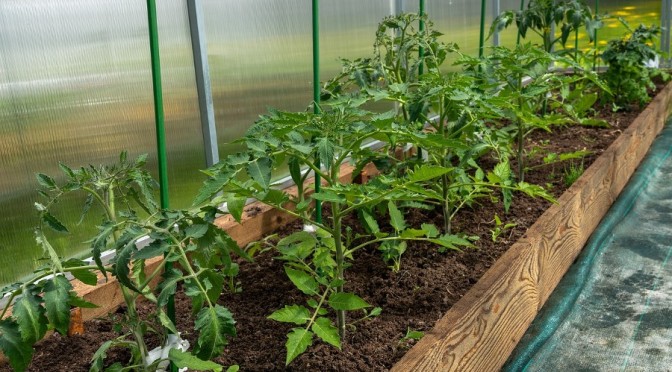
For instance using the yellow sticky white fly traps; hang one near your tomato plants and within a few days the number of whitefly and other flying pest insects caught on the trap’s sticky surface will be dozens.

The sticky traps are worth their weight in gold for pest control.

Plants such as tomatoes, cucumbers, pumpkins, egg plants, capsicum and courgettes will likely have under the older leaves a lot of young pests.

Inspect the oldest leaves looking over and under and if there are a good number of pests remove the leaves from the plant and place in a plastic bag and seal.

This will greatly reduce the pest problem.

There will likely be pests on the upper/newer leaves but a spray of Wallys Super Neem Tree Oil with Wallys Super Pyrethrum will take care of these.

These combined sprays should only be applied only just before dusk for two reasons, Neem Oil in sunlight or with UV on a cloudy day can burn foliage.

Pyrethrum is quickly deactivated by UV/Sunlight and when expose to than will be ineffective within a couple of hours.

Pyrethrum sprayed just before dark will be active all night affecting any pests that come in contact with it. Pyrethrum is a quick knock down affecting the insects nervous system and thus killing it.

Neem Oil on the other hand will last for up to 7 days, slowly decreasing the effectiveness due to sunlight.

Its action is anti-feedent and once a pest insect consumes some Neem it stops eating for ever.

Adding Raingard to the above sprays will prolong the effective life of them and prevent the sprays been diluted by rain or watering.

For control of guava moth and codlin moth the most effective way is to spray the fruit with Wallys Super Neem Tree Oil with Raingard added.

This puts a layer of Neem Oil over the fruit so that when one of the moth’s grubs tries to eat their way into the fruit they are stopped at the first bite. Repeat spraying the fruit with Neem oil and Raingard added every 14 days till harvest.

Leaf hoppers, aphids, caterpillars and mealy bugs are simply controlled with the spray above applied late in the day.

One of the problems is re-infestation from other plants nearby or from over the fence.

Unless the other plants nearby are also sprayed you will never win.

Spider Mites are best controlled by sprays of sulphur or as we used to do in days gone by, Sulphur powder dusted over the plants that have mites.

At this time of the year you may have the cherry slug or pear slug eating holes in the leaves of those trees. If so spray the foliage with Wallys Liquid Copper with Raingard added. The pests cant handle copper and drop off and die.

Mealy bugs live in the root system of plants and the adults are found in the canopy. Spraying the canopy will take them out but not affect the ones in the root system.

Apply Wallys Neem Tree Powder to the top of the mix in containers that are affected and Wallys Neem Tree Granules to the soil in the root zone of plants affected.

Pest problems on citrus trees are very easily fixed by sprinkling Wallys Neem Tree Granules from the trunk to the drip line. Lightly water to get them started and normally within 6 to 8 weeks the citrus tree will be free of pests.

The smell of Neem granules/power is also a great deterrent as the Neem smell camouflages the natural smell of the plant and pests looking for their host plant by smell cannot find them and fly on by.

In glasshouses Wallys Neem Granules on the soil or on top of the mix in containers will reduce insects pests from been lured in from the smell of their host plants.

Little pouches made out of curtain netting and loaded with Neem Granules before hanging in fruit trees that are subjected to codlin and guava moth attack. Used in conjunction with the Neem Oil sprays on the fruit should mean you have plenty of unaffected fruit for your use.

Cats can be a pest in gardens as they use them for their toilets and Wallys Cat Repellent is the most effective way to prevent them fouling gardens or other areas.

Crop cover also called Bug Mesh is the best control of keeping white butterflies off your cabbages and brassicas. Hoops made out of rigid alkathene pipe with crop cover over them.

Weeds are another garden pest and a safe to use spray is Wallys Super Compost Accelerator which you can use to compost weeds where they are growing.

A few years ago a chap from UK phoned me and asked about getting ammonium sulphamate in NZ.

I had not heard of it and asked whats it for.

He told me in England you purchased it, dissolved it in water and sprayed it onto weeds to compost them where they are growing. The weeds think its nitrogen and readily take it in where it completely composts the living weeds and then coverts to nitrogen so no harm on soil life or yourself.

The most effective rate is 200 grams per litre of water sprayed on a sunny day when the soil is on the dry side. Given ideal conditions the weeds are composted very quickly in some cases with an hour.

Available as Wallys Super Compost Accelerator in 600 gram jar (makes 3 litres of full strength spray) or in 2kg jar named Ammonium sulphamate making 10 litres full strength spray.

If used at say 100 grams per litre of water the composting takes longer but on most weeds still very effective. A good choice to use instead of possible cancer causing chemicals.

One of the interesting aspects of the composting is if watered over oxalis foliage and into the soil where the bulb is, it will compost the bulb and bulblets in the soil. Repeat when new oxalis foliage appears till the area is free of the pest weed.

When used at rates of say 60 to 80 grams per litre of water it does not affect some strains of grass but can compost some broad leaf weeds in lawns. Experiment as to what rate it composts weeds but not affect you lawn grasses.

Unlike herbicide lawn weed killers that you cant compost the lawn clipping because of the reside in the cut grass that would effect herbicide sensitive plants (roses, Tomatoes, Beans) there is no problem with ammonium sulphamate composting the clippings which will only speed up the composting.

Wishing you a pest free New Year.

To help to make it so we are offering you a special discount of 20% off the following pest control items:

All Neem Products (Neem Oil, Neem Granules and Powder all sizes) 20% off

Wallys Super Pyrethrum 20% off

Wallys White Fly sticky Traps 20% off

Wallys Super Compost Accelerator 600 grams 20% off

Wallys Ammonium Sulphamate 2kilos 20% off

Wallys Cat Repellent 200 grams 20% off

All the rest of our products except bulk ones 10% off

Place orders on our mail order web site at www.0800466464.co.nz and place in comments ‘PEST SALE’  so I know to do the discounts when I will phone you.

I will apply discounts and Shipping (if any) before I phone you with the total.

Then we either do Credit/Debit card over phone or I will email you bank transfer details.

If in North Island and order comes to $100 after discounts then free shipping.

In South Island $150.00 after discounts for free shipping.

The total does not include bulk items such as 12kilo BioPhos, 13kg Ocean solids and 10 kg Unlocking soil (Freight is always charged on bulk products)

The above offer is valid till 31st January…

The first 25 orders into the web site will receive a free autographed copy of Wallys Glasshouse Gardening for New Zealand.
Make your summer free of pests and order soon.

Regards and Happy New Year

Wally Richards

Problems ring me at 0800 466464
Email wallyjr@gardenews.co.nz
Web site www.gardenews.co.nz

Phone 0800 466464
Garden Pages and News at www.gardenews.co.nz
Shar Pei pages at  www.sharpei.co.nz
Mail Order products at www.0800466464.co.nz


New Zealand Bill of Rights Act 1990. Part II of the Act covers a broad range of Civil and Political Rights. As part of the right to life and the security of the person, the Act guarantees everyone:

1The right not to be deprived of life except in accordance with fundamental justice (Section 8)

2The right not to be subjected to torture or to cruel, degrading, or disproportionately severe treatment or punishment (Section 9)

3The right not to be subjected to medical or scientific experimentation without consent (Section 10)

4The right to refuse to undergo any medical treatment (Section 11)

 Furthermore, the New Zealand Bill of Rights Act 1990 guarantees everyone: Freedom of Thought, Conscience, and Religion.
This includes the right to freedom of thought, conscience, religion, and belief,
INCLUDING THE RIGHT TO ADOPT AND HOLD OPINIONS WITHOUT INTERFERENCE (Section 1)

Image by jumyoung youn from Pixabay

December Gardening (Wally Richards)

This week I received two emails which maybe of interest to some gardeners. The first was from a gardening couple, which read:

Hi Wally, Your advice and weekly email’s worked great. I got first in the Veggie Section and my wife won in the Rose categories. Jerry.

What can I say? If you use natural products that enhance the soil, giving the plants all the possible minerals that they may need to be healthy and stop using chemicals that are harmful to both soil, plants and yourself.

Over the years I have received a few similar stories about how gardeners have turned their gardens into award winners by simply observing and using the above information.

The second email is of concern this time of the year and it read;

Hi Wally, I have a problem with a brown beetle infestation. I was finding the leaves of my newly planted plum trees and almond tree were getting stripped bare almost. I wasn’t sure what it was but think the culprit is this brown beetle.

I have since found hundreds (literally) in one of my raised beds and quite a few wherever I have placed the garden mix I bought a month ago.

Is there something I can do to get rid of these beasties? They are now attacking my raspberry plants and feijoa trees. Because they are in the soil – and potentially quite deep (some of them were 20cm deep) – I’m not sure how to fight them. Please help!

The writer sent me an amazing photograph which shows hundreds of these brown beetles drowning in a container of water, along with photos of her plants badly damaged.

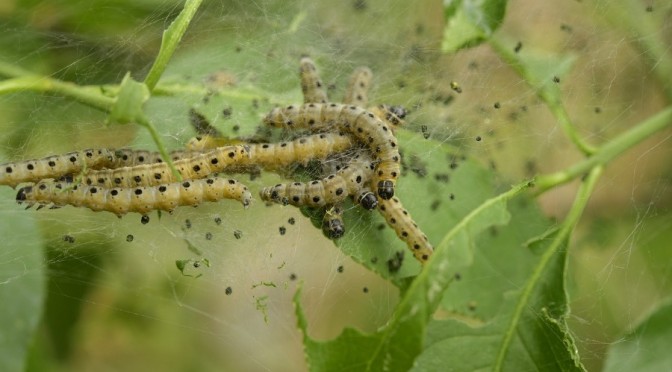
The beetle is the Grass Grub beetle and this is the time of the year that they emerge from pupating deep in the soil to feast on the foliage of a number of plants, mate and lay eggs back in lawns for future generations.

In my first book, Wally’s Down to Earth Gardening Guide, I suggest a trap to aid control of these pests.

Here is an extract from the book:

‘Grass grub adults emerge in October, and are active until about mid-December, depending on weather conditions and exactly where they are in New Zealand. The cooler the temperature, the later they emerge.

The adults will start to emerge in mild conditions, when the soil temperature reaches about 10 degrees they then mate, fly, eat and lay eggs in the short space of time between dusk and early evening.

As they tend to fly towards light, you are most likely to know they’re there when the flying beetles hit your lighted window panes.

This very attraction for the light has become one of our best weapons in controlling the pest in its adult stage. You can set up a grass grub beetle trap by placing a trough, such as the one used when wall-papering, directly underneath a window near a grassed area.

Fill the trough with water to about two-thirds of its capacity, then place a film of kerosene on top of the water. Put a bright light in the window, the beetles fly towards the lit window, hit the glass and fall into the trough.

The kerosene acts as a trap, preventing the fallen beetles from climbing out.

You can extend this method to areas away from the house by using a glass tank, such as might be used for an aquarium.

Place the empty tank into a tray containing several inches of water (and the kerosene), and position a light inside the glass tank.

By adding a sheet of ply or something similar over the top of the tank, you will ensure that the light shines only through the sides of the tank above the waiting water and kerosene.

It is better to use a dome-shaped battery-powered light rather than an ordinary torch for this job as the bigger light makes the trap more effective.

If the tray and tank are raised off the ground and placed on something like a table, you will get an even better result.

However you set up your beetle trap, this is a very good method to dispose of the pests. Simply get rid of all the beetles caught the next morning.

Run this system (call it Wally’s Grass Grub Beetle Catcher, if you like) from just before dusk to about 2 or 3 hours after sunset.’

Spraying the plants that are been attacked with Wallys Super Neem Tree Oil will help to also control the populations.

This should be done late in the day after the sun is off the plants. When a beetle chews on a leaf they get some Neem into their gut and that shuts off their ability to eat.

Problem arises, if there are hundreds of beetles then there needs to be hundreds of bites.

With the likelihood of more beetles emerging every day it is an on going battle over the next month or two.

Another way is to go outside just after dark with a torch and check your plants for beetles.

If you see a good number on any plant then a spray at that time with Wallys Super Neem Tree Oil and Wallys Super Pyrethrum added, sprayed to hit the beetles rather than the plant itself.

Another very good natural spray to use late in the day is a solution of Wallys 3 in 1 for Lawns.

This is a combination of Eucalyptus oil and Tea Tree oil, nice to use and deadly on pests.

If you repeat your nightly spraying and use a light trap also, then you will make a big dent in the grass grub beetle populations and thus suffer less damage to your plants and lawns.

The season is still poor weather wise which helps keep insect populations lower than normal but care should be taken with your potatoes and tomatoes by placing Neem Tree Granules on the soil in the root zone and spraying the plants occasionally with Wallys Super Neem tree Oil.

Visit your local garden center to obtain some good ideas for Xmas Presents.

Phone 0800 466464
Garden Pages and News at www.gardenews.co.nz
Shar Pei pages at  www.sharpei.co.nz
Mail Order products at www.0800466464.co.nz


New Zealand Bill of Rights Act 1990. Part II of the Act covers a broad range of Civil and Political Rights. As part of the right to life and the security of the person, the Act guarantees everyone:

1 The right not to be deprived of life except in accordance with fundamental justice (Section 8)

2 The right not to be subjected to torture or to cruel, degrading, or disproportionately severe treatment or punishment (Section 9)

3 The right not to be subjected to medical or scientific experimentation without consent (Section 10)

4 The right to refuse to undergo any medical treatment (Section 11)

 Furthermore, the New Zealand Bill of Rights Act 1990 guarantees everyone: Freedom of Thought, Conscience, and Religion.
This includes the right to freedom of thought, conscience, religion, and belief,
INCLUDING THE RIGHT TO ADOPT AND HOLD OPINIONS WITHOUT INTERFERENCE (Section 1)

More tips on beating those pests in your garden (Wally Richards)

It is a new gardening season and once it warms up the pest populations will quickly grow.

So far the temperatures have been below what would be normal for this time of the year and considering we are only a few weeks away from Labour Weekend it is most strange.

Temperatures have a great bearing on insect pest activity and population growth.

An ideal spring is an early one with 2-3 weeks of nice warm temperatures which attract the pests out of hiding to get on with their lives. Then a sudden cold snap for a week will bowl most of them out of our gardens and then delay the problems they cause till after the new year.

As the weather/temperatures are not great yet it means they are marking time for better days.

If we place controls in now and over the next few weeks we will be able to stop, confuse and eliminate a lot of the pests before their populations start to build.

This can be achieved by quick elimination of the pests that are lurking about on our plants by the use of the quick knock down spray; Wallys Super Pyrethrum.

For General use at 1ml to 2 litres of water (5ml to 10 litres of water) It is very concentrated and very cost effective.

Best used just prior to sunset when bee activity has ceased.

The spray will stay active through the night affecting any pest insects that come into contact with the residue.

Next day it will become inactive within 2 hours of direct sunlight.

You can also use Wallys Super Pyrethrum at 2.5ml per litre for a spray under eaves for spider  or indoors for flies etc.

Contains: 28g/litre pyrethrins in the form of an oil in water emulsion

A 1ml pipet is supplied in addition to the measure which is on the side of the Bottle.

Note the container has 100mils which makes up 200 litres of normal garden spray strength.

If not all the made up spray is used, then place the sprayer in a dark cupboard to keep it ready for future use.

The next step in pest control is to hide your plants so the pests dont know that they are there.

Of course you cant lift the plants and hide them some where but seeing many pests find their host plants by the smell of them, then we can disguise the plant’s smell by an over riding stronger smell.

Wallys Neem Tree Granules are perfect for this and even I have been surprised by the many comments from Landscapers and gardeners about how their pest problems have reduced by simply scattering Wallys Neem Tree Granules over the soil near plants, shrubs and even trees.

Ideal in a glasshouse to stop whitefly from smelling your tomato plants.

Placed under your citrus trees and Rhododendrons it will not only disguise the smell of the plants but also clean up any pests in the canopy. Repeat another application 3 months later.

On fruit trees that maybe attacked by either Codlin Moth or Guava Moth I suggest to also make some little bags out of old curtain netting, fill with the Neem Granules and hang in the tree at the four cardinal points about your height, high.

Moths flying around at night will not be able to smell the fruit so easily and so fly on by not knowing there is a ideal place to lay their eggs.

Another excellent control is a lure and trap which can be a from a color or a smell.

Wallys Sticky Yellow White Fly traps are ideal for both inside a glasshouse and outside hanging by plants such as tomatoes.

It always amazes me how many small adult pests are caught on these yellow sticky pads.

That in its self stops hundreds of eggs being laid and the resulting damage to your plants.

Then there is also another way to control moth problem by which you set up a moth lure to attract them and kill them.

Take one litre of hot water add a 100 grams of sugar, one teaspoon of marmite, half a tablespoon of

Cloudy Ammonia and half a tablespoon of Vanilla:

Mix well and divide the mix between two plastic milk or soft drink bottles. (500 mils approx each)

Punch or drill some holes (big enough to allow a moth in) in the side of the bottles just above the level

of the mix. Place on a stand about a couple of metres away from the tree. At about waist height like on a small folding table.

When a number of moths are caught dispose of them and make up a new solution.

Ideal for both codlin and guava moths.

Then we can have control of the psyllid pest which effects and destroys our tomatoes, potatoes and tamarillos and to a lessor extent, capsicums, chilies, peppino and okra.

If you had psyllid problems on your tomatoes last season this is what you do.

When you plant your tomato seedling water it in with a solution of Wallys Silicon and Boron Soil Drench, used at 10ml per litre of water apply about a 150mls of the solution into the soil to water the seedling in. You will repeat this again two weeks later.

This gets the silicon into the plant through the roots and the plant takes it up readily because of the boron.

You then mix Wally Silicon Cell Strengthener Spray used at 5ml per litre of non-chlorinated water and

Mixed with Wallys Silicon Super Spreader used at just 1mil per 5 litres of non chlorinated water.

(Comes a 100ml bottle makes 500 litres of spray, use the 1ml Transfer Pipet supplied to measure)

Mix these two products into a one litre Trigger sprayer which will be 5mils of Wally Silicon Cell

Strengthener Spray with quarter a mil of Silicon Super Spreader which drives the spray into the tomato plant. Spray the young plants each week till about a metre tall.

The spray keeps ok so just place out of direct sunlight to use again next time, after giving the contents a shake.

Once a metre tall spray 2 weekly and then when you reach the stage when there is a good fruit set spray once a month for any new growth.

Done correctly you will wipe out all the psyllids in your back yard or glasshouse and be free of the pests next season until they find their way back from the neighborhood.

Remember that a lot of pests are brought home on plants obtained from elsewhere including places you purchased from.

Root mealy bug is a curse insect as is root nematodes both suck goodness out of the roots of plants they are feeding on. On container plants and out doors they can be treated with Wallys Neem Tree Powder sprinkle a little on to the potting mix then cover with a little more potting mix

On lawns you can do the same but in gardens where the pests are just use Wallys Neem Tree Granules. Often gardeners are surprised at how good the treated plants are after a few weeks of application.

Thats because they dont have the pests sucking out their goodness anymore.

Here is to a reduced pest problem this season.

Phone 0800 466464
Garden Pages and News at www.gardenews.co.nz
Shar Pei pages at  www.sharpei.co.nz
Mail Order products at www.0800466464.co.nz


New Zealand Bill of Rights Act 1990. Part II of the Act covers a broad range of Civil and Political Rights. As part of the right to life and the security of the person, the Act guarantees everyone:

1The right not to be deprived of life except in accordance with fundamental justice (Section 8)

2The right not to be subjected to torture or to cruel, degrading, or disproportionately severe treatment or punishment (Section 9)

3The right not to be subjected to medical or scientific experimentation without consent (Section 10)

4The right to refuse to undergo any medical treatment (Section 11)

 Furthermore, the New Zealand Bill of Rights Act 1990 guarantees everyone: Freedom of Thought, Conscience, and Religion.
This includes the right to freedom of thought, conscience, religion, and belief,
INCLUDING THE RIGHT TO ADOPT AND HOLD OPINIONS WITHOUT INTERFERENCE (Section 1)

Using Neem in your garden & elsewhere (Wally Richards)

Azadirachta indica, commonly known as Neem, nimtree or Indian lilac, is a tree in the mahogany family Meliaceae.

It is one of two species in the genus Azadirachta, and is native to the Indian subcontinent and most of the countries in Africa. It is typically grown in tropical and semi-tropical regions.

Each year the tree flowers and produces fruit or kernels which are the seeds of the tree.

These are harvested and cold pressed to extract the Neem Oil which is used for many things including as an insecticide and for medical uses.

If the kernels are press only once then the Neem Cake will be dark in colour and have a good Neem smell.

If they are cold pressed more than once to extract more oil then they will be light brown in colour and not have much smell which means they will not any where near effective as the dark Neem Granules/Powder;.

The crushed residue is called Neem Cake in India which my company Garden Enterprises import in container loads into NZ for gardeners to use.

Before it is shipped the Neem cake is dried then screened to obtain to particle sizes which we call Wallys Neem Tree Powder being uniform particles 1-3mm in size.

Then there are the larger particles we call Wallys Neem Tree Granules which vary from 1mm to about 50mm in size.

Both are the same thing it is just the size of the particles that determine what we call them.

Likewise either can be used to do most gardening tasks that Neem Cake can be used for but each has its special tasks for applications.

Firstly lets talk about Neem Tree Powder, lovely to work with, easy to handle and far better to use for some applications than the Neem Tree Granules.

For instance when planting seeds or seedlings a little of the powder can be sprinkled with the seeds or put into a seedling’s planting hole.

It is a must to prevent carrot fly damage; you sprinkle the powder along the furrow with the seeds at sowing time.

Later when the carrots have germinated and have tops of foliage about 3-4cm tall you then side dress the row with the powder.

By doing this most gardeners have found little or no damage to the carrots at harvest time.

The Neem Tree Powder is ideal for treating grass grubs in lawns if used when the grubs are near the soil surface. For most that would be in the autumn after the autumn rains have moistened up the soil.

By cutting out squares of turf and examining the clods will let you see if there are grubs near the surface, if so then treat those areas where there are several grubs per square foot.

Sprinkle the Neem Tree Powder over a freshly mowed lawn and water in to settle the powder onto the soil.

If you have a roller then roll to press the powder into the moist soil.

If not then either lift the height of your rotary mower by a notch or two before you mow again or leave the catcher off so that powder picked up while mowing will be put back onto the lawn. Only applicable for two or three mowings after application of the Neem Powder.

Where you apply the powder on the lawn you may notice after a couple of weeks that those areas are looking better than where it was not used.

This is a good indication that you have root nematodes in the roots of your grasses and they are sucking the vigor out of your lawn. So if this is the case then you know to treat the rest of your lawn.

Neem Tree Powder is also ideal to place a small sprinkling on top of the growing medium of your container plants to eradicate root mealy bugs in the roots. Out side containers it does not matter so much as the powder will get molds when it breaks down which is normal; but indoors it will look unsightly so cover the powder with a little more growing medium.

Wallys Neem Tree Granules being bigger in size means they will last much longer slowly breaking down.

This makes them great to use on the soil of more established plants such as trees, shrubs and roses.

I have had a few gardeners tell me they used them in the root zone of their roses and significantly reduced problems of pests and diseases.

We have found them magic placed on the soil under citrus trees from the trunk to the drip line..

Within a period of about 6-8 weeks all insect pests on or in the tree are gone including whitefly, scale borer and mealy bugs.

At the beginning of the season when you plant up your glasshouse with tomatoes and other plants put some Neem Tree Powder in the planting holes and Neem Tree Granules on top of the growing medium (soil or containers) Many reports have said that in its self has solved most of their problems with whitefly in the glasshouse.

The reason I believe is that the smell of the granules disguises the smell of the plants and hence insects pests flying by don’t know that there are host plants nearby.

Disguising the smell of plants so that insects do not know that they are there is a great easy control.

It is the first line of defense against codlin and guava moth damage. You hide the tree when its fruiting.

The time to use the granules is after the fruit has formed on the tree and is about halfway to maturity.

Sprinkle the Neem Tree Granules under the tree from trunk to drip line.

Next make up some small bags using old curtain netting which you will place some granules in and the hang in the tree about your height. Hang around the tree 4 to 6 bags.

When the moths are flying at night looking for where to lay their eggs from the smell of the fruit they will fly on by as can not smell the fruit because of the Neem Granule’s smell that overrides the fruit smell.

Simple and very effective in greatly reducing the damage to your crop.

In regards to using Neem Tree Granules on the soil under plants you are likely to find they work better on some types if plants than on others.

I found on brassica such as cabbage that powder in the planting hole and granules on the soil meant that caterpillars never got established or caused much damage.

A few months ago a lady gardener from India told me that she soaks Neem Tree Granules in a bucket of water (about a cup full) for a couple of weeks stirring occasionally.

Then she takes the water and sprays or pours over her roses late in the afternoon.

According to her it keeps the pests and diseases under control.

Wallys Neem Tree Powder and Granules are great gardening aids and available in sizes in 1 kilo, 3 kilo and 20 kilo bags.

Problems ring me at 0800 466464
Email wallyjr@gardenews.co.nz
Web site www.gardenews.co.nz

Phone 0800 466464
Garden Pages and News at www.gardenews.co.nz
Shar Pei pages at  www.sharpei.co.nz
Mail Order products at www.0800466464.co.nz

New Zealand Bill of Rights Act 1990. Part II of the Act covers a broad range of Civil and Political Rights. As part of the right to life and the security of the person, the Act guarantees everyone:

1The right not to be deprived of life except in accordance with fundamental justice (Section 8)

2The right not to be subjected to torture or to cruel, degrading, or disproportionately severe treatment or punishment (Section 9)

3The right not to be subjected to medical or scientific experimentation without consent (Section 10)

4The right to refuse to undergo any medical treatment (Section 11)

 Furthermore, the New Zealand Bill of Rights Act 1990 guarantees everyone: Freedom of Thought, Conscience, and Religion.
This includes the right to freedom of thought, conscience, religion, and belief,
INCLUDING THE RIGHT TO ADOPT AND HOLD OPINIONS WITHOUT INTERFERENCE (Section 1)

Image by Alexei from Pixabay

Growing potatoes (Wally Richards)

Once upon a time when the world was a much better place and people could afford to buy a quarter acre of land and build a house for their family to grow up in and enjoy the benefits of those days 50 to 100 years ago.

(You only have to think back to see how bad things have become in more recent years. )

Well the first thing that a young married man would do with the land would be to plant a crop of potatoes.

This served two purposes it would help break up the earth for future gardens and lawns plus a bounty crop of potatoes to store and use.

Nowadays because of the dread potato psyllid you need to plan and plantings of potatoes and later on tomatoes or use controls to combat the psyllid.

If you had psyllids last season and did not use the Cell Strengthening products you will have worse problems this season.

With potatoes there is a way to get a early crop in and out before the plants are attacked.

Psyllids are temperature controlled and when too hot like over 35 degrees or too cool like under 15 degrees they are slow to reproduce.

When the temperatures are ideal for them they produce in the hundreds and thousands.

When they feed on the foliage they inject a toxin into the potato plants which will prevent the baby tubers from growing bigger than a marble,

or if the tubers have reached a reasonable size then you find in the harvested potatoes dark rings and they taste bad.

Early planting is a way around the problem and the way to do this is:

Dig a trench about one and a half spade depth.

Place your sprouted potato on top of the following at the base of the trench,  about a table spoon of gypsum, quarter a teaspoon of BioPhos a few sheep manure pellets and a sprinkling of Wally Neem Tree Powder.

Sprouts should facing skywards. Use  a little soil to cover the sprouts.

The soil protects against any frosts and possible early emergence of psyllids. 

Now this is most important you need to check frequently the crop and as soon as the new sprouts pop though the cover add a little more soil to re-cover.

You keep doing this till until your trench is filled level with the soil.

Then you start mounding up to keep the sprouts covered.Not only will this be adequate protection from late frosts but will increase the size of your crop.

The new potatoes will form all the way up the haulm of the potatoes you planted as long as you covered the sprouts as they appear.

If you don’t then once the spouts get up a few inches out of the ground you will not obtain any extra potatoes to harvest.

Growing quick maturing potatoes now should have them mature and ready to harvest before the temperatures rise and the psyllids come out to play.

When you stop mounding sprinkle Wallys Neem Tree Powder as a side dressing each side of the row.

When the crop is mature than either lift so the tubers are safe or if you leave them in the ground removed the top foliage and cover the stubble with soil so there is nothing for the psyllids to attack.

Ideally the above could have been done in the middle of winter like in May/June.

The earlier the better.

Any late crop of potatoes planted say about Labour Weekend will likely be doomed to failure once the tops are exposed and before maturity.

To overcome this possibility then you Need to use Wallys Cell Strengthening kit to make the cells of the plants so tough that the nymphs can not piece to feed.

This means about the time of planting the seed potatoes and started covering then a soil drench of Wallys Silicon and Boron soil drench.A send drench can be applied about the time you stop mounding.

Then a weekly spray of the foliage with Wallys Silicon Cell Strengthening Spray with Wallys Super Spreader added which drives the spray into the plants.

Use those products and your should be able to have later crops with no psyllid damage.The same products should be used for your tomatoes, capsicums, chili, garlic and tamarillos. 

I also like to add Magic Botanic Liquid to the cell strengthening spray for greater results.

REMINDER  EARLY BIRD SPRING PROMOTION

For our Early Bird Promotion till the end of July (July 31st cut off) the following applies.Neem Powder Neem Granules all sizes, 1kg, 3kg 10 kg and 20 kg 20% off the mail order web site price.

All other gardening products 15% off the marked prices but excluding bulk items such as 12.5 kilos Fruit & Flower etc.

Shipping if after discounts and excluding bulk items the order is $150 plus North Island or $200 plus South Island Free shipping for those orders.

Under those order sizes shipping at cost to you.

Often the discounts given means that you can get free shipping as the discount covers the shipping costs.

Orders must be placed on line at http://www.0800466464.co.nz

You cant pay on the web site and we phone you after receiving the order to give you your discounts.

Please put in the remarks place ‘Early Bird’ so I know to sort out the discounts before I phone you.

We can then take credit card details over the phone safely or email you details to do a bank transfer.

Regards

Wally Richards
Phone 0800 466464
Garden Pages and News at www.gardenews.co.nz
Shar Pei pages at  www.sharpei.co.nz
Mail Order products at www.0800466464.co.nz

Photo: pixabay.com

USING NEEM TREE GRANULES AND POWDER IN THE GARDEN (Wally Richards)

In India the kernels of the Neem Tree are collected and cold pressed to extract the Neem oil which is used to control insect pests in agriculture and our home gardens.

The Neem Oil is not a poison so unlike chemical insecticides it does not poison the pests, the environment or the user.

Instead it acts as a deterrent and has the ability to prevent insect pests from feeding making it an anti-feedent and when a small amount is consumed by pest insects feeding on the plants sprayed with the oil they stop eating and starve to death..

Recently EPA came across an overseas study that suggested that the active ingredient in Neem Oil could be harmful to aquatic life.

Apparently there are other studies that show it is not but EPA has taken the precaution of having all brands of Neem Oil to be re-registered and while the applications are being scrutinised the Neem Oil brands cannot be marketed in NZ.

That is the reason the Wallys Super Neem Tree oil is currently removed from sale while our application is being approved.

Neem Granules and powder which in India are called Neem Cake does not have that problem and is used as a soil conditioner, fertiliser and pest deterrent.

The only difference between Wallys Neem Tree Granules and Wallys Neem Tree Powder is the particle sizes.

The powder is uniform size particles about 1-3mm where the granules is a mix of powder up to lumps about 30mm in size but mostly about 10-15mm.

The powder is ideal for using in the planting hole for seedlings, on the lawn and on smaller containers.

To deter carrot fly you sprinkle the power with the seeds when sowing and later when the tops are up about 4 to 5 cm you side dress the row with Wallys Neem Tree Powder.

It is fast acting, breaking down and needs to be reapplied about every 2-3 months.

The larger particles of Wallys Neem Tree Granules are slower to break down giving a much longer protection period of about 3 to 5 months.

This makes them ideal for placing in the root zone of larger plants, roses, shrubs and trees.

I have been pleased with the effects that have happened when used on the soil surface in the root zone of citrus trees.

An application sprinkled from the trunk to the drip line cleans the tree of all insect pests within a few weeks of application.

I had a Lime growing in a container that was attacked by scale insects with a lot of ants over the plant collecting the honeydew the scale was peeing out.

A handful of Wallys Neem Tree Granules onto the growing medium and within a month no ants and no scale.

A couple of months ago a lady gardener from India living now in NZ told me how she has beautiful roses free of pests and most diseases and looking very healthy.

The secret she told me was to put about a handful of Neem Granules into a bucket of water.

Stir occasionally and then take the water and pour over your roses.

A natural food and deterrent bit like the article I wrote a few weeks back about mixing Apple Cider Vinegar with water and spraying over fruit trees.

If you are going to try the Neem Granules into a bucket of water I would also suggest you make it even better by adding a little Magic Botanic Liquid (MBL).

It has taken us 6 months to get a container load of Wallys Neem Powder/Granules from India to New Zealand because of all the upsets in the supply chains and lock downs.

Normally it would have only taken 6 to 8 weeks.

I asked my India supplier because the delays are so long now to arrange a second container.

I asked for that 3 months ago and they are still trying to find a shipping line to bring it to NZ.

Why is this the case?

Which apparently applies to both New Zealand and Australia, as our Governments make them stand off shore for long periods of time before they can dock into our ports.

While waiting to dock they use up fuel and have to pay their sailors wages for doing nothing.

A few gardeners have told me that using Neem Powder or Granules in their vegetable gardens has deterred cats from fouling the gardens.

Apparently the cats do not like the smell of the Neem.

This may work for some cats and be a deterrent but I have not had sufficient feed back to say it is greatly successful on most cats.

If you find by using it in gardens that cats stop fouling please let me know.

The product Wallys Cat Repellent which is naphthalene flakes works on about 95% of cats.

We are trying to bring a shipment from India but so far not having any success so out of stock.

None of the shipping lines want to handle it so trying to air freight it here if they can find a plane to bring it to NZ.

My advice to all you readers currently is to plant up food crops into any available ground and stock up on essentials as a world wide famine has started and things are not looking good.

Have an ample stock of vegetable seed varieties that you like to grow and store the packets opened or unopened in a glass jar sealed with a lid in your fridge.

Also seeds for growing sprouts which can be grown all year round for good nutrition as not subjected to day light hours like our vegetable crops for growth.

Have on hand a supply of MBL and Ocean Solids which a small amount of both can be added to the water that you use to do your sprouts to increase their mineral content.

There is an old saying ‘Prepare for the Worst and Hope for the Best.’

If you want a ‘Bit more’ information on current happenings email me.

Phone 0800 466464
Garden Pages and News at www.gardenews.co.nz
Shar Pei pages at  www.sharpei.co.nz
Mail Order products at www.0800466464.co.nz

Photo: pixabay.com