The Cook Islands prime minister, Mark Brown, was recently in Aotearoa for a week-long tour of community halls and churches.
His mission? To convince the large Cook Island population living here of the benefits of deep sea mining.
Teuila Fuatai was at the first meeting in Māngere.
With his bright blue shirt and neck ‘ei or flower garlands, Prime Minister Mark Brown looked right at home in Māngere’s Enuamanu Hall.
Brown sat centre-stage, flanked by Bishop Tutai Pere (chair of the government’s Seabed Minerals Authority advisory committee), Tou Travel Ariki (the kaumaiti nui or president of the House of Ariki, the body of high chiefs that advises the Cook Islands parliament), and Alex Herman (the government’s now outgoing Seabed Minerals commissioner), among others.
As one person observed, it was “an intimidating line-up” of the country’s political, religious and cultural leaders.
There to listen was a largely elderly crowd of over a hundred Cook Islanders who’ve made New Zealand their home.
Brown was undoubtedly the main attraction for this audience. He spoke convincingly of the anticipated benefits of deep-sea mining, about university scholarships for young Cook Islanders, and infrastructure basics like good roads and better air access to the pā enua or outer islands, where the cost and availability of flights remain a major issue.
The message from more than two hours of speeches and presentations was clear: A future with mining in the Cook Islands will give us and our people options that we don’t have right now.
“There were a lot of examples around how this industry was leading to ‘firsts’ for our country,” said one attendee, Charlotte Samuela. “Like it’s the first time we’re getting to look at the deep sea, or the first time we’re leading our own research mission as Cook Islanders.”
Charlotte grew up in Rarotonga and now works as a theatre nurse in Auckland. Like many others there, she wanted to know more about how the government planned to manage environmental concerns.
“There was less emphasis on the potential impacts, or really what the research simply can’t tell us yet, which is what I would’ve liked.”
But deep-sea mining is an emerging industry, with very little available long-term research on its impacts, something the government representatives themselves acknowledged.
Still, the Cook Islands government has granted three mining companies exploratory research licenses in the Cook Islands’ exclusive economic zone (EEZ). These companies are hoping to identify, and eventually access, vast deposits of rare earth minerals. It’s a plan that is dividing Cook Islanders at home and overseas.
(Photo: Cook Islands Seabed Minerals Authority) Cook Islands prime minister Mark Brown spent a week in Aotearoa in November talking to NZ-based Cook Islanders about deep sea mining in their home country. He’s pictured here in Dunedin.
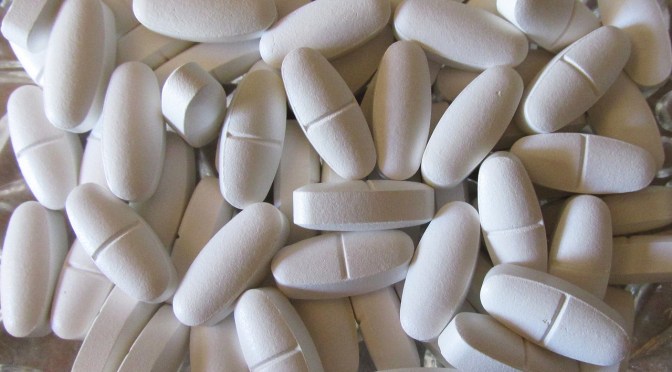
While I do not recommend relying on supplements for your daily nutrition, depending on your state of health, there may be instances where you need one or more supplements to address a nutritional deficiency or ailment
Ten of the most popular nutritional supplements include ashwagandha, berberine, B vitamins, including B12, collagen, creatine, omega-3, magnesium, vitamin D and NAD+ precursors such as niacinamide
Some nutritional deficiencies are so widespread, thanks to soil depletion and reliance on processed foods, that just about everyone can benefit from supplementation. This is the case for magnesium and B vitamins in particular
While I do not recommend relying on supplements for your daily nutrition, depending on your state of health, there may be instances where you need one or more supplements to address a nutritional deficiency or ailment.
Some nutritional deficiencies are so widespread, thanks to soil depletion and reliance on processed foods, that just about everyone can benefit from supplementation. In this article, I will review 10 of the most popular nutritional supplements that may be helpful for many.
Ashwagandha
Ashwagandha is an adaptogenic herb, meaning it helps your body adapt to stress by balancing your immune system, metabolism and hormonal systems. The root contains the highest concentration of active ingredients that modulate hormones, including thyroid hormone, estrogen, progesterone and testosterone.
Naturally occurring steroids called withanolides in ashwagandha also suppress pathways responsible for several inflammation-based illnesses such as arthritis, asthma, hypertension, osteoporosis and cancer.
Ashwagandha also supports sexual and reproductive health in both men and women. In men, it helps boost testosterone levels, and has been shown to improve semen quality in infertile men.
In women, ashwagandha’s ability to rebalance hormones (including thyroid hormone, estrogen and progesterone) has been shown to improve polycystic ovary syndrome and relieve menopausal symptoms.
Ashwagandha also has natural pain reliever (analgesic) and rejuvenating properties, and can promote general health when used regularly. While some adaptogens are stimulants in disguise, this is not the case with ashwagandha. It can give your morning exercise routine a boost, and when taken prior to bed it can help you get a good night’s sleep as well.
Berberine
Berberine — a yellow-colored alkaloid compound found in several different plants, including European barberry, goldenseal, goldthread, Oregon grape and tree turmeric — has antibacterial, anti-inflammatory, antiproliferative, antidiarrheal, antineoplastic, antidiabetic and immune-enhancing1 properties.
It has a long history of use in traditional medicine, including traditional Chinese medicine, and many integrative health practitioners swear by berberine as a general health supplement due to its ability to address such a wide variety of maladies.2
For example, it’s effective against a wide range of bacteria, protozoa and fungi, and is commonly used to treat gastrointestinal issues, including traveler’s diarrhea and that from food poisoning. Having similar mechanisms of action as the drug metformin, berberine can also be used as an oral hypoglycemic for Type 2 diabetics.3 Other ailments berberine has been shown to protect against and/or treat include:4
High blood pressure
Fatty liver disease
Obesity
Digestive issues
Neurological diseases such as Alzheimer’s and Parkinson’s
Cancer
Anxiety, depression and post-traumatic stress disorder (PTSD)
Many of berberine’s health benefits5 have been linked to its ability to activate adenosine monophosphate-activated protein kinase (AMPK).6 AMPK is an enzyme inside your body’s cells. It’s sometimes referred to as a “metabolic master switch” because it plays an important role in regulating metabolism.7
Low AMPK has been linked to insulin resistance, mitochondrial dysfunction, obesity, neurodegeneration and chronic inflammation — all of which lay the groundwork for a wide variety of serious chronic diseases.
According to many studies, berberine is well-tolerated.8 However, it can interfere with some medications, including oral chemotherapy, high blood pressure medications, blood thinners, cholesterol medications, immunosuppressive drugs, and pharmaceutical diabetes treatments.
Women who are pregnant or breastfeeding should avoid berberine. Other side effects can include constipation, diarrhea, low blood sugar, nausea and vomiting.
Vitamin B12 (cobalamin) is known as “the energy vitamin.” Your body requires it for a variety of functions, including energy production, blood formation, DNA synthesis and myelin formation.
It also plays an important role in neurological function, and deficiency can culminate in a range of mental health symptoms, from irritability and depression to dementia and even psychosis. For more details, see “Vitamin B12 to Help Combat Mental Illness.”
Low B12 also increases inflammation and oxidative stress by raising homocysteine. High homocysteine, in turn, is associated with cardiovascular disease and decreased immune response. Vitamins B6, B9 (folate) and B12 break down homocysteine.9
Recent research10 suggests B12 may also be a key player in cellular regeneration, speeding up tissue repair. More specifically, the study found that vitamin B12 is a limiting factor for tissue repair. In other words, to optimize tissue regeneration, you need sufficient amounts of B12 in your system.
The two ways you become deficient are through a lack of vitamin B12 in your diet, or through your inability to absorb it from the food you eat. Vitamin B12 is present in natural form only in animal sources of food, which is one of the reasons I advise against a no-animal-food, vegan diet.
B12-rich foods include beef and beef liver (grass-fed beef is highly preferable to the grain-fed variety), lamb, snapper, venison, salmon, shrimp, scallops, organic pastured poultry and eggs.
Warning signs of B12 deficiency include brain fog, memory lapses, mood swings, apathy, fatigue, muscle weakness and tingling in the extremities. Unfortunately, B12 deficiency may not present itself for several years, so by the time you notice symptoms, you may be quite deficient.
When it comes to supplementation, your best alternatives include injectable B12 and sublingual drops or spray. Most oral supplements tend to be ineffective, as vitamin B12 is poorly absorbed.
You also want to make sure you’re taking methylcobalamin, not cyanocobalamin (which is the most commonly found B12). When taken sublingually (either by tablet or spray), it goes straight into your bloodstream.
If you take it as an oral supplement, you have to rely on a glycoprotein produced in your stomach called intrinsic factor, which binds to the B12 and shuttles it into the intestine to the end of the small intestine where it’s absorbed. As you get older, you lose the ability to produce intrinsic factor, making you more likely to suffer from B12 deficiency.
Other B Vitamins
The other B vitamins are also important, and if you eat a lot of processed food, you’re virtually guaranteed to be deficient in several of them. Case in point: in mid-October 2023, Moms Across America (MAA) tested 10 fast food brands for B vitamins,11 and none of them contained either B9 or B12. Levels of B3 (niacin) were also abysmal.
The recommended daily allowance (RDA) of niacin is 14 mg per day for women and 16 mg for men. To meet that RDA, a woman would need to consume 333 servings of Chick-fil-A chicken sandwiches (at a serving size of 210 grams) and a man would need to eat 380 servings.
Chipotle’s carnitas bowl with everything, which had the highest amount of B3, still requires you to eat eight servings if you’re a woman and nine servings if you’re a man, to meet your RDA of niacin. Personally, I believe a B complex is a good option for most people, as you really need all the B vitamins, not just one or two.
Niacinamide
I also recommend taking 50 mg of niacinamide (aka nicotinamide, a form of niacin or vitamin B3) two to three times a day, as it plays a vital role in producing energy in your mitochondria.
Without it, your mitochondria simply cannot make energy efficiently. Niacinamide is also a precursor to NAD+, which is also tightly correlated with total ATP production. NAD+ also acts as fuel for longevity proteins called sirtuins.
Because of its effects on energy production and NAD+, niacinamide can be useful in the prevention and/or treatment of a long list of chronic conditions, including obesity,12,13 insulin resistance and diabetes,14 neurodegeneration15 and neurological conditions such as Alzheimer’s and ischemic stroke,16,17 heart failure,18,19 leaky gut,20,21 glaucoma,22,23 declining testosterone levels,24,25 cancer,26,27 kidney disease,28 alcoholic- and nonalcoholic liver disease,29,30 and even COVID-19.31
Your NAD levels dramatically decline with age. It’s also used up by DNA repair enzymes and enzymes involved in inflammation and immunity, such that chronic inflammation, or acute illness in old age, can rapidly result in depletion. For more details, see “The Crucial Role of NAD+ in Optimal Health.”
Collagen
Collagen is the most common and abundant of your body’s proteins. One of its primary purposes is to provide structural scaffolding for your various tissues to allow them to stretch while still maintaining tissue integrity.
As a compound of essential amino acids, there’s only one way to get collagen. Your body can’t produce it, so you must obtain it through your diet. Historically, traditional diets provided ample collagen in the form of broth made from boiled chicken feet or beef bones. These are by far your best alternatives.
If you decide to use a collagen supplement, make sure your collagen supplement is certified “100% Organic” by the U.S. Department of Agriculture (USDA) to minimize the risk of contaminants associated with concentrated animal feeding operations (CAFOs).
Moreover, collagen supplements can be either unhydrolyzed (undenatured) or hydrolyzed (denatured). The processing that most collagen supplements undergo to become hydrolyzed can also result in questionable byproducts that are best avoided.
My personal preference is to use a less denatured (unhydrolyzed) organic collagen supplement, as it has a more balanced amino acid profile. That said, I still believe the natural approach is best. Making homemade bone broth using bones and connective tissue from grass fed, organically raised animals isn’t very complicated and will produce the best results. Another alternative is to take glycine, as nearly one-third of the amino acids in collagen is glycine.
Glycine helps reduce inflammation and oxidative damage, as it inhibits the consumption of nicotinamide adenine dinucleotide phosphate (NADPH). NADPH is used as a reductive reservoir of electrons to recharge antioxidants once they become oxidized.
Glycine also has cell-protective, and antistress effects,32 and has been shown to extend lifespan in animal studies and mitigate chronic disease and disability, thereby increasing healthspan. You need at least 12 grams of glycine daily for optimal collagen turnover, plus another 3 grams per day to form glutathione. So, a therapeutic dose of glycine would be around 15 grams, unless you’re also getting collagen from food or a supplement.
Creatine
Creatine is commonly used by athletes to improve performance, as it’s immediately used by your body to convert ADP to ATP and supply energy muscles need for contraction.
Creatine also helps provide energy to your brain and may improve cognitive performance. It also appears to have protective effects in cases of mild traumatic brain injury. Of the roughly 20 different formulations of creatine on the market, creatine monohydrate is the one that has been studied most frequently and therefore has the strongest evidence of health benefits.
Creatine appears to work by increasing proteins that create muscle fibers33 and raising insulin-like growth factor,34 a hormone that increases muscle mass. Data also suggest that creatine may help lower blood sugar levels.
It is important to choose creatine from a reputable manufacturer. Clinical trials that have lasted up to five years have reported no adverse effects in healthy individuals.35 However, it is important to stay within the recommended dose.
Some people find that creatine makes them feel bloated.36 Some people are sensitive to using creatine and feel bloated if they don’t drink enough water with the supplement. However, most of the time it goes away in just a few hours. Factors that affect bloating include how much water you drink, the intensity of your workout and your diet.
Keep in mind that it’s not guaranteed that you will build muscle from using creatine. Consider creating specific goals for using the supplement so you are not disappointed. If you’re a vegan or a vegetarian, you might consider using creatine to help protect brain health.
Omega-3
Omega-3 fats are essential for healthy cell membrane function, and higher omega-3 levels have been consistently linked to better health and longer life spans. The omega-3 fats EPA and DHA protect health and promotes longevity by:
Thinning your blood, which discourages inappropriate clotting that can lead to a stroke or heart attack
Lowering serum triglyceride levels
Helping to lower blood pressure, in part by improving the health of the lining of your blood vessels so that they can relax better
Anti-inflammatory effects — For example, provided you have enough EPA and DHA in your membranes, when an inflammatory insult occurs, metabolites of the EPA and DHA — resolvins and protectins — will be synthesized. As their names imply, these metabolites help protect against and resolve inflammation. If you do not have sufficient omega-3, the inflammatory response persists longer and can become chronic
Helping the mitochondrial membrane process energy — Improving the fluidity and flexibility of the mitochondrial membrane allows enzymes and the other proteins embedded in the membrane to operate more smoothly
Adding structural stability to mitochondrial membranes — When loaded with omega-3, the membrane allows these agents to move freely, allowing everything to work as it should
While most use fish oil to increase their omega-3 level, this isn’t the best choice, as most are synthetic ethyl esters, which are very different from the triglyceride and phospholipid forms of omega-3 found in sea food.
Ideally, you’d want to get most of your omega-3 from cold-water fatty fish like wild-caught Alaskan salmon, sardines, herring and mackerel, for example. If you opt for a supplement, krill oil, which delivers omega-3 primarily in the phospholipid form, makes it a superior choice to fish oil.
As for dosing, research37 has shown that an omega-3 index greater than 8% is associated with the lowest risk of death from heart disease while an index below 4% places you at the highest risk of heart disease-related mortality.
I recommend taking a maximum of 1 gram of omega-3 per day. Higher amounts could be risky, in my view, because EPA and DHA are both polyunsaturated fats (PUFAs) and, like linoleic acid (LA), are susceptible to oxidation and the production of dangerous aldehyde metabolites.
Magnesium
Magnesium is the fourth most abundant element in your body38 and one of the seven essential minerals we cannot live without.39 It’s involved in hundreds of biochemical reactions in the body,40 and deficiency can contribute to significant health problems.41
It is necessary for the healthy functioning of most cells, and especially your heart and muscles.42 Low levels can impede both cellular metabolic function and mitochondrial function.
According to one scientific review43,44 that included studies dating as far back as 1937, low magnesium may actually be the greatest predictor of heart disease. Research published in 201745 shows even subclinical magnesium deficiency can compromise cardiovascular health. My favorite form of magnesium is L-threonate, as it appears to make its way into your brain the best.
Vitamin D
Last but not least, vitamin D. Ideally, you would get most of your vitamin D from sensible sun exposure. Depending on where you live, this may not be possible however, so oral supplementation may be necessary for at least part of the year.
The ideal dose for most adults of normal weight is 6,000 IUs a day; 7,000 IUs if you’re overweight; and 8,000 IUs a day if you’re obese. At those dosages, most people can reach a minimum blood level of 40 ng/mL (100 nmol/L),46 which is the lower cutoff for sufficiency. Other research suggests you may need as much as 9,122 IUs per day to reach 40 ng/mL.47
Most definitely, the conventional claim that you only need a few hundred IUs per day — which is still touted by medical professionals in media48 — is completely inaccurate and is based on a statistical error49 that for some reason has never been officially corrected.
Your best bet is to get your vitamin D level tested twice a year. Based on the evaluation of healthy populations that get plenty of natural sun exposure, the optimal range for general health appears to be somewhere between 60 and 80 ng/mL (150 to 200 nmol/L).
Taking oral vitamin D together with vitamin K2 and magnesium is also recommended, as you need 244% more oral vitamin D if you’re not also taking magnesium and vitamin K2.50 In other words, if you take all three in combination, you need far less oral vitamin D in order to achieve a healthy vitamin D level.
It has been a very busy week with the pre-sales of my new book ‘Gardening with Wally Richards’ andto date over 200 copies have been spoken for which is wonderful.
The books purchased will start being sent out on the 11th December.
Below is an article I wrote sometime ago and the information is very important for you and your family.
Save the earth and better yourself: 8 reasons why growing your own food is the best decision you will ever make.
I received an email article from Natural News.com which echoes much of what I have been encouraging people to do for many years.
The following is what they have to say:
(Natural News) Have you ever thought of growing your own fruits and vegetables? If not, now is the time to start considering it.
It may seem tedious and overwhelming, but in reality it is actually easy and simple. You can start by growing them in your backyard, or if you do not have any yard, consider container gardening in your balcony, patio, or on a windowsill.
Still not convinced? Here are eight reasons on why you should start growing your own food.
1/ Have a healthier family – Nothing can beat the freshness of fruits and vegetables that are homegrown.
Serving your family fresh fruits and vegetables is one of the most valuable things you and your family can do to be healthy.
Fruits and vegetables grown in your backyard are the best because you harvest them straight from your garden and eat them fresh.
Another proven health benefit of homegrown produce was shown in a study published in the Journal of the American Dietetic Association.
Results of the study showed that preschool children who almost always ate homegrown produce were more than two times likely to eat five servings of fruits and vegetables per day than those kids who rarely or never ate homegrown produce.
2/ Spend less on groceries – Growing your own food will help you save money and ensure you food security as you will not have to buy fruits and vegetables from the supermarket.
Most fruits and vegetables from the supermarket have already lost their nutritional value as they have been stored for a long time.
With less than a dollar, you can buy a packet of seeds and start planting your own produce.
3/ Help the environment – By growing your own produce, you are already helping the environment in different ways.
One way is growing your food without using pesticides and herbicides.
This lessens air and water pollution. You will also help reduce the use of fossil fuels.
Moreover, pollution from the transportation of fresh produce from around the world to the supermarket will also be lessened.
4/ Increase your physical activity – Since you will be doing all the planting, weeding, watering, and harvesting, you are also exercising at the same time.
Remember to warm up and stretch your muscles before and after gardening though!
Exercising also helps you relax, de-stress, refresh your mind, inhale fresh air, and get vitamin D.
5/ Indulge in more tasty food – Nothing beats the freshness of picked out fruits and vegetables straight from the backyard.
A study found that homegrown tomatoes are sweeter and richer in nutrients than those sold in the supermarket.
6/ Have a sense of accomplishment – Witnessing the seed you planted grow and become the food that you and your family can enjoy is satisfying.
Home gardening helps you thrive, nourish your family, and improve health.
There is a sense of accomplishment and self-satisfaction in growing your own food.
7/ No more worries on food safety – Because you know how your plants are grown, you don’t have to worry about food safety.
With backyard gardening, you have control over the chemicals and products used during the growing process.
8/ Reduce food waste – You are less likely to throw away food. You’ll only pick what you need.
And, you wouldn’t want your time, effort, and hard work go to waste, right? End.
During the week a lady gardener rang with a couple of questions and during the conversation she told me that a friend had given her a freshly cut broccoli out of their garden. That night she cooked the broccoli and added it to the evening meal.
Her husband wanted to know what the name of the delicious vegetable that looked like a broccoli was.
He could not remember ever eating any vegetable that tasted so good.
He was told it was their friend’s Home Grown Broccoli. He wished that they were able to buy vegetables that tasted that good.
Goodness equals Taste, you grow a few vegetables without chemicals in your garden using only natural plant foods and minerals and picked fresh the taste is amazing.
Not only is the taste amazing your body is getting the minerals and nutritional goodness that you need to be healthy.
Your savings are immense, no need to purchase sauces and condiments that you need to put into your meals to make the bland food appear tasty (they are just chemical sugars, salts and fats anyway and bad for your health).
You save on health related costs, doctors, pharmacy products, time off work or school and possible hospital costs.
Often children with behavior aspects will improve.
Besides you cannot put a cost on poor health which is the ultimate cost of eating a food chain that lacks in fundamental goodness replaced by a list of chemical poisons likely as long as your arm.
Our conventional food chain is Insidious.
If you are not familiar with the meaning of the word it is: proceeding in a gradual, subtle way, but with very harmful effects.
Conventionally grown produce not only lacks in taste and goodness it goes off far quicker than natural home grown produce.
The reason is that it is already going off before it was even harvested.
They are weak plants having grown and sustained by chemical poisons.
Example strawberries conventionally grown look great, big berries but bland to the taste so we have to slice them and sprinkle icing sugar over them to make them taste good.
Home grown and they are sweet as; picked ripe off the plant. Plus they are full of minerals and antioxidants to make your immune system strong and you healthy.
Tomatoes conventionally grown lacking in flavour and bland need salt to make them appealing.
Home grown wow taste the difference.. Now thats a real tomato.
Another important aspect is that home grown produce is very filling and you dont need to eat much before you feel satisfied.
The reason is because your body has received its requirements and is happily utilizing the bounty of nutrients to fortify your organs and immune system.
Conventional food chain you eat a big meal and afterwards you still feel hungry.
Its not long before you are munching on some chippies or something to try and satisfy your hunger feelings.
Reason is your body has not received its list of needs for being healthy and is calling out for them so you stuff some more rubbish in and the best you achieve is being over weight and sickly.
You would excise to get rid of the fat but you dont have the energy (except for the sugars you consume) and besides you feel lethargic with the poisons your body is trying to cope with.
Not feeling so good best see the doctor who can prescribe some pharmaceutical chemicals to your Pandora’s box of chemicals.
Once upon a time the medical person would have inquired on your diet and likely suggested more fruit and vegetables but that was 50 odd years ago when the commercially grown produce had a lot more goodness than today.
Wallys formula: The more goodness (nutritional values) equals greater taste.
Home grown using natural elements means very healthy you and family.
New Zealand Bill of Rights Act 1990. Part II of the Act covers a broad range of Civil and Political Rights. As part of the right to life and the security of the person, the Act guarantees everyone:
1The right not to be deprived of life except in accordance with fundamental justice (Section 8)
2The right not to be subjected to torture or to cruel, degrading, or disproportionately severe treatment or punishment (Section 9)
3The right not to be subjected to medical or scientific experimentation without consent (Section 10)
4The right to refuse to undergo any medical treatment (Section 11)
Furthermore, the New Zealand Bill of Rights Act 1990 guarantees everyone: Freedom of Thought, Conscience, and Religion. This includes the right to freedom of thought, conscience, religion, and belief, INCLUDING THE RIGHT TO ADOPT AND HOLD OPINIONS WITHOUT INTERFERENCE (Section 1)
Like to grow some fresh, highly nutritious greens this time of the year when sunlight hours are short and stuff is slow to grow?
This is also a way to be able to have emergency healthy food when things are not so good.
How you achieve this is to sprout seeds for eating, often referred to as ‘Sprouts’.
In the past sprouts were done in an Agee preserving jar with a screen sieve.
You would place a few seeds into the jar and cover with non chlorinated water and sit on window sill in kitchen.
Each day you would tip the water out using the sieve like screen to stop the seeds falling out.
Fresh water would be added and the above would be repeated daily till the seeds had sprouted and reached a nice size which you then used in sandwiches or salads.
Very nutritious and very simple to do.
Nowadays its even easier with a four tier seed sprouter from Egmont Seeds.
Called Mr Fothergills Kitchen Seed Sprouter they sell for $20.00.
You have 4 sprouting levels which means you can sprout 4 different types of seeds or mixes at any one time.
A small amount of seeds is placed in each level and water is applied to the top tier, then because of sprouter outlet caps in the base of each level
(which can be adjusted to allow a amount of water flow to next level) the water works its way down through the tiers..
Then finally the water ends up in the reservoir where you can either dispose of it or use it a second time round.
Doing this alone with the sprouter on the kitchen window sill will give you very nutritious greens to add to your winter diet.
But you can change then into super sprouts by adding a few mils of Magic Botanic Liquid (MBL)to the non-chlorinated water.
MBL is rich in humate and fulvic acid along with minerals and elements which the sprouting seeds will absorb as they germinate and grow.
Incredibly good for your health and great for those wishing to trim up a bit before summer.
One of the problems is that our traditional Super Market food chain is poor in nutritional values unless you are growing a good amount of vegetables yourself naturally.
This means when you cook up a meal from supermarket produce and have to add condiments to make it taste ok (Home grown produce tastes great and does not need condiments to fool you body into accepting it).
So you eat a full meal of supermarket produce and when you are finished you are likely to still feel a bit hungry.
Actually you are not hungry but that is the feeling you get as your body is saying, ‘Thanks for the stuff but where are the minerals and elements that I need to work properly?’
So inadvertently you pig out on potato chips or something to squash the feeling of having not eaten enough.
Now you are going to put on some extra pounds and your body still is not satisfied as he needs nutrition not food stuffing.
Sprouting seeds with MBL is a excellent way to get the goodness your body needs to be healthy, it is in the same top food tier as ‘Smoothies’ and wheat grass juice (done with minerals).
They have a good range of seeds and seed mixes most of which are certified organic.
Examples from their web site are:
Alfalfa: Our most popular sprout with a delicious nutty flavour. Excellent for gourmet salads, omelettes and sandwiches.
High in fibre, vitamins, minerals and proteins. Research has found Alfalfa fibre pushes cholesterol out of the arteries while its saponins also scrub and dissolve it.
The sprouts are many times more nutritious if exposed to the sunlight about the fifth day after germination. They can then be harvested.
Organic Energy mix: Alfalfa, Flax, Rocket, Broccoli Raab, Red Clover and Fennel.
A tasty, aromatic and invigorating blend that stimulates the body and digestive system.
As the Flax and Rocket are both mucilaginous-forming seeds when germinating, particular care needs to be shown to rinse and drain well in the first few days.
At harvest, the Fennel sprout will not be as developed as the others but both its seed husk and sprout should be used.
Organic High Health mix:A tasty nutritious mix of different brassica including Green Broccoli, Pak Choi, and Tuscan Black Kale.
High in vitamins and soluble fibre for cleansing the digestive system and building resistance to bowel and bladder disease. Seeds are easy to sprout reaching maturity using rinse and drain method in 6-10 days.
Organic Vita plus blend: Alfalfa 40% Red Clover 30% Daikon Radish 10% Radish 10% Broccoli Raab 10%
Highly nutritious blend of sprouts, rich in minerals, amino acids and antioxidants combining the mild tastes of Alfalfa and Red Clover with the spicy bite of Broccoli Raab, Radish Daikon and Radish.
Delicious, succulent and nutty sprout blend to stir fry in Asian dishes or to eat raw in salads and sandwiches.
Easily digested and highly nutritious with heaps of Vitamins B1 and B2, Iron, Potassium, Folic Acid and Protein.
Soluble fibre helps break down cholesterol, lower blood pressure and regulate blood sugars.
Initially soak seeds for several hours then drain. Rinse 3-4 times daily for 3-4 days. Harvest when sprouts are length of the seed (15mm) and store in fridge in a covered container.
Note; seeds which are mucilaginous-forming seeds when germinating you toss the water and MBL mix and do a fresh lot to get rid of the mucilaginous.
Otherwise be healthy this winter with tasty heath treats from sprouts.
Note Store unused seeds in a glass jar with lid in the fridge where they will keep happily for years ready to use any time.
Special for this week is 500 mils Magic Botanic Liquid (MBL) free shipping to your home saving you $8.50 courier.
New Zealand Bill of Rights Act 1990. Part II of the Act covers a broad range of Civil and Political Rights. As part of the right to life and the security of the person, the Act guarantees everyone:
1The right not to be deprived of life except in accordance with fundamental justice (Section 8)
2The right not to be subjected to torture or to cruel, degrading, or disproportionately severe treatment or punishment (Section 9)
3The right not to be subjected to medical or scientific experimentation without consent (Section 10)
4The right to refuse to undergo any medical treatment (Section 11)
Furthermore, the New Zealand Bill of Rights Act 1990 guarantees everyone: Freedom of Thought, Conscience, and Religion. This includes the right to freedom of thought, conscience, religion, and belief, INCLUDING THE RIGHT TO ADOPT AND HOLD OPINIONS WITHOUT INTERFERENCE (Section 1)
I have always enjoyed growing different plants that are not commonly available.
This is one of the aspects that makes gardening more enjoyable and exciting when you have successes.
Three vegetables that I have grown in the past and am writing about are not rare but not common for many gardeners.
The first of these is called Chayote or more commonly known as Choko.
Originating from Mexico where the vines grow prolifically they have little financial value there likely because they are so prolific.
Specialist fruit and vegetable shops or flea markets are likely to have chokos for sale at this time of the year for about a dollar each.
Most people likely do not know the fruit and by pass them where people from Asia are likely to be the main buyers.
Choko are a member of the gourd family; Cucurbitaceae, along with melons, cucumbers and squash.
In Asia they are commonly diced up and used in stir fries and soups.
The fruit does not need to be peeled to be cooked or fried in slices. Most people regard it as having a very mild flavor by itself.
It is commonly served raw with seasonings (e.g. salt, butter and pepper) or in a dish with other salad vegetables and/or flavorings. It can also be boiled, stuffed, mashed, baked, fried, or pickled in escabeche sauce.
Both fruit and seed are rich in amino acids and vitamin C.
The fresh green fruit are firm and without brown spots or signs of sprouting. Smaller ones are more tender. I actually I like the fruit raw eaten like an apple they are crisp and refreshing.
The tuberous part of the root is starchy and eaten like a yam (can be fried).
The leaves and fruit have diuretic, cardiovascular and anti-inflammatory properties, and a tea made from the leaves has been used in the treatment of arteriosclerosis, hypertension, and to dissolve kidney stones. So a very versatile, interesting plant.
They are easy to grow and the older fruit will start shooting from the base then all you need to do is place the fruit sideways, half buried in compost with the shoot upwards.
Start off in a container where it will root up and then protect in a glasshouse or similar (even a window sill) till spring when it can be planted out.
It must be planted in a free draining situation, sunny and a degree of protection from frosts.
Spray the vine with Vaporgard for frost protection in winter and cover with frost cloth when there is two or more frosts in a row.
The first season from experience I found no fruit but a lot of growth and some winter damage.
The next season I once again thought all it wanted to do was grow but as the day light hours shortened small flowers and fruit started forming. The fruit grow rapidly and within a week or so a baby fruit becomes bigger than your fist.
For the health and mineral benefits we have; Nutritional value per 100 g (3.5 oz)
Energy 80 kJ (19 kcal): Carbohydrates 4.51 g : Sugars 1.66 g : Dietary fiber 1.7 g : Fat 0.13 g : Protein 0.82 g.
That is an impressive range of B vitamins making 43% of total them there is Vitamin C (9%) 7.7 mg: Vitamin E (1%) 0.12 mg: Vitamin K (4%) 4.1 g
The Trace metals are Calcium (2%) 17 mg: Iron (3%) 0.34 mg: Magnesium (3%) 12 mg: Phosphorus (3%)18 mg: Potassium (3%) 125 mg: Zinc (8%) 0.74 mg
Health wise how good is that? So easy to grow and eat raw to obtain full benefits of the vitamins and minerals.
Next we have a less common one called Jerusalem Artichokes which is a root vegetable from the Helianthus tuberosus family, also called sunroot, sunchoke, earth apple or topinambour, it is a species of sunflower native to eastern North America.
Grown from tubers it can be successfully grown any where that has reasonable drainage and sun light.
Grown in a container, waste area, vegetable garden or flower garden it will thrive.
In a container it grows about a metre or so tall in open ground from a couple of metres to 3 or 4 metres tall dependent on soil and growing conditions.
In autumn it produces smaller sunflower blooms and dies back about this time of the year when you can start harvesting the tubers.
The nobbly tubers contain about 10% protein, no oil, and a surprising lack of starch. However, it is rich in the carbohydrate inulin (76%), which is a polymer of the monosaccharide fructose.
Tubers stored for any length of time will convert their inulin into its component fructose.
Jerusalem artichokes have an underlying sweet taste because of the fructose, which is about one and a half times sweeter than sucrose.
Jerusalem artichokes have also been promoted as a healthy choice for type 2 diabetics, because fructose is better tolerated by people who are type 2 diabetic.
It has also been reported as a folk remedy for diabetes.
Temperature variances have been shown to affect the amount of inulin the Jerusalem artichoke can produce. When not in tropical regions, it has been shown to make less inulin than when it is in a warmer region.
You can find recipes for the tubers on the Internet, steamed or baked and excellent for soups. They have a nutty, earthly taste a bit like Gin seng.
Nutritional value per 100 g (3.5 oz) is Energy 304 kJ (73 kcal): Carbohydrates 17.44 g: Sugars 9.6 g: Dietary fiber 1.6 g : Fat 0.01 g: Protein 2 g.
Last and the most uncommon of all is yacon (Smallanthus sonchifolius, syn.: Polymnia edulis, P. sonchifolia) a species of perennial daisy traditionally grown in the northern and central Andes from Colombia to northern Argentina for its crisp, sweet-tasting, tuberous roots.
The peeled roots are lovely to eat raw, sweet to the taste without the side effects of sugar..
The tubers contain fructooligosaccharide, an indigestible polysaccharide made up of fructose.
Fructooligosaccharides taste sweet, but pass through the human digestive tract unmetabolised, hence have very little caloric value.
Moreover, fructooligosaccharides have a prebiotic effect, meaning they are used by beneficial bacteria that enhance colon health and aid digestion.
Easy to grow, plants grow about 1.5 metres tall large leaves with a texture like Borage harvest, roots in autumn.
If you can obtain a starter tuber of yacon its well worth growing.End….
Here is a link that I received recently that you maybe interested in especially in regards to the current select committee on the Therapeutic Products Bill.
This bill which has in the past been defeated twice before could mean that you are not allowed to grow healthy vegetables by some Govt committee if the bill is passed.
New Zealand Bill of Rights Act 1990. Part II of the Act covers a broad range of Civil and Political Rights. As part of the right to life and the security of the person, the Act guarantees everyone:
1The right not to be deprived of life except in accordance with fundamental justice (Section 8)
2The right not to be subjected to torture or to cruel, degrading, or disproportionately severe treatment or punishment (Section 9)
3The right not to be subjected to medical or scientific experimentation without consent (Section 10)
4The right to refuse to undergo any medical treatment (Section 11)
Furthermore, the New Zealand Bill of Rights Act 1990 guarantees everyone: Freedom of Thought, Conscience, and Religion. This includes the right to freedom of thought, conscience, religion, and belief, INCLUDING THE RIGHT TO ADOPT AND HOLD OPINIONS WITHOUT INTERFERENCE (Section 1)
Potassium often referred to as Potash because the ash from wood burn containers a good amount of potassium and magnesium sulphate is often referred to as Epsom Salts are two important elements in gardening.
A long time ago I realised the importance of these two and so I created a product which combined them, in a prill form, 55% potassium and 45% magnesium and called it Wallys Fruit and Flower Power which is one of the many uses of these two elements.
Plants like us, if they do not get sufficient minerals in their diet, they will be adversely affected and do poorly.
Potassium deficiency will show as soft limp plant growth, poor flowering, taste decline in fruit, and general loss of vigor.
I am often asked what is wrong with plants which, don’t seem as good as they could be, even though they are fed well and watered right.
Often the reason is insufficient Potassium.
Then there is fruit, especially citrus which are lacking in juice and flavor.
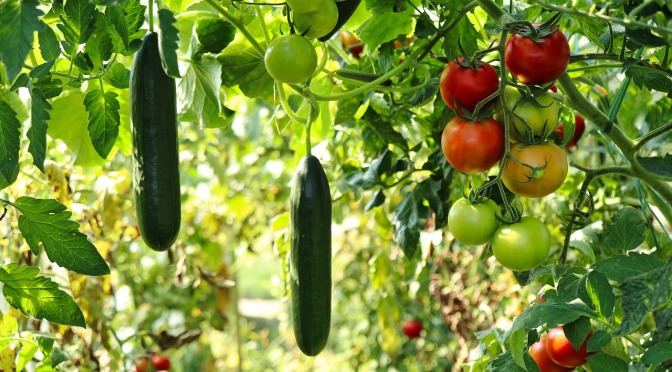
Tomatoes and cucumbers that don’t have that home grown flavor that one would hope to have.
Plants that have poor flowering or don’t flower at all. Once again the problem can be insufficient Potassium.
Magnesium is involved in chlorophyll production, which converts sunlight into sugars and is involved in activating enzymes.
Because of its role in chlorophyll, the first symptoms of magnesium deficiency show up as yellowing, usually between the veins of the older leaves. In severe deficiencies, the entire leaf will turn yellow or red and then brown, with symptoms progressing up the plant.
There are numerous plants that show this tendency, citrus, Daphne, rhododendrons, tomatoes, passion fruit and roses to name a few.
Once the yellowing starts to appear then already the plant is having problems and even when magnesium is supplied, it takes several weeks before the lovely dark green colour is restored.
During this time the plant is weakened, as the chlorophyll is not working to its full potential which makes the plant more susceptible to diseases and pests.
The amount of energy created from sun light is affected and plant growth is reduced.
During drought conditions, plants suffer and one important aspect to assist in this is Potassium.
It regulates water absorption and retention, influences the uptake of some nutrients and helps to increase disease resistance.
As the weather cools and winter approaches, plants feel the chill like we do, but plants cant put on a jersey like we can.
The plant’s protection from chills and frosts comes from having adequate Potassium in their diet.
Thus us gardening commentators always suggest to gardeners to supply potash to their plants as winter starts to approach and to avoid using nitrogen fertilisers which only increases sappy growth.
Commercial growers of plants and orchardists use the two elements to ensure their plants have sufficient Potassium and magnesium in their diet.
These two vital elements are blended together in the right balance as required for plants.
For the home gardener we supply Fruit and Flower Power in three pack sizes. 1.25 Kilos, and 2.5 kilos
and a bulk bag which is 12.5 kilos making it the best purchase if you have storage room.
The 1.25 kilos comes nicely packaged in a stand up pouch with a 50 gram (50ml) scoop.
It is used at the rate initial rate of 50 grams (one scoop, just below level full) per square metre around the base of the plant or around the drip line.
Use for any plant that is flowering, fruiting, showing lack of vigor or yellowing in foliage.
Now this next bit might surprise many; but the monthly requirement is 25 grams (half scoop) per square metre.
This should be applied while plants are flowering, fruiting, during dry times and going into winter. Outside of these times a 2-3 monthly dose should be fine.
For fruiting a dose at 50 grams should be applied prior to flowering followed by the 25 grams till harvest. For the likes of tomatoes and cucumbers, apply over fruiting period for best flavor.
I get a lot of complaints that citrus fruit are dry and lack flavor so this will fix the problem.
A number of fertilisers mixes do not contain sufficient potassium, likely because it is a more expensive element which is a pity as it should be at least ample for general gardening use.
Now is a good time to apply Fruit and Flower power around your gardens and repeat each month with a small sprinkling.
It will help to keep your leaves green and the plants will gain more energy from the sun even considering its shorter day lights hours as we head into winter.
It will firm up sappy growth from summer feeding of fertilisers and plant foods.
Also other precautions you should take going into winter include:
Protecting your vulnerable plants from frost by using the Spray on Frost Protection; Vaporgard.
Mulches used to overcome dry conditions in summer should be removed from under plants to allow the soil to breath and dry out quicker during wet periods.
This helps prevent root rots and loss of valuable plants.
A spray of Perkfection over plants that could be affected with wet soil is a good help to prevent root damage through wet feet.
Spray vegetables and preferred plants with Magic Botanic Liquid (MBL) each week. (It helps them grow healthier and faster.
Side dress vegetable plants with a sprinkling of BioPhos.
Brassicas (Cabbage etc) that have caterpillars should be sprayed with Wallys Super Neem Tree Oil with Raingard added to prevent the oil washing off with watering or rain.
Reduce the amount of water you are giving container plants indoors and tender plants in glasshouses.
They do not need so much water now and wet feet intensifies the cold and can be fatal.
Any Questions any time just phone me or email me with your contact phone number.
THIS WEEKS Special is a 12.5 kilo bag of FRUIT and FLOWER POWER normal price is $60.00 plus shipping but till next Sunday we will pay the shipping to your home saving $16.00 North Island and $19.00 South Island. (No PO Boxes or outer Islands)
The 12.5 Kilo bag will be in a carton which can fit other products from our mail order web site but not other bulk goods. You will have 10% off any other products you purchase (Not other bulk products)
I will phone you when we receive the order and arrange the free shipping and your preferred method of payment.
New Zealand Bill of Rights Act 1990. Part II of the Act covers a broad range of Civil and Political Rights. As part of the right to life and the security of the person, the Act guarantees everyone:
1The right not to be deprived of life except in accordance with fundamental justice (Section 8)
2The right not to be subjected to torture or to cruel, degrading, or disproportionately severe treatment or punishment (Section 9)
3The right not to be subjected to medical or scientific experimentation without consent (Section 10)
4The right to refuse to undergo any medical treatment (Section 11)
Furthermore, the New Zealand Bill of Rights Act 1990 guarantees everyone: Freedom of Thought, Conscience, and Religion. This includes the right to freedom of thought, conscience, religion, and belief, INCLUDING THE RIGHT TO ADOPT AND HOLD OPINIONS WITHOUT INTERFERENCE (Section 1)
Remember to make a submission … sure they don’t listen anyway, however, why roll over & give them free reign? Big Pharma is coming for all that is useful, healthful and free in your life. EWR
The sweet and spicy aroma of cinnamon makes it one of the world’s top spices. It’s been valued for its flavor and powerful health properties since at least 2800 BC.
Modern research has confirmed many important health benefits of cinnamon. Studies show that it contains powerful plant compounds that have an anti-inflammatory and antidiabetic effect. Consuming cinnamon regularly can also help your heart and brain health.
Here’s more about what makes this everyday spice so powerful and the proven benefits for your health.
The Fascinating History of Cinnamon
Cinnamon comes from the bark of Cinnamomum trees. These trees are native to regions of Southeast Asia, South America, and the Caribbean. China, Sri Lanka, Indonesia, and Vietnam are the four top exporters of cinnamon today.
To make the rolled up cinnamon quills you buy in the store, the outer bark of the trees has to be stripped to reveal the inner bark. The inner bark is then shaved and allowed to dry. As it dries, it rolls up into the familiar shape of cinnamon sticks.
To say that cinnamon has been valued since ancient times would be an understatement. It’s mentioned several times in the Bible as part of a sacred anointing oil and was used in ancient Egypt for embalming.
Cinnamon also used to be extremely expensive, even to the point of being an acceptable gift to give royalty. Celyon, the island “homeland” of the most valuable type of cinnamon, passed through many different hands as several countries fought to control the trade for this in-demand spice.
Readers that have followed my weekly columns and books will be well aware of how I have combined gardening with health.
I know that naturally grown vegetables and fruit will be very beneficial to your health and well being and when you add all the 114 known minerals to the growing media then the same food plants will be super healthy and taste so good.
The minerals can be obtained from using Wallys Unlocking your soil (minerals from rocks) Wallys Ocean Solids (Minerals from the blue waters of the ocean) and Magic Botanic Liquid (MBL which is minerals from prehistoric times).
The most benefit from your produce is obtained by eating raw or only lightly cooked.
The fast way to obtain maximum goodness is by converting healthy foliage into a drink we call ‘smoothies’
This is achieved with a very high speed blender which smashes the molecules of the plant material used allowing for easy assimilation into your body when you drink the green liquid.
Take the leaves of edible plants such as lettuce, carrot tops, celery, wheat or barley grass, silverbeet etc.
There are also a number of weeds that are edible such as Puha or Rauriki, dandelion and Stinging nettles.
Every plant has some beneficial properties even ones that are not normally eaten.
For instance there are about 3 or 4 different coloured carrots you can grow and each one has their own health benefits.
I always add a banana to my smoothies as it gives a nice palatable flavour.
We know that for thousands of years people in different areas of the planet learnt about plants growing in their area which they could use for their health and medical purposes.
I read one time that there is a plant or plants some where on the planet that will cure any ills of humans; in some cases we just have not found that plant yet or have the knowledge of how to use it.
Much of the pharmaceutical medicines was originally found through the old remedies of various plants people had used for generations.
The original chemists had jars of all sorts of dried plants and minerals which they would use to make up the concoctions that added recovery from sickness.
We hear about Chinese medicines, Indian medicines and even Maori medicines most of which were derived from locally grown plants and herbs.
A problem arises as Big Pharma cannot make money out of natural remedies as they cannot be patient. So if you know your herbs and herbal lore the poor pharmaceutical companies are not able to take your money with their concoctions.
Recently we saw during the holiday break our beloved Govt once again trying to implement a bill to ban the traditional use of herbs and plants for your well being. This is their third attempt at doing so and again removing another of your rights to be able to treat yourself and look after your own heath.
The Therapeutic Products Bill replaces the Medicines Act 1981 and Dietary Supplements Regulations 1985 with a comprehensive regulatory regime that is (said to be) fit for the future.
Labour having failed twice in the past to pass legislation because of public outcry are using a different tact to make it happen..’The Bill establishes a new regulator within Manat Hauora – Ministry of Health, headed by an independent statutory officer,
with a wider remit than the medicines regulator Medsafe.’
This person can deem any plant, herb, fruit and vegetable as beneficial to your health and thus ban the use of it, the growing of it and the import of it.
The only benefit of this has to be for the pharmaceutical companies and removes our freedom of choice to take what is traditionally safe natural remedies to what are often not safe pharmaceutical medicines.
In 2017 Labour opted for a prohibited list of 300 common herbal ingredients.
More well know on these included Aloe Vera, Comfrey, Belladonna, Hibiscus, Jasmine, Snowdrop, Juniper, Mustard, Worm wood, Cinnamon, Almond, Grapeseed, Ipomoea, Neem, Eggplant, senna and Valerian.
Many of these plants, herbs and spices like Cinnamon, Mustard are currently sold in shops. So how on earth did they get onto a prohibited list?
The answer lies in attempts to gain control of our food supply.
Natural products that are beneficial to health cannot be patented, but synthetic copies can be.
To make this work, the products that grow in gardens need to be banned.
Already I see Senna which is a natural aid for constipation is not easily obtainable in NZ.
Labour and the Ministry of Health did not make this list up, the list was supplied by the International Coalition of Medicines Regulatory Authorities (ICMRA) of which Medsafe is a member.
ICMRA is largely funded by the pharmaceutical industry whose interests they serve.
If we wish to be able to continue to freely chose herbal medicines and supplements without government interference, we will need to speak up.
Write to your MP and complain that the appointment of a regulator amounts to an open ended blank cheque to control the use of products used by more than 50% of our population without fully specifying the principles he should use.
Many of us do not realise what uses there are for many plants we grow in our gardens and while researching for this article I discovered https://medicinalseedkit.com/kit/
Have a look, I was amazed the wealth of information that is there.
For instance Chicory : This is the wild plant that Native Americans used to look for more than any other.
They’d harvest and use chicory to make a natural painkilling extract for a wide range of physical discomforts, especially stiff and achy joints. And so can you!
The root is rich in chicoric acid (CA), a plant compound with potent anti-inflammatory and analgesic properties but no risk of addiction.
If our pharmacies ever run dry, having even a small patch of chicory growing in your own backyard will provide relief. There are many more such as:
Chamomile – The Natural Antibiotic
Evening Primrose – A Natural Remedy for Skin and Nerves
California Poppy – Better Than Sleeping Pills
Feverfew– Nature’s Aspirin for Fevers and Migraines
Knowledge is power over your destiny and well being and it should never be taken away from you by Government regulations not in our interest.
I have on both counts and if you would like a copy of the email I sent to most of the Labour MP’s just ask and I will send you the copy.
You can alter it to suit and use it in your words to the MP’s.
If enough people complain then you maybe we will be still able to still grow your lemon tree (good for colds).
No more broccoli (Some kids will be happy) as it is a great source of antioxidants and may enhance your health by reducing inflammation, improving blood sugar control, boosting immunity, and promoting heart health.
Why Is Broccoli a Superfood? fiber, vitamin C, vitamin K, iron, and potassium.
The list goes on.
Phone 0800 466464 Garden Pages and News at www.gardenews.co.nz Shar Pei pages at www.sharpei.co.nz Mail Order products at www.0800466464.co.nz New Zealand Bill of Rights Act 1990. Part II of the Act covers a broad range of Civil and Political Rights. As part of the right to life and the security of the person, the Act guarantees everyone:
1The right not to be deprived of life except in accordance with fundamental justice (Section 8)
2The right not to be subjected to torture or to cruel, degrading, or disproportionately severe treatment or punishment (Section 9)
3The right not to be subjected to medical or scientific experimentation without consent (Section 10)
4The right to refuse to undergo any medical treatment (Section 11)
Furthermore, the New Zealand Bill of Rights Act 1990 guarantees everyone: Freedom of Thought, Conscience, and Religion. This includes the right to freedom of thought, conscience, religion, and belief, INCLUDING THE RIGHT TO ADOPT AND HOLD OPINIONS WITHOUT INTERFERENCE (Section 1)
Magnesium is intimately involved in over 600 reactions in the body including the metabolism of food, the transmission of nerve impulses, the synthesis of fatty acids and proteins, muscle movements, gene maintenance and protein formation.
Unfortunately, studies note that about 50 percent of the people in the United States and Europe get far less than the recommended amount of magnesium. It is important to know that magnesium levels in soil are lower than they used to be. Plus, the use of chemicals such as fluoride and chlorine in water make magnesium less available. In addition, daily use of sugar and caffeine also deplete magnesium supplies within the body. In addition, if you live a high-stress life, it is likely that you are magnesium deficient.
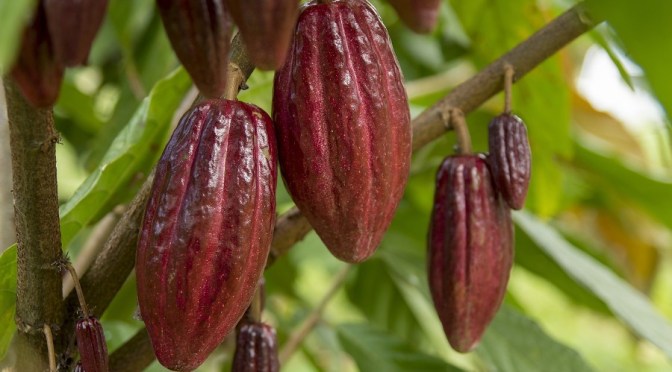
One of the most popular trees on the planet is cacao, the plant species from which cocoa is derived. While some might think cacao and cocoa are one and the same, they’re not. Cacao is the tree, while cocoa is the dry, powdered product made from it. Cocoa is best known as the main ingredient for an all-time favorite confection worldwide — chocolate.1
A cacao pod is a dark brown ovoid fruit containing about 60 seeds, better known as cacao beans.2 The flavor is dependent on the fermentation of the cacao beans. During this process, compounds found in the beans react with each other, producing the well-loved flavor of chocolate.3
Aside from their flavor, cacao beans were prized for their medicinal and aphrodisiacal properties, and they were traded like currency by South American civilizations. For the Aztecs and Mayans, cacao beans were so important in feasts and celebrations that they were usually put at the center.4
Today, in the dawn of superfoods, cacao has earned its title as a “superfruit” due to the surplus of flavonoids and polyphenols it contains.
Health Benefits of Cacao
There’s been plenty of discussion about free radicals and antioxidants, but some are unsure of what these terms mean regarding our health. Exposure to radiation, cigarette smoke, pollution and certain medications may all release free radical activity in the body; however, they also can be produced by factors like mental stress, infections, cancer and aging.5
Antioxidants in the foods you eat may help reverse this process by zapping harmful free radicals, helping fight off disease.6 This is where cacao comes in. Compared to other foods, it is well-equipped with phenolic antioxidants, be it catechins, epicatechins or procyanidins.7 Its beans are also rich in magnesium, copper, potassium and calcium, which are known to help lower the risk of hypertension and heart disease.8
Aside from these benefits, cocoa may help alleviate the symptoms of depression, attention deficit hyperactivity disorder (ADHD) and schizophrenia through its beta-phenylethylamine (PEA) content. PEA works as a neurotransmitter and may improve serotonin concentrations in the brain by interacting with trace amine-associated receptor (TAAR).9
For those who think chocolate must be bad for you (it has to be if it tastes so good, right?), rest assured that there’s roughly 1 gram of sugar in a half-cup serving of raw cacao. However, this doesn’t apply to some store-bought chocolate because of all the flavor additives that mask the powder’s bitterness.10
(NaturalHealth365) You’re told your child has attention deficit hyperactivity disorder (ADHD). While some might say, “Well, he’s a boy. Boys are more rambunctious,” others may suggest medication or blame lack of discipline for your child’s behavior.
Still, some may suggest changing diet, taking omega 3’s, and cutting back on artificial food coloring – which I think is good advice. However, studies suggest that certain mineral imbalances could potentially be linked to learning disorders.
Seen anything sustainable happening since Rogernomics? Since the inception of the Agenda 21 plans? All that seems to be happening really is more rape & pillage with the blessing of the respective governments which really aren’t too different (in case you hadn’t noticed) … same bird different wings, offering you the illusion of choice. The Agenda 21 buzz word ‘sustainable’ is a bit of a joke really … three decades on and all we have to show for the outworking of that scheme by the various authorities (namely district & regional councils) is more pollution, more debt, more ‘austerity measures’ (for some… guess who) more poverty, more suicide, more homelessness and little of anything worth celebrating at all. They would like us to swallow the line that they are CONSERVING biodiversity … so they approve mining exploration in a dolphin sanctuary? They also bomb our native & non native species with a Class 1A Ecotoxin under the same guise. I think folk are waking up to the big sustainable lie now. It’s shot full of holes. EWR
Debbie Ngarewa-Packer, of Ngati Ruanui, says she was shocked to hear of the permit being granted. The iwi is one of 11 organisations appeal Trans Tasman Resources consent to mine off the South Taranaki Coast
From stuff.co.nz
A mining exploration permit has been quietly granted inside a marine sanctuary off the Taranaki coast to protect the endangered Māui’s dolphins.
The decision, which was approved in May, has shocked conservation groups who were unaware of it.
But the Department of Conservation (DOC) had been aware of Ironsands Offshore Mining Ltd’s application since March. It has voiced “significant concerns” about the safety of the dolphins if the exploration proved successful and mining was to go ahead.
In March DOC warned Conservation Minister Eugenie Sage that it was uncertain whether the public was aware of the application and there would be a “high level of interest” if people were told of the development.
The exploration permit was later granted without seeking resource consent from the Taranaki Regional Council because its coastal plan rules exploration is a permitted activity.
Ironsands also has a permit to explore the seabed of Waihi Beach, in the Bay of Plenty, but this will require recourse consent from the regional council because its coastal plan requires it.
A Taranaki iwi already fighting mining plans off the coast of Pātea in South Taranaki said the approval raised alarm bells.
In an emailed statement, Te Runanga o Ngati Ruanui Trust kaiarataki Debbie Ngarewa-Packer said granting the five year exploration permit in the sanctuary, which runs from Oakura to Maunganui Bluff in Northland, set a dangerous precedent.
“Taranaki has been instructed by this coalition government to transition our economy away from fossil-fuelled industry. To do that we must have certainty that our unique appeal, including natural resources, will be protected,” she said.
In April, Prime Minister Jacinda Ardern announced the end of offshore oil and gas exploration, about one month before Ironsands Offshore Mining’s exploration permit was granted.
The permit covers an area almost four times the size of that granted by the Environmental Protection Authority to Trans Tasman Resources (TTR) for mining of the coast Pātea.
The EPA’s decision was appealed by 11 parties and an appeal hearing was held in the High Court at Wellington in April. Justice Peter Churchman has yet to reveal his decision.
First, a very short three minute clip with the essence of the message, a longer lecture in the second if you want more information. There is also a book from the speaker, Dr Robert Thomson. You will find it on the book sites. Info is within the video. Thanks to Marian Sutherland for this information. EnvirowatchRangitikei
http://www.calciumlie.com/ – If you believe that bones are made of calcium, you have subscribed to The Calcium Lie. You’re not alone. Most consumers and, surprisingly, most doctors, believe that bones are made of calcium. Yet any basic biochemistry textbook will tell you the truth: Bones are made of at least a dozen minerals and we need all of them in perfect proportions in order to have healthy bones and healthy bodies. If you get too much calcium, through food sources or by taking supplements, you set yourself up for an array of negative health consequences, including obesity, Type 2 diabetes, Type 2 hypothyroidism, hypertension, depression, problem pregnancies and more. For more information, please visit the Calcium Lie website at: http://www.calciumlie.com/
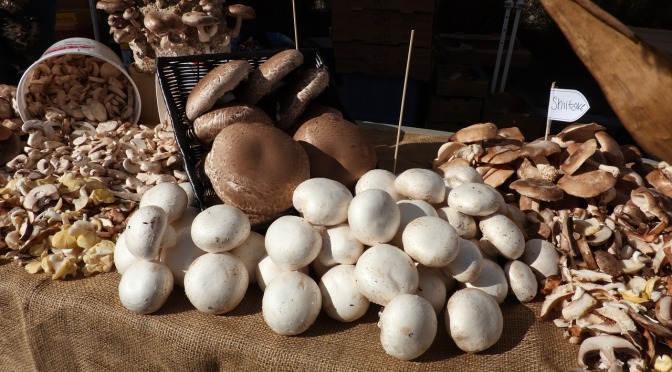
Eating (& enjoying) more mushrooms of late has led me to take a look at their nutritional value. Their Vitamin D content as well as absorption of is fascinating. Plus other benefits as outlined in these two excellent articles.
Mushrooms are classified as vegetables in the food world, but they are not technically plants. They belong to the fungi kingdom. Although they are not vegetables, mushrooms provide several important nutrients.
The key to getting enough vitamins and minerals in the diet is to eat a colorful variety of fruits and vegetables. In many cases, a food that lacks color also lacks necessary nutrients, but edible mushrooms, which are commonly white, prove quite the contrary.
This feature is part of a collection of Medical News Today articles on the health benefits of popular foods. It provides a nutritional breakdown of mushrooms and an in-depth look at their possible health benefits, how to incorporate more mushrooms into your diet and any potential health risks associated with their consumption.
Yes, vitamin D! Mushrooms are the only fruit or vegetable source of this critical vitamin. Like humans, mushrooms produce vitamin D when in sunlight. Exposing them to high levels of ultraviolet B just before going to market converts more of the plant sterol ergosterol into the so-called sunshine vitamin. In the U.S., portobellos fortified with vitamin D are already being sold, with a three-ounce (85-gram) serving providing about 400 IU of vitamin D (Osteoporosis Canada recommends that adults under 50 get 400 to 1,000 IU daily). William Stevens, CEO of the trade organization Mushrooms Canada, says, “A couple of Canadian producers are already testing this procedure.” He adds that “high D” or “sunshine” mushrooms should be in stores here in about six months or so.
(at the ‘READ MORE’ link click red double arrows to right like so … << … 2 … >> … sometimes these articles with a ton of ads and arrows everywhere I find get confusing … )
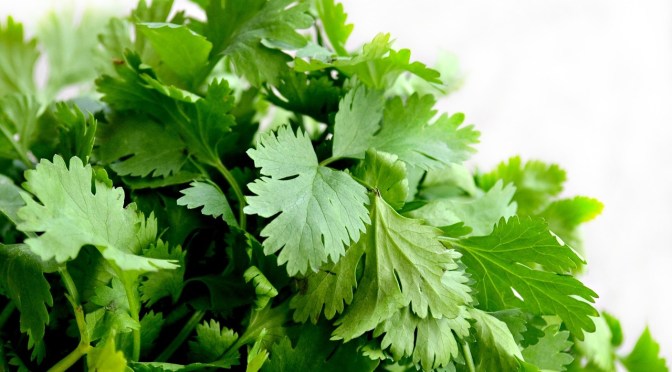
For many thousands of years, people across the globe have enjoyed the fresh, citrusy flavor and bright, zesty aroma of one of the world’s oldest and most beloved herbs, cilantro. Also known as Coriandrum sativum, cilantro is a favorite of many in the culinary world, boasting a rich history of food pairing that’s almost as old as time itself. But did you know that cilantro is well-documented in the scientific literature as having medicinal properties as well?
Hailing from the Apiaceae family of herbs, which includes well-known vegetables and spices like parsley, carrots, and celery, as well as some 3,700 other plant species, cilantro is abundant in therapeutic elements that science suggests may help keep the body robustly nourished and free of toxins.Because it’s loaded with vitamins, minerals, and antioxidants, cilantro is a top pick when it comes to perking up foods with a little extra nutrition.
Also called coriander or Chinese parsley, cilantro is both delicious and nutritious, which is why cultural foods from all around the world incorporate its use. There’s never a dull moment in terms of flavor when cilantro is present. And thanks to the fact that cilantro is widely available at most grocery stores very inexpensively, you can take home a bundle of cilantro and get a lot out of it by making freshly-prepared guacamole, for instance, which is one great way to incorporate more of it into a healthy diet.
But what about the alleged health benefits of cilantro?
Cilantro: One of the World’s Most Powerful “Superherbs”
Often referred to as a “superherb,” cilantro packs a pretty big punch considering its size. Cilantro contains vitamins A and K, as well as high levels of vitamin C and the trace mineral manganese. Cilantro also contains an impressive lineup of other vitamins and trace minerals such as B vitamins, calcium, iron, zinc, phosphorus, potassium, and magnesium.1
In the antioxidant department, cilantro holds its weight with the best of them. Cilantro is such a powerful antioxidant, in fact, that it’s often used as a natural preservative, its oil helping to inhibits oxidation and prevent spoilage in food.2 There are also antibacterial elements within cilantro that studies have shown can help prevent bacterial infections like Salmonella.
Water … the essential ingredient to life … listen to Jim Bolen tell how he treated his own high blood pressure with water and salt. No expensive pills and potions. Amazing. EnvirowatchRangitikei
Visit the Watercures website for further information on improving your health …
Water Cures: The Simple Solution for Better Health
Water Cures is a scientifically proven, common sense way for you to improve your health and sustain your personal wellness.
Water and salt are a part essential for optimal health. We need to drink water and take electrolytes (read: salt) every day in order to live. Follow the WaterCures protocol (to manage your fluid and electrolyte balance) and you will have better health.















You must be logged in to post a comment.