President Donald Trump invoked the Defense Production Act of 1950 to expand domestic production of glyphosate, the controversial weedkiller at the center of more than 60,000 cancer lawsuits against Bayer. The move sparked outrage from MAHA activists and health advocates who said it puts corporate interests ahead of public health.
EWNZ comment: I was recently alerted to this series of articles by Gary Moller. I had never before heard of these risks. I’ve included several links from Gary’s site …
This is an open letter as it involves all living in New Zealand.
I am writing to you because of your current position as Parliamentary Commissioner for the Environment, a second term; your earlier position at the OECD responsible for the chemicals program, and prior to that, your former position as a New Zealand politician. You should have considerable knowledge on the subject of 1080.
I believe you should also have considerable influence in wielding authority if and where needed.
Since your early days in the 90’s of being a minister of health or the environment, a great deal of data has become available which contradicts the virtues of 1080. This is a major concern and something I am sure you should be interested in.
I have read some of your presentations and speeches to different organisations and letters to various MP’s on environmental concerns. Also the lack of regulatory infrastructure in place needed to oversee, decide or make recommendations related to the many thousands of chemicals in use today in NZ. That is disturbing and makes me wonder how on earth did 1080 ever get to be accepted to be used in NZ in the first place? It appears NZ has Authorities, NGO’s, government departments such as the EPA or MPI but not one to make immediate approval or refusal decisions on these chemicals – thousands of them in fact.
New Zealand uses 90% of the world supply – tons as opposed to tablespoons by other countries, of a poison with the classification by the World Health Organisation of 1A extremely hazardous, and then drops poison baits out of helicopters over vast areas of land and into water which we drink, to supposedly save our native wildlife. This is the official DOC narrative and is truly astonishing and extraordinary. People wear hazmat suits when around it.
Because no other country uses such quantities or drops huge amounts of 1080 or brodifacoum into the environment and ecosystem there is no scientific evidence available of the sub-lethal and chronic effects on humans, wildlife, insect life, birds, all life except plants and some micro-organisms. How about long-term ecological damage? 1080 is an eco-system poison.
Because of your experience and knowledge, I have questions which I hope you can answer:
Why are reports, books, testimonies by anyone who challenges the DOC narrative ignored? I will mention some below.
Quinn and Pat Whiting-O’Keefe, independent scientists who reviewed more than 100 DOC Scientific Papers say
“There is no credible scientific evidence showing any species of native bird benefits from 1080 drops.” These two have impeccable credentials that cannot be ignored when it comes to evaluating this whole subject. They say a lot more which conflicts with what we are told to believe by our government and related agencies. One of their two reports is immediately below.
There is another report – 89 pages with a great deal more detail as well by these two.
Independent Scientist Dr. Jo Pollard and her website 1080 Science.
Professor Fiona McQueen, a rheumatologist and environmentalist who wrote The Quiet Forest.
Dr. Koen Margodt’s report which was written as a result of the late Dame Jane Goodall being so concerned about the ethics of 1080, she asked that this be written.
At War With Nature – Corporate Conservation and the Industry of Extinction by the late Bill Benfield as well as The Third Wave.
The Killing Nation, aptly called, by Reihana Robinson; as well as other books.
New Zealand’s Changing Diversity by Jim Hilton and Roger Childs; there are more I have not listed here.
Articles by Marc Bekoff, Ph.D., who worked closely with the late Dame Jane Goodall as co-chair of the ethics committee of the Jane Goodall Institute. Marc has written over 30 books and is known for his work on animal research, animal behaviour and emotions and compassionate conservation. He raises the alarm and questions animal cruelty in NZ with our treatment of wildlife. Marc has many awards to his name.
I must also mention the excellent award winning documentary Poisoning Paradise by the Graf Boys – not allowed to be played on our airwaves. Disturbing detail of wildlife dying; hormone/endocrine disruption concerns stated by Dr Sean Weaver, and human health concerns as well, mentioned by the late Dr. Peter Scanlon. Their website TV Wild has excellent information and videos on it.
As NZ has five times the world statistic of motor neuron disease and various cancers through the roof why have no human health studies been carried out?
Anything that challenges the “inhouse science” of DOC is ignored and never acknowledged. Why?
The WHO stated there is NO acceptable amount of 1080 in water, why did NZ govt ignore and change that?
How have NZ Government and users of 1080 been allowed to ignore data on the original Safety Data Sheet in favour of their own? These are Safety Data Sheet violations. Major violations – 1080 found dumped and exposed on Stewart Island in 2018 (covered by Patrick Gower).
1080 found in ground water and traced to a landfill where the toxin had leached out of the baits. Is this not a serious health and safety issue? (Environmental Health Watch April 6 2019 – Is there 1080 in your landfill …) – this website has a great deal of information on this subject. There are other violations as well.
Are these above not State Sanctioned crimes? Acts of Omission by the State?
Peter Notman, an entomologist, Mike Meads, an invertebrate ecologist, and Dr. Valerie Orchard, a microbiologist were all made redundant when they all raised concerns which did not align with what DOC wanted. “Safe science” is preferred by DOC. Chapter 11 of At War With Nature, is called “Conservation Science – Its How We Get The Message Right” – the late Bill Benfield describes in great detail how this “safe science” came to be and not allowed to be challenged.
Why have there not been prosecutions of individuals? Of Companies/agencies concerned?
There are many more questions which need answering. Is the careless and indiscriminate use of a 1A extremely hazardous toxin which is dropped in huge quantities across our land and waters not environmental terrorism?
Is it not ecocide? Where dying carcasses are left which then creates secondary poisoning on a massive scale? Horrific carnage. Where cruelty of a heinous nature is suffered by all which come into contact with and ingest 1080? Deer right now are having their babies – these babies will watch their mothers thrashing around in agony dying and then starve to death themselves. Other young, starving watching their mothers screaming in pain as they die – what sort of country is this where the Department of Conservation which holds responsibility for the welfare of our wildlife is killing it and rare native species are or have become extinct? Killing the basic on the chain, the insect life – which then kills the birds as their food is gone and they starve to death or die poisoned. Vilifying non-natives and calling them pests? In particular, the possum.
Because NZ does not appear to have the technical ability to test for 1080 correctly, or will not, how many humans have been affected in some way as well?
President Nixon banned it in 1972, in the U.S., the country of origin, because of high toxicity, lethal effects, environmental and safety concerns, cruelty and harm suffered by wildlife, targeted and non-targeted. It was approved in very limited amounts later by President Reagan.
The second reason for banning was the terrorism risk. With huge amounts of 1080 being brought into this country, and held in built-up areas in NZ, surely these are major causes for concern? According to Predator Defense in the U.S. “both the FBI and Canadian Security Intelligence Service list Compound 1080 as a substance that may be sought for use as a possible chemical warfare agent in public water supplies”. This threat cannot be underestimated with daily events happening somewhere. If the U.S. has concerns of terrorism potential, with their guns and weapons, is it not absurd that we here in NZ blindly keep using it, dropping it out of helicopters like confetti year after year? Dangerous? Is not the terrorism threat very real? Should this deadly toxin not be locked up with the equivalent of something such as Fort Knox?
1080 is being dropped in our waters which we drink, by our own government. The hoppers have been filmed spilling the baits carelessly; accidentally, killing farm animals, pets, birds, insects, poisoning the landscape – how can the birds be saved if the insects they rely on for food are poisoned or dead?
The fact that these deadly drops are repeated year after year means a huge failure; on the other hand, if it succeeded then the money supply would dry up and cease as well as the employment of those involved in this cruel activity which is not needed. Is this one reason why after 70 years this practise is still continuing?
Tons of 1080 are being dumped in landfills in and around NZ. Why is it being stockpiled here and then after four years which is the shelf life, it has to be disposed of? How? Where?
With so much government information contradicting testimonies, videos, reports by highly qualified scientists, books written by specialists in their field all following a similar pattern and disagreeing with DOC and related agencies, why have they at the very least not been investigated or shut down? DOC are perpetually being economical with the truth. They even contradict their own data. Do not follow their own policies. What is it going to take to stop this dangerous and failing experiment year after year?
There are alternatives – why are they not being used? Traps, hunters, which are sources of employment – also a possum fur industry.
The possum excuse is that – an excuse; the Tb was from cattle and then possums – thousands were found when tested to have no Tb – (the late Richard Prosser and Nathan Guy – Hansard). Possums made out to be villains by DOC when we are virtually Tb free and children encouraged to kill them? Unconscionable behavior – was that sanctioned? Why not?
Why has a major source of food been taken away from the people? A HIKOI the length and breadth of the country ignored? Thousands of people speaking out against 1080 not listened to. Where is government representation of the people of NZ?
These are some of the many questions that need to be answered as the consequences are unknown and could be deadly.
With daily articles of the threat of war looming in various parts of the world, the public unease at immigrants not embracing NZ values or even an individual living here with a personal grudge, the lack of security and safety involved in storage of this deadly toxin, the large amounts lying around in the open and not buried in NZ, silence by people who should be speaking up and not for fear of consequences like losing their employment, accidents just waiting to happen such as a loaded helicopter crashing into a dam or a truck carrying it falling into a major water supply – millions could die. There is no antidote.
The evidence against the use of sodium monofluoroacetate/1080 and how it is used here in NZ is damning. Why has it not been banned?
How is this not a NATIONAL SECURITY ISSUE?
I would really appreciate a response from you, and also responses from anyone copied directly into this Open Letter.
Sincerely,
Rowena Kaleopa
Copied to Rt Hons Christopher Luxon Winston Peters David Seymour Shane Jones Mark Mitchell Tama Potaka Andre Hoggart Penny Nelson Penny Simmonds Police: Richard Chambers Mike Pannett
Copied also to –
Brooks Fahy, Predator Defense Mark Bekoff, Psychology Today Dr Jo Pollard Clyde Graf The Whiting-O’Keefes Professor Fiona McQueen Reihana Robinson Jim Hilton Environmental Health Watch NZ
A peer-reviewed reanalysis of the Henry Ford Birth Cohort Study, published on 9 December 2025, shows that vaccinated children had significantly higher rates of chronic diseases compared to unvaccinated children.
The reanalysis, authored by John W. Oller, Jr., PhD; Daniel Broudy, PhD and Nicolas Hulscher, MPH, asserts that the original study’s statistical methods obscured large proportional differences in the data.
According to the reanalysis, vaccinated children were sicker across all 22 chronic disease categories listed, with autism-associated neurodevelopmental conditions occurring at 549% higher rates and childhood cancer at 54% higher rates in the vaccinated cohort.
The study followed 18,468 children between 2000 and 2016 from birth until 31 December 2017 to evaluate the health outcomes of vaccinated compared to unvaccinated children.
The study, referred to as the Lamerato et al study, has never been published in a journal. However, at the Senate hearing, Attorney Aaron Siri, who had received a copy of the study in early 2020, revealed data from the study: (view the X item at expose-news.com)
Siri testified at the Senate hearing, “The study began by explaining it set out to reduce vaccine hesitancy by assuring parents the CDC vaccine schedule is safe. Instead, these researchers found that the vaccinated children have 4.29x the rate of asthma, 3.03x the rate of atopic disease, 5.96x the rate of autoimmune disease and 5.53x the rate of neurodevelopmental disorders, which included 3.28x developmental delay and 4.47x speech disorder. All of these findings were statistically significant.”
“There were also other conditions for which there were numerous cases in the vaccinated group but zero in the unvaccinated group, hence a rate cannot be calculated, including brain dysfunction, ADHD, learning disabilities, intellectual disabilities and tics,” Siri added. “for example, there were 262 cases of ADHD in the vaccinated group and none in the unvaccinated group.”
Related: Aaron Siri’s written submission to ‘How the Corruption of Science has Impacted Public Perception and Policies Regarding Vaccines’, Senate Permanent Subcommittee on Investigations, 5 September 2025
On 9 December, John Oller, Daniel Broudy and Nicolas Hulscher published their reanalysis of the data collected by the Lamerato et al study. The difference between the two studies is the way the data is analysed. The Lamerato et al study used odds-ratio modelling, a statistical approach that masked large disparities. Oller et al used a comparison of proportions per cohort approach. The same data analysed in different ways produced dramatically different results.
The abstract of the Oller et al study said:
Of the 22 chronic disease conditions studied, proportional contrasts always favour the unvaccinated. The most dramatic contrasts occurred in asthma, autism, autoimmunity, ADHD, brain dysfunction, mental health disorders, behavioural disability, developmental delay, learning disability, intellectual disability, speech disorder, motor disability, tics, other disability disorder, neurological disorder, and seizure disorder. At ten years of follow-up, 57% of the vaccinated cohort had at least one chronic disorder, compared with 17% in the unvaccinated.A Peer-Review of the Vaccinated vs. Unvaccinated Study Discussed at the Senate Hearing on September 9, 2025. (2025). International Journal of Vaccine Theory, Practice, and Research , 4(1), 1609-1646. https://doi.org/10.56098/vse7qq65
The following is Joel Smalley’s summary of Oller et al’s reanalysis. Smalley also posted a short video on Substack to explain the difference between the original study and the reanalysis. We are unable to embed videos uploaded onto Substack. You can watch the video by following THIS link.
Key Results
A peer-reviewed reanalysis of the Henry Ford Birth Cohort Study (18,468 children, 2000-2016) comparing vaccinated (16,511, median 18 vaccines) vs unvaccinated (1,957) children found:
Headline findings:
All 22 chronic disease categories showed higher rates in vaccinated children
Autism-associated neurodevelopmental conditions: 549% higher in vaccinated group
Childhood cancer: 54% higher in vaccinated group
By age 10: 57% of vaccinated children had developed at least one chronic disease vs only 17% of unvaccinated
Most elevated conditions included:
Autoimmune disease: 12× higher
Neurodevelopmental disorders: 13.5× higher
Speech disorders: 9× higher
Asthma: 6.5× higher
Several conditions appeared only in vaccinated children: ADHD, diabetes, brain dysfunction, behavioural disability, learning disability, intellectual disability, and tics.
Hulscher argues that the original study’s statistical methods (odds-ratio modelling) masked these disparities, particularly where the unvaccinated group had zero cases.
Barry Young (NZ vaccine data whistleblower) sits down with barrister Ken Nicolson, a calm, experienced lawyer who has quietly represented many vaccine-injured Kiwis.
With the crucial voir dire hearing set for 11 December in Wellington District Court (deciding if Barry qualifies for full whistleblower protection under the Protected Disclosures Act), they discuss: – Crown’s last-minute attempt to dump a revised “expert” report just 3 days before trial
Whether “reasonable grounds” means an ordinary worker’s honest belief or a PhD epidemiologist’s hindsight analysis
Good faith, retaliation, and why the Act should protect Barry, not criminalise him
The bigger stakes for free speech, democracy and public health in NZ and beyond
Ken confirms he’ll be in court on the 11th. Barry is still unrepresented and facing a 7-year charge.
Kiwis: come to Wellington District Court, 9 am, Thursday 11 December.
Bring cameras, fill the pavement, show the world NZ still has rule of law.
Steve Kirsch joins to discuss Barry Young’s crucial Voir Dire hearing which is taking place this Thursday 11 Dec 2025 in the Wellington District Court. Key points include:
Crown drops 19-page “expert” evidence amendment just 3 days before trial (image-only PDF, non-searchable)
Retired Prof Robert Scragg admits he never analysed the full 2.2 million-row dataset – he stopped at 1 million rows
Scragg claims “MedSafe stopped monitoring the jab outcomes and that that is “proof of safety”
Kirsch: Czech, NZ, Japan, Israel & US data all show the same mortality spikes, post-vaccination
If judge rules that only people with PhD’s or other equivalent level of academic training, qualify as ‘whistleblowers’, then NZ whistleblower protection will be dead
Crown has already signalled they will apply for an ‘instant appeal. if they lose this Voir Dire hearing on December 11.
Barry faces jail for releasing FULLY anonymised, pay-per-dose, data showing serious harm signals.
The Ministry of Health in New Zealand still refuses to release its OWN analysis after 735 days since Barry brought his sincere concerns to their attention.
Please come to Wellington if you can, to support Barry:
Thursday 11 December, 9 am, Wellington District Court.
Share widely – worldwide ‘eyes on this case’ matter enormously, in order for Barry Young to have any chance of getting any kind of fairness in this Voir Dire, and for him to be officially designated as the brave Whistleblower that he is.
“Smartphone ownership at age 12 is associated with higher depression risk, increased obesity risk, and a greater likelihood of insufficient sleep. The younger people acquire smartphones, the worse their health outcomes become, a pattern that continues affecting health throughout the lifespan.“
(NaturalHealth365) Walk through any public space and the scene repeats everywhere: babies in strollers staring at glowing screens, teenagers unable to look up from their devices, and adults compulsively checking phones every few minutes. What began as a convenient communication tool has become a constant companion that most people interact with for well over 4 hours daily, rarely questioning what this exposure is doing to bodies and brains at every age.
A major study published in Pediatrics, analyzing over 10,000 adolescents, has delivered results that extend far beyond childhood concerns. Smartphone ownership at age 12 is associated with higher depression risk, increased obesity risk, and a greater likelihood of insufficient sleep. The younger people acquire smartphones, the worse their health outcomes become, a pattern that continues affecting health throughout the lifespan.
Hidden health crisis emerging at every age, study data confirms
Researchers from the Adolescent Brain Cognitive Development Study followed 10,588 participants, comparing health outcomes between 12-year-olds who owned smartphones (6,739 children) and those who didn’t (3,849 children). Depression risk increased by 31%, obesity risk jumped 40%, and insufficient sleep risk climbed 62% compared to children without smartphones.
The age at which someone gets their first smartphone shows a troubling trend: for every year earlier a child receives one, their risk of obesity increases by 9% and their risk of inadequate sleep rises by 8%. Early smartphone exposure appears to set long-lasting patterns that continue into adulthood.
Among youth who didn’t own smartphones at age 12, those who acquired devices during the following year had 57% higher odds of clinical-level psychopathology and a 50% higher likelihood of insufficient sleep, even after controlling for baseline mental health and sleep patterns.
But children aren’t the only ones affected. Adults spending excessive time on smartphones show similar health deterioration: disrupted sleep architecture, increased anxiety and depression, sedentary behavior contributing to metabolic dysfunction, and postural problems causing chronic pain.
Alarming cancer connection scientists can no longer ignore
Smartphones emit radiofrequency electromagnetic fields, raising serious questions about cancer risk across the lifespan. The International Agency for Research on Cancer classified radiofrequency electromagnetic fields as “possibly carcinogenic to humans” based on increased glioma risk associated with wireless phone use.
Children’s developing brains absorb more radiation than adult brains. Research published in Environmental Research found that children’s brains absorb 2-3 times more radiation than adults’, and the young, thin skull’s bone marrow absorbs roughly 10 times higher local doses. But adults face cumulative exposure risks. Someone who started using cell phones at age 15 and continues through age 65 accumulates 50 years of daily radiation exposure.
France has banned Wi-Fi in nursery schools and limited it in elementary schools, and Belgium has outlawed marketing phones to children under age 7. Yet despite these precautions, smartphone use continues to rise across all age groups, with very little discussion of the potential long-term health effects.
Simple strategies to protect yourself from device-related damage
Protecting yourself and your family from the health impacts of heavy smartphone use takes some intentional habits, but small shifts make a big difference.
Cut back on daily exposure: Instead of being “always on,” choose specific times to check your phone. Use built-in screen-time tools to set limits and create phone-free zones, like during meals, before bed, or when you’re spending time with others.
Lower radiation exposure: Use a speakerphone or a wired headset rather than holding the phone against your head. Turn off Wi-Fi and cellular data when you don’t need them, and avoid sleeping with your phone next to you. When you can, switch your device to airplane mode.
Reduce physical strain: Give your body breaks. Step away from screens regularly to undo the stress on your posture they cause. Simple stretches can help reverse “tech neck” and tight shoulders. If you’re sitting for long periods, stand and move at least every 30 minutes.
Protect your sleep: Keep screens out of the bedroom. Try to stop scrolling at least two hours before bed, so your body can naturally produce melatonin. If nighttime screen use is unavoidable, blue-light-blocking glasses can help.
Support detox pathways: Lower your overall toxic load by eating clean, staying hydrated, and moving your body daily. You can also support liver function and cellular repair with targeted supplements if needed.
Understand the cancer prevention connection
Chronic inflammation, disrupted circadian rhythms, electromagnetic field exposure, and sedentary behavior all contribute to disease processes, including cancer. These risk factors accumulate over decades of smartphone use.
Jonathan Landsman’s Stop Cancer Docu-Class brings together 22 holistic experts, researchers, doctors, and nutritionists, revealing evidence-based approaches to cancer prevention. Learn how environmental toxins and electromagnetic field exposure affect cancer risk, which lab tests detect early cancer markers years before conventional diagnosis, natural protocols for strengthening immune surveillance against abnormal cell growth, and how reducing toxic burden and supporting detoxification pathways lowers cancer risk.
Bottom line: Smartphone use harms health at every age, damaging mental health, disrupting metabolism and sleep, and exposing users to radiation that accumulates over time. Getting smartphones younger makes everything worse, but adults who’ve used phones for decades face their own serious risks. Protect your long-term health by cutting back on usage, keeping phones away from your body, and supporting your body’s ability to detoxify and repair cellular damage.
“So the NZ authorities have been bombarding our forests & farms with this Class 1A Ecotoxin for well nigh 60 years, and the hospitals still don’t know what to do?!!! Don’t have a plan in place at all? Doesn’t that sound well … not too intelligent?“
5G APOCALYPSE argues that 5G poses an existential threat to humanity, suggesting it could lead to widespread health issues, environmental destruction, and even serve as a tool for global control.
It features interviews with weapons development experts, biologists, molecular and cellular biologists and activists trying to bring to light the dangers of 5G technology, who state that millimetre-wave radiation from 5G infrastructure can cause cancer, genetic damage and mass extinction.
The documentary centres around Mark Steele, a British engineer, inventor, patent writer and weapons research scientist. In 2022, he wrote a report at the request of lawyers on 5G in the context of nanometal-contaminated vaccines. You can read more about his report HERE.
The documentary begins: “It’s important to understand what the 5G is doing and what they say it’s doing. We’re told on the IEEE beamforming document that this technology cooked your eyes like eggs in World War II. And you all need to understand: these are military weapons; these are assault frequencies. If you garnered nothing more than that, that’s what you need to know. It’s microwave radiation warfare, that’s what this is.”
US Government Accidentally Sends A Strange Conspiracy Theory File Describing ‘Remote Mind Control’ And ‘Forced Memory Blanking’ report HERE
William Ross Adey, MD, will be our 1999 Hans Selye Award Recipient. He is being honoured for his seminal contributions to our understanding of the biologic effects of feeble electromagnetic forces, and for defining the parameters of the “Adey window” of activity. Report HERE
Connected: The Fascinating Future of Brain-Computer Interfaces report HERE
What is a Brain-Computer Interface? Everything You Need To Know report HERE
DARPA Announces Funding for a High-Resolution, Implantable Neural Interface report HERE
$21.6 Million Funding From DARPA to Build Window Into the Brain report HERE
The project is one of six funded this year by DARPA’s Neural Engineering System Design program – part of the federal government’s Brain Initiative – to develop implantable, biocompatible “neural interfaces” that can compensate for visual or hearing deficits. Report HERE
Brave New World: ‘Metabolic Dominance’, DARPA Wants To Create Mind-Controlled Weapons Of War report HERE
“Targeted Individuals” are Non-Consensual Subjects in Criminal, Clandestine, Classified “Top Secret” MK ULTRA-Extended Mind & Behaviour Control/Torture Experimentation by Joint Military/Intel/Justice/Academic Institutions, as well as Targets of COINTELPRO and Electronic Warfare report HERE
Apparatus and Method for Remotely Monitoring and Altering Brain Waves report HERE
Remote Neural Monitoring Satellite Harassment/Terrorism Awareness! Report HERE
CIA Infiltrated 17 area groups gave out LSD report HERE
Horrific Human Rights Violations: The Unleashing of Beamed Non-Kinetic Energy Weapons Termed “Non-lethal” for Vicious Police & Military Civilian Assaults report HERE
The Illuminati’s Trauma-Based Mind Control report HERE
The “gyrotron resonance maser”, a machine that talks to the brain. The PREMA scanner” (“Personal Radio and Electromagnetic Frequency Allocation”) identifies the unique frequency of a brain report HERE
Remote Neural Monitoring, Voice to Skull (V2K) Key Evidence/Proof- explanatory YouTube and article report HERE
Interfacing Graphene-Based Materials With Neural Cells science paper HERE
Effects of Graphene-Based Materials on the Behaviour of Neural Stem Cells, Influence of Functional Groups on Toxicity of Carbon Nanomaterials, science papers HERE and HERE
Interfacing Graphene-Based Materials With Neural Cells science paper HERE
Effects of Graphene-Based Materials on the Behaviour of Neural Stem Cells science paper HERE
Elon Musk’s Neuralink brain chip demo explained. An Integrated Brain-Machine Interface Platform With Thousands of Channels science paper HERE
This statement is made within correspondence in 1994 by an Eltham resident (NZ) to a US manufacturer of 1080 (details supplied in the document at the end of the article). The person was trying to ascertain the level of risk to environment and health regarding an imminent drop of 1080 poison into a Taranaki National Park.
It is interesting to note that the replies to all the risks the person raises in their questions are risks that are now deemed quite safe & have become normalized (to the authorities at least that is – many people are now very concerned, witness the recent hikoi & continual NZ wide protests going on).
Here are the questions and answers enlarged for reading:
Nowadays we are told that 1080 targets pests and we are given the impression that little if any other form of wildlife is affected. In fact nothing could be further from the truth. A person told me recently in the Manawatu that she was told no birds would die in the bush nearby when it was 1080ed however to her surprise she found a dead bird after the area was treated. Of course we now know that this is a common occurrence by the testimony of many people who find multiple dead birds after drops, photograph them & post them online. And of course we have the various documentations that we’ve published here of multiple finds, with latterly the estimate by a Landcare scientist of 10,000 birds in a South Island drop. Just search ‘birds, 1080’ in our search box to find more.
We are regularly told that 1080 breaks down to harmlessness in water. A scientist told me the other day it is so diluted it isn’t a problem, repeating the cup of tea mantra we hear so regularly. We also learned recently it was added to water to poison ships rats and we heard from the former Greens co-leader that there are question marks over the official testing on 1080 concentrations in water.
This is very enlightening. No wonder the data sheets tell us not to allow it into waterways. However NZ it seems makes up their own rules on that one. No research to prove their point, they just tweaked the rules. Here is a link to the information regarding the development of 1080 by Germany for use as a chemical weapon in water supplies.
Not approved in the US! “Very very restricted & controlled areas” only. And here it is chucked around like a veritable lolly scramble. The baits aren’t picked up off public walkways & neither are the poisoned animals collected & disposed off, frequently left to rot in the water where eels and other meat eaters can feed off them (Watch Poisoning Paradise on that one).
Remember the Hunua Ranges drop recently? A Court injunction to stop that one failed & during the proceedings DoC lawyers asked (and were granted) that the opposing lawyers not be allowed to question the DoC scientist. Now doesn’t that say something? Let’s not forget Bill Benfield’s revelation either that a drop in the Hunuas in the ’90s left the water filters packed with 1080 pellets. Good one DoC. And none of the public ever got to hear about it.
Previously I’ve noted the frequent discovery of pellets on tracks, drops going on around tourists, pellets dumped near people fishing, on it goes. The veritable lolly scramble again.
Water & wildlife contamination. Something we are repeatedly told does not happen. The manufacturer’s data sheet warns users not to drop into waterways. NZ has tweaked the rules of course so they can.
You may need to make your own decisions on all of that & make your own plans for non-contamination if necessary. It does not look like anybody else is going to.
Here are the whole pages of the documents with addresses & contact details:
“It is common practice to dump excess 1080 pellets after 1080 drops have finished (Re Stewart Island dump, see article).When 1080 toxin was first discovered in ground water the source of the toxin was traced to a landfill site above. Un-spread 1080 baits had been buried in the landfill and the toxin had leached out of the baits and seeped down into the ground water where it remained as toxic as the day it was dumped. No breakdown of the poison had taken place over all that time” … these are only DoC’s figures … “OSPRI has traditionally dropped more 1080 poison than DoC. Regional Councils account for around 12% of 1080 use too.”
Pursuing Justice on Behalf of Our Clients for Nearly 40 Years
Founded in Los Angeles, California in 1985, the law firm of Wisner Baum has earned a reputation for breaking new legal ground, holding major corporations accountable, influencing public policy, and raising public awareness about important safety issues. Our trial experience across a broad range of practice areas includes over $4 billion in verdicts and settlements.
Paraquat dichloride is a non-selective, broad-spectrum herbicide used primarily to kill weeds and grass. Austrian chemist Hugo Weidel and his student, M. Russo, discovered paraquat in the 1880s. Roughly 50 years later, scientists Michaelis and Hill discovered the chemical’s redox properties and named the compound methyl viologen. Scientists discovered the chemical’s weed-killing properties in the late 1950s.
Commercially introduced in 1962 as Gramoxone, paraquat quickly became a top-selling herbicide despite numerous studies linking the herbicide to wide-ranging health issues. The rise in paraquat use coincided with the surge in no-till farming in the U.S. and worldwide.
Common Paraquat Products
Syngenta and Chevron are two of the largest paraquat producers. Some of the most common paraquat products include:
Blanco
Bonedry
Cyclone SL 2.0
Devour
Firestorm
Gramoxone
Helmquat 3SL
Para-Shot 3.0
Paraquate Concentrate
Common Paraquat Side Effects
Research shows that paraquat exposure is dangerous, even at low levels. Paraquat side effects depend on the amount, route, and duration of exposure to the herbicide and the person’s overall health. The herbicide enters the body via:
Skin: Contact or penetration of the skin, mucous membranes, and other epithelial tissues (including the mouth, nose, trachea, and conducting airways, particularly where cuts, abrasions, rashes, sores, or other tissue damage are present).
Inhalation: Spray droplets enter the nose or mouth.
Ingestion: The liquid chemical is swallowed.
Acute Exposure – Paraquat Poisoning
According to the United States Environmental Protection Agency (EPA), “one small sip [of paraquat] can be fatal, and there is no antidote.” In general, people who accidentally or intentionally ingest paraquat may experience any of the following symptoms:
Acute kidney failure
Coma
Confusion
Heart issues
Liver failure
Lung scarring
Muscle weakness
Pulmonary edema
Respiratory failure possibly leads to death
Seizures
While these cases are rare, paraquat poisoning may also occur via skin contact or inhalation. This report out of China highlights the potential for paraquat poisoning via skin absorption, and this report highlights the potential for paraquat poisoning via inhalation.
Paraquat Parkinson’s Disease Link
The body of scientific research linking paraquat and Parkinson’s disease (often referred to simply as “PD”) has continued to grow in recent years. Several studies have concluded that exposure to paraquat increases the likelihood of developing Parkinson’s disease and that the effect is dose-dependent. The research suggests that farmworkers and pesticide applicators are more at risk of developing Parkinson’s disease. People who live near fields and other areas where paraquat is heavily used may also be more at risk for PD.
The toxic “forever chemicals” known as PFAS contaminated “almost all” of the popular baby formula brands tested recently by Consumer Reports, it says in a new report.
These results are troubling. The study analyzed 41 popular baby formula brands, including well-known names like Enfamil and Similac, startups like Bobbie, and a range of store and imported brands, for the presence of chemicals like arsenic, lead, BPA, acrylamide and PFAS.
Because the study tested just one sample per brand, more research is needed to be certain which ones contain forever chemicals.
Even more concerning is that many of the PFAS compounds detected have not been thoroughly studied, leaving uncertainty about their potential health risks, especially for infant safety.
PFAS are everywhere, from cookware and food packaging to waterproof clothing and cosmetics. They contaminate water, food such as baby formula, soil, air and household dust, contributing to widespread exposure.
Consumer Reports’ scientists detected PFAS in most of the formula samples, with one particularly concerning compound standing out: PFOS, detected in several samples. It is one of the most notorious PFAS, formerly an ingredient in 3M’s Scotchgard. It was phased out in the U.S. under pressure from the Environmental Protection Agency after revelations of PFOS health hazards.
The EPA now regulates PFOS in drinking water with a maximum contaminant level of 4 parts per trillion, due to its classification as a carcinogen.
Because of its known toxicity and potential long-term health impacts, the presence of PFOS in any baby formula is especially alarming. PFAS don’t break down in the environment, and they build up in the human body over time. The Centers for Disease Control and Prevention has detected PFAS in the blood of 99 percent of Americans, including newborn babies.
EWG’s PFAS map shows PFOS contamination in nearly half of the nation’s drinking water. Without any information to the contrary, it’s possible to surmise that some of the PFOS Consumer Reports detected comes from contaminated water used for the formula.
This possible source of PFOS in formula raises urgent questions about manufacturing processes and the need for stronger industry oversight and stricter safety standards to protect infants from exposure to hazardous chemicals.
PFAS exposure risks for babies and children
Babies and young children, whose bodies are still developing, are particularly vulnerable to PFAS exposure, which can have lifelong consequences. Their small size, growing organs and developing immune systems make them especially susceptible to the harmful effects of these bioaccumulative chemicals, which remain in the body for years.
Even small amounts of PFAS in formula can add to cumulative exposure, putting infants’ growth and health at risk.
Research has found PFAS in umbilical cord blood and breast milk, revealing direct prenatal and early-life exposure. Babies born with PFAS in their cord blood are more likely to have elevated cholesterol and triglyceride levels – biomarkers linked to future heart disease. PFAS exposure also disrupts bile acids, which are essential for digestion and metabolism, so the risk of chronic health issues may go up as these children grow.
Even very low doses of PFAS can also weaken babies’ immune systems, making them more prone to infection and reducing vaccine effectiveness. PFAS exposure has also been linked to thyroid dysfunction, which can impair growth and brain development. In the gut, PFAS may alter the balance of microbial cells, disrupting digestion and weakening immune defenses.
PFAS pollution has caused a widespread public health crisis. Over 143 million Americans are exposed because of their drinking water. These forever chemicals have contaminated the water supply at 8,865 sites in all 50 states, the District of Columbia, and two U.S. territories.
Yet despite mounting evidence of harm, our government mostly fails to regulate PFAS contamination of food, including baby formula.
Following Consumer Reports’ alarming findings, the Food and Drug Administration announced plans to strengthen oversight of the baby formula industry. The agency pledged to increase testing for heavy metals and other contaminants in formula, a welcome step.
But it remains unclear whether tests for PFAS will be included or whether the FDA will establish safe limits for these toxic chemicals in infant nutrition. Without stronger regulations, children will continue to be at risk of harm from this insidious threat.
We urgently need stricter regulations and greater accountability from industries that have allowed PFAS to infiltrate everyday life.
Consumer Reports’ findings are a wake-up call for regulators and manufacturers to prioritize infant safety by eliminating PFAS from formula and strengthening oversight.
What parents need to know
No parent should have to worry whether their baby’s formula contains toxic chemicals. Parents can take practical steps to help reduce their baby’s exposure, including
Using filtered water when preparing powdered formula. Since PFAS can contaminate tap water, a water filter can help reduce exposure. The most effective option is a reverse osmosis system installed under the sink or at the tap, but these systems can be costly. Fortunately, many countertop pitcher filters have also proven effective in lowering PFAS levels, according to EWG tests.
Pushing for stronger regulations. Parents can make their voices heard by supporting consumer safety initiatives that demand the FDA set stricter standards for PFAS and other contaminants in baby formula. Greater oversight and enforcement are essential to protecting infant health.
No family should face the burden of toxic exposure from essential nutrition. By taking steps to reduce risk and advocating for stricter safety measures, parents can help protect their children’s health and push for long-overdue industry accountability.
This is all sounding not unlike the 1080 ruse in NZ… not forgetting the glyphosate one either. All those claims these products are harmless are blatant lies! EWNZ
“There is no upside to this poisoning of Australian farming land, but rather, a wide array of agonising downsides from the brutal programme of poisoning of insects, animals, earth, waterways, and humans. There is not even a clear body of evidence that this supposed “pest control” programme is actually working to reduce the fire ant population. However it is putting many farmers under such added stress that they are breaking down under the strain of the bullying by bureaucrats, and are starting to abandon the farming lifestyle altogether – which then in turn puts food production supply lines under great stress, causing a rise in food costs to Australians already struggling to feed their families.”
This is a video discussion with Liz Gunn, Ginger Bartlett, Tania Fouquet & Bronwyn Holm.
As part of the larger worldwide pushback against what is now seen by millions of aware people as ‘The Climate Change Rort’, we speak to Bronwyn Holm, Ginger, and Tanya about the blatant government overreach and bullying on display with the Fire Ant Eradication Programme in southeast Queensland., Australia.
Ginger and Tanya discuss the government’s forced and unnecessary application of toxic chemicals on farming properties, despite there being zero evidence of fire ant presence on these rural lands.
The toxins are poured on to the land by the overweening and cruelly indifferent bureaucratic enforcers, who have been given vast powers to behave in tyrannical ways by the WEF puppet politicians.
The poisons end up causing widespread environmental damage, the suffering deaths of family pets, as well as serious harm to the health of the farmers who find their lands invaded- and their rights as owners of private land completely over-ruled and ignored.
There is no upside to this poisoning of Australian farming land, but rather, a wide array of agonising downsides from the brutal programme of poisoning of insects, animals, earth, waterways, and humans. There is not even a clear body of evidence that this supposed “pest control” programme is actually working to reduce the fire ant population.
However it is putting many farmers under such added stress that they are breaking down under the strain of the bullying by bureaucrats, and are starting to abandon the farming lifestyle altogether – which then in turn puts food production supply lines under great stress, causing a rise in food costs to Australians already struggling to feed their families.
Included in this widespread discussion about the current intentional globalist cull of farmers, and the manufactured ‘food provision and cost crisis’, is a clarion call for Affidavits- sworn statements of truths of the suffering by Australian farmers – and other tangible evidence about the failures of this pest control scourge, from all farmers who are sick of being pushed around and who want to join up to offer a strong challenge to the Fire Ant Programme.
What is happening in Queensland is part of a much larger picture of unprecedented global government cruelty to our valuable farmers, especially in Western countries.
It’s also part of the Marxist Agenda 2030, from the UN, which has a plan to bring The People to our knees through famine and war and societal division, in order that they can usher in fully digital ID and control, as well as centralised financial control of the human race that they aim to treat like second class citizens of the world, in just the same way that has been done in China.
The People of Australia are called instead to stand together, and to stage collective action, now, against their globalist government, to protect Australia’s land and the food security – for which farmers are needed in vast numbers.
When Australians stand up and push back on this unacceptable bullying of farmers, using fabricated ‘excuses’ like the imagined ‘Fire Ant Problem’, then the world will follow suit.
Please Australia, stand with your farmers and join them, and farmers we ask you all to be united, fearless, and outspoken in your stance against the thoroughly discredited – but highly propagandised – Climate Change Con.
Note: some years back (at least 6) I inquired of two NZ companies that produced chickens and pork, whether they fed their produce GM feed. Both replied they couldn’t rule that out as the feed was not labeled GM. EWNZ
A scientific review in World’s Poultry Science Journal highlights the adverse health effects on avian species from exposure to the widely used weedkiller glyphosate (Roundup) throughout the process of poultry production. The herbicide enters the poultry production system through residues in genetically engineered feed, Beyond Pesticides reported.
An earlier article in Scientific Reports concludes that glyphosate’s (GLP) “widespread application on feed crops leaves residues in the feed,” while residues are “found to be common in conventional eggs acquired from grocery stores.”
In analyzing the biochemical, toxicological and ecological impacts of glyphosate on poultry, particularly chickens, the authors find a wide body of evidence linking glyphosate and its metabolite (breakdown product) aminomethylphosphonic acid (AMPA) to debilitating hazards that extend beyond mortality.
These sublethal effects include disruption of the gut microbiome and gastrointestinal disease; decreased productivity and diminished reproductive health; hepatic and kidney toxicity; growth and developmental impacts, including teratogenicity and embryotoxicity; endocrine disruption and oxidative stress; and impaired immune functions.
The effects of glyphosate, as have long been documented in the scientific literature, range from negative impacts on biodiversity and the environment to food safety risks and human health implications.
Glyphosate Box
Glyphosate Residue Free Certification for Food Brands – Click Here
Test Your Food and Water at Home for Glyphosate – Click Here
Test Your Hair for Glyphosate and other Pesticides – Click Here to Find Our Your Long-Term Exposure
Residues of both glyphosate and AMPA “have been detected in soil, crops, animal feed, poultry, and water sources, prompting scrutiny of their long-term effects,” the authors state.
They continue:
“Studies indicate that glyphosate disrupts enzymatic pathways, particularly by inhibiting the cytochrome P450 system, leading to oxidative stress, endocrine disruption, and mitochondrial dysfunction.
“It has been linked to liver and kidney toxicity, gut microbiota alterations, reproductive harm, developmental defects, and possible carcinogenicity, though regulatory agencies remain divided on its classification as a carcinogen.”
The International Agency for Research on Cancer, a part of the World Health Organization, has classified glyphosate as having cancer-causing properties, as have independent peer-reviewed scientific studies.
The ubiquitous nature of glyphosate residues throughout the environment and within organisms is a result of the widespread application of this toxic chemical in forestry, agriculture, landscaping and gardening.
Over 750 herbicides contain glyphosate as the active ingredient, and it also plays a large role in the production of genetically modified (GM) crops, “with approximately 80% of GM crops bred specifically for GLP tolerance.”
Glyphosate-based herbicide formulations contain not only glyphosate but also other inert (undisclosed) ingredients, such as adjuvants that increase toxicity.
A common adjuvant in glyphosate-based herbicide products is polyethoxylated tallow amine (POEA), which researchers have found can kill human cells, particularly embryonic, placental and umbilical cord cells.
Effects on poultry
Glyphosate residues in animal feed, as well as in water and through other exposure routes, pose risks to both animal and human health, as these residues can bioaccumulate and biomagnify throughout the food chain.
With a high reliance on corn and soybeans in the diets of poultry, GM crops are a significant source of exposure for these animals.
“The presence of GLP residues in poultry feed raises concerns about potential health effects on birds, including disruptions in gut microbiota, oxidative stress, and overall productivity,” the authors write.
They continue:
“Globally, approximately 57% of maize grain and 85% of soybean production are directed towards animal feed. Several studies have investigated the effects of feeding glyphosate-tolerant GM crops to various livestock species.
“Research has included dairy cows, cattle, and chickens, highlighting the potential impact of glyphosate residues on poultry growth performance, immune function, and reproductive health.”
Hepatic and kidney toxicity
Studies show that the kidney and liver are among the first organs to be affected by alimentary poisoning/foodborne illness. Additional research shows glyphosate residues in food can then impact various systems in animals, including the liver, intestine, kidney, and lung, as well as alter enzyme activity.
In a study of hatched chickens exposed to glyphosate alone and in Roundup shows “histopathological alterations in the kidneys and liver, along with imbalances in serum parameters and various biochemical changes in these organs, which could potentially impair their function.”
Oxidative stress
Exposure to glyphosate can induce oxidative stress and lipid, protein, and DNA damage. Previous research shows how glyphosate and AMPA are genotoxic and linked to oxidative damage.
One study shows that glyphosate increases the generation of reactive oxygen species in the liver and small intestine of chickens. Chronic exposure to products containing glyphosate in broiler breeders (stock chickens) weakens eggshells and delays embryo organ growth, with oxidative stress as the cause.
Gastrointestinal toxicity
Glyphosate diminishes the bioavailability of cytochrome (CYP) enzymes, which are crucial for metabolism, in the organs of chickens. One study shows that glyphosate specifically inhibits CYP P450 enzymes in chickens’ livers and small intestines.
Chicks exposed to glyphosate also have compromised liver function and altered lipid metabolism, further causing oxidative stress and deposits of fat in blood and liver tissues due to heightened expression of lipogenesis-related genes, as a result of its disruptive effect on cytochrome P450 enzymes.
Additional studies show disruption of the gut microbiome in livestock and poultry, where glyphosate reduces beneficial bacteria and enhances resistance in pathogenic strains.
These impacts can lead to the onset of chronic gastrointestinal diseases. In a study of the intestinal structure of chicks, glyphosate has been shown to impair the intestines, reduce antioxidant capacity, induce inflammation and cause the downregulation of genes in the small intestine.
Impact on reproduction
Previous research shows that chronic exposure to herbicides containing glyphosate can impact the survival, growth, activity and reproduction of organisms, including chickens.
A study of roosters with chronic, subtoxic exposure to glyphosate shows reduced plasma testosterone and a decline in their reproductive peak.
Another study finds “significant effect on the histopathological [diseased tissue] characteristics of the rooster testes as well as sperm motility, the key determinant of rooster sperm quality.”
Additional research shows altered sperm in roosters when fed a diet containing glyphosate that leads to “metabolic disorders in the offspring, most likely due to epigenetic effects.”
Glyphosate implications for productivity and performance
Several studies have classified glyphosate-based herbicide formulations as teratogenic, causing developmental abnormalities in a fetus or embryo, and embryotoxic, causing harm or death to embryos during development.
In a study of quails, glyphosate was found to accumulate inside the eggs, causing damage to lipids (fats) in the brains of the developing embryos. This study also reveals that residues of glyphosate in food also slow plumage development and linger in eggs, muscles and livers of the birds.
Another study of chickens shows “exposure to GLP led to a significant reduction in the expression of key productivity-related genes.”
Exposure directly in the eggs of chickens to glyphosate-based herbicides induces teratogenic effects with negative effects on embryonic growth and development, as well as embryo mortality.
Changes in blood parameters, adverse effects on digestive tract development and reduced body weight are noted in chickens exposed to glyphosate.
Reproductive and developmental impacts regarding eggshell quality and embryo development are also associated with levels of both glyphosate and AMPA within egg yolk.
Yet another study shows that a decline in hatchability is associated with higher levels of glyphosate residues in feed among broiler breeders.
Regulatory deficiencies and the organic solution
Despite mounting scientific evidence that continues to link glyphosate to adverse effects in a wide range of species, current regulations fail to protect health and the environment.
The regulatory processes, such as those utilized by the U.S. Environmental Protection Agency (EPA), also ignore factors that enhance the toxicity of these already harmful chemicals, such as synergy, mixtures and inert ingredients.
“Current safety evaluations mostly concentrate on glyphosate in isolation, overlooking the synergistic toxic effects of commercial formulations and their capacity for bioaccumulation in adipose tissues,” the authors point out.
They continue:
“Furthermore, the heightened toxicity of commercial glyphosate formulations, influenced by co-formulants such as POEA, in conjunction with glyphosate’s interference with gut microbiota, cytochrome P450 enzymes, and endocrine functions, emphasises the necessity for cumulative risk assessments and long-term studies that account for species variability, bioaccumulation, and synergistic effects.”
These inadequacies in the regulation of petrochemical pesticides and synthetic fertilizers support the urgent need for the widespread adoption of safer alternatives.
Whangarei, Far North, Kaipara, and Auckland communities share the concerns of many New Zealanders about the controversial Gene Technology Bill, quietly released just days before Christmas 2024.
The Bill proposes removing all ethical considerations and the Precautionary approach to outdoor GE/ GMO applications and the authors of the Bill have failed to adequately consult with the farming sector. In addition, the Bill proposes stripping local councils of their authority and jurisdiction in regard to outdoor GE experiments, field trials, and releases.
Removal of the authority of these councils would destroy what they have worked hard to achieve – much needed additional protection for the biosecurity of particular regions and the wider environment. These were put in place to address significant risks that would be faced by farmers and other ratepayers.
The Northland and Auckland Region, along with the Hastings District, are established GE Free food producing zones that provide protection from outdoor GE field trials, and releases.
“The Northland /Auckland Councils collaborated in a fiscally responsible manner to meet the needs of farmers and other ratepayers, after robust public consultation over a period of many years. “
“The councils wisely prohibit the release of any Genetically Modified Organisms (GMOs) and make any EPA approved outdoor GE experiments and field trials a Discretionary activity, subject to liability provisions including the posting of bonds,” said GE Free Northland spokesman Martin Robinson.
“We fully support council rules without which GM free primary producers, including conventional, IPM, and organic, would be at risk of serious financial consequences, if not the complete loss, of their valuable enterprises, in the case of GE contamination from EPA approved activities,” said Robinson. “We urge concerned Northlanders and Aucklanders to make a submission opposing the Gene Technology Bill by the deadline of 17 January 2025.”
The proposals in the Coalition government’s plans to remove the rights of councils to prohibit GMO activities are in clauses 248 to 253 of the Bill* (1).
“This is a political fight any government would be foolhardy to pick, given the huge backing from the Northland and Auckland communities, the significant biosecurity risks, the concerns of Kiwi farmers, and the importance of our existing valuable GE free status, says GE Free Northland spokesman Martin Robinson.
Councils’ concerns about GE relate mainly to uncertainties over the economic, environmental, biosecurity, and socio-cultural risks, including risks to farmers and other primary producers.*(2)
Without a strict liability regime, unsuspecting third parties and local authorities are at risk of GE contamination. This would result in them being unable to sell their produce on the export market. The issue of liability for any adverse effects of GMOs grown in the area needs to be resolved before any outdoor experiments are permitted in Auckland/Northland Peninsula.
Instead of there being provisions in this Bill to compensate farmers for GE contamination, the opposite is proposed. Farmers and growers whose crops or stock are adversely affected must pay the clean up costs and suffer the losses of cancelled export orders. This would mean the loss of access to key markets and the current non-GMO market premiums they earn.
There has been no economic cost-benefit analysis carried out in the Bill on the effects of GE contamination on our primary sector exports.
“Farmers cannot afford to experiment with their income and livelihood. There’s no hardcore evidence to suggest anything is practical or feasible with this technology. Co-existence between GE and other crops is impossible without significant contamination threshold levels, as documented in North America and other countries.”
“Agriculture in New Zealand is worth around $56 billion in exports. Why would anyone in their right mind want to gamble all of that on something that might not even work and is highly likely to cause irreversible harm,” said horticulturist Zelka Grammer, GE Free Northland chair.
Analysis of the Bill has been carried out by a team of researchers from the University of Canterbury headed by Professor Jack Heinemann. Their area of expertise includes the biosafety of GMOs and risk assessment protocols. *(3) This analysis indicates that a robust scientific case has not been made for the proposed reforms to gene technology law and that we would be much better off sticking with the current laws under the HSNO Act (1996).
The right of communities to decide was confirmed by a landmark Environment Court decision in 2015. This decision gave councils the power, under the RMA, to control the outdoor use of GMOs in their regions.
The National Party’s previous attempt to take away communities’ ability to ban or control GM releases in their territories was strongly opposed by farmers and all councils from South Auckland to Cape Reinga as well as Hastings District Council and its ratepayers.*(4)
GE Free Northland urges NZ First to no longer support the unscientific, unsafe, and economically risky proposals in this Bill, and to respect the right of councils to choose sustainable integrated planning. *(5)
“NZ’s reputation in the global marketplace must be protected. GE crops have failed to perform overseas, with lower yields, higher herbicide use, and the creation of herbicide resistant invasive “super weeds”.
“This combined with ongoing consumer and market aversion to GE food means that this is not the path NZ should go down. We must continue to protect our valuable “Northland, Naturally brand” and high value agricultural economy against GMO contamination,” said Grammer.
The operative Northland “Regional Policy Statement”, Regional Plan, the Auckland Unitary Plan, and the Whangarei and Far North District Plans all have strong precautionary and prohibitive GE/GMO provisions, policies, and rules in place in keeping with the wishes of local farmers and other ratepayers. *(6)
Northland Regional Council is holding a workshop today at Whangārei council chambers in response to widespread concerns about the proposed legislative changes. *(7)
The explanatory notes in the Gene Technology Bill state:
“Subpart 9—Amendments to Resource Management Act 1991 Clauses 246 to 254 amend the Resource Management Act 1991 (RMA). In particular, these clauses— • define genetically modified and Regulator (clause 247): • prohibit a regional council or territorial authority from performing its functions under sections 30 and 31 of the RMA in a manner that treats genetically modified organisms differently from other organisms, including in regional plans, district plans and regional rules (clauses 248 to 253).”
All councils from south Auckland to Cape Reinga in Far North/ Te Tai Tokerau have precautionary and prohibitive GE/GMO provisions, policies, and rules- set up in keeping with the wishes of local farmers and other ratepayers, in order to protect our regions biosecurity, wider environment, economy, and existing GM free farmers/ primary producers, including conventional, IPM, regenerative,and organic.
Hastings District Council has achieved outright prohibition of all outdoor GE/GMO experiments, field trials, and releases for the duration of the District Plan.
*(2)
Whangarei District Council “Genetic Engineering Review” webpage, detailing the good work of the Northland/ Auckland INTER COUNCIL WORKING PARTY ON GMO RISK EVALUATION & MANAGEMENT OPTIONS
“Three major reports commissioned by the working party have identified a range of risks involved with the trialing and release of GMOs. They also include approaches to managing those risks.
GMO Reports [link to documents]
Environmental risks
GMOs becoming invasive and affecting other species including native flora and fauna
the development of herbicide or pesticide resistance creating ‘super-weeds’ or ‘super-pests’
long term effects on ecosystem functioning.
Socio-cultural risks
effects on Maori cultural beliefs of whakapapa, mauri, tikanga
ethical concerns about mixing genes from different species including human genes
concerns about the long term safety of genetically engineered food.
Economic risks
loss of income through contamination (or perceived contamination) of non-GMO food products
negative effects on marketing and branding opportunities such as ‘clean and green’ or ‘naturally Northland’
costs associated with environmental damage such as clean-up costs for invasive weeds or pests.
Associated with these risks are limited liability provisions under the Hazardous Substances and New Organisms (HSNO) Act 1996. “
*(3)
A comprehensive analysis of the Bill by Professor Jack Heinemann, an international expert in the biosafety of organisms created by gene technology, and his colleagues indicates that a robust scientific case has not been made for the proposed “reforms” to gene technology law.
See
Centre for Integrated Research in Biosafety submission to the Parliament Health Select Committee on the Gene Technology Bill 2024.
Despite their reservations about a number of extreme proposals, NZ First supported the first reading of the Bill. Their support of the Bill is at odds with what they signed up to in the Coalition agreement, that is to “Liberalise genetic engineering laws, while ensuring strong protections for human health and the environment”.*
“Coalition Agreement between the National Party and the New Zealand First Party”
Primary Sector
• Liberalise genetic engineering laws while ensuring strong protections for human health and the environment
The Gene Technology Bill in its current form removes strong protections for human health and the environment, as well as undermining our biosecurity and proposing the removal of ethical considerations and the Precautionary approach. NZ First has previously had a strong precautionary GE/GMO policy.
*(6)
Northland operative Regional Plan and RPS provisions
Policy D.1.1 When an analysis of effects on tāngata whenua and their taonga is required – p 235
Policy D.5.32 Precautionary approach to assessing and managing genetically modified organisms -p 275
Policy D.5.33 Adaptive approach to the management of genetically modified organisms -p 275
Policy D.5.34 Avoiding adverse effects of genetically modified organism field trials -p 275
Policy D.5.35 Liability for adverse effects from genetically modified organism activities -p 275
Policy D.5.36 Bonds for genetically modified organism activities -p 276
Policy D.5.37 Risk management plan for genetically modified organism field trials -p 276
Objective F.1.15 Use of genetic engineering and the release of genetically modified organisms – p 294
The Northland RPS includes Precautionary policy 6.1.2 and Method 6.1.5, as well as the GE/GMO issue correctly identified as an Issue of Significance to Northland tangata whenua/ issue of concern to Northland communities…and the specific concerns of Maori regarding the risks of outdoor use of GE/GMOs to indigenous biodiversity
(as directed by Judge Newhook on 12 April 2018, the wording of Policy 6.1.2 and Method 6.1.5 has the following wording
“Policy 6.1.2 – Precautionary approach
Adopt a precautionary approach towards the effects of climate change and introducing genetically modified organisms to the environment where they are scientifically uncertain, unknown or little understood, but potentially significantly adverse.
This is confirmed by method 6.1.5 in the Northland RPS which states that:
“6.1.5 Method- Statutory Plans and Strategies
The regional and district councils should apply 6.1.2 when reviewing their plans or considering options for plan changes and assessing resource consent applications.
Policy D.1.1 of the Proposed Regional Plan includes a reference to genetic engineering. The policy requires effects on tāngata whenua to be addressed in resource consent applications where specified effects or activities are likely, including release of GMO’s to the environment.
*(7)
Northland Regional Council Workshop Wednesday, 12 February 2025 Council Chambers, Rust Avenue,
“12.45 – 1.45pm 3.0 Recent Central Government Legislative Changes
Reporting Officers: GM Environmental Services, Ruben Wylie, and Policy and Planning Manager, Tami Woods”
Further information:
According to an independent study by the New Zealand Institute of Economic Research (NZIER), New Zealand’s primary sector exports could be reduced by $10 – $20 billion annually, if GMOs were to be released into the environment. The report was commissioned by Organics Aotearoa New Zealand (OANZ) to evaluate the cost of proposed regulatory changes governing gene technology. OANZ says that the costs, as well as supposed benefits of deregulating gene technology, need to be carefully considered.
The NZIER study authors note that the proposed changes to the regulations as outlined by Wellington bureaucrats at the Ministry of Business, Innovation & Employment (MBIE), do not include a Regulatory Impact Statement, economic assessment, cost-benefit analysis or address the practicality of “co-existence” of GE and non GE crops..given the known vectors for GMO contamination (seeds, pollen, vegetative material, soils, waterways, machinery, animals, insects, extreme weather events).
The report was commissioned by Organics Aotearoa New Zealand (OANZ) to evaluate the cost of proposed regulatory changes governing gene technology. OANZ says that the costs, as well as supposed benefits of deregulating gene technology, need to be carefully considered.
26 November 2024 OANZ media release
Media Statement: “NZ exports risk multi-billion dollar hit if GMO rules deregulated”
“There is no ban on gene technology in NZ. This misleading hyperbole is used to obscure a failure to engineer products that will have a market or social value that exceeds the cost of compliance with reasonable regulations.”
– Professor Jack Heinemann, Genetics/ Molecular Biology, Canterbury University, and director- Centre for Integrated Research in Biosafety
National Party previous attempts to strip local councils of their authority and jurisdiction, falsely claiming that council plans (Northland, Auckland, Hawke’s Bay, etc) prohibited ethical and humane medical research in the laboratory
The second video speaks of Trump’s Exec Order and the return of the incandescent. These have never been completely discontinued in NZ, however for the past 10 years I’ve noticed their price escalate and choices have diminished. Plus, frequently they blow. More hypocrisy & lies from the ‘sustainable’ hoaxters.
For those at high risk, colonoscopies may be useful, but it’s important to weigh the potential benefits against the potential harms
In one study, those who were invited to get colonoscopies had an 18% lower risk of colorectal cancer than the unscreened group, but there was no statistically significant reduction in the risk of death from colorectal cancer
One analysis found a death rate of 3 per 100,000 colonoscopies, along with serious adverse events in 44 per 10,000, “with a number needed to harm of 225”
Other risks include bleeding after removal of a precancerous polyp, perforation and anesthesia complications
To avoid contaminated equipment, contact the clinic or hospital ahead of time to find out about sterilization procedures; you’re looking for a hospital that uses peracetic acid — not glutaraldehyde (Cidex) — to sterilize its flexible endoscopes
I’m 69 and I’ve never had a colonoscopy. I also have no plans to get one. While I believe they can be valuable in some circumstances, I feel confident that with my rigid avoidance of omega-6 linoleic acid (LA) and lifestyle it’s highly unlikely I will develop any cancer, let alone colon cancer.
For those at high risk, colonoscopies may be useful, but it’s important to weigh the potential benefits against the potential harms. Though they’re touted as the gold-standard recommendation for colorectal screening, colonoscopies are not risk-free, nor are they guaranteed to reduce your risk of colorectal cancer death.1
The U.S. Preventive Services Task Force recommends adults between the ages of 45 and 75 be screened for colorectal cancer every 10 years.2 As a result, about 15 million colonoscopies are performed every year in the U.S.3 Before scheduling your colonoscopy appointment, here’s what you should know to make an informed decision about whether or not this screening tool is right for you.
What Is a Colonoscopy?
During a colonoscopy, a doctor uses a thin, flexible, lighted tube with a camera on the end to view the inside of the rectum and the entire colon. Visual inspection is a reliable way to check for colon cancer, and if polyps, some of which may turn into cancer over time, are found in their early stages, your doctor can snip them off then and there.
So, a colonoscopy is not only a diagnostic tool; it can also serve as a surgical intervention. During the procedure, the doctor will take a picture of the polyp, clip it, capture it and send it for a biopsy. So, depending on your risk factors, it’s something to consider.
However, colonoscopy is not the only screening option for colorectal cancer. There are also less invasive stool tests, including the guaiac-based fecal occult blood test (gFOBT) and fecal immunochemical test (FIT), which check for the presence of blood or antibodies in your stool. There’s also a FIT-DNA test, sometimes called the stool DNA test, which combines FIT with a test to look for altered DNA in your stool.4
Flexible sigmoidoscopy and computed tomography (CT) colonography, also called virtual colonoscopy, are additional options. Flexible sigmoidoscopy is similar to a colonoscopy but uses a shorter and smaller scope, so it cannot see as far up into your colon.
Many doctors fail to review the benefits and risks of each screening option with their patients, however, and instead only recommend colonoscopy.5 But there are significant drawbacks worth noting.
Colonoscopies Reduce Cancer Diagnoses — But Not Cancer Deaths
A 2022 study published in The New England Journal of Medicine found the benefits of colonoscopies are not as great as they’re made out to be.6
The Northern-European Initiative on Colon Cancer (NordICC) study — a randomized trial involving 84,585 adults between 55 and 64 years of age — assigned participants in a 1-to-2 ratio to receive an invitation to undergo a colonoscopy or to receive no invitation or screening. None of the participants had gotten a colonoscopy previously.
After 10 years, those who were invited to get colonoscopies had an 18% lower risk of colorectal cancer than the unscreened group.7 However, there was no statistically significant reduction in the risk of death from colorectal cancer in the group invited to screening. The researchers intend to follow the participants for another five years to see if anything changes, but according to the study:8
“The risk of death from colorectal cancer was 0.28% in the invited group and 0.31% in the usual-care group … The number needed to invite to undergo screening to prevent one case of colorectal cancer was 455 … The risk of death from any cause was 11.03% in the invited group and 11.04% in the usual-care group.”
There were some limitations to the study, including a low uptake rate for those invited to get a colonoscopy. Only 42% of those invited to do the procedure actually did so. When the researchers analyzed the results based only on those who received colonoscopies, the procedure reduced the risk of colorectal cancer by 31% and reduced the risk of dying from colorectal cancer by 50%.9
Still, speaking with STAT News, Dr. Samir Gupta, a gastroenterologist who was not involved with the study, noted, “This is a landmark study. It’s the first randomized trial showing outcomes of exposing people to colonoscopy screening versus no colonoscopy. And I think we were all expecting colonoscopy to do better. Maybe colonoscopy isn’t as good as we always thought it is.”10 Even study author Dr. Michael Bretthauer said:
“It’s not the magic bullet we thought it was. I think we may have oversold colonoscopy. If you look at what the gastroenterology societies say, and I’m one myself so these are my people, we talked about 70, 80, or even 90% reduction in colon cancer if everyone went for colonoscopy. That’s not what these data show.”
Bretthauer suggested colonoscopy may, in practice, reduce colorectal cancer risk by 20% or 30%, which is close to reductions offered by other less expensive, and less invasive, screenings, including fecal testing.
Colonoscopy is a medical procedure with significant risks, including a risk of death. The risk of death from a colonoscopy from one source was 1 in 16,318 procedures evaluated.11 In the same analysis, the researchers also found 82 suffered serious complications. Another analysis found a death rate of 3 per 100,000 colonoscopies, along with serious adverse events in 44 per 10,000, “with a number needed to harm of 225.”12
Other risks include bleeding after removal of a precancerous polyp and perforation. A systematic review and meta-analysis found the risk of perforation after colonoscopy was about 6 per 10,000 while the risk of bleeding was about 24 per 10,000 procedures.13 However, the risks can vary significantly depending on where the procedure is performed and depend on the skill level of the physician doing the procedure.
The risk of perforation at Baylor University Medical Center, according to one study, was 0.57 per 1,000 procedures or 1 in 1,750 colonoscopies.14 Other complications related to anesthesia can also occur, including aspiration pneumonia, along with intraperitoneal hemorrhage.15
Across the U.S. 34.4% of those undergoing a colonoscopy used anesthesia,16 which increases the overall risk of complications. In the Northeast, use of anesthesia was associated with a 12% increased risk of complications, but this rose to 60% among colonoscopies performed in the West.17
Generally speaking, you should opt for the lightest level of sedation possible, or none at all, to reduce anesthesia-related risks. Those who have sleep apnea, obesity, high blood pressure or diabetes are at increased risk of anesthesia complications.18
Dysbiosis and other gut imbalances, caused by the process of flushing out your intestinal tract with harsh laxatives before the procedure, are another concern.19 Meanwhile, research suggests up to 25.7% of all colonoscopies are unnecessary,20 so you must carefully consider whether the risks outweigh the benefits for your individual scenario.
How well the colonoscopy equipment is sterilized between patients also affects the riskiness of the procedure, as David Lewis, Ph.D., and I discuss in the short video above. One common issue is that endoscopes have expensive, sensitive equipment attached that cannot be heat sterilized. And, unfortunately, manufacturers have not been made to produce a scope that can be sterilized in this way.
As Lewis points out, “We can put a Rover on Mars, surely we can build a flexible endoscope that we can put in an autoclave.” So, during the examination, the physician may be unable to see through the scope because it’s clogged with human tissue from a past exam. In this case, the scope must be retracted and another one used in its place.
Lewis reports that up to 80% of hospitals sterilize flexible endoscopes with glutaraldehyde (Cidex), which does not dissolve tissue in the endoscope but, rather, preserves it. Then, when sharp biopsy tools are run through the tube, patient material from past testing is scraped off and potentially carried into your body.
This is why it’s important to find a clinic or hospital that uses peracetic acid, which is similar to vinegar, to thoroughly sterilize the equipment by dissolving proteins found in the flexible endoscopes. Before scheduling any endoscopic examination call to ask how the equipment is sterilized between patients. Specifically, you can ask:
How is the endoscope cleaned between patients?
Which cleaning agent is used?
How many of your colonoscopy patients have had to be hospitalized due to infections?
Diet Is a Leading Cause of Colorectal Cancer
While screening for early cancer detection can be valuable in some cases, it’s wise to take steps to proactively reduce your risk of cancer development. For colorectal cancer, this means targeting your diet.
Aside from skin cancer, colorectal cancer is the third most common type of cancer in the U.S., as well as the third leading cause of cancer-related deaths.21 Lifestyle factors, including dietary choices, play a significant role in the occurrence and progression of colorectal cancer,22 with only an estimated 20% of cases caused by genetic factors and the remainder due to environmental reasons.
Up to 70% of colorectal cancer (CRC) cases are believed to be related to diet, according to researchers with the University of South Carolina School of Medicine.23 So, one powerful strategy is to focus your diet on whole foods, avoiding ultraprocessed foods as much as possible.
Processed convenience foods are linked to an increased risk of developing and dying from cancer,24 and they’re high in the omega-6 fat linoleic acid, which is found in many seed oils like soybean, cottonseed, sunflower, rapeseed (canola), corn and safflower.25 Higher intake of ultraprocessed foods (UPFs) is also linked to an increased risk of colorectal cancer (CRC) precursors, leading researchers to suggest, “UPFs might be a modifiable target for early prevention of CRC.”26
Colonoscopies Are Not One-Size-Fits-All
While colonoscopies are often described as a universal solution for colon cancer screening, several factors — including your age and risk of colorectal cancer — influence whether or not you should get one. Be sure you understand the risks and potential benefits before making a decision.
And, remember to contact the clinic or hospital ahead of time to find out about sterilization procedures. You’re looking for a hospital that uses peracetic acid — not glutaraldehyde (Cidex) — to sterilize its flexible endoscopes.



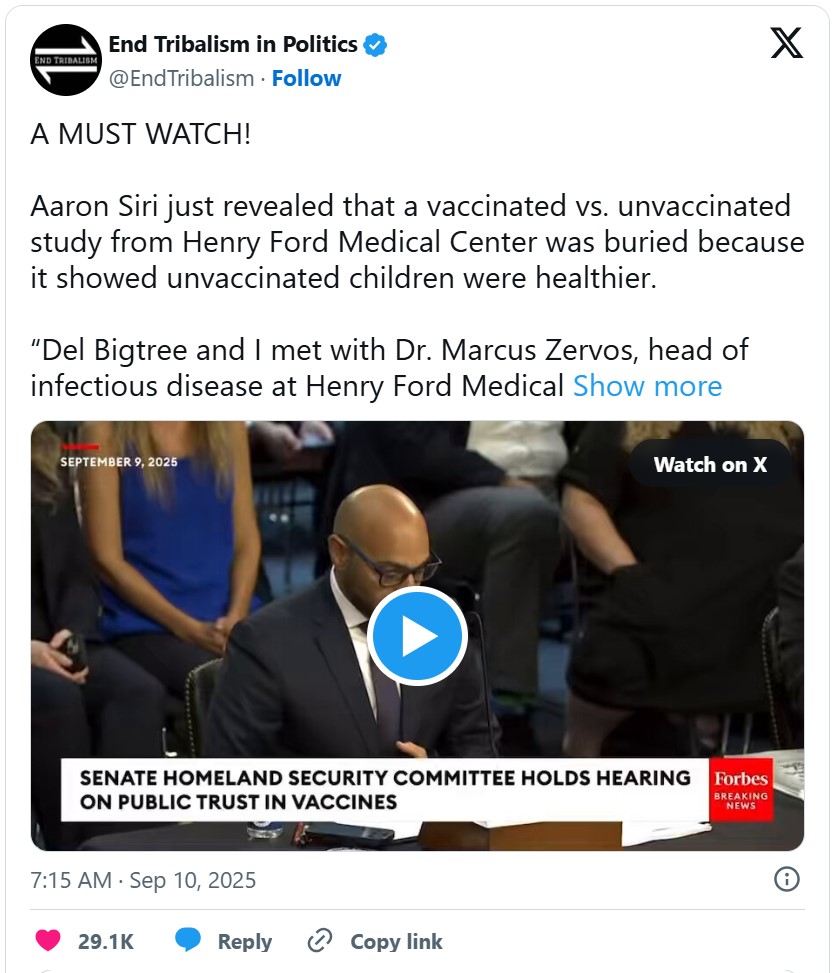
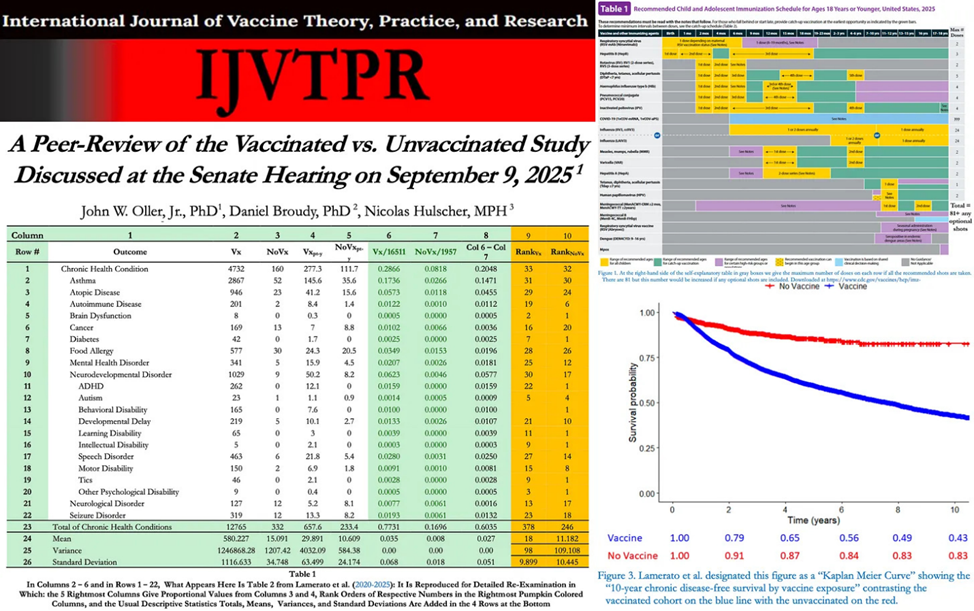


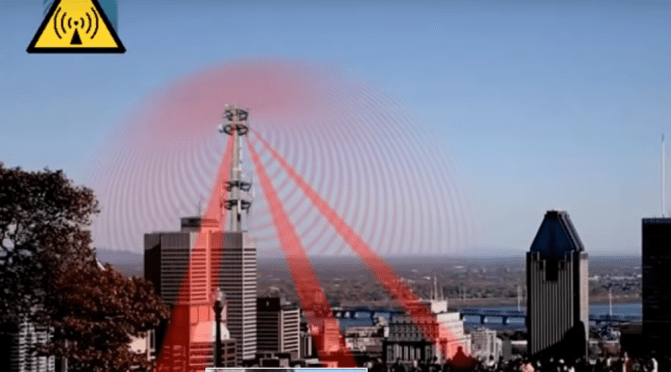
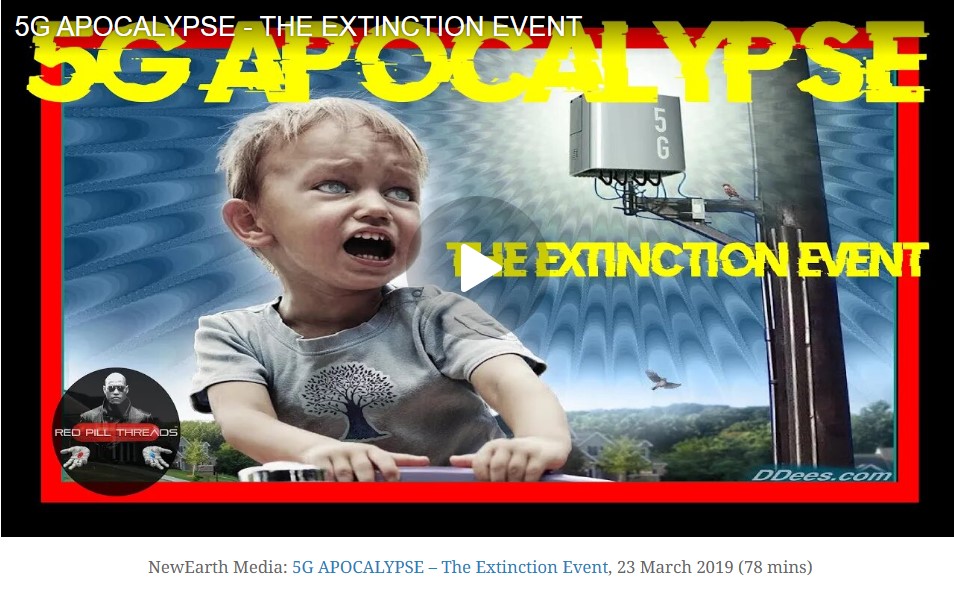
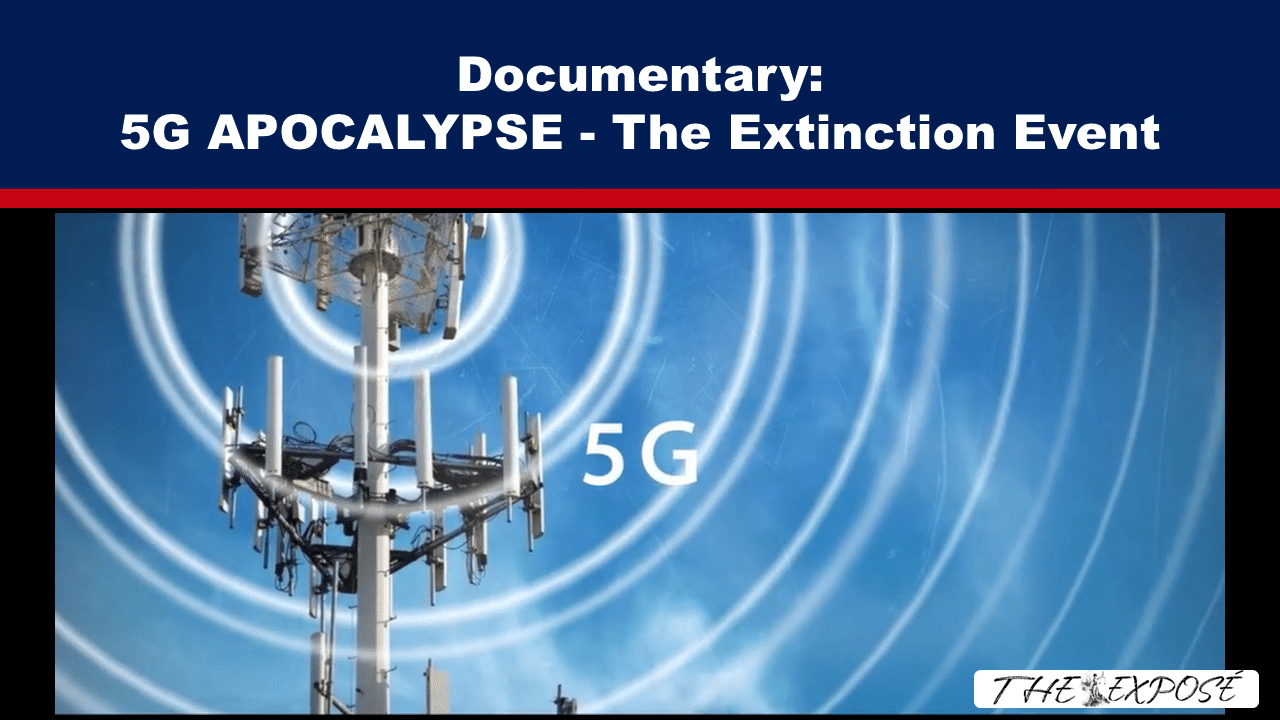




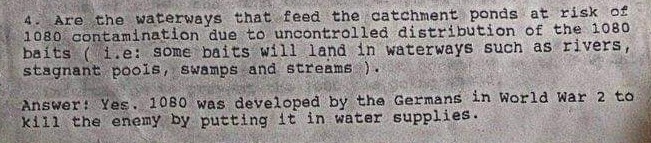
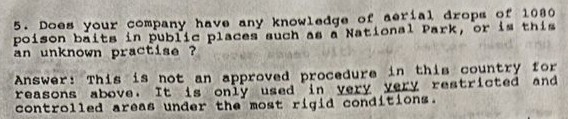




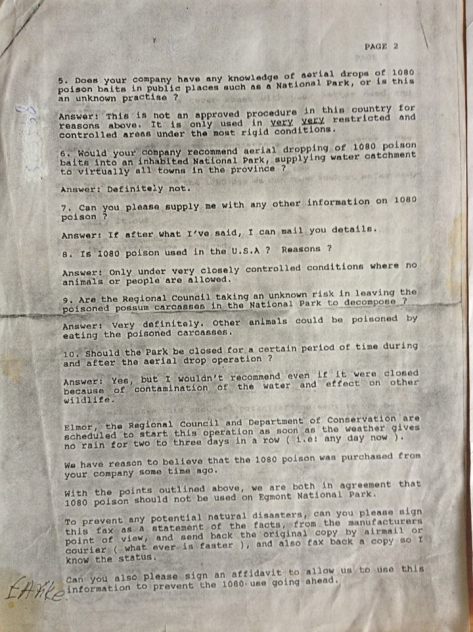
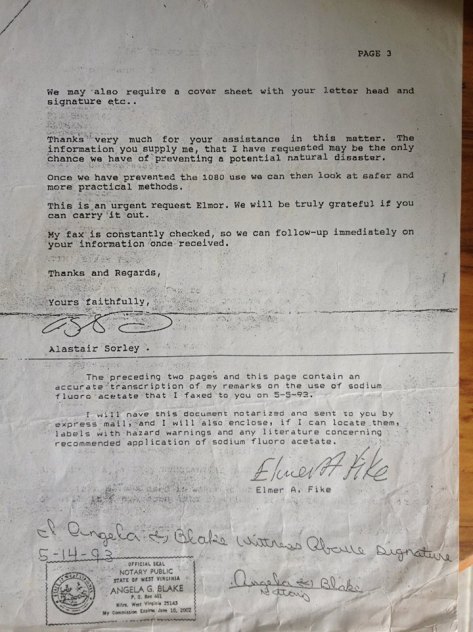
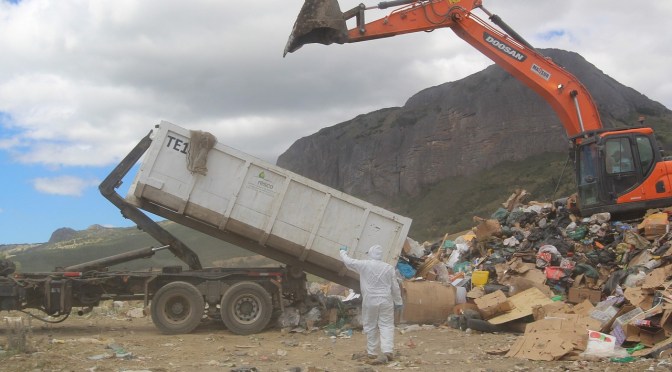
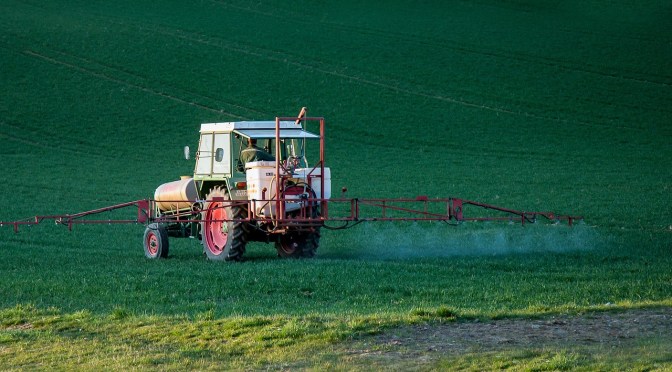
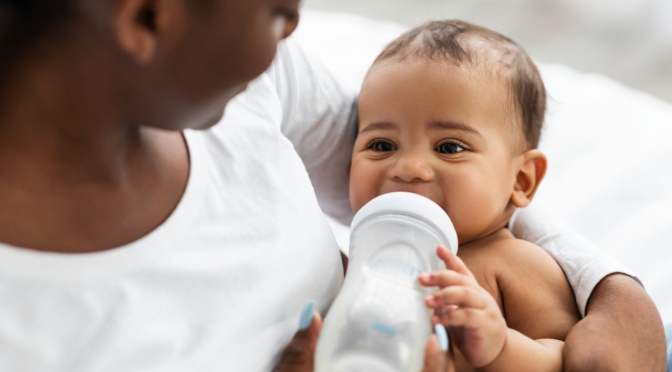

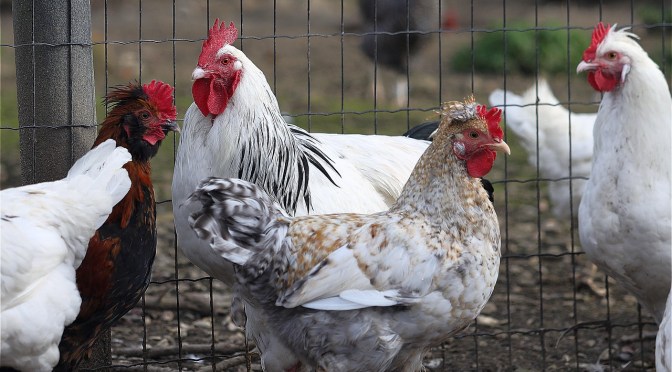
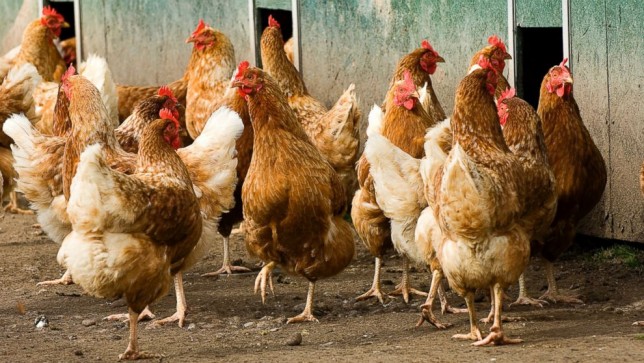




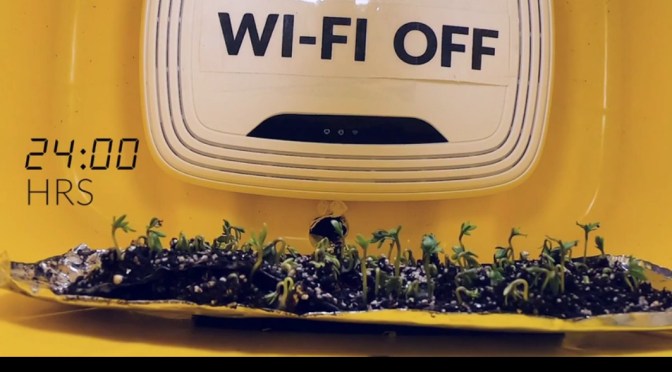

You must be logged in to post a comment.