Tag Archives: Garden

WORM FARMING (Wally Richards)

Many years ago I learnt about worm farming and how to turn kitchen wastes into rich foods for the garden.

A Palmerston North firm of Plastic Moldings started producing what I think was the first NZ made available worm farm in NZ called Worm-a-Round.

I purchase one from their factory (and later on a second one; both of which are going strong years later).

I promoted the worm-a-round and many people saw the great advantage of these very strong units and purchased one to use.

The Palmerston North City Council got on the band wagon and they to encouraged people to turn their kitchen wastes into great garden foods instead of sending this valuable resource to the rubbish tip.

The original company amalgamated with a similar firm and once again not only did I help sell units but some garden shops, Mitre 10 and Bunnings also use to retail the units.

Over time cheaper inferior worm farm units appeared and like a lot of well made products the Worm-a-Round disappeared from the market.

A gardener contacted me about a month ago and asked if I knew where they could obtain a new Worm-a-Round so I did a bit of investigating and found that the moulding company still had the moulds but had not produced any for a number of years.

So I commissioned them to produce 5 units for my company to once again promote this superior worm farm unit.

The following is my original information that used to appear on my Gardenews web site:

Worms are the most efficient method of recycling household wastes into high value nutrients for the garden.

There are about 3000 types of worm species but of these there are only about a half dozen or so that are important to cultivation.

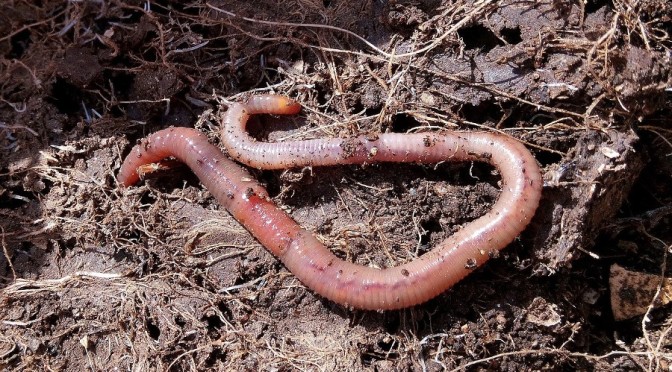
Eisenia foetida, commonly known as the Manure Worm, Red Wiggler or Tiger worm, has alternative bands of yellow and maroon down the length of its body.

You know you have one when you pick it up, it thrashes about, wriggling and squirming.

The amazing attributes of the Tiger worm include, being able to consume their own body weight in food each day.

The daily food intake of organic material results in a wonderful, organic material called vermi-cast.

They also produce 60% of their body weight in urine each day which is referred to as leachate.

This leachate is very high in nitrogen and can be diluted 10:1 for use as a highly nutritious plant food.

Tiger worms are surface feeders and they thrive in organic materials such as manure and kitchen scraps when these materials are mulched on top of the soil.

Tiger worms have another interesting aspect as they are a little like Monarch Butterfly’s caterpillars in so much as they are distasteful to predators such as birds.

Thus many birds will leave them alone and being surface eaters this is most important as they are easy prey otherwise.

These wonderful worms are the best compositors in the world, turning waste material into high value nutrients for plants to use.

Everyday you likely throw out kitchen wastes, which clog up our tips and sewer systems.

Such a waste of wastes.

Now what say you could convert your wastes to top quality plant food (leachate) plus highly nutritious soil for gardens and containers (vermicast) and be able to collect these valuable products cleanly and simply?

Well now you can with an amazing unit called WORM-A-ROUND.

Worm-a Round is a special double bin that allows you to run your own Vermicomposting unit and collect the valuable plant nutrients.

Simple to use, you start off with newspaper and kitchen wastes to which is added 250 grams of Tiger Worms.

(These are available from worm growers through out NZ).

Each day you simply add your kitchen wastes for that day and once in full operation your Worm-A-Round bin can cope with 2 kg of kitchen waste per day.

A tap is on the lower, collector bin and each week you can collect about a litre of leachate. This can be stored for use as required.

If you think about it, that’s about $20.00 worth of top quality plant food a week.

Over the following weeks and months the worm population will increase till it reaches its optimum level.

(Worms are self regulating in this aspect).

At this time you could remove some of the worms and place them in the garden under a layer of organic mulch.

Mushroom compost would be ideal for this.

You may like to add them to your own compost heap to get more action from it.

If you don’t remove any worms it does not matter as they will not over crowd their home.

It takes between 3 to 6 months to reach this point.

After a period of time vermicast will reach the top of the first tray and then the second tray should be added to the bin.

Food scraps can then be placed in this top tray, daily.

Once this top tray is three quarters full of vermicast most of the worms will have moved up into it.

At this time you can remove the bottom tray (full of vericast) for use with your potting mixes, as seed raising mix, mulch around plants, or for use under plants at planting time.

It also can be added to water as an additional liquid additive in the garden.

Vermicast, like ordinary worm casts is a beautiful crumbly material just busting with plant nutrients.

Each harvest will save you many dollars in potting mixes and other plant foods.

Except for your initial outlay for the bin, instructions and worms the whole process will not cost you a penny in the future but will return you many dollars worth of products every week for years.

Vermicomposting is an interesting aspect of gardening and of great value to your plants as well as the important principals of recycling.

An activity that even the younger members of the family can enjoy and participate in.

Giving them a better concept of nature and the world around them.

The Worm-a-Round is rat and mice proof so you wont have any problems from the vermin.

I keep a plastic container on the kitchen bench, which kitchen wastes goes into then when full I take out and put into one of my Worm-a-Rounds.

Place your worm-a-round on a table outside in a shaded situation handy to the kitchen for convenience.

Worm-a-Rounds can be obtained by Mail Order through www.0800466464.co.nz

LAST DAYS OF SPRING PROMOTION……..

Here is the original message and conditions….

WELCOME TO SPRING PROMOTION

As many of you are aware this time of the year we try to offer some specials for you to use during the coming growing season.

The following specials will start today 13th August and finish on Thursday 31st August at Midnight.

Any orders must be placed on our mail order web site at www.0800466464.co.nz

ALSO MOST IMPORTANT…PLACE THE WORD SPRING in the CUSTOMER MESSAGE BOX

This allows me to sort out the various discounts and add any shipping before I phone you to organise mode of payment for the order.

(Credit/Debit Card payment over phone which is the best and fastest way alternatively I email you the details for a bank transfer).

While on the phone I can also answer any questions you may have. (It’s called service which is not common these days)

Here are the offerings:

25% off Neem Oil, Neem Granules and Neem Powder

20% off all other items except for BULK items

Of the above: North Island if your order comes to $100 or more after discount then free shipping. (Not including Bulk items)

South Island in your order comes to $150 or more after discount then free shipping. (Not including Bulk items).

10% off Bulk Items such as 10kilo bags BioPhos,  Ocean Solids and Unlocking Your Soil. These bulk products will incur shipping at cost.

No discount on Distillers or Worm-a-Rounds and shipping at cost.

These are 10kg North Island $16.00  South Island $19.00

Up to 25 kg North Island $19.00  South Island $25.00

We do not send to PO Boxes or outer Islands such as Waiheke or Stewart Islands But will send to the Ferry depot servicing those Islands

Phone 0800 466464
Garden Pages and News at www.gardenews.co.nz
Shar Pei pages at  www.sharpei.co.nz
Mail Order products at www.0800466464.co.nz


New Zealand Bill of Rights Act 1990. Part II of the Act covers a broad range of Civil and Political Rights. As part of the right to life and the security of the person, the Act guarantees everyone:

1The right not to be deprived of life except in accordance with fundamental justice (Section 8)

2The right not to be subjected to torture or to cruel, degrading, or disproportionately severe treatment or punishment (Section 9)

3The right not to be subjected to medical or scientific experimentation without consent (Section 10)

4The right to refuse to undergo any medical treatment (Section 11)

 Furthermore, the New Zealand Bill of Rights Act 1990 guarantees everyone: Freedom of Thought, Conscience, and Religion.
This includes the right to freedom of thought, conscience, religion, and belief,
INCLUDING THE RIGHT TO ADOPT AND HOLD OPINIONS WITHOUT INTERFERENCE (Section 1)

Photo: pixabay.com


VISITING LIFE UNDER GROUND (Wally Richards)

There is a saying which reads as… As Above So Below and with plants and trees what is above the soil level is replicated to what is below the soil level.

With a tree it is the trunk and branches we see and mirrored under the soil is the tap root and the root system about a similar size as above.

It is the root system and the medium that the roots are in that is the focus of this article.

We often refer to ‘The Soil Life’ which is a teeming mass of microbes, fungi, and soil insects including earth worms that we find in a healthy soil or the growing medium.

Virgin soil with its canopy of plants, living naturally for hundreds of years has a wealth of soil life and to have a soil like that is the goal of every keen gardener as it will, with very little effort, produce great healthy plants.

A vital part of the soil life are the fungi family called Mycorrhizae.

From the internet we see: A mycorrhizal network (also known as a common mycorrhizal network or CMN) is an underground network found in forests and other plant communities, created by the hyphae of mycorrhizalfungi joining with plant roots.

This network connects individual plants together and transfers water, carbon, nitrogen, and other nutrients and minerals between participants.

Several studies have demonstrated that mycorrhizal networks can transport carbon, phosphorus, nitrogen, water, defense compounds, and allelochemicals from plant to plant.

The flux of nutrients and water through hyphal networks has been proposed to be driven by a source-sink model where plants growing under conditions of relatively high resource availability (

such as high-light or high-nitrogen environments) transfer carbon or nutrients to plants located in less favorable conditions. (Helping their mates)

A common example is the transfer of carbon from plants with leaves located in high-light conditions in the forest canopy, to plants located in the shaded understory where light availability limits photosynthesis.

In natural ecosystems, plants may be dependent on fungal symbionts for 90% of their phosphorus requirements and 80% of their nitrogen requirements.

Mycorrhizal relationships are most commonly mutualistic, with both partners benefiting, but can be commensal or parasitic, and a single partnership may change between any of the three types of symbiosis at different times.

These networks have existed for over 400 million years, with up to 90% of all land plants participating.

The formation and nature of these networks, is context-dependent, and can be influenced by factors such as soil fertility, resource availability, host or mycosymbiont genotype, disturbance and seasonal variation.

Some plant species, such as buckhorn plantain, a common lawn and agricultural weed, benefit from mycorrhizal relationships in conditions of low soil fertility, but are harmed in higher soil fertility.

Both plants and fungi associate with multiple symbiotic partners at once, and both plants and fungi are capable of preferentially allocating resources to one partner over another. End.

Back to me: You can see from the above what a incredible resource Mycorrhizal fungi is to the well being of your plants and garden and why you should encourage it and not damage it.

The No-Dig garden that we have often talked about over the years is ideal for building and maintaining these beneficial fungi.(Instead of digging your garden you simply put fresh compost over the soil with other natural manures and plant into this new layer.

This is repeated for every crop)

Mycorrhizal fungi can increase a plant’s roots catchment area by up to 800%.

The bigger the root zone the bigger and better the plants.

We can encourage Mycorrhizal fungi to grow by drenching the soil with Wallys Mycorrcin every so often like once a month around preferred plants and crops.

What we should not do is to use chemicals that will kill the Mycorrhizal fungi and beneficial microbes in the soil. Chemical sprays and man-made chemical fertilisers that leach into the soil and the worst one is your chlorinated tap water you use to water the garden with.

A housing and filter that is 10 micron carbon bonded can be snapped onto your hose tap to remove the chlorine. See http://www.0800466464.co.nz/37-water-filters-remove-fluoride-and-chlorine-

Gardeners that have filtered the chlorine out of their garden watering remark on what a difference it makes to the health of their gardens and plants.

The chlorine is added to water to kill bacteria and it is caustic in nature which is not good for soil life.

We see that Mycorrhizal fungi connects plants underground through their roots and by that means can send messages to each other.

An example of this is a forest stand where the outer trees are attacked by a disease or insect pests and the trees send out a message to the fellow trees about what is happening which then allows the other trees to start building their defense systems against possible attack.

Some plants are very hard to establish and the answer to this I learnt many years ago is that you find a mature specimen of the plant you wish to cultivate and you take some of the soil from the mature specimen root zone and you place that in the planting hole of your specimen.

Plant up and then drench the soil with Wallys Mycorrcin to aid growth and that impossible plant to grow is away laughing.

Introduction of beneficial microbes to the soil is another way of improving your gardens and plants health.

Biologically active soils have the ability to retain moisture and release nutrients ensuring greater production, faster rotation and more rapid recovery from stress.

To build a healthy biological soil we need products that can feed living organisms.

Increasing public awareness of the environmental impact of using chemical-based fertiliser has created a demand for a safe, natural and environmentally friendly fertiliser.

Biological fertilisers increase nutrient availability and feed important soil organisms, such as earthworms and microorganisms (fungi and bacteria) – all essential for plant and soil health.

The product we have called Bio Marinus not only does the above but also introduces new beneficial microbes to your gardens.

Readers may recall the British comedian Kenneth Horne’s radio show “Beyond Our Ken” featured a gardener called Arthur Fallowfield, played by Kenneth Williams.

He often said “The Answer Lays in the Soil”.

THIS WEEKS Special is Mycorrcin is either 250mils, 500 mils or 1litre and till next Sunday we will pay the shipping to your home (No PO Boxes or outer Islands)

No discounts on the product sizes so 250mils is $18.00; 500 mils $30.00 and 1 litre is $50 free shipping on one or more of the same product.

Order on our Mail Order Web site at http://www.0800466464.co.nz/15-plant-nutrition?p=2

In Remarks please state This Weeks Special..

After receiving your order I will phone you to sort out payment either by credit card over the phone or a bank transfer..

Phone 0800 466464
Garden Pages and News at www.gardenews.co.nz
Shar Pei pages at  www.sharpei.co.nz
Mail Order products at www.0800466464.co.nz

New Zealand Bill of Rights Act 1990. Part II of the Act covers a broad range of Civil and Political Rights. As part of the right to life and the security of the person, the Act guarantees everyone:

1The right not to be deprived of life except in accordance with fundamental justice (Section 8)

2The right not to be subjected to torture or to cruel, degrading, or disproportionately severe treatment or punishment (Section 9)

3The right not to be subjected to medical or scientific experimentation without consent (Section 10)

4The right to refuse to undergo any medical treatment (Section 11)

 Furthermore, the New Zealand Bill of Rights Act 1990 guarantees everyone: Freedom of Thought, Conscience, and Religion.
This includes the right to freedom of thought, conscience, religion, and belief,
INCLUDING THE RIGHT TO ADOPT AND HOLD OPINIONS WITHOUT INTERFERENCE (Section 1)

A Christmas message from Wally Richards

Here it is Christmas day and I am writing this short weekly article today because I was too busy yesterday mowing lawns and tidying up gardens for Christmas.

So I hope you are having a pleasant day and a chance to hopefully forget the woes of the past year.

As the Chinese say, ‘Have an Interesting Life’ which some take as a curse because an interesting life is not an easy one.

It is full of problems as well as good times which in comparison a life without the ups and downs is very boring.

As us gardeners know, problems are just challenges in the garden, things to resolve and sort out.

Having successes against the odds is wonderful and very satisfying.

I always get a thrill when seeds I have sown burst forth as young seedlings out of the growing media.

Life has been born anew.

As I wrote a week or two ago this summer so far has been dismal with too many cloudy skies and too few blue skies.

I see today in Marton we have some blue in between the clouds so that means some direct sunlight.

That will make the farmers & commercial growers happy as they are looking for growth.

I am happy to say that my first vine ripened tomatoes were picked this week and were delicious.

That’s a lot better than paying between $7.99 and $8.49 a kilo from Supermarkets.

I have been eating and giving away cucumbers both telegraph and green types which I see are selling for $2.00 to $2.90 each.

Lettuce at this time of the year should be about a dollar each but no they are closer to $4.00 each.

So hopefully if you have been following my articles over the last period of time you will also be enjoying your own salad crops. More possibly so if you have a glasshouse.

This now is my third year of growing garlic and no garlic rust thanks to the cell strengthening products.

I scoured seed/cloves from about 3-4 places for planting and the best certainly was the big fat cloves which I can feel in the soil have produced good size bulbs.

A few have started to flower so cut the flower spike off so all the goodness will go into the bulbs.

No hurry to lift them yet so will leave until the tops show signs of dying back.

Sprays weekly with Magic Botanic Liquid (MBL) with Mycorrcin added will help produce better crops on all vegetables.

I smiled the other night about the shortage of strawberries this time of the year that I saw on the News.

I have big beautiful strawberries rich in flavour available as a dessert every couple of nights of the week.

That’s thanks to regular sprays of Mycorrcin and MBL along with an occasional feed of My Secret Strawberry food.

I have to go harvest a few shortly to put on the pavlova.

When we purchased this place in Marton a few years ago I was so surprised that an old 1920 house on a quarter acre section did not have one fruit tree, not even a standard (must have) lemon tree.

Well on last count I have now 36 fruit trees and two brambles.

(Some were in 100 litre drums from Palmerston North) moved here and are still sitting happily in their drums which makes them easy to move around. In the open ground I added more varieties of fruit trees and ones in their third season are now producing nice small crops.

I will have to keep them under control in time to come; so there is not a jungle of fruit trees.

On the back by the rear fence is a giant macrocarpa, must be many years old and along the same fence line on the other side are some ornamental deciduous trees which send up suckers all over the place.

This means that no open ground vegetable gardens as they would be robbed of goodness during first season.

Instead all vegetable gardens are raised and on concrete to prevent robber roots.

My challenge this year is to have as much vegetables growing all year round to ensure food safety as much as possible, plus far better taste and healthier to eat than the chemically grown expensive vegetables from the supermarket.

Also I will once again try to establish a passion fruit vine, this time in a lean to glasshouse I have.

It has been about 50 years since I last had a successful passion fruit vine growing in a place I lived.

Not that I don’t try every so often.

Mind you 50 years ago in Palmerston North it was a different world with hot blue sky summers and frosty cold winters.

I saw on social media this week a picture of young children in the middle of the road somewhere in suburbia on trikes, bikes and on foot playing from back in 1950’s and the caption said : “We had no idea how good we had it and no clue that we were the last ones.”

Never a truer Analogy of then and now.

It is hard to believe how much things have changed and obviously to us that have lived in the best times that the now is like a different planet and people.

Where did this thing called Woke come from?

I remember back when people used to dance such as foxtrots and rock and Roll now the dancing looks like semaphore signaling?

I suppose they might have seen a clip of young people doing what was called ‘Hand Jive’ while sitting around a dance hall. I was thinking back recently to a house in Domain Street where I grew up in, it was a little cottage house on a very small section with only enough room for me to have a small vegetable garden.

But in the house there was a coal range which supplied hot water, heating with cooking top and oven.

All of that for most of the day from a shovel full of clean burning cheap coal.

The best scones ever came out of that oven and a kettle or soup would be kept hot on the steel top.

The house has long gone and along with neighboring homes for a motel complex now.

Enough reminiscing instead keep gardening and hoping that the year ahead will be an improvement on recent past.

“Where there’s life there’s hope” is attributed to J.R.R. Tolkien whose character Samwise Gamgee declared it in The Lord of the Rings. In another of Tolkien’s famous quotes, “A single dream is more powerful than a thousand realities.”

Merry Christmas and I will catch up with you before the New Year.

Phone 0800 466464
Garden Pages and News at www.gardenews.co.nz
Shar Pei pages at  www.sharpei.co.nz
Mail Order products at www.0800466464.co.nz


New Zealand Bill of Rights Act 1990. Part II of the Act covers a broad range of Civil and Political Rights. As part of the right to life and the security of the person, the Act guarantees everyone:

1The right not to be deprived of life except in accordance with fundamental justice (Section 8)

2The right not to be subjected to torture or to cruel, degrading, or disproportionately severe treatment or punishment (Section 9)

3The right not to be subjected to medical or scientific experimentation without consent (Section 10)

4The right to refuse to undergo any medical treatment (Section 11)

 Furthermore, the New Zealand Bill of Rights Act 1990 guarantees everyone: Freedom of Thought, Conscience, and Religion.
This includes the right to freedom of thought, conscience, religion, and belief,
INCLUDING THE RIGHT TO ADOPT AND HOLD OPINIONS WITHOUT INTERFERENCE (Section 1)

Image by Aline Ponce from Pixabay

No dig garden using cardboard (Wally Richards)

I’m currently doing this with my garden plot. Brilliant idea. Especially if you’re a bit past digging extensively! EWR


Cardboard boxes are everywhere.

A lot of products are transported in cardboard boxes, most products we ship out are in cardboard boxes.

Supermarkets have heaps of medium to large cardboard boxes which they often put into a cycling bin as a friendly way of disposing of them.

During the week I chanced to have a chat with a gentleman that is doing similar as our company with a range of products to enhance your gardens.

During the conversation he told me of a method that he suggests to people and gardeners for starting or extending their vegetable gardens.

A method using cardboard that I had never thought of.

I have in the past suggested using cardboard as a mulch to suppress weeds which works very well.

This method is using cardboard to convert part of a lawn area into a productive vegetable garden very simply and very quickly.

In the past when I have converted a lawn to a growing area I have lifted the turf taking the top 50mm of turf off in squares, stacking them somewhere, grass side down, to rot down.

Then I would dig over the bare soil before raking off nicely for planting.

A bit of work but it made a new growing area.

Now this new way is that you firstly mow the area that you want to convert as low as the mower will let you.

You then cover the area with cardboard over lapping to ensure a total coverage of the area.

Do this on a calm day as it is difficult to do when it is windy.

Over the cardboard you put a layer of purchased compost about 20mm thick and lightly water to settle into place.

The reason for the purchased compost is that it will be weed free as long as it did not come from a re-cycling source.

I prefer Daltons Compost as it is good quality and herbicide free.

Most of the others I wouldn’t give you tuppence for as many are just fine bark with some nutrients added or bark with recycled garden wastes.

Once you have the cardboard and compost down then it is time to put minerals and nutrients onto the layer of compost.

I suggest Wallys Unlocking your Soil, BioPhos, Wallys Ocean Solids, Wallys Calcium & Health, Blood & Bone, animal manures, chicken manure, sheep manure pellets and Bio Boost. (As many as available)

Then we are going to place over these products a further layer of compost 40 to 50mm thick.

You need to choose a area that is fairly sunny and well away from trees, shrubs and vines as you are creating a great food source for your vegetables and those other bigger plants will try and robe your garden creating lots of fibrous feeder roots in the plot.

The first season will be ok but the fol,lowing season it will be full of roots and nothing will grow.

To help prevent this happening and to ensure your vegetable plot has good drainage make a trench around the plot area about to a spade depth.

This will allow surplus water to drain into the ditch where it will evaporate from sun and wind.

It will also help prevent some robber roots happening.

You could lay fence palings on top of this trench to allow a place for the wheels of your mower to ride on when cutting the rest of your lawn.

Give them a couple of coats of acrylic paint to seal in the tanalised chemicals.

If you only make your plot about a metre wide then you can work the area from one side.

If more than a metre wide you need to have a mowing strip on the far side to work all around the bed.

You should avoid walking on the b ed as it compacts the growing medium.

One time I did several parallel vegetable beds about a metre wide with lawn in between them at the width of my mower. This allowed me to mow between each growing bed and a nice place to work the gardens from.

I love the idea of cutting the lawn low, covering with cardboard to suppress the weeds and then covering that with goodies and compost. Instant vegetable plot.

On existing vegetable gardens that are currently empty except for weeds the same can be done.

Cover the area with cardboard as above, then the other things ready to plant up.

The cardboard will break down over time and the worms and soil life love it.

Then the following year you may want to put new cardboard down over the bed and repeat as above.

If you have a garden with say oxalis this will bury the plants and tubers and make gardening easier for a while.

Go to your local supermarket and ask them for their used cardboard cartons or help yourself out of the dumpster.

If you happen to be near where we are in Marton then I can supply you with some large cardboard boxes to use.

We are getting g close to Christmas and if you are looking to plant up containers to give away as Christmas gifts then you better get started so they have a bit of time to settle in before you given them away.

Phone 0800 466464
Garden Pages and News at www.gardenews.co.nz
Shar Pei pages at  www.sharpei.co.nz
Mail Order products at www.0800466464.co.nz


RELATED:

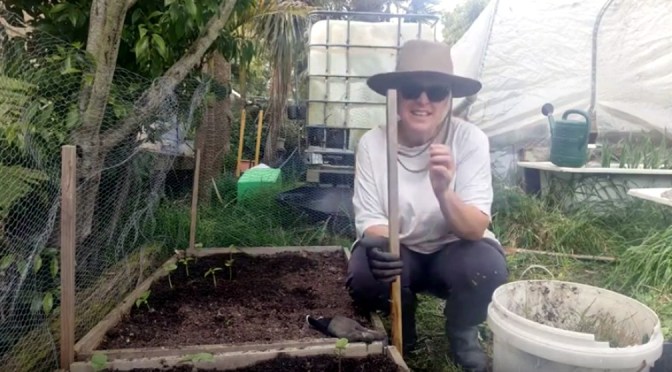
Here is a video from Charles Dowding’s YT channel demonstrating this method. For those like myself who like a visual demo. There are other related vids at YT that are also helpful if you search. EWR
New Zealand Bill of Rights Act 1990. Part II of the Act covers a broad range of Civil and Political Rights. As part of the right to life and the security of the person, the Act guarantees everyone:


1The right not to be deprived of life except in accordance with fundamental justice (Section 8)

2The right not to be subjected to torture or to cruel, degrading, or disproportionately severe treatment or punishment (Section 9)

3The right not to be subjected to medical or scientific experimentation without consent (Section 10)

4The right to refuse to undergo any medical treatment (Section 11)

 Furthermore, the New Zealand Bill of Rights Act 1990 guarantees everyone: Freedom of Thought, Conscience, and Religion.
This includes the right to freedom of thought, conscience, religion, and belief,
INCLUDING THE RIGHT TO ADOPT AND HOLD OPINIONS WITHOUT INTERFERENCE (Section 1)

Photo: screenshot Charles Dowding YT channel

USDA is tracking community gardens! Red flag

This is from Doug and Stacey. We’ve posted their videos just twice so far on the topic of living off grid.

Here we have a topic rearing its head again … one that is of concern to all of us world wide as the global plans tighten up further, global food supplies manipulated and controlled (see the Ice Age Farmer for more info on that) and the promise from the globalists we’ll ‘own nothing and be happy’. We had hints of future control in NZ back with the Food Bill, threatening we could not share or our produce over the back fence. Nice try! Watch Kiwis!. So here it’s pointed out that the registering of your community garden with government is a red flag and about more than meets the eye … watch and listen to the video.

OFF GRID with DOUG & STACY

Subscribe to OFF GRID with DOUG & STACY: http://bit.ly/2nrYf24

GERMINATING SEEDS (Wally Richards)

There are two basic places to germinate seeds, one is where they will ultimately grow and mature the other is in suitable containers to germinate and then to transplant out into open ground or larger containers latter on.

Firstly it is always best to plant any seed in the spot where it will grow and mature.

The reason for this is because when a seed germinates it will send down a tap root and if in open ground in a friable soil that root can be very long.

If on the other hand we germinate in a container or seedling tray that root will be limited in the depth of the tray and growing medium.

It is not practical to grow every thing at the maturity site, especially when we are getting an early start or growing out of season.

There are some seed types which should only be grown in their maturity site and only planted when conditions are favorable.

I often see seedlings for sale in punnets of plants which should never be offered this way because novice gardeners, that know no better, may purchase and have poor results..

The worst example of this is root crops such as carrots and parsnips which should only be direct sown as in any other form they will not produce a normal root.

An exception to this is a carrot that is round in shape and does not produce a long edible root.

Beetroot and onions are seedlings that will transplant but are better to direct sow. (Direct sow means planting seed where they will mature) Spring onion is an exception.

Corn, beans and peas should all be direct sown and you will get far better crops if you do so.

Larger seeds are easy to handle and can be placed where you want them to grow without having to thin out later on. Silverbeet is another one that would be best direct sown.

If you want to start off seeds early in open ground try this method.

Make a trench about 100mm deep and the same wide, mow your lawn and collect the clippings which you then pack fresh into the bottom of your trench.

(Note if the grasses are in seed in the lawn it maybe best not to use the clippings to prevent moving grass weeds to your garden)

Pack firmly to about 80mm then sprinkle a little compost over the clippings to cover.

Next sprinkle Wallys Calcium and Health or garden lime and Wallys Unlocking Your Soil along the trench along with foods such as chook manure, sheep manure pellets, blood & bone, Bio Boost and Neem Tree Powder.

Once again cover lightly with weed free compost (Purchased)

Next sow your seeds such as peas, beans, sweet corn etc. (Peas are hardy but others will depend where you are in NZ to when you start)

Once the seeds are spaced out along the row then spray them with Magic Botanic Liquid (MBL) at 20 mls per litre. This really speeds up germination.

Then cover the seeds with more compost and water down using a fine rose watering can with MBL added.

For those that have problems with either cats, birds or late frosts then make some hoops out of No8 wire and place them along the row with a clearance of about 200mm in the middle of the row.

Place crop cover over the hoops and on one side cover with soil and on the other side with lengths of old timber or similar.

That allows you to easily take off to tend to the plants if needed. The heat from the grass clippings will warm the soil which greatly helps germination.

Once well developed then you can remove the hoops and cover and store for future use.

Now lets look at doing similar but in seedling trays or by using cell packs or punnets.

If you keep the punnets and cell packs that you have purchased in the past then these are good value to use.

Wash them out in hot water so they are nice and clean.

To fill I use only purchased compost of high quality such as from Daltons or Oderings.

I have found that seed raising mixes are a gimmick and most of the ones I have looked at are too expensive and do not work as well as a good quality compost for most seed germination projects.

Think about this; outside in Nature we find all sorts of soils types even straight gravel or sand where seeds do not appear to have much trouble germinating, without any special mixes from mankind.

One important aspect to consider when germinating in seedling trays is to have heat from a heat pad.

Some garden shops, pet supplies and brew shops have heat pads which can be used for germination.

I place a sheet of polystyrene block on a bench to direct the heat upwards then sit the seed trays on the heat pad.

If you go to wholesale fish outlets or fish departments of supermarkets you will likely find used polystyrene trays free or for a few dollars.

You can sit your heat pad in the tray and being white it will provide lots of good reflected light.

If the pad you buy is a higher temperature than you require then cover the pad with sand and keep the sand moist. Sit your seedling trays on the sand.

Fill your seedling tray or cell packs to about two thirds full with purchased compost as above.

Carefully sprinkle a few seeds over the compost keeping them apart so they each have their own space.

Spray then seeds with MBL and Mycorrcin mixed together in a trigger sprayer with non chlorinated water.

Once the compost and seeds are wet then cover seeds with more compost (You can sieve it if you like) and wet down with your spray.

Now you spray the tray at least twice a day to keep the compost moist using the same trigger mix.

Once a few seeds have germinated and before they start stretching for light get them out into natural light from overhead such as on a bench in a glasshouse.

If you do not have a suitable place then place your polystyrene box outside with a sheet of glass over it.

The seedlings will need spraying still but off the heat pad a lot less. Make sure the seedlings are in good light but not strong sun light to burn them.

If you are worried about them at night you can bring the polystyrene box inside or onto a porch.

When the seedling are big enough to handle prick them out and pot them into small pots once again using the compost or plant out in your garden.

If you spray the seedlings a couple of days before planting out then you do not need to harden them off.

Phone 0800 466464
Garden Pages and News at www.gardenews.co.nz
Shar Pei pages at  www.sharpei.co.nz
Mail Order products at www.0800466464.co.nz


New Zealand Bill of Rights Act 1990. Part II of the Act covers a broad range of Civil and Political Rights. As part of the right to life and the security of the person, the Act guarantees everyone:

1 The right not to be deprived of life except in accordance with fundamental justice (Section 8)

2 The right not to be subjected to torture or to cruel, degrading, or disproportionately severe treatment or punishment (Section 9)

3 The right not to be subjected to medical or scientific experimentation without consent (Section 10)

4 The right to refuse to undergo any medical treatment (Section 11)

 Furthermore, the New Zealand Bill of Rights Act 1990 guarantees everyone: Freedom of Thought, Conscience, and Religion.
This includes the right to freedom of thought, conscience, religion, and belief,
INCLUDING THE RIGHT TO ADOPT AND HOLD OPINIONS WITHOUT INTERFERENCE (Section 1)

Image by StockSnap from Pixabay

ALL OF US CAN GROW FOOD IN CONTAINERS

The Seed Guy

It’s June 12th, and most Families have planted their Gardens by now. Some may have run into issues that are causing them to to plant late. Just to let you know, everyone can grow in containers, even if you live in an apartment or condo. You can also grow vegetables and herbs in containers indoors during the Winter, and have those fresh salads you always crave.

Please Plant a Garden. If you don’t have a big yard, or any yard at all, you can still plant in containers. I feel now more than ever that we will need to grow Home Gardens, and be able to help Feed our Families. We are in a very uncertain time in our Countries history, and we need to be prepared.

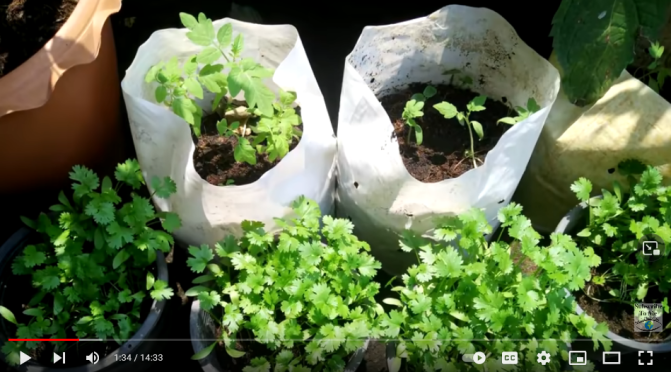
There are several types of containers that can be used for growing vegetables including polyethylene plastic bags, clay pots, plastic pots, metallic pots, milk jugs, ice cream containers, bushel baskets, barrels, and planter boxes. It is important to use containers that can accommodate roots of the vegetables you want to grow as the vegetables vary in sizes and rooting depths.

The container needs to have good drainage, and should not contain chemicals that are toxic to plants and human beings. Most vegetables grown in backyard gardens can be grown in containers, although a container’s diameter and depth needs to be considered when selecting what vegetables to grow. The plant density (number of vegetable plants per container) depends on individual plant space requirements, and rooting depth.

It’s best to use one of the potting mixes in vegetable container gardening as they are light, disease-free, weed seed-free, and have good drainage. Some potting mixes have pre-mixed plant nutrients, so read the information on the label about how long the pre-mix will feed your plants before you start applying fertilizers. You can also make your own two bushels of potting mix using the following recipe: Shredded sphagnum peat moss (1 bushel), Vermiculite (1 bushel), Ground limestone (1¼ cups), Phosphate fertilizer either 0-20-0 (½ cup) or 0-45-0 (¼ cup), Slow release granular fertilizer such as 5-10-5 (1 cup).

Container-grown plants require more frequent fertilization than field-grown plants because of the limited space within the container for drawing nutrients. Fertilizers can be mixed with the soil mix before filling the container and can also be applied as a nutrient solution. Nutrient solutions can be made by dissolving soluble fertilizer such as 10-20-10, 12-24-12 or 8-16-8 in water following label directions. The nutrient solution is applied once a day when the plants are watered. How often you water may vary with vegetables, but once a day is adequate.

Leach the unused fertilizer nutrients from the potting mix once a week by applying tap water only. It is also very important to water occasionally with a nutrient solution containing micro nutrients such as copper, zinc, boron, manganese, and iron and follow label directions in order to give plants the right amounts.

Plants grown in containers need frequent watering as the containers dry fast. Watering on a daily basis is necessary to provide adequate moisture for plant growth. Apply enough water to reach the bottom of the container. Allow the excess to drain out through drainage holes. Avoid wetting the leaves when watering as this will encourage development of foliar disease. Try not to allow the containers to dry out completely between watering as this will lead to flower and fruit drop. Do not over water the plants as the container will be waterlogged and the roots will lack oxygen leading to poor growth and eventually, perhaps, the plant’s death.

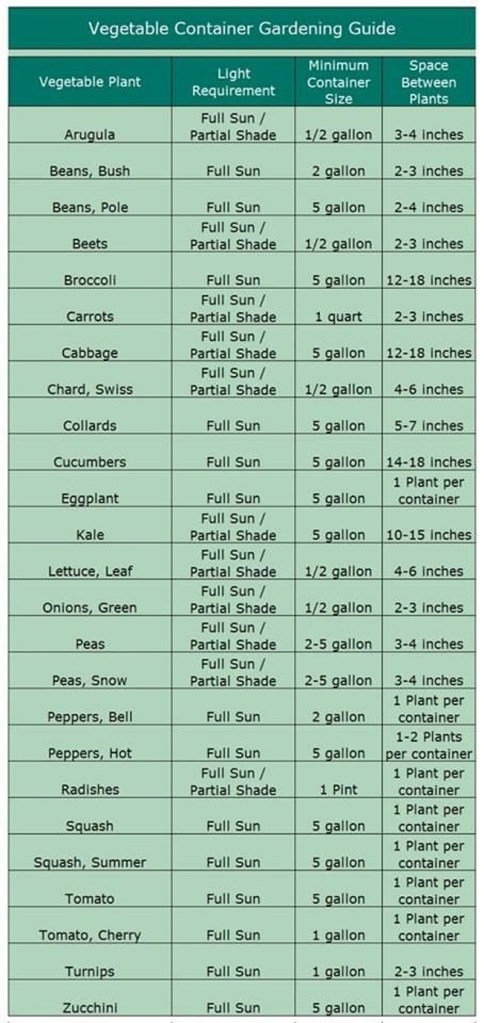
The size of the containers needed will depend a lot on the vegetable or herbs you are planting. Most Herbs can be planted in 1/2 – 1 gallon containers. Cabbages, Cucumbers, Green Beans, Leaf Lettuce, Spinach, Swiss Chard, and Cherry Tomatoes can be planted in 1 gallon containers. Beets, Carrots, Eggplants, Peppers and Radishes need 2 gallon containers. Your regular tomatoes will need 3 gallon containers. (great info from the University of Illinois Extension).

CONTAINER GARDENING GUIDE (The Seed Guy)

If you LIKE US on our Facebook page, you will be on our list for more great Gardening Articles, new Heirloom Seed Offers, and healthy Juice Recipes. https://www.facebook.com/theseedguy/ Thank you, and God Bless You and Your Family. 🙂

RELATED VIDEO: Homegrown.garden (How to Grow Potatoes in Pots)

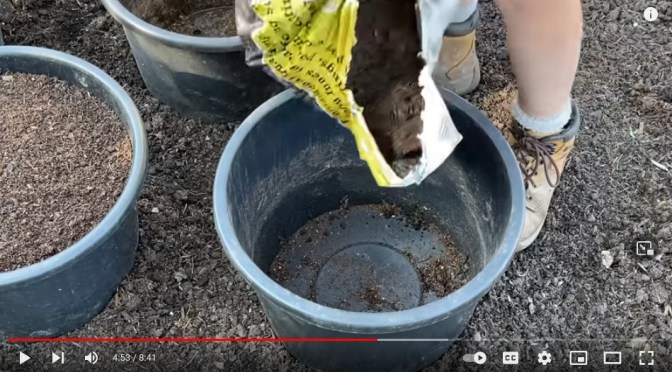
Photo: Screenshot Homegrown.garden @ Youtube

Go here for other posts of interest

Dealing with BRYOPHYTES (MOSS AND LIVERWORTS) (Wally Richards

Bryophytes and Embryophytes are the botanical names given to mosses, lichen, liverworts, hornworts, molds, algae and slime.

These are primate plant-like forms which were the first land type plants on the planet, millions of years ago.

It was as a result of these primitive plant forms that began the process of building soils from rocks splitting and powdered by the action of water and ice.

Members of this diverse plant family are found all over the world, many growing in places where no other types of plants could grow, so in a sense they are still creating growing conditions for higher plant forms to grow.

Many bryophytes are very attractive with feather or fern like structures where others look more like something from a alien landscape.

When bryophytes grow in places we do not want them to grow they become a nuisance just like weeds.

Lichen and liverworts appear to be able to grow on most surfaces including glass, public footpaths, fences and roof tiles which are favorite spots for them.

Vertical glass is difficult for them but glass roofs of glasshouses are not.

Algae and mosses growing on paths make for a slippery condition when wet and dangerous to us and can incur serious injury if we slip and fall.

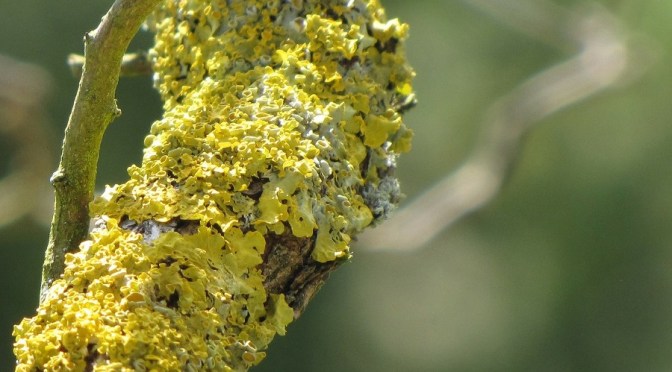
Lichens that colonize on the trunks and branches of plants and trees look unsightly and can lead to rots and losses.

Mosses growing in lawns are another problem, not only making the lawn unsightly but also suffocating our preferred grasses.

More often than not, wherever bryophytes appear, it means a war to eradicate and control.

When action is not taken they prolificate, spreading out to cause more harm.

Bryophytes cannot be controlled easily by scrapping off, as residues will be left that allow them to re-establish.

In lawns many gardeners use sulphate of iron to burn off mosses, which is only a very temporary fix as the acidity of the iron only burns off the top of the moss, allowing it to re-establish again fairly quickly.

There are various products advertised to clean up bryophytes such as ones that are sprayed on, then left for weathering to remove. Many of these are fairly expensive and bryophytes are like ants,

you can never eradicate them as they will always come back .

Bryophytes multiply by spores of which they create vast numbers, carried by water and air they will always return.

Some years back a chemical called benzalkonium chloride, which was used in the medical industry for sterilizing instruments, was discovered to be a boon in the control of bryophytes without harming other plants.

Benzalkonium chloride is an interesting chemical been an aqueous solution and used as a detergent, fungicide, bactericide, and spermicide.

The first product to use benzalkonium for the control of mosses etc was branded, Surrender and the writer picked up on this many years ago and introduced its use to gardeners in Palmerston North though the garden centre I was operating at that time.

It became very popular but was then only available in the commercial pack of one litre.

The product is formulated at 500g / litre benzalkonium chloride in the form of a soluble concentrate and used at the rates of 25 to 50 mls per litres of water.

Many mosses and liverworts need the 50 mls per litre dosage to have effective control where some other bryophytes such as lichen and algae can be controlled successfully at 25 mls per litre.

A product is available from some garden centres or by mail order using the same formulation and called Wallys Moss and Liverwort Control.

Available in both 500 ml and one litre containers making it more affordable in comparison to the previous brands.

When using on moss and liverwort it is very important that you adjust the sprayer’s nozzle so it is a bit of a jet not a spray mist as the product has to be driven into the target plant.

In recent times I have had the thought that as the chemical is used as a fungicide in some commercial preparations then there is an off label use for in for gardeners in helping to control some fungal diseases.

One that comes to mind is the devastating rust that decimated many gardeners garlic crops over the last two seasons.

A spray over the foliage at the very first sign of rust at say 25mls per litre to start with and then upping to 50mils if the lessor rate does not appear to be doing the job adequately.

As we know that the product does not affect plants when sprayed over them while treating lichen and liverworts so I dont see that it would damage the leaves of garlic either. Besides the leaves are being severely damaged by the rust colonies.

In regards to Garlic Rust last season I used Wallys Cell Strengthening products with great success.

The soil drench was applied after the bulbs sprouted and again two weeks later.

When the foliage was showing I did a weekly spray of the Cell silicon Strengthening spray that had the Super Spreader added. I also added some MBL (Magic Botanical Liquid) and molasses to the spray for good measure.

No sign of any rust and a good crop of garlic.

In the meantime with the wet weather times arriving ensure your walkways are kept clear of slippery moss and algae.

I have mentioned several times in past articles about a world wide famine add to that hyper inflation and a energy crisis we have a perfect storm.

My advise is keep the vegetable gardens going and stock up on non perishable food items while you can as they are disappearing from the shelves and replacements are much more expensive.

Happy Gardening and if you email me there are a few bits of other things.

Problems ring me at 0800 466464
Email wallyjr@gardenews.co.nz
Web site www.0800466464.co.nz
Phone 0800 466464
Garden Pages and News at www.gardenews.co.nz
Shar Pei pages at  www.sharpei.co.nz
Mail Order products at www.0800466464.co.nz

Photo: Engel62 @ pixabay.com

6 Different Ways To Compost, No Matter Where You Live

VIDEO LINK

Epic Gardening 1.66M subscribers

Composting is ESSENTIAL for gardeners, no matter how big or small you’re growing. In today’s video we’ll look at 6 different ways you can compost and their pros and cons. I’ve done every single method and have filmed many in-depth videos on these, so dive deep and up your composting game to EPIC levels.

1. Hot Composting

2. Cold Composting (Passive Composting)

3. Compost Tumblers

4. Worm Composting

5. Bokashi Composting

6. Direct Burying

WATCH AT THE LINK ABOVE

Photo: thanks to jokevanderleij8 @ pixabay.com

Inspiring Woman Growing a Huge Amount of Food in Her City Permaculture Garden

Happen Films 352K subscribers

The Plummery is a suburban home where a tiny urban permaculture garden measuring only 100sq/m (1076 sq feet) produces over 400kg/900 pounds of food year-round. Kat Lavers describes her approach to gardening, including vertical and biointensive growing, and how important it is – and possible! – for city dwellers to be food resilient in the face of natural, financial and social crises. We were very inspired by how little day-to-day effort goes into creating such an abundance of food! ** More about Kat Lavers and The Plummery ** Website: https://www.katlavers.com Instagram: https://www.instagram.com/kat.lavers

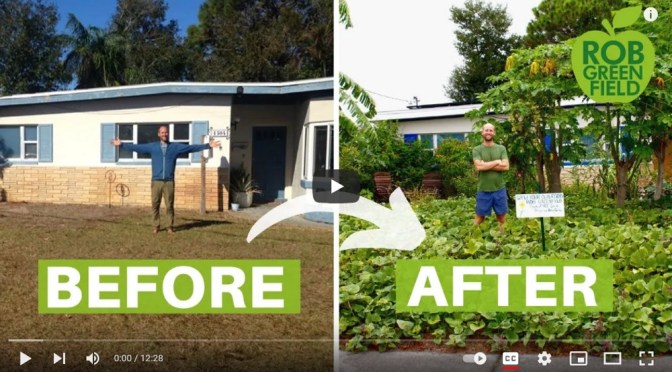
How to Turn Your Yard into a Garden | Grow Food Not Lawns

https://www.youtube.com/watch?v=Z_yFuVnL0us

Rob Greenfield 366K subscribers Today I’m walking you through some simple tips on how to turn your lawn or backyard into a productive vegetable garden to grow your own food! Gardening Guide for Beginners: http://robgreenfield.org/freeseedproj… Rob Greenfield’s Guide to Gardening for Beginners in Orlando, Florida: http://robgreenfield.org/grow/ Thank you to Live Like Ally Foundation for their partnership in making this video. To learn more about Like Like Ally Foundation visit: https://www.llafoundation.com/ “Like” Live Like Ally on Facebook: https://www.facebook.com/livelikeally… Follow @live_like_ally on Instagram: https://www.instagram.com/live_like_ally Meet Ally: http://www.youtube.com/watch?v=RhJoyz… Filmed and edited by John VonMutius http://johnvonmutius.com Rob Greenfield’s work is Creative Commons and this content is free to be republished and redistributed, following the terms of the creative commons Attribution-NonCommercial 4.0 license. Learn about Creative Commons and see the guidelines here: http://www.creativecommons.org/licens… — Rob Greenfield is an activist and humanitarian dedicated to leading the way to a more sustainable and just world. He embarks on extreme projects to bring attention to important global issues and inspire positive change. 100% of his media income is donated to grassroots nonprofits. His YouTube channel is a source to educate, inspire and help others to live more sustainable, equal and just lives. Videos frequently cover sustainable living, simple living, growing your own food, gardening, self-sufficiency, minimalism, off the grid living, zero waste, living in a tiny house and permaculture. Find Rob Greenfield on: Website: https://www.RobGreenfield.org Instagram: https://www.instagram.com/RobJGreenfield @RobJGreenfield Facebook: https://www.facebook.com/RobGreenfield YouTube: https://www.youtube.com/RobGreenfield Twitter: https://twitter.com/RobJGreenfield @RobJGreenfield — Help us caption & translate this video! https://amara.org/v/C0JNV/

WATCH AT THE LINK

5 Ways to QUICKLY become More Self Sufficient

WATCH AT THE LINK:
https://www.youtube.com/watch?v=pd0AklR4Mu

Self Sufficient Me 1.39M subscribers In this video, I give you 5 ways to QUICKLY become more self-sufficient! Support me on Patreon: https://www.patreon.com/selfsufficientme (the top tier $25 AU enables mentoring from yours truly via an exclusive VIP email where I will answer your questions etc ASAP). Using the links below also helps support my channel: Help support the Channel and buy a T-shirt/Merchandise from our Spreadshirt shop: https://goo.gl/ygrXwU or Teespring (below the video). Go here to get Birdies Raised Garden bed in the USA: https://shop.epicgardening.com/ and use SSME2020 for a 5% discount. Check out http://www.gardentoolsnow.com/ for tools I recommend to use. Shop on Amazon for plants or garden equip: https://bit.ly/2yRFNGQ Shop for plants or garden equip on eBay Australia: https://bit.ly/2BPCykb Blog: http://www.selfsufficientme.com/ (use the search bar on my website to find info on certain subjects or gardening ideas) Forum: http://www.selfsufficientculture.com Facebook: https://www.facebook.com/SelfSufficie… Twitter: https://twitter.com/SufficientMe Subscribe to my channel: http://goo.gl/cpbojR Self Sufficient Me is based on our small 3-acre property/homestead in SE Queensland Australia about 45kms north of Brisbane – the climate is subtropical (similar to Florida). I started Self Sufficient Me in 2011 as a blog website project where I document and write about backyard food growing, self-sufficiency, and urban farming in general. I love sharing my foodie and DIY adventures online so come along with me and let’s get into it! Cheers, Mark 🙂

Keeping the Snails and Slugs Away Naturally (Aly’s Self Sufficient)

LISTEN AT THE LINK:

https://www.youtube.com/watch?v=MjoJRQXZgyc

Oct 3, 2021

Aly’s Self Sufficient Using fire ash and pine needles 🙂 If you have other ideas of natural ways to repel slugs and snails let me know.

5 Fruit Trees that are too EASY to GROW in the Home Garden

WATCH AT THE LINK: https://www.youtube.com/watch?v=1_FUwWtxVz8

Self Sufficient Me 1.39M subscribers In this video , I give you my 5 top fruit trees that are too easy to grow in the home garden! Support me on Patreon: https://www.patreon.com/selfsufficientme Help support the Channel and buy a T-shirt/Merchandise from our Spreadshirt shop: https://goo.gl/ygrXwU or Teespring (below the video). Shop on Amazon for plants: https://bit.ly/2yRFNGQ Shop for plants on eBay Australia: https://bit.ly/2BPCykb Blog: http://www.selfsufficientme.com/ (use the search bar on my website to find info on certain subjects or gardening ideas) Forum: http://www.selfsufficientculture.com Facebook: https://www.facebook.com/SelfSufficie… Twitter: https://twitter.com/SufficientMe Subscribe to my channel: http://goo.gl/cpbojR Self Sufficient Me is based on our small 3-acre property/homestead in SE Queensland Australia about 45kms north of Brisbane – the climate is subtropical (similar to Florida). I started Self Sufficient Me in 2011 as a blog website project where I document and write about backyard food growing, self-sufficiency, and urban farming in general. I love sharing my foodie and DIY adventures online so come along with me and let’s get into it! Cheers, Mark 🙂

Image by Free-Photos from Pixabay

Watch several brave English policemen violently arrest a woman (traumatizing her children) for the crime of singing in her garden

Click on link below the image to watch the video

https://brandnewtube.com/watch/police-arrest-mother-for-singing-in-her-garden_BxZZk4eFbUVX24M.html?fbclid=IwAR0UabkFAbQlA-p7OS_2SVXdBPCs7TIrSFiLpqhLVEHd_OrbysAzIM84IeM

If you’re looking for additional protein, here’s the answer, straight from your veggie patch (Gordon Ramsay)

Thanks to Stuart Bramhall for this link … ❤

Gordon Ramsay visits a British snail farm and shows how to prepare ordinary garden snails for eating. The F Word’s bold, modern and mischievous take on the world of food combines location VTs, kitchen actuality, celebrity interviews, stunts and recipe based challenges to give the format its trademark energy, pace and visual richness and create waves in the food world and beyond. Season 2.


Image by Capri23auto from Pixabay

Teaching urban kids how to grow their own healthy food

1A green bronx

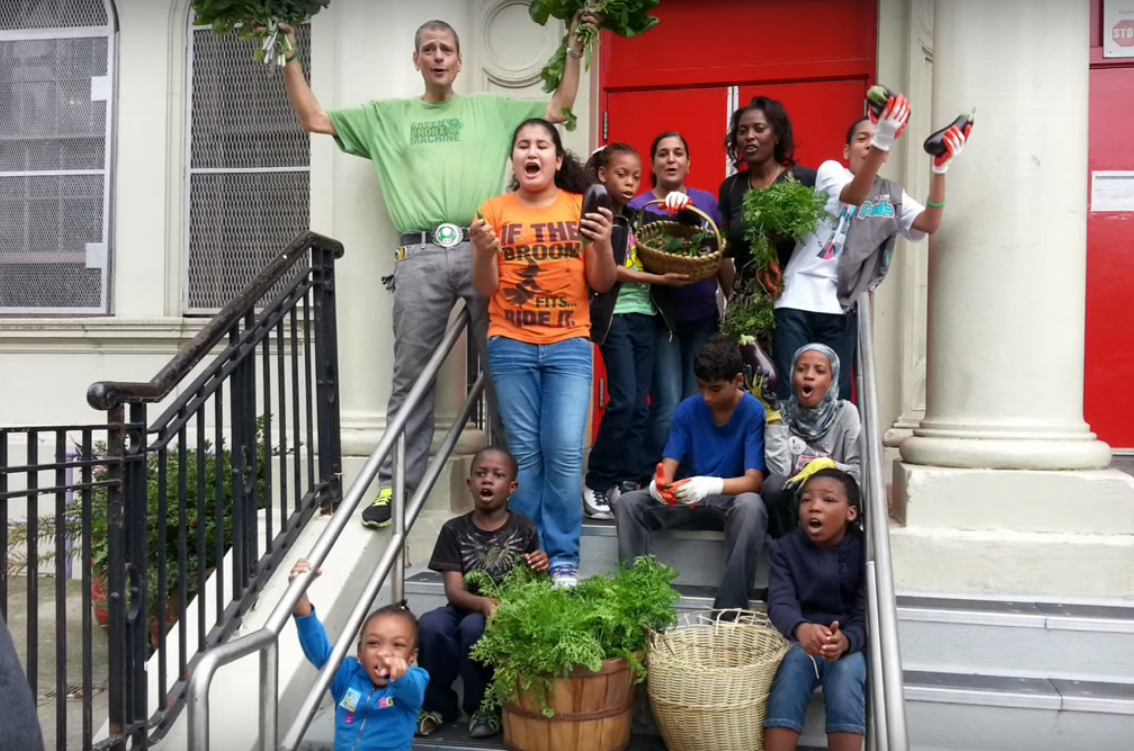
Stephen Ritz from the Green Bronx Machine is awesome. I won’t even begin to try & explain what he does but ‘transform’ is a hint, he transforms more than just the landscape … changing what he can’t accept in his neighbourhood. It’s actually about more than just food … watch and see. If this doesn’t inspire you to teach your family to grow their own healthy food I don’t know what will …  EnvirowatchRangitikei

Published on Mar 17, 2015

Stephen’s extended student and community family have grown more than 30,000 pounds of vegetables in the Bronx while generating extraordinary academic performance. Affectionately known as America’s Favorite Teacher and The Pied Piper of Peas, Stephen is the Founder of Green Bronx Machine and is now focusing his energy and attention upon building the National Health and Wellness Center at PS 55, a national prototype STEM facility complete with an indoor vertical farm producing 100 bags of groceries per week and adult workforce development center. His students recently hosted White House Chef Bill Yosses and Clinton Foundation Global Ambassador Reed Alexander cooking vegetables they grew in school. Stephen Ritz is a South Bronx educator who believes that students shouldn’t have to leave their community to live, learn, and earn in a better one. Self-proclaimed CEO (Chief Eternal Optimist) of Bronx County, Stephen has moved generations of students into spheres of personal and academic successes they have never imagined while reclaiming and rebuilding the Bronx. This talk was given at a TEDx event using the TED conference format but independently organized by a local community. Learn more at http://ted.com/tedx
Photos: screen shots from the video by TEDx

Your essential food: are you checking what’s in it and where it came from?

gardens
(Photo Credit: civileats.com)

Food was something up until the 1940s folk just grew out in the back yard … supermarkets were a new invention. Still, many gardeners kept going well into the 1970s, and growing your own food is currently making a huge come back. I recall as a child, unlike in today’s supermarkets, the shop owners went out back and got all the items on your list and put them in a brown cardboard box or paper bags. We also collected raw milk in a billy from the local Dairy and drank it, and believe it or not one of us died from doing that. Neither did I ever hear one report of food poisoning from raw milk. Today our milk is so heated and treated and added to, much of the nutrients have disappeared, and sadly, some countries have banned raw altogether. Check out the health benefits of raw milk:                                                                                                   http://www.raw-milk-facts.com/raw_milk_health_benefits.html  http://www.drdeborahmd.com/health-benefits-raw-milk

1488179_786786494710298_2200913099515032930_n
(Photo Credit: Food Not Lawns)

I recall as a child, every morning around 5 am awakening to the sound of my father chipping away the weeds in his vegetable garden just outside my window, before breakfast and the working day. He grew everything we ate. And he didn’t spray our vegetables with anything either. He also saved the seed from one plant that he left for that purpose and of course there was an abundance for next season and the neighbours. Nature supplies abundantly although Monsanto would have us believe that GE crops can do better.

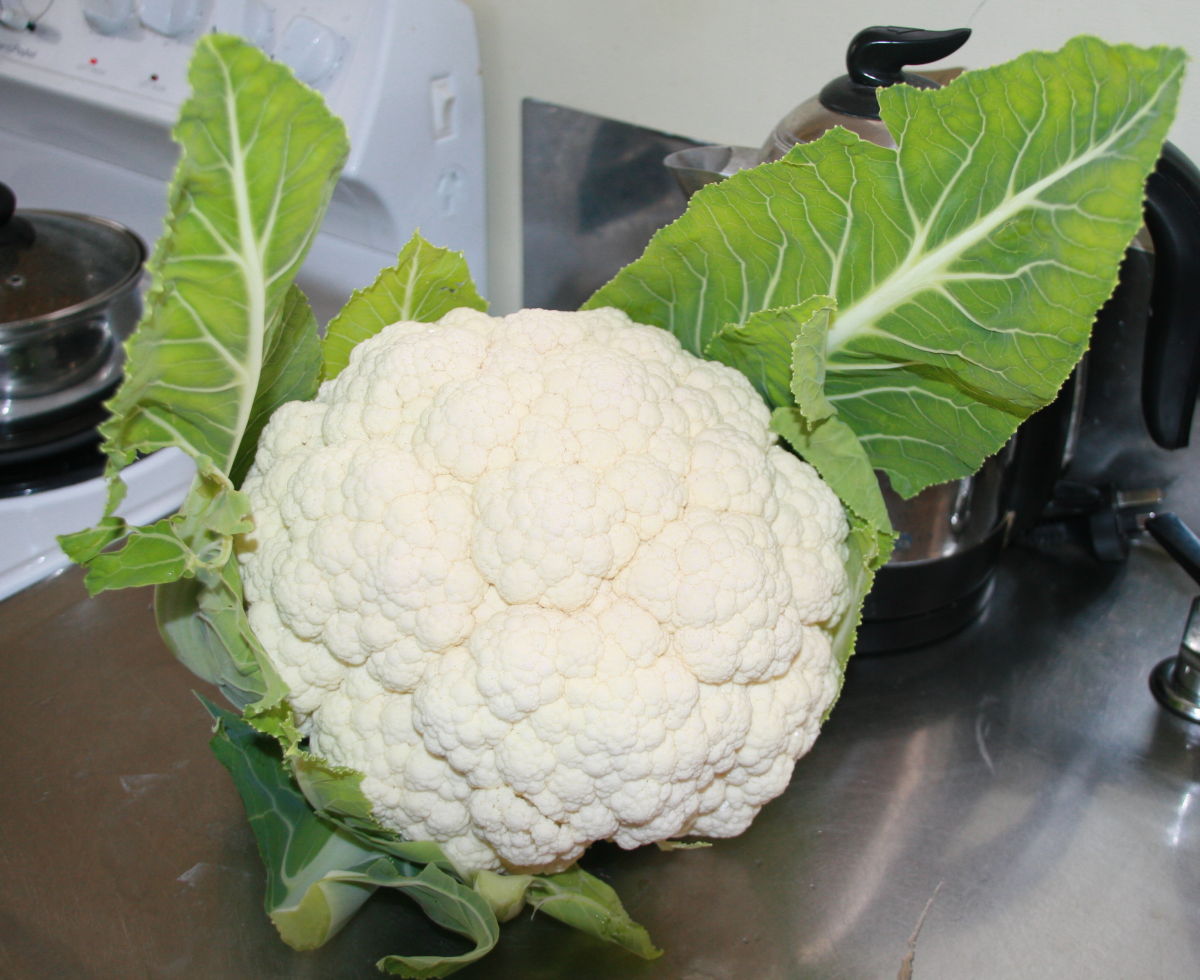
Cauli, straight from the garden

(They recently tried suing the Guatemalan people for saving their seed, something they’ve done for hundreds of years). Corporations back in the day had not gotten blatantly greedy enough yet to patent seeds. They have now of course and are busy gobbling up all the companies to tighten their hold on humanity. Then there’s the Food Bill that aims to stop all this sharing and caring by passing our veg over the back fence. What a blasphemy to humanity this is. (A note on the Guatemalan fiasco, this is due to a trade agreement a … think TPPA … the signs are on the wall).

Read more

EnvirowatchRangitikei