Tag Archives: fungus

HOUSEHOLD ITEMS THAT ARE USEFUL IN THE GARDEN (Wally Richards)

There are a number of items that can be used in your garden to the benefit of plants.

For instance a year ago I wrote the article about using Apple Cider Vinegar on fruit trees to increase their performance and to reduce disease problems.

The formula is 250mil Apple Cider Vinegar (ACV) mixed with 5 litres water in a 5 litre sprayer.

Spray the mix in the evening when the sun has just gone off your trees or plants, so the sun isn’t heating/burning leaves through the liquid spray droplets on them, and there’s time for the spray to dry before nightfall..

Spray the whole tree, vine or plant.. under and over leaves, the trunk, branches, twigs, fruit everything..

This will also feed the tree through the leaves (when they are there for deciduous trees) as a foliage food.

Baking Soda applied at a tablespoon per litre of water with Raingard added is good to prevent some fungus diseases such as black spot. (Don’t use on calcium sensitive plants)

Baking Soda can be sprayed over the foliage of oxalis to dehydrate the leaves. Oxalis to sensitive to calcium.

It does not affect the bulbs below but regular spraying of baking soda will keep the garden free of the oxalis foliage without affecting other plants.

To deal to the bulbs in the soil, mix Wallys Super Compost Accelerator at 200 grams per litre of water and water liberally over the foliage down into the soil to compost the bulb and bulblets.

Then there is table salt which can be sprinkled on weeds to kill them which is ideal on pavers and where you dont have other plants growing.

Cooking oils and vinegar can also be sprayed onto weeds in full sun light to dehydrate the foliage and kill annual weeds.

Condys Crystals, (potassium permanganate) a quarter tea spoon per litre of water with or without Raingard to control leaf diseases such as black spot, rust and curly leaf.

Sunlight Bar Soap (big yellow bar) lathered up in water to spray over aphids and soft body insects to kill them. (The fatty acids breaks down their soft bodies)

Dish washing liquid lathered up in warm water to break surface tension to allow water to penetrate.

Aspirin: in plants, just like in mammals, salicylic acid helps them cope with stress and disease. By adding Aspirin to the water, gardeners are hoping to help their plants cope with problems and grow faster and stronger.

The acid is effective on plants because many plants produce it themselves in tiny amounts. Plants produce this acid when stressed or fighting disease. Feeding them a greater supply of the acid proves beneficial. Giving the plant too much aspirin can have a negative effect as it can burn its leaves.

Dissolve 250mg to 500mg of aspirin in 4.5 liters of non chlorinated water and spray plants two to three times per month.

Similarly soak the leaves of willow trees in water for a week or more and use that as a spray as you would the aspirin. Willow water is ideal also for putting cuttings in to help them form roots quicker.

All great uses and here is the most interesting one of all:

Hydrogen peroxide 3%.

I read about this some years ago and it was again brought to my attention recently.

Hydrogen peroxide, well known as an ingredient in disinfectant products, is now also approved for controlling microbial pests on crops growing indoors and outdoors, and on certain crops after harvest.

This active ingredient prevents and controls bacteria and fungi that cause serious plant diseases.

Adding hydrogen peroxide to water promotes better growth in plants and boosts roots ability to absorb nutrients from the soil.

Diluted 3% peroxide adds needed aeration to the soil of plants and helps control fungus in the soil.

It acts as an insect pest deterrent and kills their eggs.

Ideal on brassica leaves for white butterfly eggs this time of the year.

I used 3% Hydrogen peroxide with Magic Botanic Liquid added on tomato and chili plants in my glasshouse and there was reduced actively within a couple of days.

A spray every 2-3 days is ideal for control or once a week or 2 weekly as a preventive.

I see on the Internet that the 3% should be further reduced with water such as 1:1 so if using 3% strength it would pay to do a test spray on a small area of foliage on each type of plant and see if there was any adverse reactions before using at 3% over whole crop or plant.

Ideal this time of the year to reduce pest number going into the winter.

I see the best use is in glasshouses where the product does not get washed away with rain.

Use out doors over and under foliage and you may need to reapply after rain.

Happy Gardening.

For your information I have the 3% hydrogen peroxide available to order thought our mail order web site at www.0800466464.co.nz

It is in the Pest Control section. (Listing will be on the web site with pictures later on today (Sunday 19th April.)

We have a one litre Trigger Spray Bottle Ready to Use with 3% Hydrogen Peroxide and Magic Botanic Liquid spray for $12.50

A one litre refill for the above for $8.00

and a 5 litre ready to use for $40.00

Of course you being subscribed to these Newsletters have a 10% discount off the above as with most of our gardening products.

If you have not used the Mail Order web site previously please tell me when I phone you to sort out payment method and freight that you have 10% off

Regards
Wally

Phone 0800 466464
Garden Pages and News at www.gardenews.co.nz
Shar Pei pages at  www.sharpei.co.nz
Mail Order products at www.0800466464.co.nz


New Zealand Bill of Rights Act 1990. Part II of the Act covers a broad range of Civil and Political Rights. As part of the right to life and the security of the person, the Act guarantees everyone:

1The right not to be deprived of life except in accordance with fundamental justice (Section 8)

2The right not to be subjected to torture or to cruel, degrading, or disproportionately severe treatment or punishment (Section 9)

3The right not to be subjected to medical or scientific experimentation without consent (Section 10)

4The right to refuse to undergo any medical treatment (Section 11)

 Furthermore, the New Zealand Bill of Rights Act 1990 guarantees everyone: Freedom of Thought, Conscience, and Religion.
This includes the right to freedom of thought, conscience, religion, and belief,
INCLUDING THE RIGHT TO ADOPT AND HOLD OPINIONS WITHOUT INTERFERENCE (Section 1)
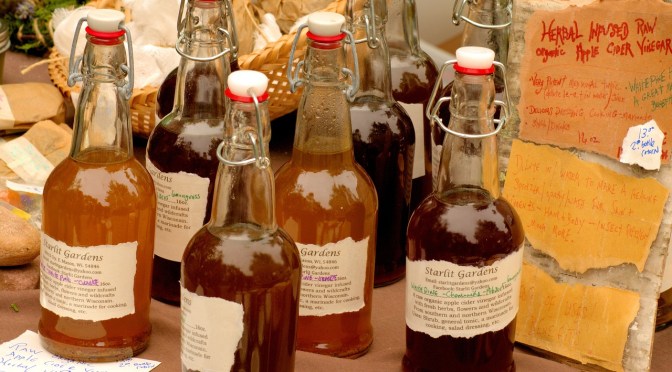
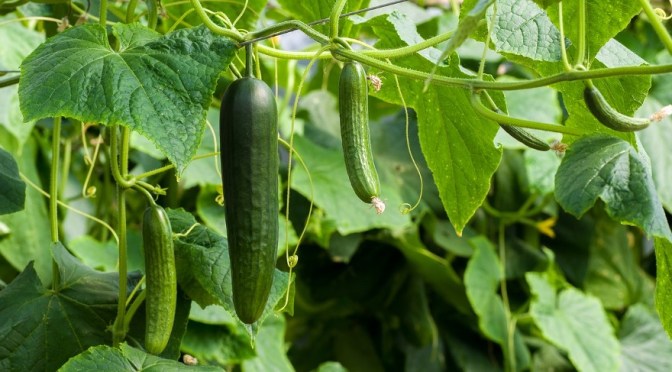
Image by Maya A. P from Pixabay

APPLE CIDER VINEGAR FOR FUNGAL DISEASES IN THE GARDEN (WALLY RICHARDS)

A reader and keen gardener sent me an email recently about using apple cider vinegar in your garden to prevent and control fungus diseases.

Someone shared it with him and so now I will share it will all my readers.

“Hi Everyone.

I use Apple Cider Vinegar to keep fungal diseases away, including brown rot, curly leaf, black spot, powdery mildew, bladder plum, sooty mould, scab, allium rust (for garlic, onions, shallots), etc..

For fruit trees, vines, and plants..Vegetables and herbs, including garlic..Also for roses and other ornamentals

I’ve been doing this since 2009 for my stone and pip fruit trees, berry and grape vines, citrus, garlic, shallot and vegetable plants throughout my large Garden.. and including for roses..

Vinegar kills mould – which fungal species are.

It also prevents mould growing back in places that are prone to having fungal problems, so helps avoid ongoing fungal problems.

I use 250mil Apple Cider Vinegar (ACV) mixed with 5 litres water in a 5 litre sprayer I keep just for ACV..

I spray the mix when fruit tree buds are only just beginning to show in Spring as small bumps.

I don’t spray when blossoms are showing, leaving them to bees, bumblebees and other little critters for pollination..

Once blossoms have finished, I spray fortnightly on the fruit trees and plants which are prone to fungal problems.. ie, brown rot on stone fruit, sooty mould on citrus,

black spot on roses, rust on aliums, etc.

I stop once all the fruit on each tree are harvested, ie: Billington Plums finish in early January here in the Eastern Bay of Plenty, so I stop then..

Boysenberries finish late January here, stopping then.. Niagara Grapes, finish mid February here, stopping then..

Omega Plums finish late February here, stopping then.

Spray the mix in the evening when the sun has just gone off your trees or plants, so the sun isn’t heating/burning leaves through the liquid spray droplets on them, and there’s time for the spray to dry before nightfall..

Spray the whole tree, vine or plant.. under and over leaves, the trunk, branches, twigs, fruit everything..

This will also feed the tree through the leaves (when they are there for deciduous trees) as a foliage food.

I do this for all my fruit trees, vines and plants.. stone and pip fruit, citrus, grapes, berries, including strawberries, plus for garlic, shallots, onions, courgettes, cucumbers, pumpkins, tomatoes, roses, etc..

No need for gloves or coverings as it’s good for us too..

I keep a 5 litre sprayer filled with the ACV and water mix, so I can pick it up, pump it to build pressure, and I’m ready to spray this mixture that is good for my Garden..

(Thats a good tip as you can leave in the sprayer what is not used for next time and if you are going to follow this advise, using apple cider vinegar a separate sprayer for this purpose is a good investment)

The ACV mix works as a foliage food through the leaves.. with that feeding them, plus fungal problems not being an issue, the trees, vines and plants grow strongly..

a healthy, strong tree or plant will repel disease.. maybe repel insects like whitefly and vine hoppers, etc, etc, too..

It’s interesting.. I’m continuing to observe.. This is why I use ACV throughout my Garden, and have continued since trialing with it in 2009..

Decided to try ACV due to the goodness of the apples that it’s made with, had excellent results and have continued since for brown rot,

black spot, curly leaf, allium rust, sooty mould, powdery mildew, etc… all the fungal problems that occur often in our NZ gardens..

When my trees were producing well, I contacted the head tutor of the horticulture course at the local polytech, asking if I could swap a box of freshly picked Golden Queen Peaches in exchange for him showing me how to Summer prune. He also has a 6 acre home orchard.

I showed him around my garden.. he kept saying, how have you got your trees so healthy.

I told him about using the ACV mix and why.

As he left, he picked a Golden Queen Peach out of the box, bit into it, said, now that’s how a Golden Queen should taste and I’m off home to start using Apple Cider Vinegar throughout my garden.

Also – ACV for cats: I add 1/4 teaspoon of ACV to our cats food each morning – have done this since March 2019 – no fleas, and they have shiny soft fur..

None of the awful monthly flea treatment that distressed them every time and sent them running from the house to try to get away from it. ” END

Sometimes it is the simple things that we forget about or more likely do not know about and can be very surprised when found to work.

I have now added a 2 litre Apple Cider Vinegar to our mail order web site in the Disease control section so that when you are ordering your other garden bits you can add in this well priced product.

(No point in paying for the expensive stuff as this will do the job.)

Happy Gardening…..

Not wanting to be a Doom sayer but warnings and preparations can save a lot of grief in time to come.

A link that maybe of interest.. https://usawatchdog.com/going-to-get-bad-really-bad-david-morgan/

Phone 0800 466464
Garden Pages and News at www.gardenews.co.nz
Shar Pei pages at  www.sharpei.co.nz
Mail Order products at www.0800466464.co.nz

How to deal with powdery mildew and other diseases in your garden (Wally Richards)

This is the time of the year that the disease called Powdery Mildew will attack a number of plants in your garden.

Powdery mildew is a common fungus that affects a wide variety of plants. It is easily identified and appears as light grey or white powdery spots usually found on infected leaves, but can also be found underneath, or on stems, flowers, fruit or vegetables.

Powdery mildew, mainly caused by the fungus Podosphaera xanthii, infects all cucurbits, including zucchini, squash, cucumbers, gourds, watermelons and pumpkins.

Powdery mildew infections favor humid conditions with temperatures around 20-27° C so recent rains and warm temperatures have been the cause of what we now see in our gardens.

A little early this season as it more often appears with the autumn rains in March and April. Being early means a problem in obtaining the maturity of some crops such as pumpkins.

Unlike some other diseases, powdery mildew spores do not live in the soil, but rather are transferred from plant to plant by the wind …

If possible, plant cultivars that are resistant to powdery mildew and be sure to rotate crops in your vegetable garden.

I always describe diseases and insect pests as the cleaners of Nature, helping to take out the weak plants and contributing to their demise at the end of the season.

But when a disease such as powdery mildew strikes before the end of the season it means you may not get the best out of infected plants before they fail completely.

Pumpkins and zucchini will stop growing as they cannot gather energy from the sun when their leaves are covered with the powder.

That means their fruit may not mature and thus be wasted.

My easy solution is to spray the affected foliage with Wallys Super Neem Tree Oil; it instantly turns the leaf back to green and allows the plants to carry on for a while longer.

Only spray at the end of the day when the sun is off the plants as oil and sun/UV become a weed killer and you would burn the leaves.

One reader this week from up Auckland way asked about when he could spray his peaches for brown rot as he has been spraying the fruit every week with Wallys Super Neem Oil and Raingard for preventing the guava moth maggots from entering the fruit. An interesting dilemma as the oil will have an adverse reaction with the sprays needed to control brown rot in stone fruit.

My recipe for brown rot is a combination of Wallys Liquid Copper, potassium permanganate, spray-able sulphur with Raingard added.

If you have brown rot problems then that spray program should be started after the fruit have formed and reached about half their full size.

No need to spray the tree just the fruit to protect them as they head to maturity. Spray two-weekly till harvest.

One gardener that reported back to me about 2 years ago said that he was able to obtain about 90% of his crop from using the program.

He also thought that because he missed one 2 weekly spray in the middle because he had to go away, it may otherwise have been 100% successful.

The previous season all his fruit was lost which is a good indication how successful the combined sprays are.

Another disease that could be appearing on the trunks of your tomato plants at this time is a fungus growth, grayish in colour, that is going to kill your plants.

The cause of the disease is the insect pest, tomato/potato psyllid.

The nymphs when feeding on the foliage inject a toxin into the plant which will cause the fruit to be smaller, the leaves to turn yellow and drop and the death of the plants.

There is only one solution that is 100% effective for all plants which are hosts to the psyllid and that is Wallys Cell Strengthening spray/drench program.

Three components ; Wallys Silicon and Boron soil drench which is applied prior to or at planting time and again two weeks later.

By the way some gardeners have told me that they have use the drench on other plants which has resulted in very healthy strong plants.

This is likely due to the boron aspect as well as the silicon and boron deficient soils will prevent some plants from preforming as well as they could. Avocados and cauliflowers are two that come to mind.

There is on our mail order website a natural slow release boron you can use in your gardens every couple of years or so. The Cell Strengthening spray with the Super Spreader that drives the former into the plant should be applied weekly while the plants are growing.

If your tomatoes are failing and you can get some Russian Red seedlings plant them out with the strengthening products as it is not too late to get them going for some late cropping.

Feed them with Wallys Secret Tomato food with Neem granules and add the Magic Botanic Liquid to the Cell Strengthening sprays.

Happy Gardening.

Photo: Sweetaholic @ pixabay.com