Tag Archives: Fruit

DEALING WITH SUMMER PESTS IN THE GARDEN (Wally Richards)

Gardening should be a pleasant pastime and not just another chore that has to be done. If you find it a chore then maybe there are too many things you are doing and the pleasure of working with plants and the soil is lost.

There are things that we gardeners must do to keep everything growing healthy and looking good. I am always are looking for ways to do tasks quickly and simply so more time can be spent doing the gardening things that give satisfaction and gratification. Enjoyment comes from preparing an area and planting it with seeds or seedlings then watching them develop and grow for harvesting to eat or flower to enhance your home.

Summer time temperatures allow pest insects to multiply quickly and infest your plants. If their populations become too great then it is a real chore to try and get them under control. In fact it is better to start control methods as early as possible making life easier in the long term. By spreading Wallys Neem Tree Granules over the soil under trees, shrubs and established plants will greatly help reduce and prevent insect populations building up. There are soil pests that we don’t see which are feeding on the roots of plants, sapping the plant’s energy causing loss of vigor. Mealy bugs, root nematodes, grass grubs and slaters can be controlled and eliminated by scattering the Neem Granules in the plant’s root zone. Gardeners and Landscapers often comment to me that a few weeks after applying the Neem Granules the plants are looking much better. Simple reason is the pests feeding on the roots have gone and the plants are happy. Wallys Neem Granules can be used around your roses, vegetable plants and flowering annuals.

Wallys Neem Tree Powder which is the same as the granules just a smaller, even particle size are ideal to use in the planting hole of seedlings, along with sowing of seeds and in particular with carrot seeds to prevent carrot fly damage. With carrots you side dress to row when the carrot tops are a few centimeters tall as well as when sowing the seeds. Container plants are often a home for mealy bugs which feed on the roots and later come upstairs as adults to feed on the foliage.  The ones on the foliage are easy to control with Wally Super Pyrethrum but you need to place Neem Powder on top of the growing medium. As the powder breaks down it will develop grey mould which is the natural breakdown happening. It is unsightly so after applying the powder cover with a little growing medium. Out of sight, out of mind. If you want a top quality lawn then it is a good idea to sprinkle Wallys Neem Tree Powder over the lawn at a rate of 50 grams per Square Metre.  If your lawn is infected by grass grubs each year then in Autumn when the autumn rains have moistened the soil you spread the Neem powder over the lawn after it has been recently cut. Then lightly water the area to wash the powder down off the grass onto the soil. If you have a roller then its a good idea to roll the lawn to press the powder into the soil.

When you find there are pest insects on any of your plants outdoors you can make up a spray using Wallys Super Neem Tree Oil with Wallys Super Pyrethrum added. Just on dusk when the bees have stopped working for the day you spray the plants under and over the foliage.  The pyrethrum is a quick knock down and it will kill the flying insects such as white fly and leaf hoppers. The Neem Oil will, as an anti-feedent on the foliage, stop the pests feeding on the plants after which they will starve to death in a few days. Often gardeners find that the sprays work, but it is only a short time before the insect pests are back. The reason being is they are on other plants in the area and re-infesting back onto your treated plants. You need to spray the other plants they are coming from. If those plants happen to be over the fence then that is a problem that can only be solved with winter or you getting the ok from the neighbor (who likely is not a gardener) to spray their plants as well.

Gardeners that live in the country and have possums, rabbits and hares to contend with can do the following: plants that are been eaten spray with Wallys Neem Tree Oil just before dark. Wallys Neem Tree oil being the real thing and not some vegetable oil with the Neem properties added, has a horrible taste which with its smell will deter possums and rabbits. Once you find that the varmints have stopped eating your plants then instead of having to respray to keep control and keep them away, simply scatter Wally Neem Tree Granules around and the smell of them should keep your plants safe. A point when using the spray mix of Wallys Neem Oil and Pyrethrum and you have unused spray then you can pour the left over liquid into a container and store in a dark cupboard. Rinse the sprayer out thoroughly jetting some clean water through the nozzle to be sure all the spray has gone. Next time you use you can take the stored spray and if need be add more of the products and water.

To look after the soil and the beneficial microbes plus fungi that live in the soil which help our plants feed and grow, mix Wallys Super Fish Fertiliser with Wallys Mycorrcin in a watering can and water the area around or over your preferred plants such as vegetables, fruit and roses. This will help to greatly increase the soil life (as long as you are not watering with chlorinated tap water). Here is an interesting possibility: as the combination of the fish fertiliser and Mycorrcin has a distinct smell you could try spraying the mix over fruit trees when the birds are attacking the fruit. A product that used to be available years ago from Canada called Alaska Fish Fertiliser which had quite a smell to it did deter birds from ripening fruit. If you find it successful let me know.

TWENTY FIVE PERCENT OFF SALE

Till the end of January we are discounting the following products by 25% to help you gain control of Insect pests and improve your soil quality.

Orders must be placed on www.0800466464.co.nz using the Code 25% in the remarks place.

I will phone you after receiving the order and deduct the 25% off the items below and also give you 10% off most other items except for bulk items.

FREIGHT: shipping charged on orders under $100 (After discounts) North Island In other words order of $100 plus after discount and not bulk items free shipping.

South Island $150.00 plus after discounts for free shipping.

Exception is for Rural delivery a charge of $3.15 on each parcel sent no matter if rest is free shipping or not.

Here are the 25% discount items:

Wallys Neem Tree Granules 1kg normal price $15.00 save $3.75 making it $11.25

Wallys Neem Tree Granules 3kg normal price $28.00 save $7.00 making it $21.00

Wallys Neem Tree Granules 10kg normal price $80.00 save $20.00 making it $60.00

Wallys Neem Tree Granules 20kg normal price $160.00 save $40.00 making it $120.00

Wallys Neem Tree Powder 1kg normal price $15.00 save $3.75 making it $11.25

Wallys Neem Tree Powder 3kg normal price $28.00 save $7.00 making it $21.00

Wallys Neem Tree Powder 10kg normal price $80.00 save $20.00 making it $60.00

Wallys Neem Tree Powder 20kg normal price $160.00 save $40.00 making it $120.00


Wallys Super Neem Tree oil 125 ml normal price $18.00 save $4.50 making it $13.50

Wallys Super Neem Tree oil 250 ml normal price $24.00 save $6.00 making it $18.00

Wallys Super Neem Tree oil 1 litre normal price $60.00 save $15.00 making it $45.00


Wallys Super Pyrethrum 100 ml normal price $28.00 save $4.20 making it $23.80


Wallys Super Fish Fertiliser 1Litre normal price $16.00 save $4.00 making it $12.00

Wallys Mycorrcin 250ml normal price $20.00 save $5.00 making it $15.00

Wallys Mycorrcin 500ml normal price $35.00 save $8.75 making it $26.25

Wallys Mycorrcin 1 Litre normal price $55.00 save $13.75 making it $41.25

Orders must be placed on www.0800466464.co.nz using the Code 25% in the remarks place.

Phone 0800 466464
Garden Pages and News at www.gardenews.co.nz
Shar Pei pages at  www.sharpei.co.nz
Mail Order products at www.0800466464.co.nz

New Zealand Bill of Rights Act 1990. Part II of the Act covers a broad range of Civil and Political Rights. As part of the right to life and the security of the person, the Act guarantees everyone:

1The right not to be deprived of life except in accordance with fundamental justice (Section 8)

2The right not to be subjected to torture or to cruel, degrading, or disproportionately severe treatment or punishment (Section 9)

3The right not to be subjected to medical or scientific experimentation without consent (Section 10)

4The right to refuse to undergo any medical treatment (Section 11)

 Furthermore, the New Zealand Bill of Rights Act 1990 guarantees everyone: Freedom of Thought, Conscience, and Religion.
This includes the right to freedom of thought, conscience, religion, and belief,
INCLUDING THE RIGHT TO ADOPT AND HOLD OPINIONS WITHOUT INTERFERENCE (Section 1)

For other gardening posts see ‘gardening’ in categories (left side of page)

Check out our sister site truthwatchnz.is for other news

Photo: pixabay.com
Time to plant new season’s strawberries (Wally Richards)

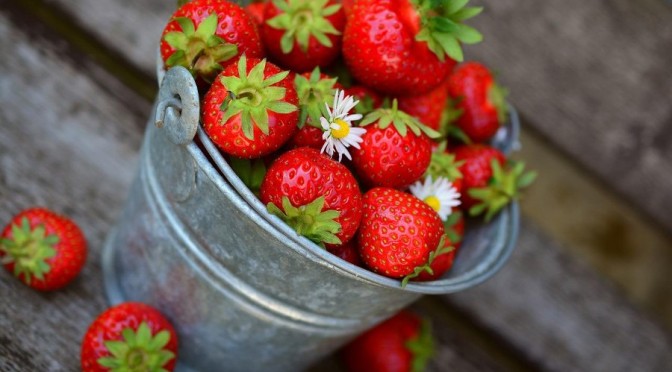
New seasons strawberry plants are now available in garden centres. The nurseries that grow the plants lift them after the autumn rains have moistened the soil sufficiently, then they are distributed to garden centres.

I find that the sooner you can get your new strawberry plants into their new beds the better results you have in the first season.

Like all things planted it is root establishment that is so important.

When planting place about a teaspoon of Unlocking Your Soil in the planting hole with a pinch of BioPhos for each strawberry plant.

Gardeners with existing beds of strawberries will likely have a number of runners that have rooted in nicely, these can be used for new season plants..

If the existing strawberry bed is not congested with old and new plants and there is ample room still for all the plants to grow and produce, then you can get away with not lifting the runners or only lifting those that are too close to existing plants.

Strawberries are easy to grow and can be grown in open ground or containers.

In open ground the most practical way is to make a bed with wood surrounds 16 to 20 cm tall and have a hinged frame over the bed that has either plastic bird netting or wire netting over the lid.

The whole frame needs to only sit on the soil so it can be moved if required.

If using tanalised timber for the surround then after cutting to size; paint all the wood with a couple of coats of acrylic paint to prevent chemicals leeching into the soil.

Strawberries can be grown in troughs about 16 to 20 cm wide and similar depth then as long as required. I like to hang these off the top rail of a fence.

Special strawberry planters made from clay or plastic are not very good and your results are likely to be poor. (Thats the types where plants are placed in holes around the container as well as on top.)

Polystyrene boxes with holes in the bottom are also ideal containers for good crops if they have a rooting depth of 15cm or more.

The growing medium should be a good compost such as Daltons or Oderings to which you can add untreated sawdust and a little clean top soil or vermicast. (Worm casts from a worm farm)

A mix of about 75% compost, 20% sawdust and 5% vermicast is good value.

Mix the above in a wheelbarrow then place a layer of the mix 5 cm deep in the base of the trough or container.

Now sprinkle a layer of chicken manure, some potash, BioPhos, Unlocking Your Soil and Ocean Solids. Horse manure is also very good.

If you do not have chicken manure available use sheep manure pellets and blood & bone.

Cover with more compost mix to a depth suitable for planting your new strawberry plants.

A similar process can be applied to a open bed with a frame, though the frame height may need to be taller than previously suggested.

Ensure that the soil at the base of the frame is free of most weeds and then place a layer or two of cardboard over the soil. This will help prevent weeds from coming up in the bed, then fill as suggested.

There are a number of different varieties of strawberry plants available to the home gardener, sometimes the older varieties such as Tioga and Redgaunlet (both are hard to come by now replaced with the newer varieties such as Chandler, Pajaro and Seascape.

Different varieties will do better or worse in different climates so choose the ones most suited to your area of the country.

Strawberry types include:

Strawberry Baby Pink ™ Producing stunning beautiful pink flowers followed by small to medium red fruit with sweet traditional flavour. Large bunches of berries ripening over a long period.

Habit – Compact strong growing strawberry. Size – Give these small to medium plants close spacing.

Pollination – Self-fertile. Unknown if short day, neutral or long day type.

Strawberry Camarosa; Large to very large medium dark red fruit. Firm medium red flesh with excellent flavour. Conical shape.

High resistance to wet weather. Habit – Suitable for Northern and Central districts. Vigorous growth habit.Size – Give these vigorous plants wide spacing.

Pollination – Self-fertile. Short day type – flowers are initiated by short day lengths.

Harvest – Fruit ripen 20-35 days from flowering depending on climate, with light crops in early summer, followed by a main crop in December – January. Yield is very good.

Strawberry Chandler; Small to very large medium red fruit. Firm light red flesh with very good flavour. Conical shape. High resistance to wet weather.

Habit – Suitable for Northern and Central districts. Multi-crowned growth habit.

Size – Give these multi crowned plants medium spacing. Pollination – Self-fertile. Short day type – flowers are initiated by short day lengths.

Harvest – Fruit ripen 20-35 days from flowering depending on climate, with light crops in early summer followed by a main crop in December – January. Yield is very good.

Strawberry Sundae ™ Large red fruit with excellent flavour. Firm red flesh in an oval shape.

Habit – Suitable for Northern and Central districts. Vigorous growth habit. Size – Give these vigorous plants wide spacing.Pollination – Self-fertile. Short day type – flowers are initiated by short day lengths.

Harvest – Fruit ripen 20-35 days from flowering depending on climate, with light crops in early summer followed by a main crop in December – January. Yield is average.

Strawberry Supreme ™ Very large bright red fruit. Very firm red flesh with excellent flavour. Conical shape. Good resistance to wet weather. Habit – Suitable for Northern and Central districts.

Moderately strong growth habit. Size – Give these small to medium sized plants close spacing.

Pollination – Self-fertile. Short day type – flowers are initiated by short day lengths.

Harvest – Fruit ripen 20-35 days from flowering depending on climate, with light crops in early summer followed by a main crop in December – January. Yield is very good.

Strawberry Temptation™ Medium bright red shiny fruit with excellent flavour. Pale firm flesh.

Habit – Compact strong growing strawberry. Tough and resilient in relation to pest and diseases.

Size – Give these medium plants close spacing.

Pollination – Self-fertile. Only NZ bred Day Neutral strawberry which means they will set fruit regardless of how long or short the days are making this an ideal fruiter national wide.

Will extend the North Island season. Harvest – Consistent high yields of berries ripening over a long period from October to March.

To enhance your strawberries and increase the crop yields by 200 to 400% drench the bed with Mycorrcin after planting and repeat again in a couple of months time.

 Spray the plants with Mycorrcin every two weeks till end of season. Make up in a trigger sprayer it keeps so leave by strawberry bed and spray as required. MBL can be added to the spray.

For bigger berries you may like to try Wallys Secret Strawberry Food.

Special this week till next Sunday

one 250ml Mycorrcin $19.00 and one 1kg Wallys Secret Strawberry Food $18.00  Total $37.00 with free shipping on this to your home saving you $8.50 shipping fee

Both products can be used on other flowering and fruiting plants.

Order at www.0800466464.co.nz  put on WEEKLY SPECIAL in remarks box and I will phone you in regards to payment method.
Phone 0800 466464
Garden Pages and News at www.gardenews.co.nz
Shar Pei pages at  www.sharpei.co.nz
Mail Order products at www.0800466464.co.nz


New Zealand Bill of Rights Act 1990. Part II of the Act covers a broad range of Civil and Political Rights. As part of the right to life and the security of the person, the Act guarantees everyone:

1The right not to be deprived of life except in accordance with fundamental justice (Section 8)

2The right not to be subjected to torture or to cruel, degrading, or disproportionately severe treatment or punishment (Section 9)

3The right not to be subjected to medical or scientific experimentation without consent (Section 10)

4The right to refuse to undergo any medical treatment (Section 11)

 Furthermore, the New Zealand Bill of Rights Act 1990 guarantees everyone: Freedom of Thought, Conscience, and Religion.
This includes the right to freedom of thought, conscience, religion, and belief,
INCLUDING THE RIGHT TO ADOPT AND HOLD OPINIONS WITHOUT INTERFERENCE (Section 1)

The Dirty Dozen & Clean Fifteen: The Most & Least Pesticide-Contaminated Fruits and Vegetables

From foodrevolution.org

Summary

Organic fruits and vegetables cost more than conventional ones — sometimes a lot more. But if you want to avoid pesticide exposure, is it always necessary to choose organic? Or are some conventional fruits and veggies less contaminated? In this article, we go in depth into the Environmental Working Group’s US-based report on the 12 dirtiest and 15 “cleanest” items of produce, to help you make smart decisions to protect yourself and your loved ones from harmful pesticides.

The agricultural industry is addicted to pesticides, and the entire world is paying the price. The US Environmental Protection Agency (EPA) reports that global pesticide use in 2012 amounted to approximately six billion pounds. Unfortunately, they haven’t published a report since then, but the number likely hasn’t improved and may have gotten worse.

While the term “pesticide” implies that these chemicals target and kill “pests,” a better name would be “biocides” (destroyers of life) because they do a lot more than poison pests.

Pesticides poison insects and pollinators; contaminate soil, water, and air; and can cause harm to farmworkers, agricultural communities, and people who eat produce sprayed with pesticides.

[Read More: Pesticides in Food: What You Should Know and Why it Matters

How common is it for US produce to have pesticide contamination? “Nearly 75% of nonorganic fresh produce sold in the US contains residues of potentially harmful pesticides,” according to the Environmental Working Group (EWG).

In this article, we’re going to review the most and least pesticide-contaminated produce, so you can make more informed fruit and vegetable purchases.

READ AT THE LINK

The importance of phosphate in your garden (Wally Richards)

Phosphorus stimulates budding and blooming. Plants need phosphorus to produce fruits, flowers, and seeds. It also helps make your plants more resistant to disease.

Phosphorus helps plants gain more energy from sunlight and with cloudy, hazy skies we are seeing too often; plants need all the advantages possible to gain energy from sunlight.

Phosphorus doesn’t dissolve like nitrogen. The soil will hang onto phosphorus, not releasing it into water.

Phosphate is needed by all life forms but if taken in too greater quantities it becomes harmful.

In the distant past phosphorus was obtain from manures especially bird or bat droppings called guano.

Phosphorus is also obtained from Reactive Rock Phosphate which is a hard phosphatic rock. In most soils it dissolves very slowly.

To make the rock phosphate more readily available to plants man discovered a process of using sulfuric acid early in the 1900’s, and a new agricultural fertiliser was created called Super or Super Phosphate.

It became a boon to agriculture and farming with tons of Super been spread to cause fast growth in fields and crops.

Unfortunately like a number of discoveries such as DDT and Asbestos, there was a hidden price to pay. Super phosphate kills soil life because its acidic and with their demise leads to unhealthy plants.

Not only that, it was also found that Super laden plants and grasses caused health problems in stock including cancers.

I read a very interesting book years ago called ‘Cancer, Cause and Cure’ written by an Australian farmer, Percy Weston.

Percy observed the results of the introduction of Super on his farm and the Malays that occurred.

For many years now I have not used any chemical fertilisers or chemical sprays including any herbicides anywhere on my property.

For a while I noticed, that even though I obtained good healthy crops and plants, there was some factor that appeared to be missing and the crops are not as lush as I felt they could be.

I often thought that I am not getting sufficient phosphorus in my composts and mulches.

This caused me to do a bit of research on the Internet and found to my delight a company in New Zealand called Sieber Technologies Ltd who make a product called BioPhos.

They take the reactive rock phosphate and break it down naturally with micro organisms making it as readily available to plants as Super is.

The company sent me a email booklet and it showed trials that proved that not only did BioPhos work as well as Super, but actually better as it did not have a ‘peak’ growth on application

 and gave a much longer sustained release of phosphorus to plants.

Instead of killing soil life it actually supplies new micro organisms to the soil which carry on breaking the natural phosphorus down, meaning that only one application is needed per year unless you are cropping during the winter as well.

Some rose growers and rose societies recommend using BioPhos for better, healthier roses.

BioPhos contains phosphate, potassium, sulphur and calcium at the rates of P10:K8:S7:Ca28.

BioPhos is Bio Certified for organic growing.

It is pH neutral and used at the following rates; New beds work in 100 grams per square metre, the same with lawns but water in to settle.

Side dressing plants; seedlings 8 grams (a teaspoon ) around base of the plant or in the planting hole. Same for potatoes (which do well with phosphorus) Sowing beans peas etc sprinkle down row with seeds.

Roses and similar sized plants 18 grams or a tablespoon full around plant or in planting hole.

Established fruit trees etc, spread at the rate of 100 grams per square metre around drip line or where feeder roots are. Apply to vegetable gardens in spring and a further application in autumn if growing winter crops.

Can be applied to container plants also.

Apply to tomatoes when planting or side dress existing plants.

A number of gardeners over the years have obtained BioPhos and applied it around their gardens; then a few weeks later many have phoned me to say what a big difference the product has made to their gardens.

I presume one of two things has happened or maybe both of the following:

The gardens and plants were lacking in phosphate and the introduction of it gave a noticeable difference to the plants.

Or the plants were able to obtain more energy from the sun and hence creating a growth spurt.

BioPhos is a must for root and bulb crops such as potatoes, carrots and garlic.

I have now completed a third session of gardening with Rodney Hide which likely aired this coming week then available after that on replay at…..

https://realitycheck.radio/replays/real-talk-show-replays/

THIS WEEKS SPECIAL:  BIOPHOS  two 1.3kilo pouches for $30.00 free shipping (No PO Boxes or outer Islands) Saving you $8.00 shipping costs Normal one 1.3 pouch is $15.00 plus $8.00 shipping total $23.00

or out big 10kilo bag for $38.00 and free shipping saving you $16.00 shipping North Island or $19.00 shipping South Island (No PO Boxes or outer Islands)
That is into a carton for shipping and you could add a few more non bulk items into the same carton.

Order on our Mail Order Web site at http://www.0800466464.co.nz/

In Plant Nutrition area..


In Remarks please state This Weeks Special..
Phone 0800 466464
Garden Pages and News at www.gardenews.co.nz
Shar Pei pages at  www.sharpei.co.nz
Mail Order products at www.0800466464.co.nz


New Zealand Bill of Rights Act 1990. Part II of the Act covers a broad range of Civil and Political Rights. As part of the right to life and the security of the person, the Act guarantees everyone:

1The right not to be deprived of life except in accordance with fundamental justice (Section 8)

2The right not to be subjected to torture or to cruel, degrading, or disproportionately severe treatment or punishment (Section 9)

3The right not to be subjected to medical or scientific experimentation without consent (Section 10)

4The right to refuse to undergo any medical treatment (Section 11)

 Furthermore, the New Zealand Bill of Rights Act 1990 guarantees everyone: Freedom of Thought, Conscience, and Religion.
This includes the right to freedom of thought, conscience, religion, and belief,
INCLUDING THE RIGHT TO ADOPT AND HOLD OPINIONS WITHOUT INTERFERENCE (Section 1)

For more articles & with a health focus go here

Image by Annette Meyer from Pixabay


THE IMPORTANCE OF POTASSIUM AND MAGNESIUM IN YOUR GARDEN (Fruit + Flower Power – Wally Richards)

Potassium often referred to as Potash because the ash from wood burn containers a good amount of potassium and magnesium sulphate is often referred to as Epsom Salts are two important elements in gardening.

A long time ago I realised the importance of these two and so I created a product which combined them, in a prill form, 55% potassium and 45% magnesium and called it Wallys Fruit and Flower Power which is one of the many uses of these two elements.

Plants like us, if they do not get sufficient minerals in their diet, they will be adversely affected and do poorly.

Potassium deficiency will show as soft limp plant growth, poor flowering, taste decline in fruit, and general loss of vigor.

I am often asked what is wrong with plants which, don’t seem as good as they could be, even though they are fed well and watered right.

Often the reason is insufficient Potassium.

Then there is fruit, especially citrus which are lacking in juice and flavor.

Tomatoes and cucumbers that don’t have that home grown flavor that one would hope to have.

Plants that have poor flowering or don’t flower at all. Once again the problem can be insufficient Potassium.

Magnesium is involved in chlorophyll production, which converts sunlight into sugars and is involved in activating enzymes.

Because of its role in chlorophyll, the first symptoms of magnesium deficiency show up as yellowing, usually between the veins of the older leaves. In severe deficiencies, the entire leaf will turn yellow or red and then brown, with symptoms progressing up the plant.

There are numerous plants that show this tendency, citrus, Daphne, rhododendrons, tomatoes, passion fruit and roses to name a few.

Once the yellowing starts to appear then already the plant is having problems and even when magnesium is supplied, it takes several weeks before the lovely dark green colour is restored.

During this time the plant is weakened, as the chlorophyll is not working to its full potential which makes the plant more susceptible to diseases and pests.

The amount of energy created from sun light is affected and plant growth is reduced.

During drought conditions, plants suffer and one important aspect to assist in this is Potassium.

It regulates water absorption and retention, influences the uptake of some nutrients and helps to increase disease resistance.

As the weather cools and winter approaches, plants feel the chill like we do, but plants cant put on a jersey like we can.

The plant’s protection from chills and frosts comes from having adequate Potassium in their diet.

Thus us gardening commentators always suggest to gardeners to supply potash to their plants as winter starts to approach and to avoid using nitrogen fertilisers which only increases sappy growth.

Commercial growers of plants and orchardists use the two elements to ensure their plants have sufficient Potassium and magnesium in their diet.

These two vital elements are blended together in the right balance as required for plants.

For the home gardener we supply Fruit and Flower Power in three pack sizes. 1.25 Kilos, and 2.5 kilos

and a bulk bag which is 12.5 kilos making it the best purchase if you have storage room.

The 1.25 kilos comes nicely packaged in a stand up pouch with a 50 gram (50ml) scoop.

It is used at the rate initial rate of 50 grams (one scoop, just below level full) per square metre around the base of the plant or around the drip line.

Use for any plant that is flowering, fruiting, showing lack of vigor or yellowing in foliage.

Now this next bit might surprise many; but the monthly requirement is 25 grams (half scoop) per square metre.

This should be applied while plants are flowering, fruiting, during dry times and going into winter. Outside of these times a 2-3 monthly dose should be fine.

For fruiting a dose at 50 grams should be applied prior to flowering followed by the 25 grams till harvest. For the likes of tomatoes and cucumbers, apply over fruiting period for best flavor.

I get a lot of complaints that citrus fruit are dry and lack flavor so this will fix the problem.

A number of fertilisers mixes do not contain sufficient potassium, likely because it is a more expensive element which is a pity as it should be at least ample for general gardening use.

Now is a good time to apply Fruit and Flower power around your gardens and repeat each month with a small sprinkling.

It will help to keep your leaves green and the plants will gain more energy from the sun even considering its shorter day lights hours as we head into winter.

It will firm up sappy growth from summer feeding of fertilisers and plant foods.

Also other precautions you should take going into winter include:

Protecting your vulnerable plants from frost by using the Spray on Frost Protection; Vaporgard.

Mulches used to overcome dry conditions in summer should be removed from under plants to allow the soil to breath and dry out quicker during wet periods.

This helps prevent root rots and loss of valuable plants.

A spray of Perkfection over plants that could be affected with wet soil is a good help to prevent root damage through wet feet.

Spray vegetables and preferred plants with Magic Botanic Liquid (MBL) each week. (It helps them grow healthier and faster.

Side dress vegetable plants with a sprinkling of BioPhos.

Brassicas (Cabbage etc) that have caterpillars should be sprayed with Wallys Super Neem Tree Oil with Raingard added to prevent the oil washing off with watering or rain.

Reduce the amount of water you are giving container plants indoors and tender plants in glasshouses.

They do not need so much water now and wet feet intensifies the cold and can be fatal.

Any Questions any time just phone me or email me with your contact phone number.

THIS WEEKS  Special is a 12.5 kilo bag of  FRUIT and FLOWER POWER normal price is $60.00 plus shipping but till next Sunday we will pay the shipping to your home saving $16.00 North Island and $19.00 South Island. (No PO Boxes or outer Islands)

Order on our Mail Order Web site at http://www.0800466464.co.nz/18-bulk-goods?p=3

In Remarks please state This Weeks Special..

The 12.5 Kilo bag will be in a carton which can fit other products from our mail order web site but not other bulk goods.
You will have 10% off any other products you purchase (Not other bulk products)

I will phone you when we receive the order and arrange the free shipping and your preferred method of payment.

Regards

Wally Richards


Phone 0800 466464
Garden Pages and News at www.gardenews.co.nz
Shar Pei pages at  www.sharpei.co.nz
Mail Order products at www.0800466464.co.nz


New Zealand Bill of Rights Act 1990. Part II of the Act covers a broad range of Civil and Political Rights. As part of the right to life and the security of the person, the Act guarantees everyone:

1The right not to be deprived of life except in accordance with fundamental justice (Section 8)

2The right not to be subjected to torture or to cruel, degrading, or disproportionately severe treatment or punishment (Section 9)

3The right not to be subjected to medical or scientific experimentation without consent (Section 10)

4The right to refuse to undergo any medical treatment (Section 11)

 Furthermore, the New Zealand Bill of Rights Act 1990 guarantees everyone: Freedom of Thought, Conscience, and Religion.
This includes the right to freedom of thought, conscience, religion, and belief,
INCLUDING THE RIGHT TO ADOPT AND HOLD OPINIONS WITHOUT INTERFERENCE (Section 1)

FOOD AND HEALTH (Wally Richards)

The father of medicine; Hippokrát s ho Kôios; (c. 460 – c. 370 BC) apparently said the historic words;

‘Let Food be Thy Medicine and Let Medicine be Thy Food’

Fairly logical and common sense; if you eat healthy you will be healthy.

But what is healthy food and where do you get it from?

Vegetables and fruit that are grown naturally in fertile soil which is teaming in soil life (Earth worms, microbes and beneficial fungi) is a healthy base to start with for grow in.

Vegetable plants that receive adequate sunlight, chemical free water and natural nutrients and are allowed to grow at their own pace will be rich in goodness and taste great.

Vegetables that are grown in a chemical environment of man made fertilisers and with chemical controls; forced to grow quickly with applications of nitrogen’ will not have the health attributes of the above instead it will be fairly tasteless.

This produce is likely contain several chemical residues from sprays that were used to kill insect pests (Chemical insecticides) and prevent plant diseases (Chemical fungicides).

Lets look at each of these aspects; plants do best when they grow at their own speed which allows them to take up minerals and elements available in the growing medium.

They have a vital relationship with the soil life that helps provide the plants with moisture and nutrients in a form that the roots can take up.

Beneficial soil fungi attach to the plants roots sending out microscopic strands which collect moisture and nutrients and pass them to the roots in exchange for some carbohydrates.

This can increase the root catchment area of the plant by up to 800%.

The bigger the root system the bigger and healthier the plant.

Microbes in the soil break down organic matter which makes it more available to the plants and their ability to take up.

Nitrogen is vital to plant growth and when it is available naturally in the soil from actions of the soil life and from nitrogen brought down from the atmosphere with rain; the plant grows strong and steadily.

As opposed to synthetic nitrogen fertiliser?

Synthetic nitrogen fertiliser is any solid or liquid substance that is more than five per cent nitrogen by dry weight and is applied to land as a source of nitrogen nutrition for plants.

Examples include manufactured urea, diammonium phosphate, Nitrophoska and sulphate of ammonia.

These compounds force plants to grow fast and unnaturally which means they have less chance of taking up beneficial elements that are available.

They are weak through forced sappy growth and thus vulnerable to attack by insects and diseases.

They are lacking in flavour and fairly tasteless.

If a plant or fruit you eat has good flavour and tastes great that means it has excellent nutritional values.

If on the other hand you have to apply garnishes or condiments to obtain a favorable taste then the health benefits are minimal.

Growing vegetables and fruit commercially is a very expensive occupation these days and one that has a myriad of problems which include weather, cost of fertilisers, chemical sprays, labor, diesel and returns to pay for all the outgoings.

Also the more crops that can be grown in a year means more produce to sell hence the faster the vegetables are grown and ready for harvest the better they are off .

The produce has to be perfect on the supermarket shelves, no holes or blemishes thus the crop needs to be sprayed regularly with chemical sprays to control pests and diseases.

The vegetable absorb these chemical poisons through their foliage and the run off into the soil is taken up by the vegetables roots.

NZ Food Safety does annual checks to find out what chemicals are in local grown foods as well as imported foods.

See https://www.mpi.govt.nz/dmsdocument/36612-FRSP-2017-2019-Plant-based-foods-survey-interim-report

Have a look and be amazed and note the glyphosate (Roundup and other trade names) is not even tested for and yet one of the most used chemicals in horticulture?

The 2015-2016 survey did however have glyphosate in relationship to wheat see:

https://www.mpi.govt.nz/dmsdocument/19922-The-20152016-Report-on-Pesticides-in-Fresh-and-Frozen-Produce-A-survey-under-the-Food-Residues-Surveillance-Programme-FRSP-

There was in the past some discussion about people intolerance to gluten which is a health concern but it was also suggested that some of this was an intolerance to glyphosate?

My point being that in commercially grown produce that is not organically certified there is likely to be a number of chemical poisons that you are taking into your elf through your food chain.

So your fresh (not so fresh actually days old from harvest) produce at supermarkets is not as healthy as it is promoted to be. Fast grown, lacks taste and goodness and may contain a number of nasty chemicals.

A reader past me an article recently from their archives written by Chris Wheeler, former head of New Zealand’s foremost organic farm lobby group, the Soil & Health Association. Written in 2000…

See here https://truthwatchnz.is/cancer-related/cancer-the-poisons-in-our-food-nz-medicine-s-apparent-unofficial-wall-of-silence-around-the-pesticide-issue

The guts of the article is how chemicals used in horticulture food crops have a strong connection to cancers and cancer rates in NZ and else where.

Abstract from above article: ‘Who can seriously say there is really any serious interest in lowering breast cancer rates, or, for that matter, ANY cancer rates in New Zealand?

Certainly not our clapped out Ministry of Health, the Cancer Society, the breast cancer surgeons and oncologists or the farcical Australia New Zealand Food Authority who ‘police’ what contaminants are allowed into our daily diet.

They recently INCREASED for goodness sake(!) the allowable levels of the now well-established carcinogenic herbicide Roundup/glyphosate in our food just to help Monsanto’s sales figures.’

Home grown vegetables and fruit grown naturally with minerals added such as those found in Wallys Unlocking your Soil and Magic Botanic Liquid (MBL) taste great and are full of health giving nutrients for you and your family.

As it is very hard to avoid chemicals in the environment and our food chain then the answer is to get them out of your body by using any of the detox methods available.

Leaving chemical residues in cells and fat tissue can certainly lead to health issues.

Do detox regularly and grow some good healthily stuff in your garden or in containers to reap the health benefits.

  • You are what you eat.

THIS WEEKS  Special is a 10kilo bag of Unlocking your Soil normal price is $50.00 plus shipping till next Sunday we will pay the shipping to your home saving $16.00 North Island and $19.00 South Island. (No PO Boxes or outer Islands)

Order on our Mail Order Web site at http://www.0800466464.co.nz/18-bulk-goods?p=3

In Remarks please state This Weeks Special..

Unlocking your Soil is mineral rich from crushed rocks and organic materials, place a little in planting hole or sprinkle a little to side dress food plants.

The 10Kilo bag will be in a carton which can fit other products from our mail order web site but not other bulk goods.

I will phone you when we receive the order and arrange the free shipping and your preferred method of payment.

Regards

Wally Richards

Phone 0800 466464
Garden Pages and News at www.gardenews.co.nz
Shar Pei pages at  www.sharpei.co.nz
Mail Order products at www.0800466464.co.nz


New Zealand Bill of Rights Act 1990. Part II of the Act covers a broad range of Civil and Political Rights. As part of the right to life and the security of the person, the Act guarantees everyone:

1The right not to be deprived of life except in accordance with fundamental justice (Section 8)

2The right not to be subjected to torture or to cruel, degrading, or disproportionately severe treatment or punishment (Section 9)

3The right not to be subjected to medical or scientific experimentation without consent (Section 10)

4The right to refuse to undergo any medical treatment (Section 11)

 Furthermore, the New Zealand Bill of Rights Act 1990 guarantees everyone: Freedom of Thought, Conscience, and Religion.
This includes the right to freedom of thought, conscience, religion, and belief,
INCLUDING THE RIGHT TO ADOPT AND HOLD OPINIONS WITHOUT INTERFERENCE (Section 1)

RELATED: See our pages here on glyphosate

Photo: pixabay.com


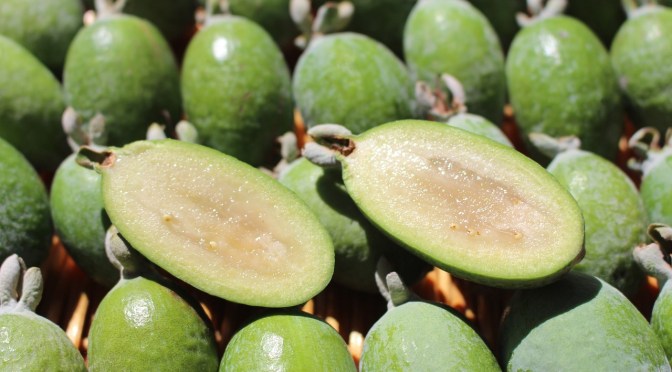
Feijoa Fizz

I found this last feijoa season on fb courtesy of the Canterbury Herb Society. I did try it & it’s nice (& super easy). I’m no longer on fb so figured I’d share it here. Folk may like to try it with all the feijoas everywhere now. Not a fan of white sugar I used raw organic…copied anyway, straight from the CHS post …

Don’t waste those FEIJOA SKINS, they contain so many really valuable vitamins and minerals and are approximately half the weight of the Feijoa.

Here’s a really easy RECIPE for FEIJOA FIZZ and such cool way to make the most of them.

Ingredients:

Feijoa skins chopped

2 tbsp white sugar

1 tbsp brown sugar

water

Method:

Place feijoa skins in a 1L container and add white sugar and fill up with water then cover.

Leave this for about two days till it begins to be a bit fizzy.

Throw away the skins and pour into a 1L bottle with 1T brown sugar and fill up with water. Leave in a warm place for one day. Then refrigerate.

More recipes to follow, like our page, @CANHERBSOC to keep in the loop!

Image by Chesna from Pixabay

Time to deal to those garden pests (Special offers – Wally Richards)

( See at end of article for New Year Sale Details…)

Wishing you a Happy New Year Gardening.

Now the weather has settled a bit and temperatures are better (But still a bit chilly at times) Insect pests will multiply rapidly unless you instigate early controls.

If you look at when you are successful in eliminating one adult female insect, that will prevent somewhere between 100 to 300 more of the same pests to invest your plants.

For instance using the yellow sticky white fly traps; hang one near your tomato plants and within a few days the number of whitefly and other flying pest insects caught on the trap’s sticky surface will be dozens.

The sticky traps are worth their weight in gold for pest control.

Plants such as tomatoes, cucumbers, pumpkins, egg plants, capsicum and courgettes will likely have under the older leaves a lot of young pests.

Inspect the oldest leaves looking over and under and if there are a good number of pests remove the leaves from the plant and place in a plastic bag and seal.

This will greatly reduce the pest problem.

There will likely be pests on the upper/newer leaves but a spray of Wallys Super Neem Tree Oil with Wallys Super Pyrethrum will take care of these.

These combined sprays should only be applied only just before dusk for two reasons, Neem Oil in sunlight or with UV on a cloudy day can burn foliage.

Pyrethrum is quickly deactivated by UV/Sunlight and when expose to than will be ineffective within a couple of hours.

Pyrethrum sprayed just before dark will be active all night affecting any pests that come in contact with it. Pyrethrum is a quick knock down affecting the insects nervous system and thus killing it.

Neem Oil on the other hand will last for up to 7 days, slowly decreasing the effectiveness due to sunlight.

Its action is anti-feedent and once a pest insect consumes some Neem it stops eating for ever.

Adding Raingard to the above sprays will prolong the effective life of them and prevent the sprays been diluted by rain or watering.

For control of guava moth and codlin moth the most effective way is to spray the fruit with Wallys Super Neem Tree Oil with Raingard added.

This puts a layer of Neem Oil over the fruit so that when one of the moth’s grubs tries to eat their way into the fruit they are stopped at the first bite. Repeat spraying the fruit with Neem oil and Raingard added every 14 days till harvest.

Leaf hoppers, aphids, caterpillars and mealy bugs are simply controlled with the spray above applied late in the day.

One of the problems is re-infestation from other plants nearby or from over the fence.

Unless the other plants nearby are also sprayed you will never win.

Spider Mites are best controlled by sprays of sulphur or as we used to do in days gone by, Sulphur powder dusted over the plants that have mites.

At this time of the year you may have the cherry slug or pear slug eating holes in the leaves of those trees. If so spray the foliage with Wallys Liquid Copper with Raingard added. The pests cant handle copper and drop off and die.

Mealy bugs live in the root system of plants and the adults are found in the canopy. Spraying the canopy will take them out but not affect the ones in the root system.

Apply Wallys Neem Tree Powder to the top of the mix in containers that are affected and Wallys Neem Tree Granules to the soil in the root zone of plants affected.

Pest problems on citrus trees are very easily fixed by sprinkling Wallys Neem Tree Granules from the trunk to the drip line. Lightly water to get them started and normally within 6 to 8 weeks the citrus tree will be free of pests.

The smell of Neem granules/power is also a great deterrent as the Neem smell camouflages the natural smell of the plant and pests looking for their host plant by smell cannot find them and fly on by.

In glasshouses Wallys Neem Granules on the soil or on top of the mix in containers will reduce insects pests from been lured in from the smell of their host plants.

Little pouches made out of curtain netting and loaded with Neem Granules before hanging in fruit trees that are subjected to codlin and guava moth attack. Used in conjunction with the Neem Oil sprays on the fruit should mean you have plenty of unaffected fruit for your use.

Cats can be a pest in gardens as they use them for their toilets and Wallys Cat Repellent is the most effective way to prevent them fouling gardens or other areas.

Crop cover also called Bug Mesh is the best control of keeping white butterflies off your cabbages and brassicas. Hoops made out of rigid alkathene pipe with crop cover over them.

Weeds are another garden pest and a safe to use spray is Wallys Super Compost Accelerator which you can use to compost weeds where they are growing.

A few years ago a chap from UK phoned me and asked about getting ammonium sulphamate in NZ.

I had not heard of it and asked whats it for.

He told me in England you purchased it, dissolved it in water and sprayed it onto weeds to compost them where they are growing. The weeds think its nitrogen and readily take it in where it completely composts the living weeds and then coverts to nitrogen so no harm on soil life or yourself.

The most effective rate is 200 grams per litre of water sprayed on a sunny day when the soil is on the dry side. Given ideal conditions the weeds are composted very quickly in some cases with an hour.

Available as Wallys Super Compost Accelerator in 600 gram jar (makes 3 litres of full strength spray) or in 2kg jar named Ammonium sulphamate making 10 litres full strength spray.

If used at say 100 grams per litre of water the composting takes longer but on most weeds still very effective. A good choice to use instead of possible cancer causing chemicals.

One of the interesting aspects of the composting is if watered over oxalis foliage and into the soil where the bulb is, it will compost the bulb and bulblets in the soil. Repeat when new oxalis foliage appears till the area is free of the pest weed.

When used at rates of say 60 to 80 grams per litre of water it does not affect some strains of grass but can compost some broad leaf weeds in lawns. Experiment as to what rate it composts weeds but not affect you lawn grasses.

Unlike herbicide lawn weed killers that you cant compost the lawn clipping because of the reside in the cut grass that would effect herbicide sensitive plants (roses, Tomatoes, Beans) there is no problem with ammonium sulphamate composting the clippings which will only speed up the composting.

Wishing you a pest free New Year.

To help to make it so we are offering you a special discount of 20% off the following pest control items:

All Neem Products (Neem Oil, Neem Granules and Powder all sizes) 20% off

Wallys Super Pyrethrum 20% off

Wallys White Fly sticky Traps 20% off

Wallys Super Compost Accelerator 600 grams 20% off

Wallys Ammonium Sulphamate 2kilos 20% off

Wallys Cat Repellent 200 grams 20% off

All the rest of our products except bulk ones 10% off

Place orders on our mail order web site at www.0800466464.co.nz and place in comments ‘PEST SALE’  so I know to do the discounts when I will phone you.

I will apply discounts and Shipping (if any) before I phone you with the total.

Then we either do Credit/Debit card over phone or I will email you bank transfer details.

If in North Island and order comes to $100 after discounts then free shipping.

In South Island $150.00 after discounts for free shipping.

The total does not include bulk items such as 12kilo BioPhos, 13kg Ocean solids and 10 kg Unlocking soil (Freight is always charged on bulk products)

The above offer is valid till 31st January…

The first 25 orders into the web site will receive a free autographed copy of Wallys Glasshouse Gardening for New Zealand.
Make your summer free of pests and order soon.

Regards and Happy New Year

Wally Richards

Problems ring me at 0800 466464
Email wallyjr@gardenews.co.nz
Web site www.gardenews.co.nz

Phone 0800 466464
Garden Pages and News at www.gardenews.co.nz
Shar Pei pages at  www.sharpei.co.nz
Mail Order products at www.0800466464.co.nz


New Zealand Bill of Rights Act 1990. Part II of the Act covers a broad range of Civil and Political Rights. As part of the right to life and the security of the person, the Act guarantees everyone:

1The right not to be deprived of life except in accordance with fundamental justice (Section 8)

2The right not to be subjected to torture or to cruel, degrading, or disproportionately severe treatment or punishment (Section 9)

3The right not to be subjected to medical or scientific experimentation without consent (Section 10)

4The right to refuse to undergo any medical treatment (Section 11)

 Furthermore, the New Zealand Bill of Rights Act 1990 guarantees everyone: Freedom of Thought, Conscience, and Religion.
This includes the right to freedom of thought, conscience, religion, and belief,
INCLUDING THE RIGHT TO ADOPT AND HOLD OPINIONS WITHOUT INTERFERENCE (Section 1)

Image by jumyoung youn from Pixabay

A Christmas message from Wally Richards

Here it is Christmas day and I am writing this short weekly article today because I was too busy yesterday mowing lawns and tidying up gardens for Christmas.

So I hope you are having a pleasant day and a chance to hopefully forget the woes of the past year.

As the Chinese say, ‘Have an Interesting Life’ which some take as a curse because an interesting life is not an easy one.

It is full of problems as well as good times which in comparison a life without the ups and downs is very boring.

As us gardeners know, problems are just challenges in the garden, things to resolve and sort out.

Having successes against the odds is wonderful and very satisfying.

I always get a thrill when seeds I have sown burst forth as young seedlings out of the growing media.

Life has been born anew.

As I wrote a week or two ago this summer so far has been dismal with too many cloudy skies and too few blue skies.

I see today in Marton we have some blue in between the clouds so that means some direct sunlight.

That will make the farmers & commercial growers happy as they are looking for growth.

I am happy to say that my first vine ripened tomatoes were picked this week and were delicious.

That’s a lot better than paying between $7.99 and $8.49 a kilo from Supermarkets.

I have been eating and giving away cucumbers both telegraph and green types which I see are selling for $2.00 to $2.90 each.

Lettuce at this time of the year should be about a dollar each but no they are closer to $4.00 each.

So hopefully if you have been following my articles over the last period of time you will also be enjoying your own salad crops. More possibly so if you have a glasshouse.

This now is my third year of growing garlic and no garlic rust thanks to the cell strengthening products.

I scoured seed/cloves from about 3-4 places for planting and the best certainly was the big fat cloves which I can feel in the soil have produced good size bulbs.

A few have started to flower so cut the flower spike off so all the goodness will go into the bulbs.

No hurry to lift them yet so will leave until the tops show signs of dying back.

Sprays weekly with Magic Botanic Liquid (MBL) with Mycorrcin added will help produce better crops on all vegetables.

I smiled the other night about the shortage of strawberries this time of the year that I saw on the News.

I have big beautiful strawberries rich in flavour available as a dessert every couple of nights of the week.

That’s thanks to regular sprays of Mycorrcin and MBL along with an occasional feed of My Secret Strawberry food.

I have to go harvest a few shortly to put on the pavlova.

When we purchased this place in Marton a few years ago I was so surprised that an old 1920 house on a quarter acre section did not have one fruit tree, not even a standard (must have) lemon tree.

Well on last count I have now 36 fruit trees and two brambles.

(Some were in 100 litre drums from Palmerston North) moved here and are still sitting happily in their drums which makes them easy to move around. In the open ground I added more varieties of fruit trees and ones in their third season are now producing nice small crops.

I will have to keep them under control in time to come; so there is not a jungle of fruit trees.

On the back by the rear fence is a giant macrocarpa, must be many years old and along the same fence line on the other side are some ornamental deciduous trees which send up suckers all over the place.

This means that no open ground vegetable gardens as they would be robbed of goodness during first season.

Instead all vegetable gardens are raised and on concrete to prevent robber roots.

My challenge this year is to have as much vegetables growing all year round to ensure food safety as much as possible, plus far better taste and healthier to eat than the chemically grown expensive vegetables from the supermarket.

Also I will once again try to establish a passion fruit vine, this time in a lean to glasshouse I have.

It has been about 50 years since I last had a successful passion fruit vine growing in a place I lived.

Not that I don’t try every so often.

Mind you 50 years ago in Palmerston North it was a different world with hot blue sky summers and frosty cold winters.

I saw on social media this week a picture of young children in the middle of the road somewhere in suburbia on trikes, bikes and on foot playing from back in 1950’s and the caption said : “We had no idea how good we had it and no clue that we were the last ones.”

Never a truer Analogy of then and now.

It is hard to believe how much things have changed and obviously to us that have lived in the best times that the now is like a different planet and people.

Where did this thing called Woke come from?

I remember back when people used to dance such as foxtrots and rock and Roll now the dancing looks like semaphore signaling?

I suppose they might have seen a clip of young people doing what was called ‘Hand Jive’ while sitting around a dance hall. I was thinking back recently to a house in Domain Street where I grew up in, it was a little cottage house on a very small section with only enough room for me to have a small vegetable garden.

But in the house there was a coal range which supplied hot water, heating with cooking top and oven.

All of that for most of the day from a shovel full of clean burning cheap coal.

The best scones ever came out of that oven and a kettle or soup would be kept hot on the steel top.

The house has long gone and along with neighboring homes for a motel complex now.

Enough reminiscing instead keep gardening and hoping that the year ahead will be an improvement on recent past.

“Where there’s life there’s hope” is attributed to J.R.R. Tolkien whose character Samwise Gamgee declared it in The Lord of the Rings. In another of Tolkien’s famous quotes, “A single dream is more powerful than a thousand realities.”

Merry Christmas and I will catch up with you before the New Year.

Phone 0800 466464
Garden Pages and News at www.gardenews.co.nz
Shar Pei pages at  www.sharpei.co.nz
Mail Order products at www.0800466464.co.nz


New Zealand Bill of Rights Act 1990. Part II of the Act covers a broad range of Civil and Political Rights. As part of the right to life and the security of the person, the Act guarantees everyone:

1The right not to be deprived of life except in accordance with fundamental justice (Section 8)

2The right not to be subjected to torture or to cruel, degrading, or disproportionately severe treatment or punishment (Section 9)

3The right not to be subjected to medical or scientific experimentation without consent (Section 10)

4The right to refuse to undergo any medical treatment (Section 11)

 Furthermore, the New Zealand Bill of Rights Act 1990 guarantees everyone: Freedom of Thought, Conscience, and Religion.
This includes the right to freedom of thought, conscience, religion, and belief,
INCLUDING THE RIGHT TO ADOPT AND HOLD OPINIONS WITHOUT INTERFERENCE (Section 1)

Image by Aline Ponce from Pixabay

No dig garden using cardboard (Wally Richards)

I’m currently doing this with my garden plot. Brilliant idea. Especially if you’re a bit past digging extensively! EWR


Cardboard boxes are everywhere.

A lot of products are transported in cardboard boxes, most products we ship out are in cardboard boxes.

Supermarkets have heaps of medium to large cardboard boxes which they often put into a cycling bin as a friendly way of disposing of them.

During the week I chanced to have a chat with a gentleman that is doing similar as our company with a range of products to enhance your gardens.

During the conversation he told me of a method that he suggests to people and gardeners for starting or extending their vegetable gardens.

A method using cardboard that I had never thought of.

I have in the past suggested using cardboard as a mulch to suppress weeds which works very well.

This method is using cardboard to convert part of a lawn area into a productive vegetable garden very simply and very quickly.

In the past when I have converted a lawn to a growing area I have lifted the turf taking the top 50mm of turf off in squares, stacking them somewhere, grass side down, to rot down.

Then I would dig over the bare soil before raking off nicely for planting.

A bit of work but it made a new growing area.

Now this new way is that you firstly mow the area that you want to convert as low as the mower will let you.

You then cover the area with cardboard over lapping to ensure a total coverage of the area.

Do this on a calm day as it is difficult to do when it is windy.

Over the cardboard you put a layer of purchased compost about 20mm thick and lightly water to settle into place.

The reason for the purchased compost is that it will be weed free as long as it did not come from a re-cycling source.

I prefer Daltons Compost as it is good quality and herbicide free.

Most of the others I wouldn’t give you tuppence for as many are just fine bark with some nutrients added or bark with recycled garden wastes.

Once you have the cardboard and compost down then it is time to put minerals and nutrients onto the layer of compost.

I suggest Wallys Unlocking your Soil, BioPhos, Wallys Ocean Solids, Wallys Calcium & Health, Blood & Bone, animal manures, chicken manure, sheep manure pellets and Bio Boost. (As many as available)

Then we are going to place over these products a further layer of compost 40 to 50mm thick.

You need to choose a area that is fairly sunny and well away from trees, shrubs and vines as you are creating a great food source for your vegetables and those other bigger plants will try and robe your garden creating lots of fibrous feeder roots in the plot.

The first season will be ok but the fol,lowing season it will be full of roots and nothing will grow.

To help prevent this happening and to ensure your vegetable plot has good drainage make a trench around the plot area about to a spade depth.

This will allow surplus water to drain into the ditch where it will evaporate from sun and wind.

It will also help prevent some robber roots happening.

You could lay fence palings on top of this trench to allow a place for the wheels of your mower to ride on when cutting the rest of your lawn.

Give them a couple of coats of acrylic paint to seal in the tanalised chemicals.

If you only make your plot about a metre wide then you can work the area from one side.

If more than a metre wide you need to have a mowing strip on the far side to work all around the bed.

You should avoid walking on the b ed as it compacts the growing medium.

One time I did several parallel vegetable beds about a metre wide with lawn in between them at the width of my mower. This allowed me to mow between each growing bed and a nice place to work the gardens from.

I love the idea of cutting the lawn low, covering with cardboard to suppress the weeds and then covering that with goodies and compost. Instant vegetable plot.

On existing vegetable gardens that are currently empty except for weeds the same can be done.

Cover the area with cardboard as above, then the other things ready to plant up.

The cardboard will break down over time and the worms and soil life love it.

Then the following year you may want to put new cardboard down over the bed and repeat as above.

If you have a garden with say oxalis this will bury the plants and tubers and make gardening easier for a while.

Go to your local supermarket and ask them for their used cardboard cartons or help yourself out of the dumpster.

If you happen to be near where we are in Marton then I can supply you with some large cardboard boxes to use.

We are getting g close to Christmas and if you are looking to plant up containers to give away as Christmas gifts then you better get started so they have a bit of time to settle in before you given them away.

Phone 0800 466464
Garden Pages and News at www.gardenews.co.nz
Shar Pei pages at  www.sharpei.co.nz
Mail Order products at www.0800466464.co.nz


RELATED:

Here is a video from Charles Dowding’s YT channel demonstrating this method. For those like myself who like a visual demo. There are other related vids at YT that are also helpful if you search. EWR
New Zealand Bill of Rights Act 1990. Part II of the Act covers a broad range of Civil and Political Rights. As part of the right to life and the security of the person, the Act guarantees everyone:


1The right not to be deprived of life except in accordance with fundamental justice (Section 8)

2The right not to be subjected to torture or to cruel, degrading, or disproportionately severe treatment or punishment (Section 9)

3The right not to be subjected to medical or scientific experimentation without consent (Section 10)

4The right to refuse to undergo any medical treatment (Section 11)

 Furthermore, the New Zealand Bill of Rights Act 1990 guarantees everyone: Freedom of Thought, Conscience, and Religion.
This includes the right to freedom of thought, conscience, religion, and belief,
INCLUDING THE RIGHT TO ADOPT AND HOLD OPINIONS WITHOUT INTERFERENCE (Section 1)

Photo: screenshot Charles Dowding YT channel

Some useful gardening tips (Wally Richards)

For most of the country it has been a poor spring and slow start of the growing season.

We have the daylight hours, in fact we are now only about 7 weeks away to the longest day of the year.

It is the temperatures that are the problem, we are not getting the constant warm temperatures during the day and night.

That does not matter to hardy plants and vegetables that can be grown outdoors all year around such as cabbages. (On line shopping today New World whole cabbage $9.99 at Countdown $7.69)

Lettuce between $3.00 to $4.00 each?

Wow, I currently have so many lettuces that I give then to my chickens.

Not only that as a result of letting one lettuce (Drunken Woman my favorite) go to seed, it self seed giving hundreds of seedlings.

Some of which I have transplanted and currently have lettuce from small seedlings to mature plants going to seed.

I don’t bother growing much cabbage, broccoli or cauliflower as they take longer to mature and we seldom use them anyway in preference to Bok Choy which is much quicker to mature and takes less room.

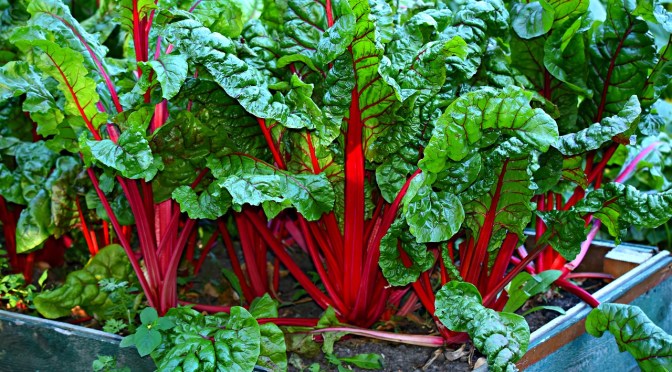
Silverbeet is an excellent vegetable to grow as it has high nutritional value and you harvest only the outer leaves for use as it will keep producing till it goes to seed.

Whether you grow in open ground, raised gardens or in containers you can produce hardy vegetables that will not only be inexpensive compared to current cost of purchased vegetables but will also have great flavour be free of chemical poisons.

The stuff you buy from Supermarket is not only bloody expensive but are chemically grown and sprayed with chemicals thus having little goodness and a bland flavour.

If it tastes good without having to use condiments then it is good for your health.

Basically no matter how you grow you apply natural products to the soil/growing medium such as any animal or chicken manures, blood & bone, sheep manure pellets at the base.

Garden Lime such as Wallys Calcium & Health, minerals from Ocean Solids and Wallys Unlocking your soil.

Then over this a layer of Daltons Compost. (Most others I do not trust because they can contain recycled green waste which maybe full of herbicides).

Then into this you plant seeds or seedlings and spray them every week with Magic Botanic Liquid (MBL) they will grow twice as fast and twice as big and be very advantageous for your health and budget.

I expect that vegetables in the supermarket are only going to get dearer because of high cost of imported fertilisers, cost of chemical sprays to keep the plants looking perfect on the shelves and the cost of diesel.

Because of the milder temperatures heat loving plants are not fairing very well.

My tomato plants grown in a plastic house in the Auto-pot system are doing ok but plants that like much more heat such as cucumbers, capsicum and chili are sitting and sulking even with the high quality nutrient they have to grow with.

I hate to think how poorly these plants wound do in open gardens along with pumpkin and other cubits.

They would really sulk until the temperatures became better which is most unusual for weather after Labour Weekend in NZ.

If, as some predict, we are heading into a solar minimum which reduces the global temperatures to the extent of a mini-ice age or worse then that would be far worse for food growing than a global warming.

Most of you will have planted or are planting tomato plants currently, if in a glasshouse you will have better results than out doors. Outdoors you need a very sunny, sheltered spot for best results.

Treat the soil with the products mention but don’t use Calcium & Health instead buy some Dolomite.

Tomatoes and Potatoes like a slightly acidic soil pH.

Now this is important to get the best results out of a tomato plant; you make a deep hole and plant it deep, up to the bottom leaves or even deeper.

The reason is that a tomato plant will produce roots all the way up the trunk and often on a more mature plant you will see knobs near the base of the trunk which are beginnings of roots.

If that is seen then mould up growing medium so the root system is increased.

The bigger the roots to feed, the better the plant.

You can place a little of Wallys Neem Tree Powder in the planting hole and sprinkle some of Wallys Secret Tomato Food with Neem Granules on the soil.

That will assist in deterring whitefly especially in a glasshouse as well as feed the plants.

The Secret tomato food contains a good amount of potash which I have noticed lacking in other brands, likely because potash is expensive.

If your tomato, capsicum, chili do not have ample potash then your fruit will lack flavour.

Wallys Secret Tomato Food with Neem Granules was created on the request of a specialist tomato grower who wanted the very best tomatoes.

He told me many years ago that he had tried all the brands but none of them produced really great flavored fruit.

So along with fertiliser experts we created the product, Wallys Secret Tomato Food which over the last 15 plus years has been well sort after by people that love to grow the best tomatoes possible.

There are two types of tomato plants; Indeterminate and Determinate the first is tall growing and is actually a climber the later is a bush type which is short with a wide spread such as dwarf types.

In the Indeterminate type there are very large fruiting ones such as Boy o Boy which can produce fruit weighing 500 grams. Some you need only one slice to cover sliced bread!

To do that you need to not only remove the laterals but also reduce down the amount fruit per truss to get a monster tomato.

Laterals form between the trunk and the leaf branch and in Indeterminate tomato plants it is best to remove them otherwise you get a plant that requires lots of staking and support.

On a determinate plant the laterals are often left on to make the plant bushier and produce a lot more trusses and thus a lot of smaller fruit.

If you allow a lateral to grow about 8cm long you can strike it as a cutting and get free extra tomato plants.

If last season your tomatoes were affected by the tomato psyllid that we wrote about recently then you need to use Wallys Cell Strengthening Kit to protect your plants and be able to harvest tomatoes like you did in the past.

Phone 0800 466464
Garden Pages and News at http://www.gardenews.co.nz
Shar Pei pages at http://www.sharpei.co.nz
Mail Order products at http://www.0800466464.co.nz


New Zealand Bill of Rights Act 1990. Part II of the Act covers a broad range of Civil and Political Rights. As part of the right to life and the security of the person, the Act guarantees everyone:

1The right not to be deprived of life except in accordance with fundamental justice (Section 8)

2The right not to be subjected to torture or to cruel, degrading, or disproportionately severe treatment or punishment (Section 9)

3The right not to be subjected to medical or scientific experimentation without consent (Section 10)

4The right to refuse to undergo any medical treatment (Section 11)

Furthermore, the New Zealand Bill of Rights Act 1990 guarantees everyone: Freedom of Thought, Conscience, and Religion.
This includes the right to freedom of thought, conscience, religion, and belief,
INCLUDING THE RIGHT TO ADOPT AND HOLD OPINIONS WITHOUT INTERFERENCE (Section 1)

Image by Urszula from Pixabay

USDA is tracking community gardens! Red flag

This is from Doug and Stacey. We’ve posted their videos just twice so far on the topic of living off grid.

Here we have a topic rearing its head again … one that is of concern to all of us world wide as the global plans tighten up further, global food supplies manipulated and controlled (see the Ice Age Farmer for more info on that) and the promise from the globalists we’ll ‘own nothing and be happy’. We had hints of future control in NZ back with the Food Bill, threatening we could not share or our produce over the back fence. Nice try! Watch Kiwis!. So here it’s pointed out that the registering of your community garden with government is a red flag and about more than meets the eye … watch and listen to the video.

OFF GRID with DOUG & STACY

Subscribe to OFF GRID with DOUG & STACY: http://bit.ly/2nrYf24

7 plant based foods for healthy eyes

From thegoodinside.com

Our eyes are one of those things we all take for granted. They allow us to see the beauty in the world, read books, and carry out everyday tasks. So it’s important to step back and make an effort to take care of our precious eyes now and for the future.

Especially because vision loss is becoming an increasingly common problem. Rates of blindness and low vision in America are estimated to double, affecting more than 8 million people by 2050.

This trend is thought to be caused by the rising rates of chronic disease and an aging population. But there’s also another reason: very few of us give our eyes the nutrients they need.

In fact, the Centers for Disease Control and Prevention (CDC) reports that 87% of people don’t get the recommended amount of vegetables in their diet and 76% of people don’t meet the minimum fruit recommendations.

That’s an issue because fruits and veggies contain nutrients essential for healthy eyes. Check out these eye-healthy foods and see how you can nourish your vision.

1. Orange Veggies

While carrots are, by far, the most well-known food that can boost your eye health, several orange veggies support vision. That includes sweet potatoes, pumpkin, and orange peppers.

These foods are abundant in carotenoids, the compounds that give the veggies their orange hue. One of the most recognized is beta carotene. It’s a precursor of vitamin A which means your body converts it into vitamin A on an as-needed basis.

Vitamin A is essential for good vision. Among many other things, it helps protect the surface of the eye (cornea).

Studies have shown that beta carotene, in combination with other antioxidants, can also decrease the risk of vision loss from macular degeneration or age-related vision loss.

Most importantly, seek out beta carotene from food sources. That’s because synthetic beta carotene is linked to a higher risk of some types of cancer.

READ MORE AT THE LINK

https://tinyurl.com/2cpzp8db

Photo: pixabay.com

SOLVING GARDENING PROBLEMS (Wally Richards)

A tip that I was given, which I am going to try myself this spring, is in regards to curly leaf in stone fruit such as nectarines and peaches in the spring.

You simply place a quarter a teaspoon of Condys Crystals (potassium permanganate) per litre of warm water with one mil of Raingard and spray the trees and the soil underneath in spring prior to leaf show and every 10 to 14days later for the couple of months when the disease is active..

The lady gardener that told me swears by it for control.

The potassium permanganate is a oxidizing agent that kills fungi, the Raingard prevents the rain washing it off for up to 14 days.

It is during rain that the disease attacks, lifted up onto new leaves by the splashing water.

Potassium permanganate is locked in the film of Raingard which slowly breaks down under UV.

The potassium permanganate is neutralizing the spores of the curly leaf disease as they come in contact.

You will need to spray to keep the newest leaves protected, as well as the existing ones as they grow larger, so depending on growth rate spray every 7 to 14 days.

If you try this method this year please let me know the results.

Another gardener uses the same on their roses with great results starting with a spray in winter after pruning and a 2 weekly spray during the season of the foliage and soil as required.

A lot of gardeners have glasshouses or tunnel houses to extend the growing season of tomatoes and other plants.

Some grow in the soil in the glasshouses where others will grow in containers.

Soil in a glasshouse can harbor diseases or what we call pathogens. These love a chemical/acidic environment where they can thrive.

Beneficial microbes and fungi love a alkaline, chemical free environment so the use of chlorinated tap water, chemical sprays along with herbicides are going to create problems for your tomatoes and other plants.

Chemical sterilizing the soil with Basamid is no longer an option since the chemical was banned.

I have in the past suggested potassium permanganate with salt as a soil drench but this takes out both the beneficial and the bad.

Some gardeners dig out the soil and replace it with new soil which is not only a lot of hard work but you cannot be sure the new soil will not have its own problems especially weed seeds.

A new product called Terracin is the natural way to clean up soil diseases.

Mix the Terracin at 2ml per litre of water and apply to one SqM of moist soil.

Or mix at 20ml to 10 litre to water over 10 SqM of moist soil.

Terracin uses a combination of a Bacillus amyloliquefaciens BS-1b, a beneficial soil microbe and the enzymes, bacteriocins, secondary Metabolites & signal molecules from the fermentation of Enteroccocus faecium to suppress a broad range of fungal pathogens.

During the next 3 weeks keep the soil moist (not wet) with non-chlorinated water.

After 3 weeks we need to feed and build the populations of beneficial microbes so we apply Mycorrcin to feed them.

Once you have done this its a matter of not using chemicals in the glasshouse including chlorinated water.

A Special filter can be attached to your hose to remove the chlorine which is the same as what I have been using for several years.

The next problem in a glasshouse is the sheltered environment which is very good for insect pests to breed.

During the growing season you have to keep them in control with the following: sticky yellow whitefly traps, Neem Tree Granules, Wallys Neem Tree Oil and Wallys Super Pyrethrum so they will not get completely out of hand.

Fumigating the glasshouse at the end of the season to kill all the pests that are harboring over in cracks and places means a clean start in the new season.

Wallys Sulphur Powder is available for this purpose.

This is ideal for fumigating a glasshouse in winter when there are no crops growing. (May dehydrate and kill plants so empty the house first.)

If you have plants that you are going to pull out anyway then leave them in the house when you burn the sulphur which will kill the pests on them rather than take them outside to affect your other gardens.

To use: Close all vents in the glasshouse.

Place an amount of sulphur onto a steel hearth shovel and light. It is hard to light unless you have a very strong flame.

You can aid this by putting a little mentholated spirits on part of the sulphur and light that.

Once it starts burning it is hard to stop.

Place the burning sulphur in the middle of the house and leave immediately.

Close the door and let the sulphur fumes do their job. Leave house closed for a few days.

The amount of sulphur burnt will depend on size of the glasshouse.

For a house 2.5m x 2.5 m burn about 50 grams of sulphur.

I did this last winter after cleaning all the plants out of my glass houses and once outside it was a sight to see so many whitefly and adult psyllids beating up against the glass trying to escape.

Likely burning sulphur safely in out buildings for cluster flies in winter would be a good way to control them also.

Hen houses for mites when the hens are locked outside then later air the house and dust Sulphur powder over the perches and floor.

   You can make a big difference to your soil, gardens and plants by using Bio Marinus™.

Bio Marinus™ is manufactured by the enzymatic hydrolysis of fish offal, blended with humate, seaweed and biology including Bacillus subtilis, Trichoderma, mycorrhizae fungi etc.

Designed to provide a high quality, cost effective fertiliser.

At only $15.00 a one litre container that includes a range of beneficial microbes…. it is high value at low cost.

Biologically active soils have the ability to retain moisture and release nutrients ensuring greater production, faster rotation and more rapid recovery from stress. To build a healthy biological soil we need products that can feed living organisms.

Biological fertilisers increase nutrient availability and feed important soil organisms, such as earthworms and microorganisms (fungi and bacteria) – all essential for plant and soil health.

Soil health and soil fertility requires much more than NPK fertiliser.

Without the right biology, plants and animals cannot reach their full potential. Biology is essential for the recycling of nutrients and the fixing of atmospheric nitrogen.

Drench your soils now with this great product and see the difference in the health of your gardens this spring.

You can Super Charge Bio Marinus™ by adding some molasses or unrefined sugar to your soil drench mix.

This feeds the microbes and explodes their populations. Caution if adding do not store in a sealed container as the populations will balloon and even explode a plastic container.

Add the molasses dissolved in some hot non chlorinated water then add the Bio Marinus™ and use immediately.

If you have Magic Botanic Liquid (MBL) that can also be added to the brew for even greater results. END

For those that are interested there are BITS ( Items they likely don’t want you to think about)..just email me and ask for them

Phone 0800 466464
Garden Pages and News at www.gardenews.co.nz
Shar Pei pages at  www.sharpei.co.nz
Mail Order products at www.0800466464.co.nz

Photo: pixabay.com

APPLE CIDER VINEGAR FOR FUNGAL DISEASES IN THE GARDEN (WALLY RICHARDS)

A reader and keen gardener sent me an email recently about using apple cider vinegar in your garden to prevent and control fungus diseases.

Someone shared it with him and so now I will share it will all my readers.

“Hi Everyone.

I use Apple Cider Vinegar to keep fungal diseases away, including brown rot, curly leaf, black spot, powdery mildew, bladder plum, sooty mould, scab, allium rust (for garlic, onions, shallots), etc..

For fruit trees, vines, and plants..Vegetables and herbs, including garlic..Also for roses and other ornamentals

I’ve been doing this since 2009 for my stone and pip fruit trees, berry and grape vines, citrus, garlic, shallot and vegetable plants throughout my large Garden.. and including for roses..

Vinegar kills mould – which fungal species are.

It also prevents mould growing back in places that are prone to having fungal problems, so helps avoid ongoing fungal problems.

I use 250mil Apple Cider Vinegar (ACV) mixed with 5 litres water in a 5 litre sprayer I keep just for ACV..

I spray the mix when fruit tree buds are only just beginning to show in Spring as small bumps.

I don’t spray when blossoms are showing, leaving them to bees, bumblebees and other little critters for pollination..

Once blossoms have finished, I spray fortnightly on the fruit trees and plants which are prone to fungal problems.. ie, brown rot on stone fruit, sooty mould on citrus,

black spot on roses, rust on aliums, etc.

I stop once all the fruit on each tree are harvested, ie: Billington Plums finish in early January here in the Eastern Bay of Plenty, so I stop then..

Boysenberries finish late January here, stopping then.. Niagara Grapes, finish mid February here, stopping then..

Omega Plums finish late February here, stopping then.

Spray the mix in the evening when the sun has just gone off your trees or plants, so the sun isn’t heating/burning leaves through the liquid spray droplets on them, and there’s time for the spray to dry before nightfall..

Spray the whole tree, vine or plant.. under and over leaves, the trunk, branches, twigs, fruit everything..

This will also feed the tree through the leaves (when they are there for deciduous trees) as a foliage food.

I do this for all my fruit trees, vines and plants.. stone and pip fruit, citrus, grapes, berries, including strawberries, plus for garlic, shallots, onions, courgettes, cucumbers, pumpkins, tomatoes, roses, etc..

No need for gloves or coverings as it’s good for us too..

I keep a 5 litre sprayer filled with the ACV and water mix, so I can pick it up, pump it to build pressure, and I’m ready to spray this mixture that is good for my Garden..

(Thats a good tip as you can leave in the sprayer what is not used for next time and if you are going to follow this advise, using apple cider vinegar a separate sprayer for this purpose is a good investment)

The ACV mix works as a foliage food through the leaves.. with that feeding them, plus fungal problems not being an issue, the trees, vines and plants grow strongly..

a healthy, strong tree or plant will repel disease.. maybe repel insects like whitefly and vine hoppers, etc, etc, too..

It’s interesting.. I’m continuing to observe.. This is why I use ACV throughout my Garden, and have continued since trialing with it in 2009..

Decided to try ACV due to the goodness of the apples that it’s made with, had excellent results and have continued since for brown rot,

black spot, curly leaf, allium rust, sooty mould, powdery mildew, etc… all the fungal problems that occur often in our NZ gardens..

When my trees were producing well, I contacted the head tutor of the horticulture course at the local polytech, asking if I could swap a box of freshly picked Golden Queen Peaches in exchange for him showing me how to Summer prune. He also has a 6 acre home orchard.

I showed him around my garden.. he kept saying, how have you got your trees so healthy.

I told him about using the ACV mix and why.

As he left, he picked a Golden Queen Peach out of the box, bit into it, said, now that’s how a Golden Queen should taste and I’m off home to start using Apple Cider Vinegar throughout my garden.

Also – ACV for cats: I add 1/4 teaspoon of ACV to our cats food each morning – have done this since March 2019 – no fleas, and they have shiny soft fur..

None of the awful monthly flea treatment that distressed them every time and sent them running from the house to try to get away from it. ” END

Sometimes it is the simple things that we forget about or more likely do not know about and can be very surprised when found to work.

I have now added a 2 litre Apple Cider Vinegar to our mail order web site in the Disease control section so that when you are ordering your other garden bits you can add in this well priced product.

(No point in paying for the expensive stuff as this will do the job.)

Happy Gardening…..

Not wanting to be a Doom sayer but warnings and preparations can save a lot of grief in time to come.

A link that maybe of interest.. https://usawatchdog.com/going-to-get-bad-really-bad-david-morgan/

Phone 0800 466464
Garden Pages and News at www.gardenews.co.nz
Shar Pei pages at  www.sharpei.co.nz
Mail Order products at www.0800466464.co.nz

How to Wash Vegetables and Fruits to Remove Pesticides

From foodrevolution.org

Get proven tips on how to wash vegetables and how to wash fruits so you can protect your health and your family.

Almost everyone should be eating more fruits and vegetables. You know that. But do you know why it’s important to wash your produce before eating it?

In our modern world, almost no food is 100% free of pesticides. Surprisingly, even organic produce may contain some pesticide residues.

Washing produce is important to prevent foodborne illness and substantially reduce your exposure to pesticides.

To reduce your pesticide exposure, the conventional advice is to choose organic food when you can, especially for the foods most likely to be contaminated with pesticides. And then, to wash your fruits and veggies before eating or cooking with them.

But, what foods are the most important to buy organic? And what is the best way to wash your produce to remove pesticides?

Science has given us answers. And we’ll share them with you. We want to help you make the best use of your time and money and to ensure the food you eat and serve is as safe as possible.

https://foodrevolution.org/blog/how-to-wash-vegetables-fruits/#wash

Photo: pixabay.com

GROW YOUR OWN SEEDS (Wally Richards)

Raising plants from seeds is a great sense of achievement for most gardeners and when the seeds are the ones you collected for free it is even better.

All plants that you have growing in your gardens seed at sometime, with some plants that maybe years away but with annual plants it is at maturity each year.

Annual plants that are left to seed and die back will have produced fertile seeds if pollination has occurred successfully.

If these seeds are left to fall naturally to the soil then at some ideal time for them, they will germinate and produce seedlings.

Two things prevent this happening the first being; you removing the dying plants before they can distribute seed or in the case of many vegetables you have harvested before the crop goes to seed and removed flowering vegetables before they set seed.

When you have left something to flower and drop fertile seeds; then later on if you don’t recognize those seedlings as preferred plants, you may kill them thinking they are weeds.

It is a learning curve to know what is a wanted plant and an unwanted plant but with a little close observation you can score a lot of free plants by allowing mature plants to seed.

When plants produce seed pods that are drying out, then more than likely there are fertilised seeds in the pods which you can harvest for sowing sometime.

This applies to a wide range of plants from roses with rose hips, natives, ornamentals, flowers, vegetables and fruit.

How many of us have eaten a ripe plum off their tree and spat out the stone?

Months or maybe even years later up pops a plum seedling which will eventually grow into another plum tree, similar or even different from your named plum tree.

There are a number of fruits that we buy that have seeds, which we can collect at no extra cost.

This includes tomatoes, capsicums, beans, peas, pumpkin, passion fruit, melons, apples, citrus, stone fruit, figs, even strawberries (which are not a fruit as their seeds are on the outside.)

I have at some time grown all in the list from purchase fruit (Fruit, the definition is one that has seeds inside, which includes beans, capsicum etc).

If you come across a special fruit or one that is more difficult to get the seed of from seed packets then you should certainly save the seed and plant them some time.

Whether it is successful or not it really does not matter as its free and a bit of a challenge.

Recently we found two Asian foods one type of snake bean and two types of bitter melon.

I collected a few seeds from them and with the snake bean just sat the whole bean on a late afternoon windowsill to dry out and mature the seeds inside.

They are now all growing happily in one of my glasshouses and later we shall find out if they have come true to form.

Sometime ago I found Dragon Fruit for sale and now have a big specimen which should be approaching flowering time soon and also a number of baby ones.

Collecting some seed from fruit you have grown or purchased is just the matter of removing them from the fruit, laying on a bit of paper towel to allow to dry. Once they are dry you can either plant them or store them.

The best way to store is to write on the paper towel what they are then place inside a sealed glass jar and then into the fridge where they can wait till you are ready to plant.

Several types of seeds can be stored in the same jar. The fridge storage means they will keep very well for a long period of time.

I have tomato seed over 30 years old that will still give me about 20 to 50% strike rate.

The fridge also gives the seeds a false winter so when they come out they will think its spring and germinate better as a result.

Spring is normally the best time to bring out seeds you wish to sprout as the day light hours are extending and many seeds relate to that.

Self sown seeds lay dormant until the conditions are ideal for them to sprout, that means light hours, temperature and moisture levels.

When they germinate they send down (in most cases) a long tap root just as the trunk sprouts upwards.

This long tap root has secondary roots formed off it making the plant sturdy and deep rooting.

This enables the plant to gather food & moisture better than transplants.

So where possible sow your seeds where the plant is going to grow to maturity.

Seeds germinated in cell packs don’t have the advantage of deep rooting but they do have the advantage of less root disturbance when transplanting.

Punnet grown seedlings will suffer the most root damage when you separate the seedlings, but another aspect comes into play, the damaged roots will be quicker to produce side roots and also generate a bigger root system.

Normally this time of the year germinating seeds is not a problem as the soil temperatures are supposed to be over 10 degrees.

In a glasshouse where the air temperature is warm seeds in containers will germinate better as long as adequate moisture is applied to the medium.

Before you cover your seeds spray them with a solution of Magic Botanic Liquid (MBL) at 20 ml per litre of water. This natural product stimulates the germination to kick in.

When germinating in trays or cell packs use a good compost such as Daltons or Oderings as the base then with a sieve you sieve some of the same mix to make a nice layer of friable smaller particles.

It’s onto this you spread your seeds, spray with MBL and cover by sieving more compost.

In the garden sieve the soil for a seed raising bed. Forget the seed raising mixes they are a waste of time as well as being too expensive when compared to the herbicide free two brands I have mentioned.

Keeping seeds of your favorite vegetables is very important because seed strains disappear overnight as seed companies replace varieties.

Also certain companies want to control all the food seeds in the world and they buy up smaller seed companies then provide only the seeds they have sole rights to.

One of these companies has in certain countries persuaded the Governments to pass laws making the collection of one’s own seeds illegal.

This has made life for the native farmers intolerable and to compound matters often the seeds that are then sold to them are not suitable for their growing conditions and result in either poor or no crops.

Can’t happen in NZ you say? Us older gardeners know that plenty excellent named varieties of vegetables have disappeared and the newer varieties are not half as good.

Happy Gardening.

Beat the food price hikes & grow your own food

I’ve posted many articles over the years on growing your own food. It is like printing your own money one person has quipped. We also post here NZ Gardening Guru Wally Richards’ info. Wally’s been in action for many years, a fantastic go to for advice. (Search his name in the search box).

Right now folk are talking about the food price hikes. $7.50 for a pound of butter! Same price I also heard (and dearer) for one cauli. What better time then to get gardening if you’ve been putting it off. Not only that your own home grown will be far healthier. More goodness when harvested right before eating … not weeks in transit and storage before getting to your table. Remember too you can grown veg in pots, hanging containers, small spaces in your yard, just about anywhere. There is plenty of info on Youtube on topic. See this article for inspiration. Better still watch their video.

Anyway having resolved it’s time to grow more myself I returned to my previous source of heirloom seeds so am adding a link for Kiwis. The author of the site, Carol Rathael, is currently offering a course that teaches you to save your own seed. Remember, those controlling the seed supply long ago began tampering with seed so it does not reproduce. Thereby they ensured the unaware would need to return to the store to buy more of their seed. Do you still think it’s all about your health and well being? Their specialty is to patent everything … control, control, control. They have thereby destroyed many farmers in poorer countries who swallowed their lies of greater productivity. Listen to Dr Vandana Shiva on that topic.

FYI, check out Carol’s site for her beautiful, reasonably priced, heirloom seeds. Most are organic. Here is a link:

https://www.carolraethel.com/catalog-carols-heirloom-garden

RELATED: Keep your heirloom seeds … they’re gold … Monsanto is buying up the heirloom companies

17 Potassium Rich Foods That Pack More Than a Banana

Asparagus being just one of them!…

From healtwholeness.com

Potassium is an essential nutrient that is, thankfully, naturally present in many foods. It is also readily available as a dietary supplement to boost your potassium intake. Potassium is required for normal cell function because of its role in maintaining intracellular fluid volume and transmembrane electrochemical gradients. (1)

According to multiple scientific studies, the regular adult is recommended to have over 3.5 grams of Potassium a day. Most of these will come from a proper healthy diet along with fibre, protein, and other essential vitamins and minerals. Unfortunately, over 98% of all US adults are not getting their recommended daily intake. (2)

An essential mineral and electrolyte, Potassium can be found in a lot of whole foods such as leafy vegetables, legumes, and fish. Potassium plays a very vital role in your body, such as regulating muscle contractions, heart function, and managing the water balance. (3)

 When considering to go on a diet, it is crucial to be aware of the amount of Potassium that you are consuming to successfully determine the health impact of your food on your body.  In fact, it is recommended by specialists that we must consume 4,700 mg of Potassium to have a balance of acids and bases in the body that has not yet dissolved in water. (4) 

READ MORE

https://healthwholeness.com/nutrition/foods-loaded-with-potassium/

Persimmons and what they are good for

It’s too bad Americans aren’t more familiar with persimmons, since its botanical name means “food of the gods.”1 Highly adaptable to various climate conditions,2 those found in larger grocery stores are most likely Japanese persimmons. Persimmon is Japan’s national fruit,3 although it’s said to be native to China4 (American persimmons are mostly ornamental).

Persimmon seeds first came to the United States when commodore Matthew Perry sent them from Japan in 1856. Today, persimmons are grown in a plethora of varieties in China, Burma, Northern India and Australia. In the U.S., it grows in Southern and Southwestern states, predominantly California.5

Persimmons are red-brown or orange fruits that grow on trees like plums and look like a small, rather flat tomato capped by a calyx.6 The two varieties are astringent and nonastringent, the latter being pleasingly sweet. To avoid bitterness, the paler varieties should be eaten only when very ripe, usually peeled.7

READ MORE

https://foodfacts.mercola.com/persimmon.html

Photo: pixabay.com

The importance of Phosphorous to the soil in your garden (Wally Richards)

Phosphorus stimulates budding and blooming.

Plants need phosphorus to produce fruits, flowers, and seeds. It also helps make your plants more resistant to disease. Phosphorus doesn’t dissolve like nitrogen.

The soil will hang onto phosphorus, not releasing it into water.

Phosphate is needed by all life forms but if taken in too greater quantities it becomes harmful.

In the distant past phosphorus was obtain from manures especially bird or bat droppings called guano.

Phosphorus was also obtained from Reactive Rock Phosphate which is a hard phosphatic rock. In most soils it dissolves very slowly.

To make the rock phosphate more readily available to plants man discovered a process of using sulfuric acid, early in the 1900’s and a new agricultural fertilizer was created called Super or Super Phosphate.

It became a boon to agriculture and farming with tons of Super been spread to cause fast growth in fields and crops.

Unfortunately like a number of discoveries such as DDT and Asbestos, there was a hidden price to pay.

Super phosphate kills soil life and with their demise leads to unhealthy plants.

Not only that, it was also found that Super laden plants and grasses caused health problems in stock including cancers.

I read a very interesting book a long time ago called ‘Cancer, Cause and Cure’ written by an Australian farmer, Percy Weston.

Percy observed the results of the introduction of Super on his farm and the problems that occurred.

The book made me reconsider the use of Super in garden fertilizers.

Now days I would never use a chemical fertiliser or chemical sprays including any herbicides anywhere on my property.

But I have noticed that even though I obtained good healthy crops and plants, there is some factor that appears to be missing and the crops are not as lush as I feel they could be.

I have often thought that I am not getting sufficient phosphorus in my composts and mulches.

This caused me to do a bit of research on the Internet and found to my delight a company in New Zealand who make a product called BioPhos.

They take the rock phosphate and break it down naturally with micro organisms making it as readily available to plants as Super is.

The company sent me an email booklet and it showed trials that proved that not only did BioPhos work as well as Super, but actually better as it did not have a ‘peak’ growth on application and gave a much longer sustained release of phosphorus to plants.

Instead of killing soil life it actually supplies new micro organisms to the soil which carry on breaking the natural phosphorus down, meaning that only one application is needed per year unless you are cropping during the winter as well.

Some rose growers and rose societies recommend using BioPhos for better, healthier roses.

BioPhos contains phosphate, potassium, sulphur and calcium at the rates of P10:K8:S7:Ca28. BioPhos is Bio Certified for organic growing.

It is pH neutral and used at the following rates; new beds work in 100 grams per square metre, the same with lawns but water in to settle.

Side dressing plants; seedlings 8 grams (a teaspoon full) around base of the plant or in the planting hole. Same for potatoes (which do well with phosphorus)

Sowing beans peas etc sprinkle down row with seeds. Roses and similar sized plants 18 grams or a tablespoon full around plant or in planting hole.

Established fruit trees etc, spread at the rate of 100 grams per square metre around drip line or where feeder roots are.

Apply to vegetable gardens in spring and a further application in autumn if growing winter crops.

Can be applied to container plants also. Apply to tomatoes when planting or side dress existing plants.

When you obtain your BioPhos you will notice it consists of fine powder to granules with pellets of sulphur and odd splinters of wood.

These including the wood are all part of the product not messy packaging.

The lumps of granules actually contain 4,888,000 fungal colonies to aid the breakdown and enhance your garden soils.

If you have concerns about your health, the health of your family and you want to avoid illnesses such as cancer if possible, then grow as much fruit and vegetables as you can without chemicals.

BioPhos is biologically manufactured using an internationally patented thermophillic composting technology.

Natural products: whole filleted fish nutrient, microbes, inoculum, phosphorous rock and limestone are used to create highly available soil and plant food.

• Plant available phosphate

• Biologically activated lime

• Essential minerals and trace elements

BioPhos contains phosphate, potassium, sulphur and calcium at the rates of P10:K8:S7:Ca28.

BioPhos is Bio Certified for organic growing.

It is pH neutral and used at the following rates; new beds work in 100 grams per square metre, the same with lawns but water in to settle.

Side dressing plants; seedlings 8 grams (a teaspoon full) around base of the plant or in the planting hole. Same for potatoes (which do well with phosphorus).

 Sowing beans peas etc sprinkle down row with seeds. Roses and similar sized plants 18 grams or a tablespoon full around plant or in planting hole.

Established fruit trees etc, spread at the rate of 100 grams per square metre around drip line or where feeder roots are.

Apply to vegetable gardens in spring and a further application in autumn if growing winter crops.

Can be applied to container plants also. Apply to tomatoes when planting or side dress existing plants.

Photo: pixabay.com

Inspiring Woman Growing a Huge Amount of Food in Her City Permaculture Garden

Happen Films 352K subscribers

The Plummery is a suburban home where a tiny urban permaculture garden measuring only 100sq/m (1076 sq feet) produces over 400kg/900 pounds of food year-round. Kat Lavers describes her approach to gardening, including vertical and biointensive growing, and how important it is – and possible! – for city dwellers to be food resilient in the face of natural, financial and social crises. We were very inspired by how little day-to-day effort goes into creating such an abundance of food! ** More about Kat Lavers and The Plummery ** Website: https://www.katlavers.com Instagram: https://www.instagram.com/kat.lavers

Protecting your fruit crops from Codlin & Guava Moth (Wally Richards)

I wrote this article a few months ago but as several gardeners recently have been asking how to protect their fruit crops from both Codlin Moth and Guava Moth

I think it is well worth repeating this information. Guava moth is mostly in the upper north island but there has been a few cases in other areas likely as a result of fruit been brought south from infected areas.

So share with family and friends as there is nothing worse than losing your crop to these two pests.

There are two moths in New Zealand that attack fruit namely, Codlin Moth which have apples, pears and walnuts as their host fruit. Guava Moth which has all fruit and nuts as their host.

The Codlin Moth is seasonal active while there is fruit on their host plants but the Guava Moth is all year around going from one host tree to another.

Both are relatively easy to control so that you can obtain a reasonable amount of your crop as long as you follow my proven advise. Firstly let us understand how these two pests operate.

Being moths they only fly at night and they find their host tree by the smell of the forming and ripening fruit. So if they cannot smell your tree/fruit they will fly on by to a tree they can smell.

This is the first step in reducing the damage to your fruit by disguising the smell of the tree/fruit.

To do this you need an overriding smell that negates the smell of the tree.

Wallys Neem Tree Powder scattered on the ground underneath the tree from the trunk to the drip line.

Then by making some little bags out of curtain netting we hang more of Wallys Neem Tree Powder in the tree on the lower branches about head high at the four cardinal points.

So we use the Wallys Neem Tree Powder as described after flowering and when the fruit has formed to a reasonable size.

One application then is all that is needed for each crop to disguise the fruit as the powder last over 2 months slowly breaking down..

The next step in control is to prevent any grubs that hatch out near your fruit from eating their way into the fruit.

Once a grub enters the fruit you have lost the battle cause even if you use a poisonous systemic insecticide to kill it? Whats the point its going to die inside the fruit and be useless.

No you need a non toxic substance on the outside of the fruit that is going to prevent the grub from eating its way in.

Wallys Super Neem Tree oil with Raingard is the perfect answer.

You spray the fruit, not the tree so there is a coating of Wallys Neem Tree Oil on the skin of the fruit

protected from washing off in rain with Wallys Raingard (lasts for 14 days before reapplying.)

The Neem Oil is an anti-feedent which means when the young grub takes its first bite it will get some Neem Oil in its gut and will never eat again starving to death fairly quickly been so young.

On your mature fruit you will have a little pin pricked scar that where it took its one and only bite.

So all you do is just spray the maturing fruit every 14 days that are relatively easy to reach and spray.

Fruit that are more difficult to spray will likely be eaten by birds later on anyway and as long as you are getting a nice amount of fruit to harvest that is all that really matters.

Then there is also another way to control moth problem by which you set up a moth lure to attract them and kill them.

Take one litre of hot water add a100 grams of sugar, one teaspoon of marmite, half a tablespoon of Cloudy Ammonia and half a tablespoon of Vanilla:

Mix well and divide the mix between two plastic milk or soft drink bottles.

Punch some holes in the side of the bottles just above the level of the mix.

Place on a stand about a couple of metres away from the tree.

At about waist height like on a small folding table.

When a number of moths are caught dispose of them and make up a new solution.

Cloudy Ammonia used to be common once upon a time from a grocery store if not so easy to find try hardware stores, there are two chains in NZ and they may have.

If you do all three procedures for control or at least the first two then you should be able to once again en joy your own fruit.

The Codlin Moth traps are useful as if you monitor them they trap the male codlin moths which tells you it is the time to start using the Wally Super Neem Tree Oil spray on your apples etc.

If after a month you find no new male moths in the trap you can stop spraying as it is all over for the season. (That is unless you have Guava moths in your region).

Guava moth pheromone traps are a waste of time because they are all year round so there is no time to start or stop control sprays as with the Codlin Moth………..

Curly Leaf and Garlic Rust are also two concerns of many readers.

If you have either of these conditions currently my suggestion is to take a tablespoon of molasses dissolve in a litre of hot water and place in a trigger sprayer with 20 mils of Magic Botanic Liquid MBL (per litre) and spray the foliage of either plants. Repeat weekly.

The molasses can help save your crop by supplying energy that the leaves cannot create from sunlight because of the damage they suffer from the two diseases.

Phone 0800 466464
Garden Pages and News at www.gardenews.co.nz
Shar Pei pages at  www.sharpei.co.nz
Mail Order products at www.0800466464.co.nz

Image by S. Hermann & F. Richter from Pixabay

How to Turn Your Yard into a Garden | Grow Food Not Lawns

https://www.youtube.com/watch?v=Z_yFuVnL0us

Rob Greenfield 366K subscribers Today I’m walking you through some simple tips on how to turn your lawn or backyard into a productive vegetable garden to grow your own food! Gardening Guide for Beginners: http://robgreenfield.org/freeseedproj… Rob Greenfield’s Guide to Gardening for Beginners in Orlando, Florida: http://robgreenfield.org/grow/ Thank you to Live Like Ally Foundation for their partnership in making this video. To learn more about Like Like Ally Foundation visit: https://www.llafoundation.com/ “Like” Live Like Ally on Facebook: https://www.facebook.com/livelikeally… Follow @live_like_ally on Instagram: https://www.instagram.com/live_like_ally Meet Ally: http://www.youtube.com/watch?v=RhJoyz… Filmed and edited by John VonMutius http://johnvonmutius.com Rob Greenfield’s work is Creative Commons and this content is free to be republished and redistributed, following the terms of the creative commons Attribution-NonCommercial 4.0 license. Learn about Creative Commons and see the guidelines here: http://www.creativecommons.org/licens… — Rob Greenfield is an activist and humanitarian dedicated to leading the way to a more sustainable and just world. He embarks on extreme projects to bring attention to important global issues and inspire positive change. 100% of his media income is donated to grassroots nonprofits. His YouTube channel is a source to educate, inspire and help others to live more sustainable, equal and just lives. Videos frequently cover sustainable living, simple living, growing your own food, gardening, self-sufficiency, minimalism, off the grid living, zero waste, living in a tiny house and permaculture. Find Rob Greenfield on: Website: https://www.RobGreenfield.org Instagram: https://www.instagram.com/RobJGreenfield @RobJGreenfield Facebook: https://www.facebook.com/RobGreenfield YouTube: https://www.youtube.com/RobGreenfield Twitter: https://twitter.com/RobJGreenfield @RobJGreenfield — Help us caption & translate this video! https://amara.org/v/C0JNV/

WATCH AT THE LINK

NEW STUDY: Reduce your risk of heart disease and stroke by making THIS common-sense diet change

(NaturalHealth365)  Heart disease is responsible for 655,000 deaths a year, making it the leading cause of mortality in the United States.  (And, close to 50 percent of all American adults suffer from some form of heart disease.)  But, that’s not the only disturbing statistic.  With a shocking 40 percent of the adults in the United States classified as medically obese, and almost half of all American adults affected by diabetes or prediabetes, the overall picture is a population plagued by ill health and chronic disease.

And, while many factors contribute to this grim reality, experts agree on a primary culprit – the excessive consumption of processed, sugary foods and drinks.  Now, new research published in Circulation, the journal of the American Heart Association, reveals just how many lives could be saved by reducing added sugars in packaged foods and beverages.  (Fasten your seat belt – this figure may astonish you).

READ AT THE LINK

https://www.naturalhealth365.com/added-sugars-3999.html

Image by Thanks for your Like • donations welcome from Pixabay

‘Going to Seed’ – When your plants bolt and what to do about it (Wally Richards)

Plants have one objective in life and that is to reproduce.

Reproduction is mostly done by seeding (spore in ferns) but can be also achieved through division, suckering, cloning, producing bulblets or pups. The desire to reproduce is their strongest attribute which is one that can make gardening very difficult at times. (weeds, suckers, oxalis).

There are two basic forms of plants, one is called annuals because they germinate, grow, flower, seed and then die. The other type are perennials which live for a number of seasons or in the case of some trees thousands of years. There are inbetweens such as bi-annuals which for our purpose here we will not worry about them.

Perennials are fairly straight forward, they live, they flower, they produce seeds, they may produce off sets, suckers (new plants from their root system) all while they live for more than one season. They can have their foliage removed and survive to generate more foliage unlike an annual plant which if their foliage is removed the root system dies.

It is the annuals that we are going to talk about because as far as I am aware they only reproduce naturally by seeding.

(They can in some cases be grown from cuttings which in Nature if a bit of their foliage falls onto a suitable bit of dirt they could produce roots and become a clone of their parent plant.) Annual plants are very aware of the current growing conditions and as far as I can figure they have a reasonable insight on what the conditions are likely to be in days to come. Seeds will not germinate in Nature till the conditions are right which means temperatures in both soil and air along with adequate moisture. If the temperatures are right in summer but its too dry to germinate nothing happens till the soil moistens up sufficiently.

A day of rain changes the moisture level and the seeds laying dormant germinate (which includes weeds).

Two possible events may occur then; one is that further rain or your watering follows and the plants/weeds grow up tall and strong and when maturity is reached they produce flowers and seeds. The other possibility is there is no more rain and the soil dries, the plant/weed has only grown a few inches and it will realize that it is becoming too dry and immediately mature, flower and set seed before it dies. This is where you will see lots of baby weeds in dry areas flowering their hearts out to seed before they wither in the dry conditions. Their seed falls on to the dry dusty soil to wait for the next moist time to germinate and start the cycle all over again. From this we learn that annual plants or ones we call weeds when they encounter stress or checks in their growing they will feel that their lives are threatened and go to seed. We call this ‘Bolting’ and you will see the term bolt resistant which means the particular species will tolerate a bit of stress before going to seed.

When it comes to non fruiting vegetable plants we want them to reach maturity without going to seed prematurely. So our cabbages, lettuce, silverbeet, celery etc will produce good plants to harvest and eat. If left after maturity they will eventually go to seed. What we don’t want is the same plants to go to seed before they reach maturity. Some vegetables are very prone to bolting unless the growing conditions are perfect from the time they germinate to the point of maturity. One such plant is Pak Choy which I have found easily bolts at the merest check of growth.

Thus we have the gardening problem of bolting. If we are growing our own seedlings for planting out and we nurture the plants from germination to planting out by giving them adequate direct sun light, sufficient moisture for sustained growth (not drowning them) and we prick them out without damaging the roots after ‘hardening off’ and provide the young plants with good growing conditions we have great success.

If we fall down and the plants get into stress then later on they will likely go to seed. We call this a ‘check’ in their growth it could have been caused by becoming too dry, too hot, too cold, too soft and insufficient direct sun light.

When we buy vegetable seedlings we don’t know if they have suffered stress or not during their short lives to date. The nursery that grew them doesn’t usually make mistakes as its their income that suffers if they do so. Instead they give the plants optimum growing conditions and then harden them off before transporting to a retailer.

Hardening off is very important; when grown in a glasshouse where every thing is controlled the foliage of the seedlings is soft and if shoved straight out into the real world they are likely to die or suffer stress. To overcome this the seedlings are transferred to special houses where they are protected but gradually exposed to the elements.

An alternative is to spray them with Vaporgard to protect the soft foliage and they can then be hardened up quickly. When the seedlings reach a retail outlet they are often placed under cover where they can become soft again. Watering is a problem if they don’t receive sufficient for their needs. As the seedlings are bigger now and they have large root zones filling the cell pack or punnet they can dry out very quickly and may require watering more than once in a day.

The chances of being stressed before they are planted out in your garden have increased. If the plants are indoors out of natural light or in bundles they are soft and stressed. You plant them out and they lay down on the soil like left over road kill and they struggle to stay alive and grow. Then you wonder a few weeks later why they have gone to seed before they were ready to harvest. Vegetable plants that produce fruit such as tomatoes and capsicums there are no problems as you want them to seed/fruit and as long as they have not got too old in the pots they will likely be fine.

With flower plants the bigger the better and no worries about whether they have been stressed or not. When purchasing foliage type vegetables try to buy nice small young plants in cell packs (least root disturbance) so you can take them home and grow them on to plant out later.

A day before planting out spray the seedlings with Vaporgard over and under foliage this acts as a stress guard and reduces transplant shock, protects the plants from the elements and reduces moisture loss through foliage. Instead of laying down you plants will sit up and start growing much quicker in their new situation.

If you place Crop Cover over them with hoops you will protect the plants from birds, cats, insects and the elements. They will grow just about twice as fast which means you will be enjoying your own home grown vegetables much sooner. This allows you to re-plant and have more harvests during the growing season.

Let food be thy medicine and medicine be thy food!

Note: you can peruse Wally’s pages/sites here below. Further, if you want to ask him a question about your garden (or any glitches you may encounter) by phoning him at the 0800 number. For Kiwis, he’s local. That’s a real bonus. EWR

Phone 0800 466464
Garden Pages and News at www.gardenews.co.nz
Shar Pei pages at  www.sharpei.co.nz
Mail Order products at www.0800466464.co.nz

Image by 👀 Mabel Amber, who will one day from Pixabay

GOOD HEALTH – info on virus protection: free download (Medical Medium)

DOWNLOAD FREE AT THE LINK BELOW:

https://www.medicalmedium.com/free-reports/virus-protection

FURTHER INFO:

“Virus Protection
We are up against all kinds of viruses on this planet. No matter what virus you want protection from, or which virus might be the hot topic in the media at any given time, all of the Medical Medium healing information can help protect you and your loved ones.”

Read more at the website link above.

5 Fruit Trees that are too EASY to GROW in the Home Garden

WATCH AT THE LINK: https://www.youtube.com/watch?v=1_FUwWtxVz8

Self Sufficient Me 1.39M subscribers In this video , I give you my 5 top fruit trees that are too easy to grow in the home garden! Support me on Patreon: https://www.patreon.com/selfsufficientme Help support the Channel and buy a T-shirt/Merchandise from our Spreadshirt shop: https://goo.gl/ygrXwU or Teespring (below the video). Shop on Amazon for plants: https://bit.ly/2yRFNGQ Shop for plants on eBay Australia: https://bit.ly/2BPCykb Blog: http://www.selfsufficientme.com/ (use the search bar on my website to find info on certain subjects or gardening ideas) Forum: http://www.selfsufficientculture.com Facebook: https://www.facebook.com/SelfSufficie… Twitter: https://twitter.com/SufficientMe Subscribe to my channel: http://goo.gl/cpbojR Self Sufficient Me is based on our small 3-acre property/homestead in SE Queensland Australia about 45kms north of Brisbane – the climate is subtropical (similar to Florida). I started Self Sufficient Me in 2011 as a blog website project where I document and write about backyard food growing, self-sufficiency, and urban farming in general. I love sharing my foodie and DIY adventures online so come along with me and let’s get into it! Cheers, Mark 🙂

Image by Free-Photos from Pixabay

“Growing your own food is like printing your own money”

Growing your own food is like printing your own money”…Ron Finley

I touched on this topic recently. We’ve been hearing about shortages for ages now (check out the Ice Age Farmer at the link) & remember Bill Gates & Co want you eating their GM fake excuse for food so they can control your supply. Just do what we used to do before the supermarkets showed up. We purchased a few items from the local store & the rest we grew. We all had veggie gardens & fruit trees. Then there were the chooks and their eggs. It’s all very achievable. Our forbears did it. So can we. Check out our gardening page with many videos there for ideas. Search Youtube … it’s a veritable treasure trove of good ideas from growing in your apartment to tubs to back yards if you have one. Food didn’t always come from a grocery store. If you are a Kiwi (or even not) sign up to Wally Richards’ site & get his monthly newsletter. He’s a mine of Kiwi do-it-yourself experience & you can even phone him with your questions.

Phone 0800 466464
Garden Pages and News at www.gardenews.co.nz
Shar Pei pages at  www.sharpei.co.nz
Mail Order products at www.0800466464.co.nz

EWR

Our page, ‘Grow Your Own’:

https://envirowatchrangitikei.wordpress.com/grow-your-own/

Image by EM80 from Pixabay

Living Off Your Own Garden For Beginners

Whilst the world in various parts is in lockdown why not ponder on the value of growing your own food? This was the norm in my childhood, in fact you were the exception if you didn’t have a veggie garden and fruit trees. Thing too is, you won’t be dependent on corporations to eat. Now that’s a good thing. And you can grow veggies in tubs, indoors (google that) or on your section. Last note, NZ (for Kiwis) has its own gardening guru Wally Richards. He has a website called Garden News & believe it or not, an 0800number so you can phone him for advice. I did that just recently after moving house to learn how to treat the  previously sprayed garden plot (yes Roundup!!… highly toxic … yes they lied) before planting any food there. (Links to Wally’s two websites below the article) Note also, there is a garden page here at the main menu, I just have not updated it for a while but worth a visit .. EWR

From the ‘Vegan Sustainability’ magazine:

There is a huge growing trend in people wanting to become more self-sufficient, where living off your own garden can provide enormous health and environmental benefits.

The following is a beginner’s guide, with information on how to get started, and a few tips and tricks to make growing your own food easy!

Deciding Where to Grow

Vegetables grow best where it is sunny, so choose carefully when you are deciding where to plant. You can always add shade for more delicate crops such as salad and fruit bushes.

The majority of soil found in gardens will suit vegetable growing. However, if your soil is shallow, full of stones or clay rich, which will be cold and wet in winter, build raised beds or plant in large pots.

veg2

Dealing with Pests

One advantage of growing your own produce is the avoidance of pesticides and therefore you will want to deal with slugs and snails naturally.

Keep the plot clear of weeds and leaves and put a paved or soil path between beds, so you or the birds can spot pests easily.  Check out this link for tips on non-violent pest control in the garden.

Preparing the Soil

Before you start planting you should turn the soil over and remove weeds, roots and stones. This helps to prevent weeds returning and improves drainage. Some gardens will suffer the blight of perennial weeds and in this case cover the soil with newspaper and add a layer of compost about 5cm in depth.

READ MORE

http://vegansustainability.com/living-off-your-own-garden-for-beginners/

WALLY RICHARDS’ WEBSITES:

https://www.0800466464.co.nz/

http://www.gardenews.co.nz/


Photo 2: vegansustainability.com

Photo 1: Image by jf-gabnor from Pixabay