Tag Archives: compost

MYCORRCIN: GETTING A FAR BETTER GARDEN (Wally Richards)

I was asked a very interesting question a while back which went like this, ‘How come my parents and grandparents had such bountiful gardens?

Everything thrived and I never saw any great problems with pests and diseases, but on the other hand I have to use fertilisers and sprays just to maintain a mediocre garden. What’s gone wrong?

Well the answer as I see it was the difference in gardening, in days gone by people did not buy fertilisers and plant foods, instead they made their own compost and most people had their own chickens that were given all the kitchen scraps.

This was recycled into manure by the chickens and when the runs were mucked out this goodness went into the compost or directly into the soil.

The micro-organisms and beneficial fungi in the soil would be found in abundance along with lots of worms of course.

Then people started using chemical fertilisers and these destroy the beneficial soil life.

Also watering your gardens with chlorinated water kills the soil life and gets rid of the worms.

This means plants don’t feed as well, valuable nutrients are lost as there is not the metabolisms there to make them soluble for the plants.

The plants are not so healthy and they then get attacked by pests and diseases.

The answer is to reverse the spiral and there is a product called Wallys Mycorrcin which does the following; an organic product which promotes beneficial microbes to assist in the composting of organic matter into humus.

It stimulates Mycorrhizal fungi which act as an extension to the plant’s roots assisting in the collection of nutrients and moisture.

Mycorrhizal fungi can increase the root zone of a plant by up to 800% collecting nutrients and moisture.

Mycorrhizal fungi collects and delivers to the roots of plants which the plant thanks by giving back some carbohydrates.

A perfect relationship in a happy healthy garden.

Mycorrcin Improves calcium uptake, stimulates the growth of feeder roots and microbes responsible for mineralization.

Improving Calcium availability and uptake.

Inhibits soil pathogens, containing defense proteins such as bacteriocin like substances which inhibit soil pathogens.

Promotes balanced growth of both roots and canopy.

Aids plants in increased growth rates, heavier crop yields, warms soil, reduces disease problems, revitalizes soils and microbe activity that have become poorly due to chemical fertilisers and sprays.

A must for preferred plants such as roses, annuals, vegetables, fruit and lawns as well as other ornamentals.

Soil drench applied before planting, 1ml per litre of water of non chlorinated water over a sq.M.

Sprayed at 5ml per litre over existing plants and on the soil around the plant. (Ideally every 14 days) Available in a 250 ml, 500ml bottle and 1 litre containers.

Ideal to add to Magic Botanic Liquid to spray regularly over preferred plants and food crops.

By using Wallys Mycorrcin we stimulate the beneficial organisms and they convert the available food into soluble forms for the plants.

You use less food and get better results.

Here are a few examples, root mass of a grape vine cutting 800% bigger than the control plant from just dipping in Mycorrcin for a few minuets before planting.

Roses that were treated during the summer were in full bloom with lots of new buds, lush healthy foliage, no sign of disease and for the first time ever fragrance from the flowers was noticed.

Other roses on the same property, in a better location, were not treated and at the time of this report, end of March (Auckland) these ones had finished flowering and looked a mess from black spot.

The manufacturer of Mycorrcin took his wife to see a planting of 18 month old olive trees in a trial area that were treated with the product.

The wife told her husband off, because their 10 year old olive tree at home was not a patch on these big healthy trial plants.

You can increase the yield of your strawberry plants by 200 to 400 plus percent with a weekly spray of Mycorrcin..

Do you want a really terrific garden? The answer lays in the soil and Mycorrcin.

Use on your container plants too because they will really benefit from it.

If you have fallen leaves rake them up and spread them over the soil in bare gardens or under trees and shrubs and spray them with Mycorrcin, it breaks them down in about 4 months.

Use in the compost heap for better compost, faster.

This product is going to help change your garden into a great garden and save you money in sprays and fertilisers.

Phone 0800 466464
Garden Pages and News at www.gardenews.co.nz
Shar Pei pages at  www.sharpei.co.nz
Mail Order products at www.0800466464.co.nz

New Zealand Bill of Rights Act 1990. Part II of the Act covers a broad range of Civil and Political Rights. As part of the right to life and the security of the person, the Act guarantees everyone:

1The right not to be deprived of life except in accordance with fundamental justice (Section 8)

2The right not to be subjected to torture or to cruel, degrading, or disproportionately severe treatment or punishment (Section 9)

3The right not to be subjected to medical or scientific experimentation without consent (Section 10)

4The right to refuse to undergo any medical treatment (Section 11)

 Furthermore, the New Zealand Bill of Rights Act 1990 guarantees everyone: Freedom of Thought, Conscience, and Religion.
This includes the right to freedom of thought, conscience, religion, and belief,
INCLUDING THE RIGHT TO ADOPT AND HOLD OPINIONS WITHOUT INTERFERENCE (Section 1)


WORM FARMING (Wally Richards)

Many years ago I learnt about worm farming and how to turn kitchen wastes into rich foods for the garden.

A Palmerston North firm of Plastic Moldings started producing what I think was the first NZ made available worm farm in NZ called Worm-a-Round.

I purchase one from their factory (and later on a second one; both of which are going strong years later).

I promoted the worm-a-round and many people saw the great advantage of these very strong units and purchased one to use.

The Palmerston North City Council got on the band wagon and they to encouraged people to turn their kitchen wastes into great garden foods instead of sending this valuable resource to the rubbish tip.

The original company amalgamated with a similar firm and once again not only did I help sell units but some garden shops, Mitre 10 and Bunnings also use to retail the units.

Over time cheaper inferior worm farm units appeared and like a lot of well made products the Worm-a-Round disappeared from the market.

A gardener contacted me about a month ago and asked if I knew where they could obtain a new Worm-a-Round so I did a bit of investigating and found that the moulding company still had the moulds but had not produced any for a number of years.

So I commissioned them to produce 5 units for my company to once again promote this superior worm farm unit.

The following is my original information that used to appear on my Gardenews web site:

Worms are the most efficient method of recycling household wastes into high value nutrients for the garden.

There are about 3000 types of worm species but of these there are only about a half dozen or so that are important to cultivation.

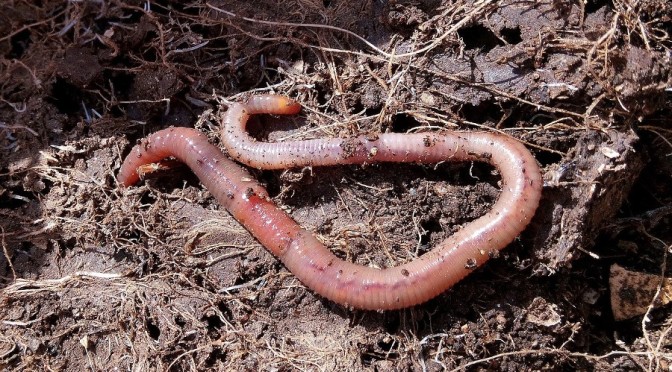
Eisenia foetida, commonly known as the Manure Worm, Red Wiggler or Tiger worm, has alternative bands of yellow and maroon down the length of its body.

You know you have one when you pick it up, it thrashes about, wriggling and squirming.

The amazing attributes of the Tiger worm include, being able to consume their own body weight in food each day.

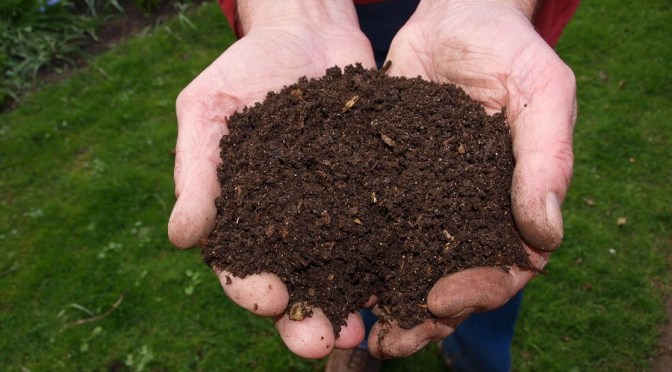
The daily food intake of organic material results in a wonderful, organic material called vermi-cast.

They also produce 60% of their body weight in urine each day which is referred to as leachate.

This leachate is very high in nitrogen and can be diluted 10:1 for use as a highly nutritious plant food.

Tiger worms are surface feeders and they thrive in organic materials such as manure and kitchen scraps when these materials are mulched on top of the soil.

Tiger worms have another interesting aspect as they are a little like Monarch Butterfly’s caterpillars in so much as they are distasteful to predators such as birds.

Thus many birds will leave them alone and being surface eaters this is most important as they are easy prey otherwise.

These wonderful worms are the best compositors in the world, turning waste material into high value nutrients for plants to use.

Everyday you likely throw out kitchen wastes, which clog up our tips and sewer systems.

Such a waste of wastes.

Now what say you could convert your wastes to top quality plant food (leachate) plus highly nutritious soil for gardens and containers (vermicast) and be able to collect these valuable products cleanly and simply?

Well now you can with an amazing unit called WORM-A-ROUND.

Worm-a Round is a special double bin that allows you to run your own Vermicomposting unit and collect the valuable plant nutrients.

Simple to use, you start off with newspaper and kitchen wastes to which is added 250 grams of Tiger Worms.

(These are available from worm growers through out NZ).

Each day you simply add your kitchen wastes for that day and once in full operation your Worm-A-Round bin can cope with 2 kg of kitchen waste per day.

A tap is on the lower, collector bin and each week you can collect about a litre of leachate. This can be stored for use as required.

If you think about it, that’s about $20.00 worth of top quality plant food a week.

Over the following weeks and months the worm population will increase till it reaches its optimum level.

(Worms are self regulating in this aspect).

At this time you could remove some of the worms and place them in the garden under a layer of organic mulch.

Mushroom compost would be ideal for this.

You may like to add them to your own compost heap to get more action from it.

If you don’t remove any worms it does not matter as they will not over crowd their home.

It takes between 3 to 6 months to reach this point.

After a period of time vermicast will reach the top of the first tray and then the second tray should be added to the bin.

Food scraps can then be placed in this top tray, daily.

Once this top tray is three quarters full of vermicast most of the worms will have moved up into it.

At this time you can remove the bottom tray (full of vericast) for use with your potting mixes, as seed raising mix, mulch around plants, or for use under plants at planting time.

It also can be added to water as an additional liquid additive in the garden.

Vermicast, like ordinary worm casts is a beautiful crumbly material just busting with plant nutrients.

Each harvest will save you many dollars in potting mixes and other plant foods.

Except for your initial outlay for the bin, instructions and worms the whole process will not cost you a penny in the future but will return you many dollars worth of products every week for years.

Vermicomposting is an interesting aspect of gardening and of great value to your plants as well as the important principals of recycling.

An activity that even the younger members of the family can enjoy and participate in.

Giving them a better concept of nature and the world around them.

The Worm-a-Round is rat and mice proof so you wont have any problems from the vermin.

I keep a plastic container on the kitchen bench, which kitchen wastes goes into then when full I take out and put into one of my Worm-a-Rounds.

Place your worm-a-round on a table outside in a shaded situation handy to the kitchen for convenience.

Worm-a-Rounds can be obtained by Mail Order through www.0800466464.co.nz

LAST DAYS OF SPRING PROMOTION……..

Here is the original message and conditions….

WELCOME TO SPRING PROMOTION

As many of you are aware this time of the year we try to offer some specials for you to use during the coming growing season.

The following specials will start today 13th August and finish on Thursday 31st August at Midnight.

Any orders must be placed on our mail order web site at www.0800466464.co.nz

ALSO MOST IMPORTANT…PLACE THE WORD SPRING in the CUSTOMER MESSAGE BOX

This allows me to sort out the various discounts and add any shipping before I phone you to organise mode of payment for the order.

(Credit/Debit Card payment over phone which is the best and fastest way alternatively I email you the details for a bank transfer).

While on the phone I can also answer any questions you may have. (It’s called service which is not common these days)

Here are the offerings:

25% off Neem Oil, Neem Granules and Neem Powder

20% off all other items except for BULK items

Of the above: North Island if your order comes to $100 or more after discount then free shipping. (Not including Bulk items)

South Island in your order comes to $150 or more after discount then free shipping. (Not including Bulk items).

10% off Bulk Items such as 10kilo bags BioPhos,  Ocean Solids and Unlocking Your Soil. These bulk products will incur shipping at cost.

No discount on Distillers or Worm-a-Rounds and shipping at cost.

These are 10kg North Island $16.00  South Island $19.00

Up to 25 kg North Island $19.00  South Island $25.00

We do not send to PO Boxes or outer Islands such as Waiheke or Stewart Islands But will send to the Ferry depot servicing those Islands

Phone 0800 466464
Garden Pages and News at www.gardenews.co.nz
Shar Pei pages at  www.sharpei.co.nz
Mail Order products at www.0800466464.co.nz


New Zealand Bill of Rights Act 1990. Part II of the Act covers a broad range of Civil and Political Rights. As part of the right to life and the security of the person, the Act guarantees everyone:

1The right not to be deprived of life except in accordance with fundamental justice (Section 8)

2The right not to be subjected to torture or to cruel, degrading, or disproportionately severe treatment or punishment (Section 9)

3The right not to be subjected to medical or scientific experimentation without consent (Section 10)

4The right to refuse to undergo any medical treatment (Section 11)

 Furthermore, the New Zealand Bill of Rights Act 1990 guarantees everyone: Freedom of Thought, Conscience, and Religion.
This includes the right to freedom of thought, conscience, religion, and belief,
INCLUDING THE RIGHT TO ADOPT AND HOLD OPINIONS WITHOUT INTERFERENCE (Section 1)

Photo: pixabay.com


No dig garden using cardboard (Wally Richards)

I’m currently doing this with my garden plot. Brilliant idea. Especially if you’re a bit past digging extensively! EWR


Cardboard boxes are everywhere.

A lot of products are transported in cardboard boxes, most products we ship out are in cardboard boxes.

Supermarkets have heaps of medium to large cardboard boxes which they often put into a cycling bin as a friendly way of disposing of them.

During the week I chanced to have a chat with a gentleman that is doing similar as our company with a range of products to enhance your gardens.

During the conversation he told me of a method that he suggests to people and gardeners for starting or extending their vegetable gardens.

A method using cardboard that I had never thought of.

I have in the past suggested using cardboard as a mulch to suppress weeds which works very well.

This method is using cardboard to convert part of a lawn area into a productive vegetable garden very simply and very quickly.

In the past when I have converted a lawn to a growing area I have lifted the turf taking the top 50mm of turf off in squares, stacking them somewhere, grass side down, to rot down.

Then I would dig over the bare soil before raking off nicely for planting.

A bit of work but it made a new growing area.

Now this new way is that you firstly mow the area that you want to convert as low as the mower will let you.

You then cover the area with cardboard over lapping to ensure a total coverage of the area.

Do this on a calm day as it is difficult to do when it is windy.

Over the cardboard you put a layer of purchased compost about 20mm thick and lightly water to settle into place.

The reason for the purchased compost is that it will be weed free as long as it did not come from a re-cycling source.

I prefer Daltons Compost as it is good quality and herbicide free.

Most of the others I wouldn’t give you tuppence for as many are just fine bark with some nutrients added or bark with recycled garden wastes.

Once you have the cardboard and compost down then it is time to put minerals and nutrients onto the layer of compost.

I suggest Wallys Unlocking your Soil, BioPhos, Wallys Ocean Solids, Wallys Calcium & Health, Blood & Bone, animal manures, chicken manure, sheep manure pellets and Bio Boost. (As many as available)

Then we are going to place over these products a further layer of compost 40 to 50mm thick.

You need to choose a area that is fairly sunny and well away from trees, shrubs and vines as you are creating a great food source for your vegetables and those other bigger plants will try and robe your garden creating lots of fibrous feeder roots in the plot.

The first season will be ok but the fol,lowing season it will be full of roots and nothing will grow.

To help prevent this happening and to ensure your vegetable plot has good drainage make a trench around the plot area about to a spade depth.

This will allow surplus water to drain into the ditch where it will evaporate from sun and wind.

It will also help prevent some robber roots happening.

You could lay fence palings on top of this trench to allow a place for the wheels of your mower to ride on when cutting the rest of your lawn.

Give them a couple of coats of acrylic paint to seal in the tanalised chemicals.

If you only make your plot about a metre wide then you can work the area from one side.

If more than a metre wide you need to have a mowing strip on the far side to work all around the bed.

You should avoid walking on the b ed as it compacts the growing medium.

One time I did several parallel vegetable beds about a metre wide with lawn in between them at the width of my mower. This allowed me to mow between each growing bed and a nice place to work the gardens from.

I love the idea of cutting the lawn low, covering with cardboard to suppress the weeds and then covering that with goodies and compost. Instant vegetable plot.

On existing vegetable gardens that are currently empty except for weeds the same can be done.

Cover the area with cardboard as above, then the other things ready to plant up.

The cardboard will break down over time and the worms and soil life love it.

Then the following year you may want to put new cardboard down over the bed and repeat as above.

If you have a garden with say oxalis this will bury the plants and tubers and make gardening easier for a while.

Go to your local supermarket and ask them for their used cardboard cartons or help yourself out of the dumpster.

If you happen to be near where we are in Marton then I can supply you with some large cardboard boxes to use.

We are getting g close to Christmas and if you are looking to plant up containers to give away as Christmas gifts then you better get started so they have a bit of time to settle in before you given them away.

Phone 0800 466464
Garden Pages and News at www.gardenews.co.nz
Shar Pei pages at  www.sharpei.co.nz
Mail Order products at www.0800466464.co.nz


RELATED:

Here is a video from Charles Dowding’s YT channel demonstrating this method. For those like myself who like a visual demo. There are other related vids at YT that are also helpful if you search. EWR
New Zealand Bill of Rights Act 1990. Part II of the Act covers a broad range of Civil and Political Rights. As part of the right to life and the security of the person, the Act guarantees everyone:


1The right not to be deprived of life except in accordance with fundamental justice (Section 8)

2The right not to be subjected to torture or to cruel, degrading, or disproportionately severe treatment or punishment (Section 9)

3The right not to be subjected to medical or scientific experimentation without consent (Section 10)

4The right to refuse to undergo any medical treatment (Section 11)

 Furthermore, the New Zealand Bill of Rights Act 1990 guarantees everyone: Freedom of Thought, Conscience, and Religion.
This includes the right to freedom of thought, conscience, religion, and belief,
INCLUDING THE RIGHT TO ADOPT AND HOLD OPINIONS WITHOUT INTERFERENCE (Section 1)

Photo: screenshot Charles Dowding YT channel

Some useful gardening tips (Wally Richards)

For most of the country it has been a poor spring and slow start of the growing season.

We have the daylight hours, in fact we are now only about 7 weeks away to the longest day of the year.

It is the temperatures that are the problem, we are not getting the constant warm temperatures during the day and night.

That does not matter to hardy plants and vegetables that can be grown outdoors all year around such as cabbages. (On line shopping today New World whole cabbage $9.99 at Countdown $7.69)

Lettuce between $3.00 to $4.00 each?

Wow, I currently have so many lettuces that I give then to my chickens.

Not only that as a result of letting one lettuce (Drunken Woman my favorite) go to seed, it self seed giving hundreds of seedlings.

Some of which I have transplanted and currently have lettuce from small seedlings to mature plants going to seed.

I don’t bother growing much cabbage, broccoli or cauliflower as they take longer to mature and we seldom use them anyway in preference to Bok Choy which is much quicker to mature and takes less room.

Silverbeet is an excellent vegetable to grow as it has high nutritional value and you harvest only the outer leaves for use as it will keep producing till it goes to seed.

Whether you grow in open ground, raised gardens or in containers you can produce hardy vegetables that will not only be inexpensive compared to current cost of purchased vegetables but will also have great flavour be free of chemical poisons.

The stuff you buy from Supermarket is not only bloody expensive but are chemically grown and sprayed with chemicals thus having little goodness and a bland flavour.

If it tastes good without having to use condiments then it is good for your health.

Basically no matter how you grow you apply natural products to the soil/growing medium such as any animal or chicken manures, blood & bone, sheep manure pellets at the base.

Garden Lime such as Wallys Calcium & Health, minerals from Ocean Solids and Wallys Unlocking your soil.

Then over this a layer of Daltons Compost. (Most others I do not trust because they can contain recycled green waste which maybe full of herbicides).

Then into this you plant seeds or seedlings and spray them every week with Magic Botanic Liquid (MBL) they will grow twice as fast and twice as big and be very advantageous for your health and budget.

I expect that vegetables in the supermarket are only going to get dearer because of high cost of imported fertilisers, cost of chemical sprays to keep the plants looking perfect on the shelves and the cost of diesel.

Because of the milder temperatures heat loving plants are not fairing very well.

My tomato plants grown in a plastic house in the Auto-pot system are doing ok but plants that like much more heat such as cucumbers, capsicum and chili are sitting and sulking even with the high quality nutrient they have to grow with.

I hate to think how poorly these plants wound do in open gardens along with pumpkin and other cubits.

They would really sulk until the temperatures became better which is most unusual for weather after Labour Weekend in NZ.

If, as some predict, we are heading into a solar minimum which reduces the global temperatures to the extent of a mini-ice age or worse then that would be far worse for food growing than a global warming.

Most of you will have planted or are planting tomato plants currently, if in a glasshouse you will have better results than out doors. Outdoors you need a very sunny, sheltered spot for best results.

Treat the soil with the products mention but don’t use Calcium & Health instead buy some Dolomite.

Tomatoes and Potatoes like a slightly acidic soil pH.

Now this is important to get the best results out of a tomato plant; you make a deep hole and plant it deep, up to the bottom leaves or even deeper.

The reason is that a tomato plant will produce roots all the way up the trunk and often on a more mature plant you will see knobs near the base of the trunk which are beginnings of roots.

If that is seen then mould up growing medium so the root system is increased.

The bigger the roots to feed, the better the plant.

You can place a little of Wallys Neem Tree Powder in the planting hole and sprinkle some of Wallys Secret Tomato Food with Neem Granules on the soil.

That will assist in deterring whitefly especially in a glasshouse as well as feed the plants.

The Secret tomato food contains a good amount of potash which I have noticed lacking in other brands, likely because potash is expensive.

If your tomato, capsicum, chili do not have ample potash then your fruit will lack flavour.

Wallys Secret Tomato Food with Neem Granules was created on the request of a specialist tomato grower who wanted the very best tomatoes.

He told me many years ago that he had tried all the brands but none of them produced really great flavored fruit.

So along with fertiliser experts we created the product, Wallys Secret Tomato Food which over the last 15 plus years has been well sort after by people that love to grow the best tomatoes possible.

There are two types of tomato plants; Indeterminate and Determinate the first is tall growing and is actually a climber the later is a bush type which is short with a wide spread such as dwarf types.

In the Indeterminate type there are very large fruiting ones such as Boy o Boy which can produce fruit weighing 500 grams. Some you need only one slice to cover sliced bread!

To do that you need to not only remove the laterals but also reduce down the amount fruit per truss to get a monster tomato.

Laterals form between the trunk and the leaf branch and in Indeterminate tomato plants it is best to remove them otherwise you get a plant that requires lots of staking and support.

On a determinate plant the laterals are often left on to make the plant bushier and produce a lot more trusses and thus a lot of smaller fruit.

If you allow a lateral to grow about 8cm long you can strike it as a cutting and get free extra tomato plants.

If last season your tomatoes were affected by the tomato psyllid that we wrote about recently then you need to use Wallys Cell Strengthening Kit to protect your plants and be able to harvest tomatoes like you did in the past.

Phone 0800 466464
Garden Pages and News at http://www.gardenews.co.nz
Shar Pei pages at http://www.sharpei.co.nz
Mail Order products at http://www.0800466464.co.nz


New Zealand Bill of Rights Act 1990. Part II of the Act covers a broad range of Civil and Political Rights. As part of the right to life and the security of the person, the Act guarantees everyone:

1The right not to be deprived of life except in accordance with fundamental justice (Section 8)

2The right not to be subjected to torture or to cruel, degrading, or disproportionately severe treatment or punishment (Section 9)

3The right not to be subjected to medical or scientific experimentation without consent (Section 10)

4The right to refuse to undergo any medical treatment (Section 11)

Furthermore, the New Zealand Bill of Rights Act 1990 guarantees everyone: Freedom of Thought, Conscience, and Religion.
This includes the right to freedom of thought, conscience, religion, and belief,
INCLUDING THE RIGHT TO ADOPT AND HOLD OPINIONS WITHOUT INTERFERENCE (Section 1)

Image by Urszula from Pixabay

6 Different Ways To Compost, No Matter Where You Live

VIDEO LINK

Epic Gardening 1.66M subscribers

Composting is ESSENTIAL for gardeners, no matter how big or small you’re growing. In today’s video we’ll look at 6 different ways you can compost and their pros and cons. I’ve done every single method and have filmed many in-depth videos on these, so dive deep and up your composting game to EPIC levels.

1. Hot Composting

2. Cold Composting (Passive Composting)

3. Compost Tumblers

4. Worm Composting

5. Bokashi Composting

6. Direct Burying

WATCH AT THE LINK ABOVE

Photo: thanks to jokevanderleij8 @ pixabay.com

What to do with those fallen leaves (Wally Richards)

A reader from Southland emailed me this week and asked if I could write an article about what to do with autumn leaves.

For some home owners, autumn leaf fall is a curse, just another chore to rake them up and clear the gutters.

For gardeners, leaf fall is a blessing and they gladly collect the leaves to make leaf mould.Leaf mould is excellent for improving soil, also as a lawn conditioner and mulch over gardens.

It can be used in seed raising mixes and potting mixes.Leaf mould is easy to make, its free with a little effort on your part and its a good substitute for peat moss in your gardens.

If you live in an area where there are hedgehogs and you would like to help them through the winter then leave any leaf fall thats under hedges and other out of the way areas.

The hedgehogs may use the places as hibernating sites over winter.

Also if you have bare vegetable or flower gardens either leave the leaves as a cover over the area or place a good layer over the gardens yourself.

Sprinkle garden Lime over the leaves then spray them with Thatch Busta which will help break down the mat of leaves, getting the gardens ready for spring.

This cover of the leaves will prevent a lot of weeds from growing in the bare gardens.

Now to make your own leaf mould with what is left or what you can collect from else where.

There are two ways to do this and one is much faster than the other.

The fast way is to lay some leaves over a flat area of lawn an inch or two thick and the with your rotary mower adjusted to the lowest setting run over the leaves with your catcher on.

Repeat this with another layer of leaves and so on.

When your catcher is ready to empty, open a black plastic rubbish bag and put a few handfuls of leaves and any grass clippings into the bottom of the bag.

Sprinkle over the leaves a handful of garden lime and then spray with Thatch Busta at 10 ml per litre. (If you don’t have Thatch Busta but have Mycorrcin, then use it at 15mls per litre.)

Now add a few more handfuls of mashed up leaves and repeat the lime and spraying.

Press down when bag is full to compress the material and then you can add a lot more.

Finally when the bag is full enough to still be able to tie off, tie the top then with a small nail or thin blade screw driver punch lots of small holes all over the bag.

Toss the bag into a sunny out of the way area and leave for a month or so.

After a few weeks pick up the bag, give it a shake and put it back with a different side facing upwards.

Repeat this about every month or so.The bag will appear to have more space in it as the material coverts to leaf mould.

Within about 6 months you should have a lovely crumbly product that smells good.

The sprinkling of lime is important as the leaves that fall are acidic and you want them sweet so the bacteria will work breaking them down to mould.

The Thatch Busta or Mycorrcin is also very important as they supply the food that increases the microbe populations which speeds up the process.

The alternative method is to place the leaves into a rubbish bag without using a rotary mower to break them up.

Otherwise the lime and spray are used between layers and tied off as above.

This way will take at least twice as long to get your leaves into good leaf mould (say about a year)

Without the lime and Thatch Busta/Mycorrcin then about two years.

If you are not able to clear the leaves and are going to leave them where they fall, then the best thing to do after they have finish falling is to sprinkle some garden lime over them

and spray with Thatch Busta.

Repeat the Thatch Busta spray every month or so to speed up break down.

If you haven’t planted your spring bulbs yet then you should get cracking now.

If you are planting a bed of bulbs then sprinkle the area with Wallys Unlocking the Soil, blood & bone and Wallys BioPhos.

Rake the  products into the bed then plant your bulbs.Remember to place the tallest growing spring flowers at the back or if a bed in the open place tall growing ones in the centre.

The shortest growing will be in the front.Rather than having a bare bed for a while till the spring bulbs emerge, plant some alyssum and lobelia seedlings.

They will make a nice ground cover over the winter and a lovely back drop for your flowering bulbs.Don’t forget to protect tender plants from frost.

Spray with Vaporgard and if there happens to be two or more frosts in a row, night after night then cover plants with frost cloth or sack/newspaper)

Winter time plants hate wet feet but they may still need an occasional drink during periods of no rain.

Container plants not in the open will occasionally need a drink also; best to wait till they start to droop from lack of moisture then give them a small drink.

Plants like citrus trees in open ground that detest wet feet should be sprayed with Wallys Perfection to prevent root rots in winter.

Remove all mulches as they prevent drying of wet soil which causes root rots and diseases during winter.

Leaving mulches on the soil often leads to loses of plants that cant handle wet feet.

If you are one that likes a bit of news on other matters then email me.

Problems ring me at
Phone 0800 466464
Garden Pages and News at www.gardenews.co.nz
Shar Pei pages at  www.sharpei.co.nz
Mail Order products at www.0800466464.co.nz

Photo: ichimi @ pixabay.com