Tag Archives: brassicas

More tips on dealing with pests in the garden (Wally Richards)

The tomato/potato psyllid has caused a few headaches for gardeners when the populations of this relatively new pest build up and they affect not only potatoes and tomatoes but also a number of other host plants such as tamarillo, capsicum,, chili and peppino. The nymphs are so small and you need a magnifying glass to see them clearly, so you may have a small population of psyllids in your back yard and not realise the problem.

To find out if you have psyllids then you can do so by planting a potato either into your vegetable garden or into say a 20cm pot or bucket. Take a potato from the kitchen that has started to sprout and plant it as above. It only has to be into a hole about 8cm deep and covered with soil or growing medium. We are going let the plant grow to maturity and then harvest what tubers have formed underneath. If the tubers are small about the size of a marble and likely re-shooting; that will tell you that you have psyllids and they attacked the potato foliage when it was still young and growing. If on the other hand the tubers harvested are of a good size but when cut them in half, there are dark rings inside or what we call Zebra lines,  then yes you have psyllids and they attacked the plant later after the tubers had grown to a reasonable size.

That means next season when you grow potatoes or tomatoes you need to use controls so that you have a harvest of eatable produce.With potatoes the easy way is to plant very early your seed potatoes like back in July so that the crop is harvested before October. That should allow you to get an ok crop. With tomatoes you need to use Wallys Cell Strengthening kit of products to make the tomato plant cells so tough that the psyllid nymphs can not piece the plant to feed and inject in the toxin that causes all the problems.

Club Root is a disease that affects the brassica family causing the roots to become very distorted and so bad that they cant supply moisture and nutrients to the foliage above. So when you plant your cabbages etc and they grow quite happily at the start, then the growth slows down and comes to a stop normally  before the plant has reached maturity unless it is a miniature, fast growing variety. Its a frustrating disease which is soil born and often it has got into your garden when planting purchased (or given) any seedlings that were grown in club infested soil. Once you have it then I am told it takes up to 25 years to eradicate; that is as long as, during that time, there are no host plants grown in the contaminated area. It does not affect other plants such as silverbeet, beans etc only members of the brassica family which includes swedes. It affects brassicas such as Brussels sprouts, cabbages, cauliflowers, kale, turnips, swedes and radishes, their ornamental relatives such as Cheiranthus (wallflowers), Matthiola (stocks), Aubrieta (aubretia), and cabbage-family weeds such as Capsella bursa-pastoris (shepherd’s purse). In the past steam cleaning the soil was the only known control for it. Other methods can be used such as heavily liming the soil and using a soil drench of potassium permanganate. They can help get quick maturing crops to harvest. If you have the dread disease in the soil then here is a suggestion to maybe help eradicate it.

What you do is plant a cabbage seedling into a 20 litre pot, then in the middle of your vegetable garden you sit the pot on top of some bricks so that it is not in contact with the soil. The idea here is that rain and watering will wash down into the soil below the smell of the cabbage and that will activate the dormant club root spores to swim up  to where the roots of the cabbage are. But as the plant is above the soil and not in contact with the soil then the spores have no where to latch onto and colonise.  So they fizz and die. If you have a big area you may need a few cabbages in pots spread through out the area to try and activate all the spores in the soil. The following season you could test plant a few cabbages into the area and see if they grow and if they are free of the disease.  Otherwise try again the same trick of activating the spores.

Moths are a problem in our gardens because of the eggs they lay and the caterpillars that hatch out to feast on fruit and plants. There are codlin moths which affect apples, pears and walnuts and they are every where in NZ. Then there are Guava Moths which are so far in the more northerly parts of the North Island and they affect all fruit including citrus and nuts. Finally another one called the army worm which is so far mainly in Northland but is likely to build up populations and head south to other gardens. It eats the foliage of just about every thing and is causing a lot of headaches to both commercial and home gardeners. If you can eliminate the three moths before they get to lay their eggs then your plants are fairly safe from damage. Moths are attracted by smell to find their host plants or to feed on nectar for energy. Thus a trap can be used to lure them in and kill them. In my recent book ‘Gardening with Wally Richards’ I have a chapter on moth control and part of that is this simple to make trap to catch and kill them.

Take one litre of hot water add a100 grams of sugar, one teaspoon of marmite, half a tablespoon of Cloudy Ammonia and half a tablespoon of Vanilla essence:

Mix well and divide the mix between two plastic milk or soft drink bottles.

Punch some holes in the side of the bottles just above the level of the mix.

Place on a stand about a couple of metres away from the tree.

At about waist height like on a small folding table.

When a number of moths are caught dispose of them and make up a new solution.

Cloudy Ammonia used to be common once upon a time from a grocery store if not so easy to find try hardware stores, there are two chains in NZ and they may have. (Bunnings and Mitre 10).


TWENTY FIVE PERCENT OFF SALE

Till the end of January we are discounting the following products by 25% to help you gain control of Insect pests and improve your soil quality.

Orders must be placed on www.0800466464.co.nz using the Code 25% in the remarks place.

I will phone you after receiving the order and deduct the 25% off the items below and also give you 10% off most other items except for bulk items.

FREIGHT: shipping charged on orders under $100 (After discounts) North Island In other words order of $100 plus after discount and not bulk items free shipping.

South Island $150.00 plus after discounts for free shipping.

Exception is for Rural delivery a charge of $3.15 on each parcel sent no matter if rest is free shipping or not.

Here are the 25% discount items:

Wallys Neem Tree Granules 1kg normal price $15.00 save $3.75 making it $11.25

Wallys Neem Tree Granules 3kg normal price $28.00 save $7.00 making it $21.00

Wallys Neem Tree Granules 10kg normal price $80.00 save $20.00 making it $60.00

Wallys Neem Tree Granules 20kg normal price $160.00 save $40.00 making it $120.00

Wallys Neem Tree Powder 1kg normal price $15.00 save $3.75 making it $11.25

Wallys Neem Tree Powder 3kg normal price $28.00 save $7.00 making it $21.00

Wallys Neem Tree Powder 10kg normal price $80.00 save $20.00 making it $60.00

Wallys Neem Tree Powder 20kg normal price $160.00 save $40.00 making it $120.00


Wallys Super Neem Tree oil 125 ml normal price $18.00 save $4.50 making it $13.50

Wallys Super Neem Tree oil 250 ml normal price $24.00 save $6.00 making it $18.00

Wallys Super Neem Tree oil 1 litre normal price $60.00 save $15.00 making it $45.00


Wallys Super Pyrethrum 100 ml normal price $28.00 save $4.20 making it $23.80


Wallys Super Fish Fertiliser 1Litre normal price $16.00 save $4.00 making it $12.00

Wallys Mycorrcin 250ml normal price $20.00 save $5.00 making it $15.00

Wallys Mycorrcin 500ml normal price $35.00 save $8.75 making it $26.25

Wallys Mycorrcin 1 Litre normal price $55.00 save $13.75 making it $41.25

Orders must be placed on www.0800466464.co.nz using the Code 25% in the remarks place.

Phone 0800 466464
Garden Pages and News at www.gardenews.co.nz
Shar Pei pages at  www.sharpei.co.nz
Mail Order products at www.0800466464.co.nz

New Zealand Bill of Rights Act 1990. Part II of the Act covers a broad range of Civil and Political Rights. As part of the right to life and the security of the person, the Act guarantees everyone:

1The right not to be deprived of life except in accordance with fundamental justice (Section 8)

2The right not to be subjected to torture or to cruel, degrading, or disproportionately severe treatment or punishment (Section 9)

3The right not to be subjected to medical or scientific experimentation without consent (Section 10)

4The right to refuse to undergo any medical treatment (Section 11)

 Furthermore, the New Zealand Bill of Rights Act 1990 guarantees everyone: Freedom of Thought, Conscience, and Religion.
This includes the right to freedom of thought, conscience, religion, and belief,
INCLUDING THE RIGHT TO ADOPT AND HOLD OPINIONS WITHOUT INTERFERENCE (Section 1)
HOUSEHOLD ITEMS THAT ARE USEFUL IN THE GARDEN (Wally Richards)

There are a number of items that can be used in your garden to the benefit of plants.

For instance a year ago I wrote the article about using Apple Cider Vinegar on fruit trees to increase their performance and to reduce disease problems.

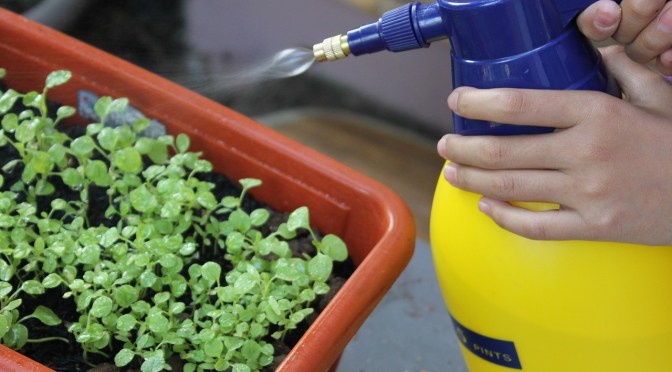
The formula is 250mil Apple Cider Vinegar (ACV) mixed with 5 litres water in a 5 litre sprayer.

Spray the mix in the evening when the sun has just gone off your trees or plants, so the sun isn’t heating/burning leaves through the liquid spray droplets on them, and there’s time for the spray to dry before nightfall..

Spray the whole tree, vine or plant.. under and over leaves, the trunk, branches, twigs, fruit everything..

This will also feed the tree through the leaves (when they are there for deciduous trees) as a foliage food.

Baking Soda applied at a tablespoon per litre of water with Raingard added is good to prevent some fungus diseases such as black spot. (Don’t use on calcium sensitive plants)

Baking Soda can be sprayed over the foliage of oxalis to dehydrate the leaves. Oxalis to sensitive to calcium.

It does not affect the bulbs below but regular spraying of baking soda will keep the garden free of the oxalis foliage without affecting other plants.

To deal to the bulbs in the soil, mix Wallys Super Compost Accelerator at 200 grams per litre of water and water liberally over the foliage down into the soil to compost the bulb and bulblets.

Then there is table salt which can be sprinkled on weeds to kill them which is ideal on pavers and where you dont have other plants growing.

Cooking oils and vinegar can also be sprayed onto weeds in full sun light to dehydrate the foliage and kill annual weeds.

Condys Crystals, (potassium permanganate) a quarter tea spoon per litre of water with or without Raingard to control leaf diseases such as black spot, rust and curly leaf.

Sunlight Bar Soap (big yellow bar) lathered up in water to spray over aphids and soft body insects to kill them. (The fatty acids breaks down their soft bodies)

Dish washing liquid lathered up in warm water to break surface tension to allow water to penetrate.

Aspirin: in plants, just like in mammals, salicylic acid helps them cope with stress and disease. By adding Aspirin to the water, gardeners are hoping to help their plants cope with problems and grow faster and stronger.

The acid is effective on plants because many plants produce it themselves in tiny amounts. Plants produce this acid when stressed or fighting disease. Feeding them a greater supply of the acid proves beneficial. Giving the plant too much aspirin can have a negative effect as it can burn its leaves.

Dissolve 250mg to 500mg of aspirin in 4.5 liters of non chlorinated water and spray plants two to three times per month.

Similarly soak the leaves of willow trees in water for a week or more and use that as a spray as you would the aspirin. Willow water is ideal also for putting cuttings in to help them form roots quicker.

All great uses and here is the most interesting one of all:

Hydrogen peroxide 3%.

I read about this some years ago and it was again brought to my attention recently.

Hydrogen peroxide, well known as an ingredient in disinfectant products, is now also approved for controlling microbial pests on crops growing indoors and outdoors, and on certain crops after harvest.

This active ingredient prevents and controls bacteria and fungi that cause serious plant diseases.

Adding hydrogen peroxide to water promotes better growth in plants and boosts roots ability to absorb nutrients from the soil.

Diluted 3% peroxide adds needed aeration to the soil of plants and helps control fungus in the soil.

It acts as an insect pest deterrent and kills their eggs.

Ideal on brassica leaves for white butterfly eggs this time of the year.

I used 3% Hydrogen peroxide with Magic Botanic Liquid added on tomato and chili plants in my glasshouse and there was reduced actively within a couple of days.

A spray every 2-3 days is ideal for control or once a week or 2 weekly as a preventive.

I see on the Internet that the 3% should be further reduced with water such as 1:1 so if using 3% strength it would pay to do a test spray on a small area of foliage on each type of plant and see if there was any adverse reactions before using at 3% over whole crop or plant.

Ideal this time of the year to reduce pest number going into the winter.

I see the best use is in glasshouses where the product does not get washed away with rain.

Use out doors over and under foliage and you may need to reapply after rain.

Happy Gardening.

For your information I have the 3% hydrogen peroxide available to order thought our mail order web site at www.0800466464.co.nz

It is in the Pest Control section. (Listing will be on the web site with pictures later on today (Sunday 19th April.)

We have a one litre Trigger Spray Bottle Ready to Use with 3% Hydrogen Peroxide and Magic Botanic Liquid spray for $12.50

A one litre refill for the above for $8.00

and a 5 litre ready to use for $40.00

Of course you being subscribed to these Newsletters have a 10% discount off the above as with most of our gardening products.

If you have not used the Mail Order web site previously please tell me when I phone you to sort out payment method and freight that you have 10% off

Regards
Wally

Phone 0800 466464
Garden Pages and News at www.gardenews.co.nz
Shar Pei pages at  www.sharpei.co.nz
Mail Order products at www.0800466464.co.nz


New Zealand Bill of Rights Act 1990. Part II of the Act covers a broad range of Civil and Political Rights. As part of the right to life and the security of the person, the Act guarantees everyone:

1The right not to be deprived of life except in accordance with fundamental justice (Section 8)

2The right not to be subjected to torture or to cruel, degrading, or disproportionately severe treatment or punishment (Section 9)

3The right not to be subjected to medical or scientific experimentation without consent (Section 10)

4The right to refuse to undergo any medical treatment (Section 11)

 Furthermore, the New Zealand Bill of Rights Act 1990 guarantees everyone: Freedom of Thought, Conscience, and Religion.
This includes the right to freedom of thought, conscience, religion, and belief,
INCLUDING THE RIGHT TO ADOPT AND HOLD OPINIONS WITHOUT INTERFERENCE (Section 1)

Image by Maya A. P from Pixabay

Combat Arthritis Pain With These Foods

From mercola.com

NOTE: Due to censorship Dr Mercola’s articles are archived to paid sub soon after publication, in which case the source link may no longer work. The article however is republished here in its entirety.

Story at-a-glance

  • Arthritis is a general term that refers to more than 100 different types of arthritis and related conditions; the four most common categories are osteoarthritis, autoimmune inflammatory arthritis, infectious arthritis and gout
  • Small food choices can significantly impact pain from arthritis. For example, choosing cruciferous vegetables that are high in sulforaphane, an organic sulfur that supports cell function, helps block the enzymes linked to joint destruction and lowers inflammation that drives pain
  • Anthocyanins found in purple and red-colored berries lower oxidative stress and inflammation and support gastrointestinal health, which is crucial to lowering inflammation and improving pain control
  • Marine-based fatty fish are rich in long-chained omega-3 fats that are highly bioavailable and essential to lower the inflammatory response driven by an imbalance between omega-3 and omega-6 fats

When used correctly, food is medicine. Put another way, you are what you eat. You can’t get away from the fact that your body requires nutrients to function optimally, and those nutrients come from the food you consume.

The small choices you make each day, such as a donut as a midday snack or a bowl of ice cream each night after dinner, have a way of catching up with you. One of the ways where food packs a powerful punch is in arthritis pain control.

Food impacts several pathways that make a difference in your pain level and even in the progression of the disease. Food manufacturers want you to believe that a calorie is a calorie — and that calories are all your body needs to survive. But if there is one thing the past years have taught us, it’s that food makes a significant difference to your health.

Before discovering some of the foods that can lower pain, let’s take a minute to explore the term “arthritis.”

Arthritis Is Not a Single Painful Disease

It is crucial to understand several facts about arthritis. For example, the word arthritis is a general term that refers to more than 100 different types of arthritis and related conditions. Arthritis can permanently damage your joints and the symptoms of common arthritis include pain, stiffness and swelling.

People may experience mild to severe forms of the disease and the symptoms can come and go. For some, the symptoms remain the same for years, but for others, the disease progresses and gets worse over time. There are four major categories of common types of arthritis.1

1. Osteoarthritis — This is the most common type and can be found in nearly any joint of the body. More frequently, it appears in the knees, hips, spine and hands. It used to be known as a wear-and-tear disease, but current evidence shows that it affects the whole joint and not just the cartilage, including making the bone weaker and deteriorating the connective tissue.

2. Autoimmune inflammatory arthritis — This is a global term that includes rheumatoid arthritis, psoriatic arthritis, juvenile arthritis and axial spondyloarthritis. Although an exact cause has not been identified, your gut microbiome plays a critical role.

3. Infectious arthritis — This painful condition is triggered by an infection that usually begins in another part of the body and travels to a joint. The symptoms can appear suddenly and cause intense swelling, pain and fever. Treatment usually resolves the condition.

4. Gout (metabolic arthritis) — This is the result of a buildup of uric acid crystals in the joints, more commonly the big toe. Uric acid crystals are a byproduct of the breakdown of purines, which are substances found in organ meat, red meat, some seafood and alcohol. There is some evidence to suggest that osteoarthritis or gut dysbiosis can also contribute to gout.

Sulforaphane Has Healing Properties

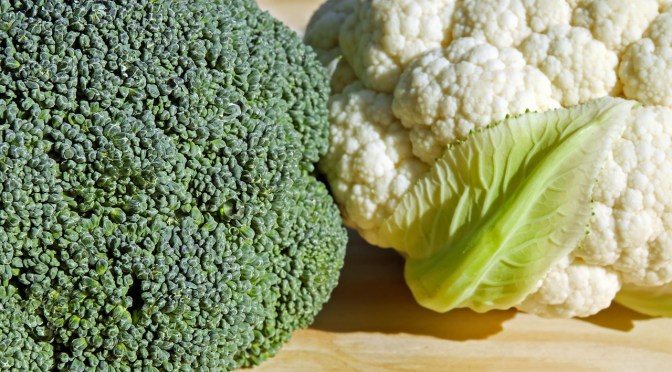
Cruciferous vegetables like broccoli, Brussels sprouts, cauliflower and cabbage contain a compound called sulforaphane. This is an organic sulfur that has been shown to support cell function and division while at the same time causing apoptosis programmed cell death in certain cancers.2,3,4

When sulforaphane was tested in mice and human cell cultures,5 it was shown to target and kill breast cancer stem cells, which prevents the formation and spread of tumors. But the benefits of sulforaphane don’t stop there. It has been shown to reduce inflammation by reducing reactive oxygen species by as much as 73%,6 which in turn reduces cell damage.

Sulforaphane can also help reduce the risk of osteoarthritis,7 in part by blocking enzymes that are linked to joint destruction.8 A team of researchers from the University of East Anglia published a study9 in the journal Arthritis and Rheumatism that showed substances in cruciferous vegetables could slow the progression of osteoarthritis, or possibly prevent it.

Sulforaphane did this by inhibiting metalloproteinases that have been implicated in the development and progression of osteoarthritis. The researchers found it also blocked inflammation to protect against cartilage destruction both in the lab and animal models.

Anthocyanins Play an Anti-Inflammatory Role

Research has demonstrated that there is power in the color purple.10 Purple and red-colored berries are high in anthocyanins, which are secondary metabolites plants produce to defend against predators. Anthocyanins work through a variety of pathways to exert beneficial effects on human health.

They’re primarily known to address oxidative stress and reduce inflammation, which in turn helps pain control in patients with an inflammatory-driven condition, such as arthritis. The science also demonstrates the power of anthocyanins in lowering the progression of cognitive decline and protecting the heart, kidneys, and gastrointestinal tract.

Researchers have demonstrated that anthocyanins, found in cherries and other berries, help regulate lipid and glucose metabolism. Elderberries are high in anthocyanin, vitamin C and zinc. These berries have anti-inflammatory modulating activity11 that may support pain control in patients with arthritis. They also became known for their ability to boost immune function and inhibit colds and flu long before the COVID-19 pandemic.

One 2004 study12 found 15 milliliters (just under 1 tablespoon) of Elderberry syrup, four times a day for five days, eased the symptoms of influenza four days faster than a placebo. In 2019, research13 detailed the mechanism through which Elderberry protects against viral attacks. As reported by Science Daily:14

“… the study showed that compounds from elderberries can directly inhibit the virus’s entry and replication in human cells and can help strengthen a person’s immune response to the virus.”

Let’s Spice Up Your Food

Bland food is never fun to eat. But did you know that by adding a few spices you may reduce your pain level? Researchers have discovered that garlic, ginger, cinnamon and turmeric are compounds that may improve pain control in people with arthritis.

One 2018 study15 found that cinnamon supplementation was a safe adjunctive treatment in women who had rheumatoid arthritis. The randomized double-blind clinical trial included a small group of 36 women who were divided into two groups: those receiving cinnamon and those receiving a placebo for eight weeks.

While the study was small and only included women, the results showed that it had a significant impact on tender and swollen joints with no changes in liver enzymes, lipid profile, fasting blood sugar or erythrocyte sedimentation rate (ESR).

Ginger is another spice that has been under investigation for the effect it has on reducing the symptoms of osteoarthritis. A 2001 study16 found using a highly purified and standardized extract could significantly reduce those symptoms and had a good safety profile.

More recently, a 2020 paper17 confirmed the use of ginger as a safe and promising strategy to lower pain. The researchers reviewed eligible random control trials where ginger was used to relieve pain, including from osteoarthritis. They concluded that ginger was safe and promising, but more studies were needed to analyze the amount required for useful long-term therapy.

Garlic is a staple ingredient in cuisines found in many countries, including Italy, China and Mexico. But it’s much more than a common spice. Data from a 2020 study18 of 62 women with rheumatoid arthritis suggested that garlic supplementation over eight weeks improved oxidative stress and health assessment questionnaires.

Turmeric is well known for its anti-inflammatory properties. A 2016 analysis of randomized clinical trials19 evaluated the use of turmeric extract and curcumin in the treatment of arthritis symptoms. While the results were positive, the researchers found the total number of trials and the total sample size were not sufficient to draw a definitive conclusion.

Another review of the literature published in 202120 compared turmeric against placebos and found a benefit on osteoarthritis pain and function in the knee. Based on the small number of studies, they believed the effects were similar to those that analyzed nonsteroidal anti-inflammatory drugs (NSAIDs).

A 2021 randomized trial21 compared turmeric against paracetamol, a painkiller also known as acetaminophen. The results from this study demonstrated that bioavailable turmeric extract was as effective as paracetamol against osteoarthritis pain and symptoms in the knee and was safe and more effective in reducing tumor necrosis factor alpha (TNF alpha) and C-reactive protein (CRP).

Balance Your Omega-3 and Omega-6 Fat

Historically, the human diet had an omega-6 to omega-3 ratio of close to 1-to-1. Yet, the current Western diet is closer to a ratio of 20-to-1,22 which increases the inflammatory response and therefore has an impact on pain.

Most processed foods and seed oils are high in omega-6 fatty acid. While there are omega-3 fats found in some plants, only marine-based fatty fish have long-chained omega-3 fats eicosatetraenoic acid (EPA) and docosahexaenoic acid (DHA) that are highly bioavailable and essential to good health.

When your omega-6 to omega-3 ratio is out of balance, it increases your risk of obesity23 and the inflammatory response, both of which affect pain control in arthritis. The only way to know if you have enough omega-3 is to take a simple blood test — an omega-3 index.24 This measures EPA and DHA on red blood cell membranes and provides feedback about your dietary choices.

Food Addresses Gut Health and Lowers Arthritis Pain

Finally, while no single food completely addresses gut health, most of your food choices will either support good gut health or harm it. For example, a diet high in ultraprocessed foods is known to change your gut microbiome, which promotes the development of inflammatory diseases.25

The Arthritis Foundation recognizes that your gastrointestinal tract plays a crucial role in some of the most common types of inflammatory arthritis.26 Researchers have discovered that people with rheumatoid arthritis have different levels of bacteria in their gut and babies who are breastfed have a lower likelihood of developing ankylosing spondylitis as breastfeeding is known to positively affect the gut microbiome.27

A 2021 paper28 analyzed the association between the gut microbiome and symptoms of osteoarthritis. They summarized the evidence that supports a gut-joint axis and the interactions between the gut microbiome and factors that affect osteoarthritis, including gender, age, metabolism and joint injury.

Interestingly, data showed that an individual’s gut microbiota can potentially predict the progression of osteoarthritis, indicating that monitoring the gut microbiome may also help monitor the efficiency of therapeutic intervention. Broccoli is one food that helps support good gut health and may impact the pain of arthritis as it is also a source of glucosinolate, a precursor to indole-3 carbinol (I3C).29

In the stomach, I3C generates 3,3′-diindolylmethane (DIM). I3C is a powerful antioxidant and in an animal model, those fed cruciferous vegetables with I3C had healthier guts and were less likely to have inflammation.30 I3C also works by activating a protein called aryl hydrocarbon receptor (AhR), which communicates with immune and epithelial cells in your gut lining, thereby helping to reduce inflammation caused by pathogenic bacteria.

AhR also helps stem cells convert into mucus-producing cells in your gut lining. These cells also help extract nutrients from the foods you eat, all of which translate into improved gut function and health.

As you’ll note, there are several groups of foods that support pain control by lowering the inflammatory response and improving your gut health. Arthritis can be a difficult and life-changing condition that affects your daily activities. Consider taking these small steps to help improve your pain control without medication and take greater control of your life.

SOURCE

Photo: pixabay.com

The anticancer health benefits of kale

(NaturalHealth365) Skeptics question, “is kale really that good for you?” With a resounding “yes,” the health benefits of kale would surprise most people.

In fact, if you did a search at the American Cancer Society, Susan G. Komen or any other conventional resource (online) – you’ll find nothing much about the real value of kale.  Doesn’t that make you wonder, why?

You see, cruciferous vegetables such as broccoli and Brussels sprouts have long been studied for their anticancer compounds.  And, kale – which is a cruciferous vegetable – offers many health benefits, putting it at the top of the list as a potent anticancer food.

Clinically proven to offer widespread immunoregulartory effects, kale contains a myriad of compounds that have been shown to help stop the conversion of certain lesions to cancerous cells. As a result of these combined compounds, kale has been shown to prevent and fight against cancers such as breast, prostate, oral, colorectal, kidney and esophageal.

READ MORE

https://www.naturalhealth365.com/health-benefits-of-kale-3274.html

Image by PublicDomainPictures from Pixabay

5 powerful cancer fighting foods

NaturalHealth365) The American Cancer Society estimates that over 1.7 million people in the United States will be diagnosed with some form of cancer in 2019.  And, while Western medicine remains focused on toxic therapies to ‘treat’ cancer … there are many cancer fighting foods that deserve our attention (and respect).

Based on real scientific evidence, these anticancer foods have been shown to prevent and even stop cancer in its tracks. Want to up your ‘anticancer game?’  Keep reading for some intelligent food choices to help avoid cancer cell growth.

Cancer fighting foods that destroy cancer cells without harming the body

Red frill: One of the spiciest mustard greens you’ll taste, this brassica’s robust flavor boasts two essential cancer-fighting compounds, sinigrin and gluconasturtian.

In a study featured in the Oxford Journal, Carcinogenesis, researchers demonstrated that sinigrin had powerful effects against bladder cancer tumors. In another similar study, sinigrin was shown to inhibit the proliferation of liver cancer cells.  Try adding red frill to a salad or lightly steam, then add organic olive oil and fresh garlic. (yummy!)

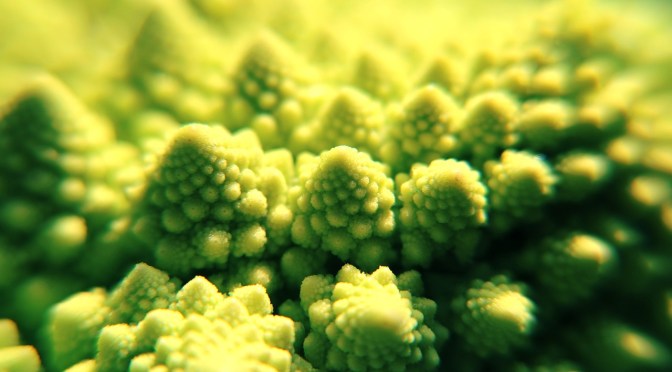
Romanesco: This fractal-shaped brassica contains DIM or di-indolemethane and sulforaphane, two anticancer compounds that have been shown to assist in preventing and fighting estrogen-driven cancers. In a recent study on the biological effects of phytomedicines, DIM was shown to selectively inhibit cancerous stem cells.

The study went on to report that DIM helps overcome chemoresistance of cancer stem cells to cytotoxics and was effective when used alone or in combination with other therapeutics. This beautiful Italian broccoli/cauliflower variety offers a nutty flavor and pairs well with healthy oils such as coconut, olive and ghee.

Did you know?  The liver is the most important detoxifying organ in the body.  When the liver can’t effectively neutralize and dispose of toxins, they accumulate in the body.  Two essential nutrients for healthy liver function are milk thistle and glutathione.  These two ingredients – plus much more – are now available in an advanced liver support formula.  Click here to learn more.

Blast away cancer cells by eating berries

Golden berries: An often overlooked cancer, golden berry showed promise killing atypical cells involved in oral cancer. Golden berries contain 4β-hydroxywithanolide E, the compound the study found to selectively and efficiently kill cancer cells.  Golden berries can be eaten by the handful or added to salads and smoothies.

Superfood powders are great anticancer foods.

Cacao: The journal of Nutrition and Cancer recently reported that polyphenol-rich cacao should be on your colon-cancer prevention checklist. This Mayan super food has been used for ages to promote longevity and enhance immunity and can easily be added to nearly any food in its powdered form.

Turmeric: Well tolerated in very high doses, countless studies highlight turmeric’s multi-faceted ability to effectively minimize the risk of a wide range of cancers such as genitourinary, gastrointestinal, gynecological, hematological, pulmonary, thymic, brain and breast.  Turmeric can be added to your regular juicing routine, smoothies, fish dishes and to any vegetable dish.

Are you ready to build the anticancer living kitchen?

Hundreds of studies have now demonstrated the preventive and healing properties nature’s superfoods offer us. We now know that these foods not only offer nutritive properties, but detoxify the body of cancer-causing agents.

So, learn how to create your very own ‘living kitchen’ and fill it with whole superfoods – as a solid anticancer strategy against the carcinogens we’re exposed to environmentally every day.  Invest in a good juicer and blender; clean out and organize your kitchen to make it enjoyable to prepare food and get the best quality ingredients possible.

Don’t wait for tomorrow, get started today.

About the author: Christine M. Dionese L.Ac, MSTOM is an integrative health expert, medical journalist and food writer. She’s dedicated her career to helping others understand the science of happiness and its powerful effects on everyday human health. Christine practices, writes and speaks on environmental functional medicine, personalized medicine and epigenetics, food science and sustainable living.

Sources for this article include:

Cancer.org
NIH.gov
NIH.gov
NIH.gov
NIH.gov
NIH.gov

SOURCE:

https://www.naturalhealth365.com/cancer-fighting-foods-3018.html