
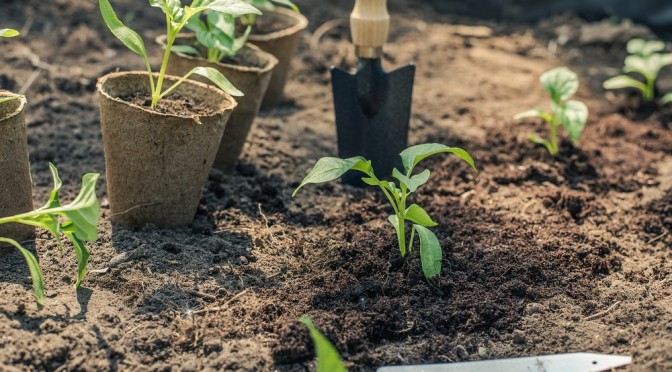
Here we are in the first days of October and only 3 weeks away from Labour Day which is the Traditional time to plant out the heat loving plants like cucumbers, capsicums, zucchini, corn and pumpkins etc. But in most of the country spring has not happened as normal.
August normally shows signs of spring weather with September coming fully into lovely spring days and gardeners out enjoying the spring sunshine.
The current El Nino which is a super El Nino is obviously effecting our otherwise normal weather patterens..
The last time there was a Super El Nino was Historically, the global “super El Niño” of 1876–1878 which also severely impacted New Zealand’s climate, causing extreme conditions documented by early government inspectors.
The super El Niño of 1876–1878 caused an estimated 35 to 50 million deaths from starvation (with some estimates reaching up to 55 million), which was about 3% to 4% of the global population at the time.
Most affected countries were China, India, and Brazil.
Other Affected Regions: Severe droughts and localized food shortages also struck parts of Egypt, Morocco, southern Africa, and Australia
This was caused by famine with massive droughts in many countries or flooding in other countries.
Meteorologists have mapped out a “classic” and highly predictable footprint for New Zealand: Summer:
Strong westerly winds dominate, causing persistent dryness and drought risk in the north and east (Gisborne, Hawke’s Bay, Canterbury, Otago) alongside heavy rain and flooding along the South Island’s West Coast.
Winter/Spring: More frequent, cold southerly and south-westerly airflows bring bitter, wintry snaps.
Looks like the weather man has got it fairly right this time.
It is not what one would call good gardening weather by any means thats for sure.
Food shortages due to droughts and flooding in food growing countries can cause a world wide famine as happened in the El Niño of 1876 -1878.
Where able it would be a wise move to get growing as many hardy food crops as possible and stocking up with essentials such as flour and rice both of which are likely to be in short supply and much more expensive.
Though the normal spring weather has not occurred the day light hours have been extending and deciduous plants, fruit trees, roses and grapes are on the move.
I see that my young peach tree leaves are showing early signs of curly leaf disease because of the damp cool conditions.
Sprays with Wallys Copper Nutrient can help a bit but does not solve the problem I have found.
On the other hand liquid sunshine which you make yourself will put the extra carbs into the stone fruit trees to enable the trees to hold the crop.
It is simply: dissolve a tablespoon of molasses in a litre of hot water and add 10 mils of Wallys Magic Botanic Liquid (MBL) to the litre and spray the foliage every 2-3 days during the day when not raining.
Brown Rot in stone fruit is a frustrating disease and in the past have suggested sprays of a combination of products being, Liquid Copper, Spray able Sulphur, Potassium Permanganate with Raingard.
A two weekly spray of the fruit (not the tree) from the time fruit has set till harvest has helped a lot.
A reader recently told me about a natural spray made in Dunedin that worked well for him last season
I purchased the two products recommended namely BOTRY-Zen 160g Bottle and MIDI-Zen 300ml Bottle cost with shipping was $52.90 so affordable for those gardeners that are frustrated with the disease every season.
The manufacture is found at https://www.botryzen.co.nz/nzsales
The gardener that told me about the products also said there are a number of retail places that stock the smaller amounts for home gardeners but also warned
that unless the retail outlets store the products in a fridge they will diminish their control action which is biological.
Coming up is the time when codlin moths will be active in apple, pear and walnut trees.
For gardeners in the north of the North Island with the far worse; a moth called the Guava Moth which attacks all fruit, nuts, citrus and as I heard last season tomatoes also.
I have written in the past several measures to help control and reduce damage..
Here they are again: Both are relatively easy to control so that you can obtain a reasonable amount of your crop as long as you follow my proven advise. Firstly let us understand how these two pests operate.
Being moths they only fly at night and they find their host tree by the smell of the forming and ripening fruit. So if they cannot smell your tree/fruit they will fly on by to a tree they can smell.
This is the first step in reducing the damage to your fruit by disguising the smell of the tree/fruit.
To do this you need an overriding smell that negates the smell of the tree.
Wallys Neem Tree Powder or Granules scattered on the ground underneath the tree from the trunk to the drip line.
Then by making some little bags out of curtain netting we hang more of Wallys Neem Tree Powder in the tree on the lower branches about head high at the four cardinal points.
Small gauze bags can be found in the likes of $2 shops and are ideal for this purpose.
So we use the Wallys Neem Tree Powder/Granules as described after flowering and when the fruit has formed to a reasonable size.
One application then is all that is needed for each crop to disguise the fruit as the powder/granules last over 2 months slowly breaking down..
The next step in control is to prevent any grubs that hatch out near your fruit from eating their way into the fruit.
Once a grub enters the fruit you have lost the battle cause even if you use a poisonous systemic insecticide to kill it? Whats the point? Its going to die inside the fruit and ruin the fruit.
No you need a non toxic substance on the outside of the fruit that is going to prevent the grub from eating its way in.
Wallys Super Neem Tree oil with Raingard is the perfect answer.
You spray the fruit, not the tree so there is a coating of Wallys Neem Tree Oil on the skin of the fruit
protected from washing off in rain with Wallys Raingard (lasts for 14 days before reapplying.)
The Neem Oil is an anti-feedent which means when the young grub takes its first bite it will get some Neem Oil in its gut and will never eat again, starving to death fairly quickly been so young.
On your mature fruit you will have a little pin pricked scar where it took its one and only bite.
So all you do is just spray the maturing fruit every 14 days that are relatively easy to reach and spray.
Fruit that are more difficult to spray will likely be eaten by birds later on anyway and as long as you are getting a nice amount of fruit to harvest that is all that really matters.
Then there is also another way to control moth problem by which you set up a moth lure to attract them and kill them.
Take one litre of hot water add a100 grams of sugar, one teaspoon of marmite, half a tablespoon of Cloudy Ammonia and half a tablespoon of Vanilla:
Mix well and divide the mix between two plastic milk or soft drink bottles. Punch some holes in the side of the bottles just above the level of the mix.
Place on a stand about a couple of metres away from the tree. At about waist height like on a small folding table.
When a number of moths are caught dispose of them and make up a new solution.
Cloudy Ammonia used to be common once upon a time from a grocery store if not so easy to find try hardware stores, there are two chains in NZ and they may have from Australia..
If you do all three procedures for control or at least the first two then you should be able to once again en joy your own fruit.
The Codlin Moth traps are useful as if you monitor them they trap the male codlin moths which tells you it is the time to start using the Wally Super Neem Tree Oil spray on your apples etc.
If after a month you find no new male moths in the trap you can stop spraying as it is all over for the season. (That is unless you have Guava moths in your region)
Guava moth pheromone traps are a waste of time because they are all year round so there is no time to start or stop control sprays as with the Codlin Moth………..
Alternative to using Neem Powder for a deterrent use the stronger smell of Naphthalene which is Wallys Cat Repellent.
But as naphthalene is washed away with rain you need to use the round bottom of a plastic cordial bottle as an umbrella with the gauze bag hanging under it in the tree protected from weather.
A lady gardener from up north told me about using the naphthalene and as a result had no fruit damaged.
Phone 0800 466464
Garden Pages and News at www.gardenews.co.nz
Shar Pei pages at www.sharpei.co.nz
Mail Order products at www.0800466464.co.nz
New Zealand Bill of Rights Act 1990. Part II of the Act covers a broad range of Civil and Political Rights. As part of the right to life and the security of the person, the Act guarantees everyone:
1The right not to be deprived of life except in accordance with fundamental justice (Section 8)
2The right not to be subjected to torture or to cruel, degrading, or disproportionately severe treatment or punishment (Section 9)
3The right not to be subjected to medical or scientific experimentation without consent (Section 10)
4The right to refuse to undergo any medical treatment (Section 11)
Furthermore, the New Zealand Bill of Rights Act 1990 guarantees everyone: Freedom of Thought, Conscience, and Religion.
This includes the right to freedom of thought, conscience, religion, and belief,
INCLUDING THE RIGHT TO ADOPT AND HOLD OPINIONS WITHOUT INTERFERENCE (Section 1)
Seize the moments of happiness, love and be loved! That is the only reality in the world, all else is folly.
Photo Credit: pixabay.com
Discover more from Environmental Health Watch NZ
Subscribe to get the latest posts sent to your email.
