
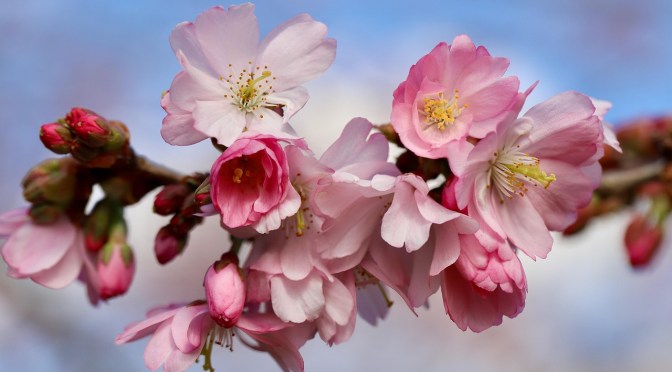
This year in many places through out NZ it is a bit difficult to realise that September heralds the beginning of spring, starting another round of seasons. It is certainly a slow start, weather wise, to what we call lovely spring days but plants do not work by weather, they work by daylight hours, so we have plants on the move but gardeners slow to respond waiting for nicer spring weather.
But what we do in our gardens over the next 8 to 10 weeks will have a big bearing on the rest of the gardening year.
The question you have to ask yourself is whether you want a great and healthy garden for the next 9 months or not?
I remember when I was a boy, 70 years ago, that at this time of the year gardeners would be busy digging in their green crops, mucking out the chook house and spreading this wealth of manure over their gardens along with material from the compost bins.
Lime and potash would also be applied to gardens and all worked into the soil with a garden fork.
The hundreds of worms that would be exposed briefly as these actions proceeded, were very amazing to see.
Hardy plants would be planted out then followed by the more tender plants around Labour Weekend. By summertime the gardens would be bursting with produce and flowers.
It was a wonderful sight having great tasty vegetables and fruit for the table along with flowers for the vases.
Reflecting back and comparing the same with many gardens of today, we find a few things missing in those times, lack of diseases such as blackspot, rust and botrytis.
No sprayers in the garden shed, no bottles of chemicals to rescue plants falling sick, and no bags of man made fertilisers.
In fact the garden shed only comprised of a few garden tools, a lawn mower and other garden accessories such as stakes.
The soil was healthy, teeming with microbes and worms, the plants were healthy and so were we!
So Were We!
Sadly it changed all that over the following years.
Super phosphate was introduced along with man made fertilisers and everything went down hill.
Sure plants still grew, often faster than before but these plants were inferior and required chemical sprays to keep them from succumbing to a number of diseases.
Super phosphate kills the soil life and in my opinion should be banned because of the harm it does to our food chain.
(Super phosphate is produced with acids to break down the natural rock phosphate hence the harm to the soil life).
All the man made fertilisers contain super phosphate in some form including the Nitrophoska fertilisers. Chemical herbicides only make matters worse.
This spring you can make a difference if you wish, use only natural products in your gardens similar to the ones we used in the 1950’s.
Wallys Real Blood and bone, sheep manure pellets, Wallys Calcium & Health or a soft garden lime, gypsum, dolomite, animal manures, bags of compost and natural liquid plant foods.
Avoid if possible chemical weedkillers especially around food producing plants and preferred plants such as your roses. A natural alternative would be to use a cheap cooking oil or vinegar as a spray.
The amount of water to the cooking oil ratio you will need to experiment with, start with say half and half.
Place say 500 ml of warm water into a sprayer and then 500ml of oil with dish washing liquid,(to emulsify the water and oil) shake well so they mix and then spray the contents over weeds on a sunny day when the ground is on the dry side.
Used in full sun the spray dehydrates the weeds and any other plant that maybe sprayed by accident.
The vinegar spray is 500 grams of refined salt (table salt) 4.5 litres of vinegar. Add the salt to a small amount of hot water to completely dissolve then add to vinegar with 5 mls of Raingard.
This spray does have a residue and may for a time affect growth in that area. Alternative is to weeding by hand, or with a Dutch hoe or weed eater is best overall.
Wallys Ammonium Sulphamate which is used to aid the composting of organic material can be used to compost weeds where they grow.
What happens when we use chemicals or man made fertilisers, we kill the beneficial soil life and some of the pathogens but a lot of the pathogens survive to do damage to your plants in the form of diseases.
The good microbes that control the undesirables are not there to do their job.
Insect pests are also attracted to the weakened plants causing you more problems.
In the average garden one would find if a soil test was preformed, that there is a lot of man made fertiliser and contaminates locked up in the soil.
You can release these and remove them by drenches of Magic Botanic Liquid (MBL) and Mycorrcin. Place the products into a watering can and water across your rose bed, vegetable garden and flower gardens.
Do this once a month for two or three months and see how the plants respond. Use the same products to spray the foliage of the plants growing in those gardens also. This will give the plants a natural protection from diseases.
You can also further strengthen the health of the plants by supplying them with all the minerals possible. This is achieved by sprinkling some Ocean Solids and Unlocking Your Soil over the soil and watering in.
The program would be for your vegetable plot and roses (plus any other area you wish to treat) is to apply a little garden lime, dolomite and gypsum,
( 3 forms of calcium plus sulphur and magnesium) along with some Real blood and bone, Fruit and Flower Power (Potash and magnesium) sheep manure pellets or animal manure.
Sprinkle a little of Ocean Solids and Unlocking Your Soil. Then water in with the MBL and Mycorrcin. The beneficial microbes in the soil will grow and control the pathogens.
The plants such as your roses will have all the elements and minerals they require along with a lot of excellent natural food.
As the days go by you should begin to see the healthy difference. (As some gardeners have discovered that by spraying MBL onto their roses weekly that the flowers produced perfumes that they did not do previously)
A recent email I received confirms this program;
“Since reading your book – a garden-changing experience in itself – and following your advice that leads to “Healthy soil, healthy plants, healthy you”, I have made dramatic changes in the way that I garden and the results speak for themselves.
Our garden is a picture of health. We supply all our own vegetables from our small patch on the outskirts of Tauranga, and hand plenty of produce over the fence to our neighbours. It has been an absolute joy to watch the soil take on a new lease of life.
Even our lawns are more verdant – and lawns in the heat and humidity of Tauranga are difficult to control. I am hoping that another year of MBL and Unlocking Your Soil will have the lawns in pristine health.
So I want to say a big “Thank you” for sharing your knowledge, for your regular newsletters and for your prompt service, all of which leads towards a healthy environment full of healthy people.
With kind regards, Mary.
Its very satisfying to hear these comments and great to know people can get back to enjoying their gardens. Wally Richard
Phone 0800 466464
Garden Pages and News at www.gardenews.co.nz
Shar Pei pages at www.sharpei.co.nz
Mail Order products at www.0800466464.co.nz
New Zealand Bill of Rights Act 1990. Part II of the Act covers a broad range of Civil and Political Rights. As part of the right to life and the security of the person, the Act guarantees everyone:
1The right not to be deprived of life except in accordance with fundamental justice (Section 8)
2The right not to be subjected to torture or to cruel, degrading, or disproportionately severe treatment or punishment (Section 9)
3The right not to be subjected to medical or scientific experimentation without consent (Section 10)
4The right to refuse to undergo any medical treatment (Section 11)
Furthermore, the New Zealand Bill of Rights Act 1990 guarantees everyone: Freedom of Thought, Conscience, and Religion.
This includes the right to freedom of thought, conscience, religion, and belief,
INCLUDING THE RIGHT TO ADOPT AND HOLD OPINIONS WITHOUT INTERFERENCE (Section 1)
Seize the moments of happiness, love and be loved! That is the only reality in the world, all else is folly.
Image by Annette Meyer from Pixabay
Discover more from Environmental Health Watch NZ
Subscribe to get the latest posts sent to your email.
