
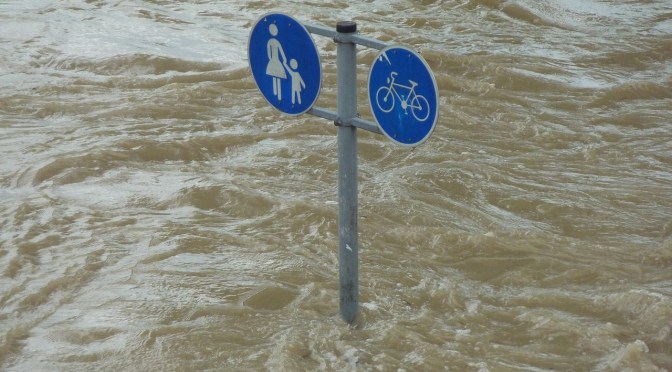
From Robin Westenra @ substack
After posting this yesterday
Was the closing of bridges in Lower Hutt a psyop, or an “abundance of caution”?
Robin Westenra 21 Apr
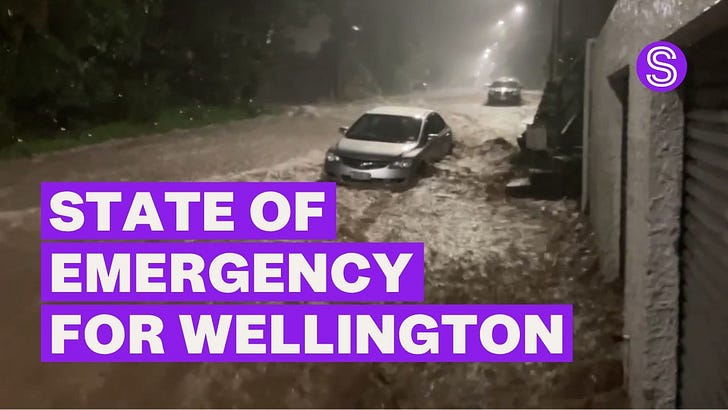
That is not an assertion but points to a line of questioning
I had some very helpful comments from TruthWatchNZ that I wish to share with you.
Coming from the Rangitikei myself yes that river photo does look like the Mangaweka area!
IMHO I’d watch those closures. I’ve been looking closely at the disasters world wide (many manufactured via weather modification tech) and there are growing similarities to how they go down.
One of them is blocked exits. Road blocks. Closed bridges. In one of the Lahaina articles it was noted that only those who ran the road blocks lived to tell the tale.
Another aspect is, they call private rescues to a halt. And/or prosecute them after the event. (Mt Maunganui, White Island, Gabrielle, Pike River).
They also release dams pleading innocence but give no warnings or very late warnings.
Another is, warning alarms not working or again, too late.
It’s all forming a pattern which doesn’t make sense until you begin to join other dots and listen to real first responders.
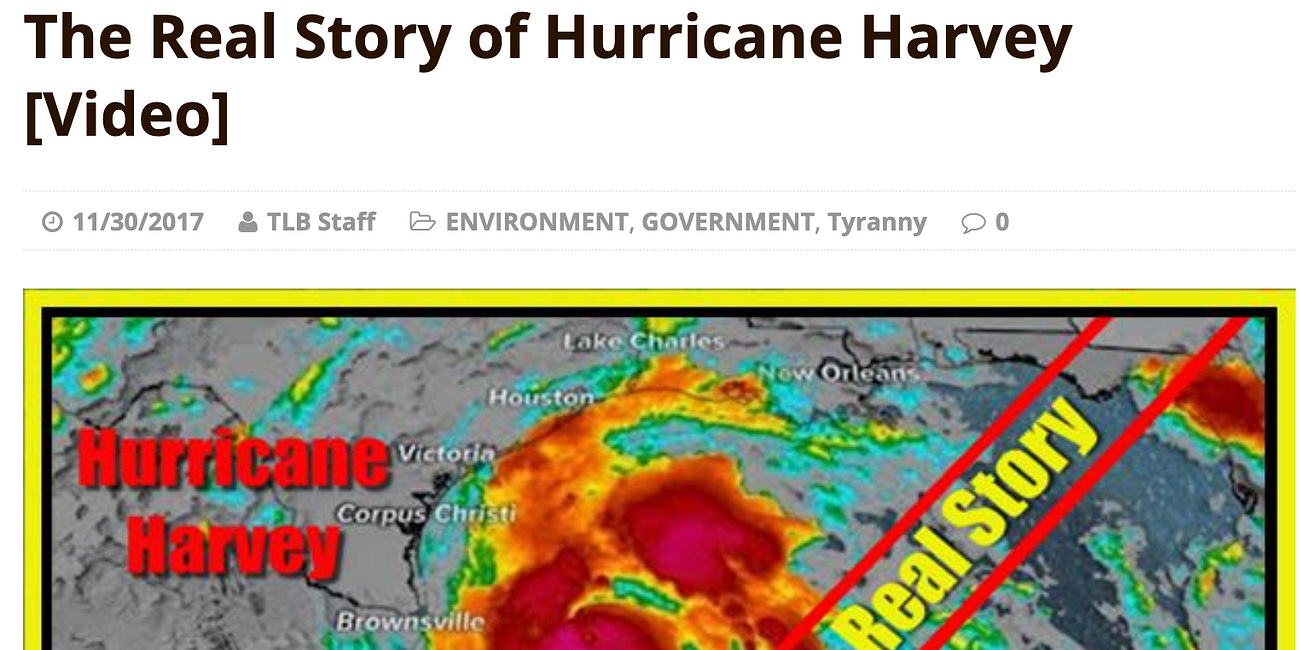
These two from Hurricane Harvey tell all, (note there’s a video at the end of the article):
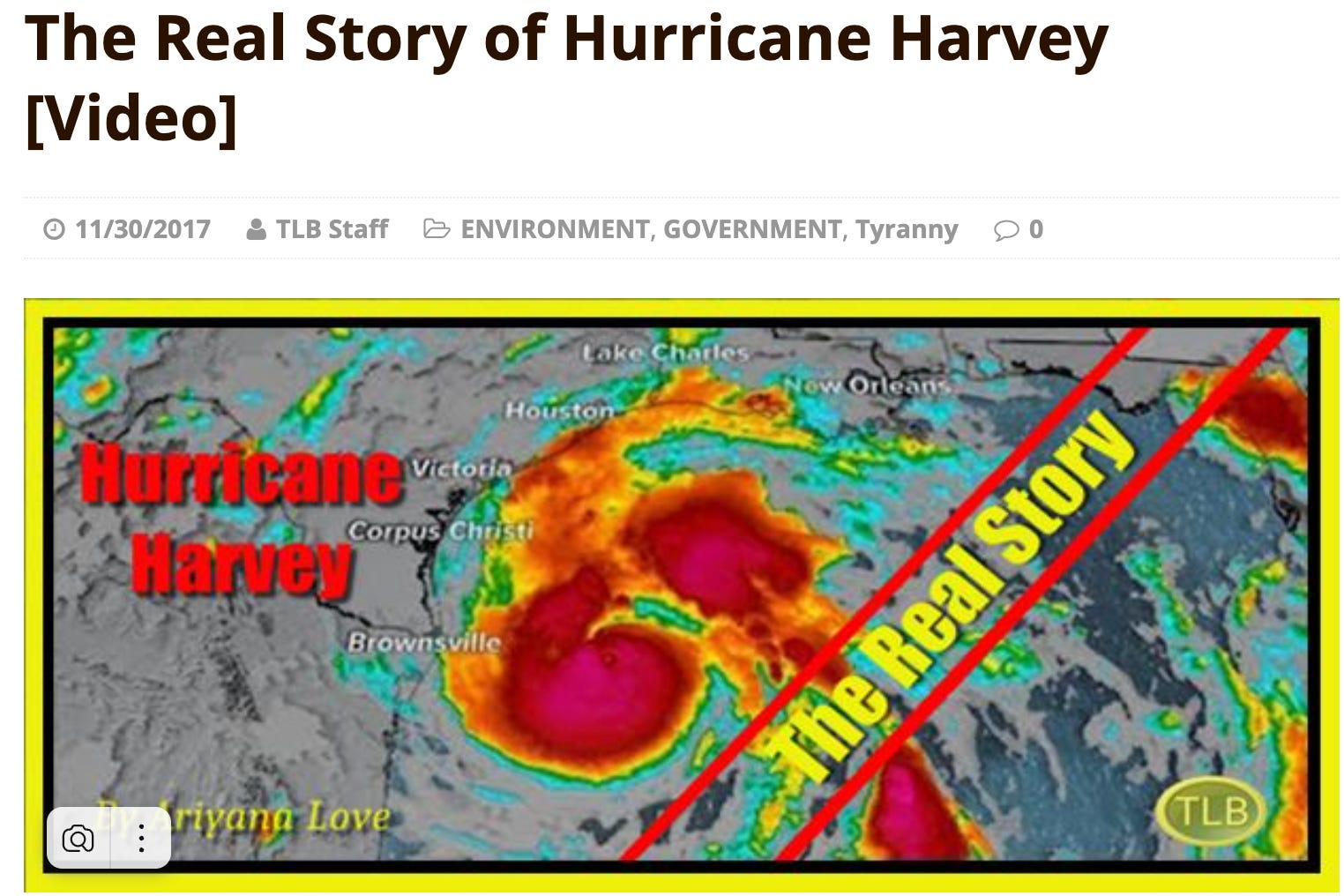
The resultant aftermath also brings red stickering of homes. And/or resources under the ground as in Helena in the US. NZ looking similar in the case of Coromandel:
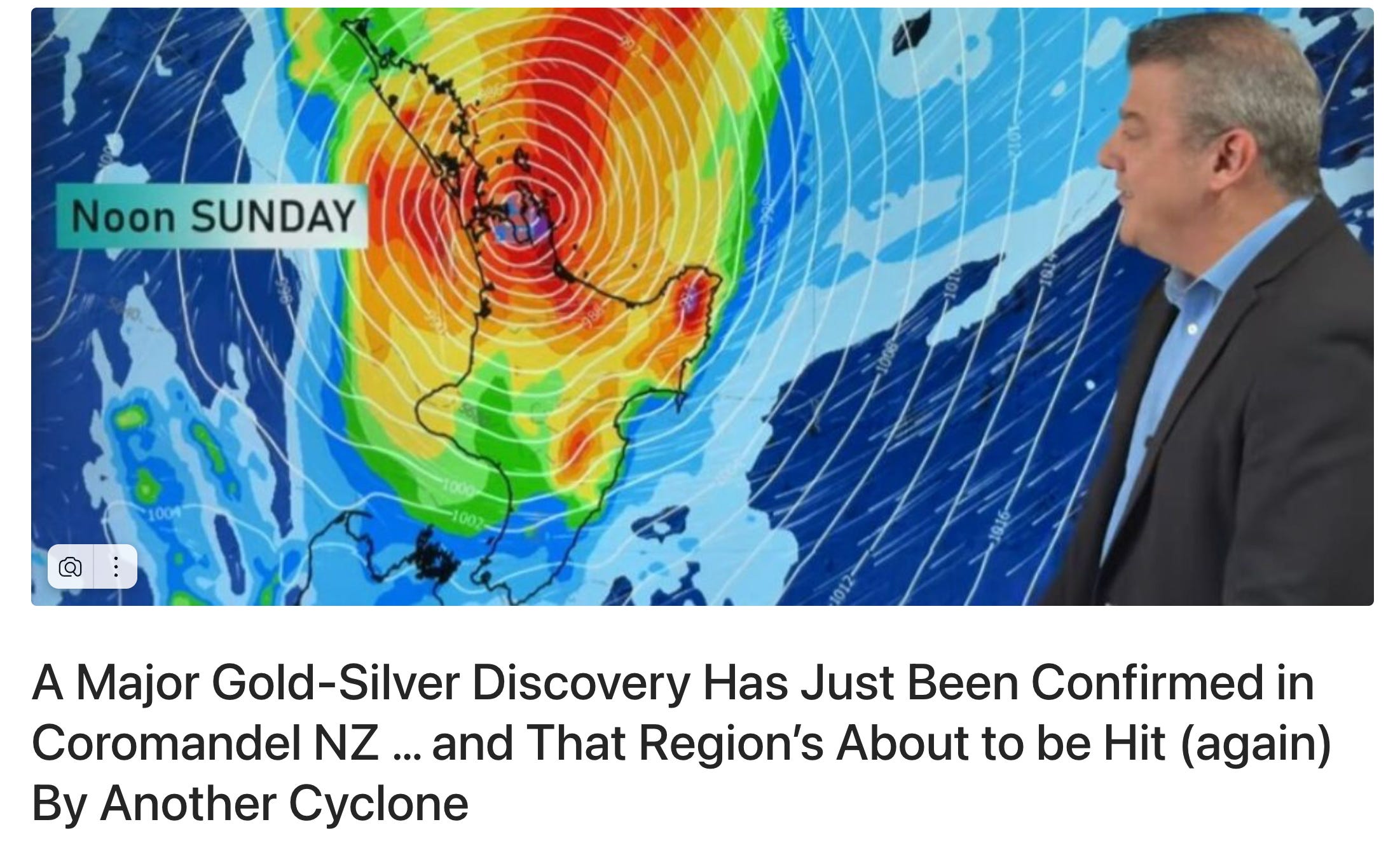

Right on cue isn’t it? They want to tap into our resources. If you didn’t already do so, read: A major gold-silver discovery has just been confirmed in Coromandel, NZ … and that region’s about to be hit (again) by another cyclone. (And it was, now a week on, with Coromandel worst hit).
https://truthwatchnz.is/all-categories/resources/what-trumps-america-wants-from-nzs-mines
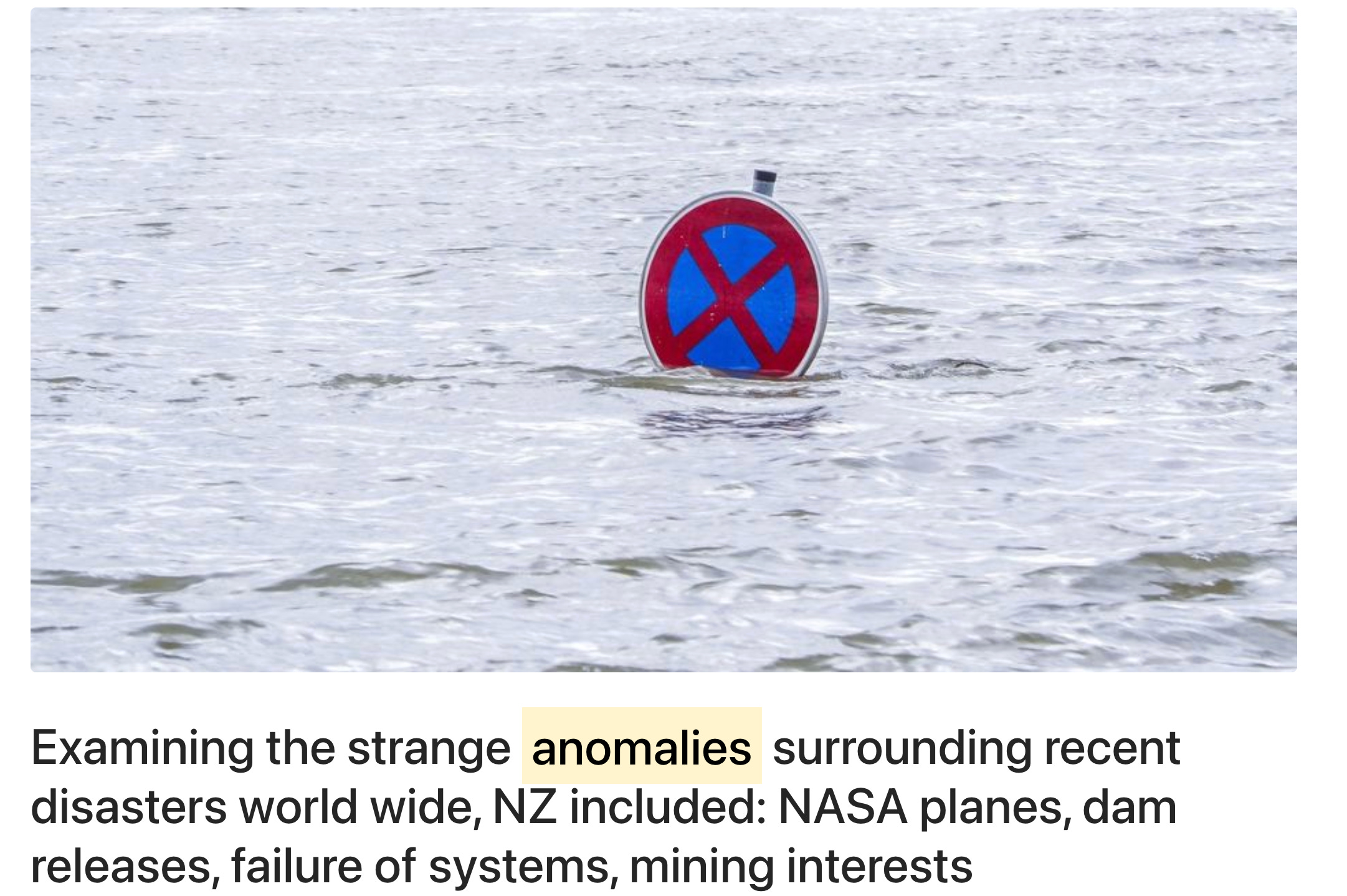
Joining dots on the recent hurricanes, flooding and other disasters world wide (a collection of links coming soon from the disasters in the US, Spain and more recently Ireland). The dot joining was sparked by recent videos drawing attention to various anomalies surrounding disasters, particularly the activities of NASA planes just prior to flooding, in particular, regarding Hurricane Helene.
You may recall the appearance of a strange ship before the Spanish flooding. I go on to link some of the similarities with events in NZ involving aircraft and the scouting out of mineral and other resources contained in the various targeted lands. As with any dot joining, it’s ‘watch this space’. I figure time always tells, plus it all usually tracks to ‘follow the money’. Of interest in light of recent revelations regarding the corporate interests of David Seymour and how they may link to his desire to meddle with NZ’s Treaty of Waitangi.
This first video is by the Weather Modification channel at Rumble, draws attention to the electrical anomalies occurring around the time of Hurricane Helene, including the strange flight path of a NASA aircraft. Also highlighted, is that this was around the time of the 70th anniversary (October 13, 1947) of the first ever cloud seeding experiment that demonstrated a hurricane could be steered. Named Project Cirrus. (Note, those who still think it’s all conspiracy. That term was a handy go-to originating with JFK’s assassination, created to deter any would be questioners of the official narrative.)
“On the afternoon of October 13, 1947, an Air Force B-17 aircraft penetrated a hurricane 415 miles (667 km) east of Jacksonville and dumped several pounds of crushed dry ice into the storm, just to see what would happen. This was the first attempt to modify a tropical cyclone by seeding it with freezing nuclei. It was almost the last.” NOAA
See also an article from Weather Modification History (WMH). …
A key article on the White Island tragedy in 2019 that has been buried.
White Island tragedy exposed a growing institutional cowardice
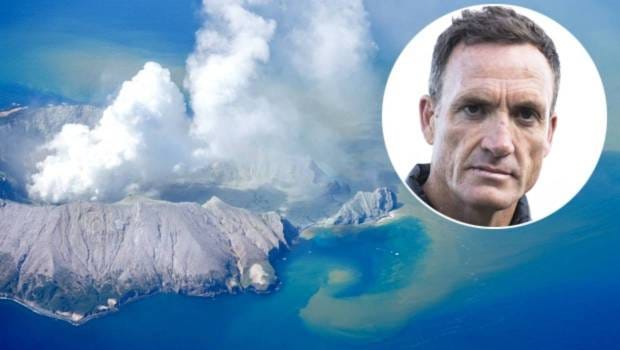
On the 1st December 2019 New Zealand’s Civil Emergency department was transformed into the National Emergency Management Response – NEMA for short. A week later, White Island erupted on December 9th.
Some Australians are praising New Zealand Prime Minister Jacinda Ardern for her classy response to the White Island volcano disaster. Oh, it’s a class act all right.
I wonder what they’d think if they learned that after the volcano erupted, the emergency services were told not to respond. The first responders were ordinary New Zealanders – real heroes. They’re the ones who acted. The NZ Government had nothing to do with it – although they’ve taken the credit.
After Whakaari/White Island, it’s up to us to save ourselves
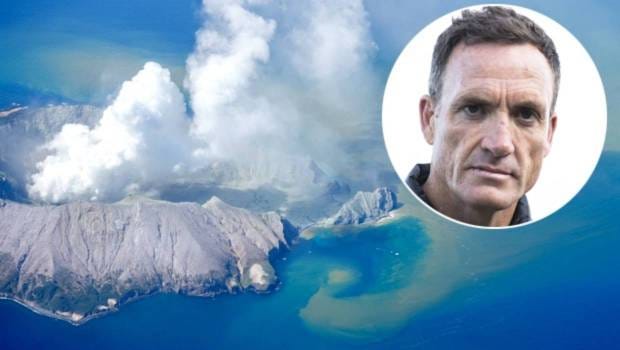
Whakaari/White Island and, inset, helicopter pilot Mark Law, who flew to the island to help as soon as he heard of the eruption.
OPINION: “The tragedy at Whakaari/White Island last week exposed a growing institutional cowardice among emergency services, particularly police, that affects their usefulness to citizens.
When the eruption occurred, and the emergency calls started on Monday afternoon, police and rescue services decided that they would not head to the island to help.
It was left to my fellow citizens to respond with māia (courage). Those nearby, and back on the mainland, reacted instantly and humanely. They ran, flew, and sped by boat toward the danger.
Politicians and officials have praised these as “first responders”. Their use of the phrase was a dishonest attempt to hide that these people were not official first responders, but ordinary people.”
Read more – Source: http://www.stuff.co.nz/national/118219897/after-whakaariwhite-island-its-up-to-us-to-save-ourselves
Risk aversion
A man would tell the leadership to “grow a pair” and respond. To “grow a pair” is to tell someone they don’t have the balls, that they SHOULD have to do something “manly” But this feminist led leadership isn’t configured to “grow a pair.”
Finding NEMA
Where was NEMA? Perhaps they were paralysed by OSH – another stifling government department called “Occupational Health and Safety,” which is also led by a woman. I guess we’ll have to ask Jacinda, our prime minister.
The head of the newly formed NEMA is Carolyn Schwalger, from the Department of the Prime Minister and Cabinet, New Zealand.
It’s not a good look for the New Zealand government.
12 Dec 2019, aftermath:
White Island eruption – What police boat was doing so close to shore
“Police initially refused to reveal the boat’s specific activities so close to the island when asked for information by Newshub, saying it was “providing whatever support was required.” A spokesperson stressed no individual stepped foot on the island.
However, on Thursday, after Police Minister Stuart Nash blasted police communication and called for greater transparency during the eruption aftermath, police confirmed the boat was the launch site for drones.”
Then wind forward to Cyclone Gabrielle about which we were lied to so much.
At the time there was much talk of people (mostly seasonal workers from he Pacific islands being washed out to sea.
This had to be searched for and found in the Wayback Machine
‘I’ve seen hundreds dead’ – rescue helicopter pilot
A rescue helicopter pilot operating in the Hawke’s Bay says he has seen hundreds of dead bodies which have yet to be recovered.
The pilot spoke to a contact of DTNZ on condition of anonymity.
He told our contact the rivers and flooded areas were ‘littered with bodies floating in the water’ and that these were New Zealand’s ‘darkest days.’
‘I’ve seen hundreds of dead bodies’, he said.
New Zealand’s foreign owned and government-funded legacy mainstream media put the current death toll at 11, although ‘thousands are still unaccounted for.’
After initially refusing international offers for help, Prime Minister Chris Hipkins is now accepting them. A National State of Emergency has been declared – for only the third time in New Zealand’s history. Hipkins said Gabrielle was the biggest natural disaster in New Zealand ‘this century’.
Meanwhile looting of Hawke’s Bay properties continues. DTNZ has been contacted by a number of residents who say they’ve been burgled while their houses and surrounded buildings are unoccupied. Yesterday police said they had conducted ‘2,208 reassurance patrols to keep people and property safe’ in the province since 14 February.
Facebook shadow-banning posts critical of government’s response
DTNZ has been contacted by a reader who provided irrefutable evidence Facebook posts critical of the government and PM Hipkins were being shadow-banned by the American social media network. Posts praising Hipkins appeared normal.
Many social media users were concerned the government and legacy mainstream media were suppressing information about the death toll and instances of organised crime looting and threatening to kill Hawke’s Bay residents.
More video and images of the damage caused by #CycloneGabrielle pic.twitter.com/wCQsGy00Jm
— The Zeitgeist (@TheZeitgeistNZ) February 14, 2023
First PM Chippy, then GaGa Nash , now Kiri on @AMShowNZ saying looting in the Bay is just another day in the Bay and looters should be good. No plans to impose appropriate sentences. They are Fine with police guarding ATMs #CycloneGabrielle
— Laurel Hall (@Laurelhall58) February 19, 2023
Ardern & Hipkins enabled this. It’s like something out of a movie. Emboldened gangs looting people who have lost everything. Police telling them not to bear arms but the gangs are!
Frustrated Hawke’s Bay residents set up blockades after recent looting https://t.co/Swsj1Zjz0k
— Top of the Mark🧢 (@mark_smitheram) February 18, 2023
New Zealand has declared a state of national emergency in the wake of Cyclone Gabrielle. Take a look at the extent of the flooding in Hawke’s Bay, NZ:pic.twitter.com/KXAt9hs3lC
— Steve Hanke (@steve_hanke) February 14, 2023
My reports from the time have disappeared with my old blog site, but we have this:
In flood-ravished Hawkes Bay the market is being flooded with maize from Europe while the silos are full
·25 May 2024
Remember Cyclone Gabrielle?
At the time this warning from Robert Deutsch was key while the official channels failed to forecast it
Fast forward to last weekend in Wellington region.
Re. the river that appeared on official social media warning about the Hutt River bridge closures
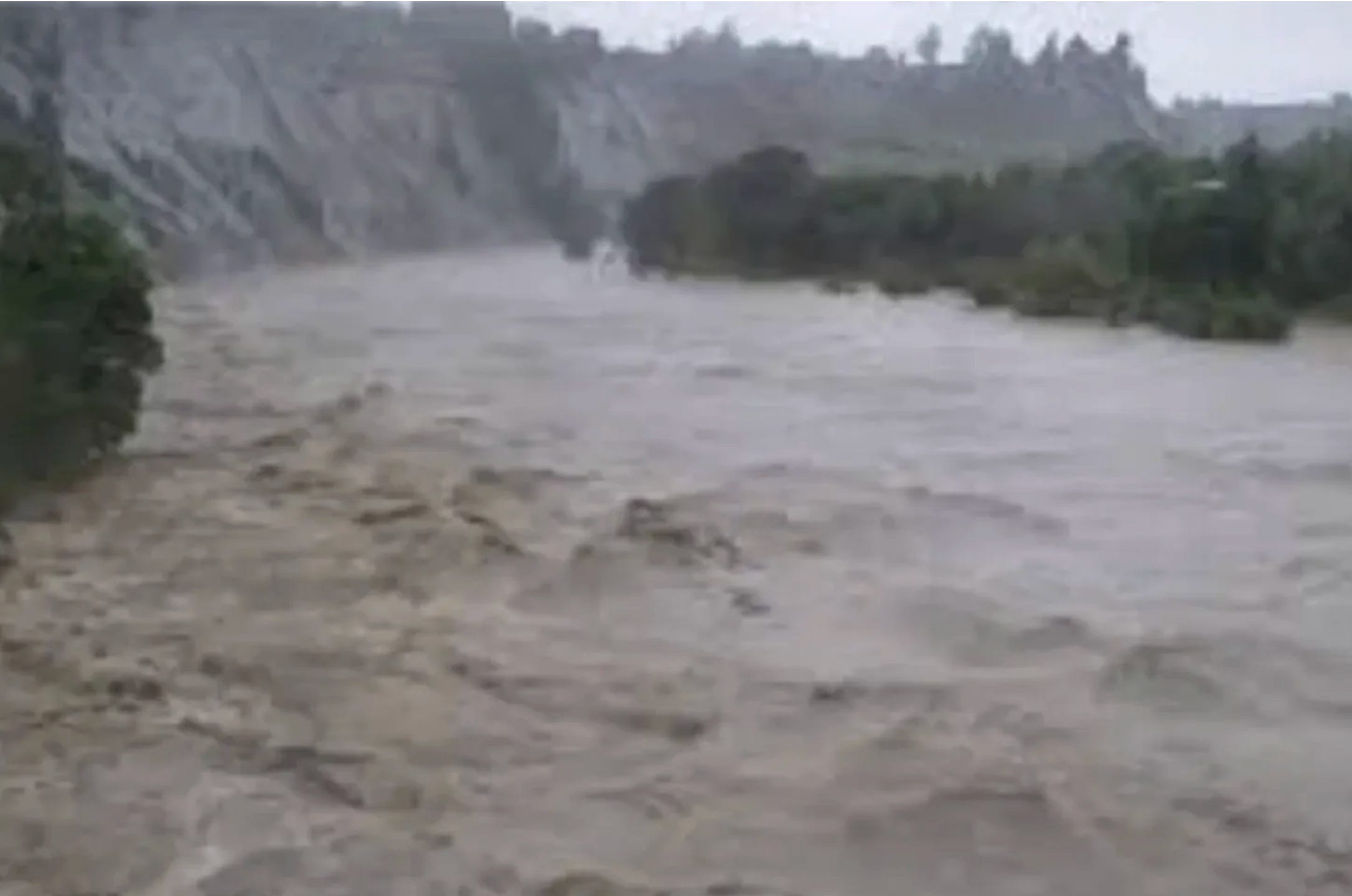
One of the official posts came together with this photograph.
The only problem was the photo was not of the Hutt river, nor even, seemingly, from this region and people on social media picked it up immediately.
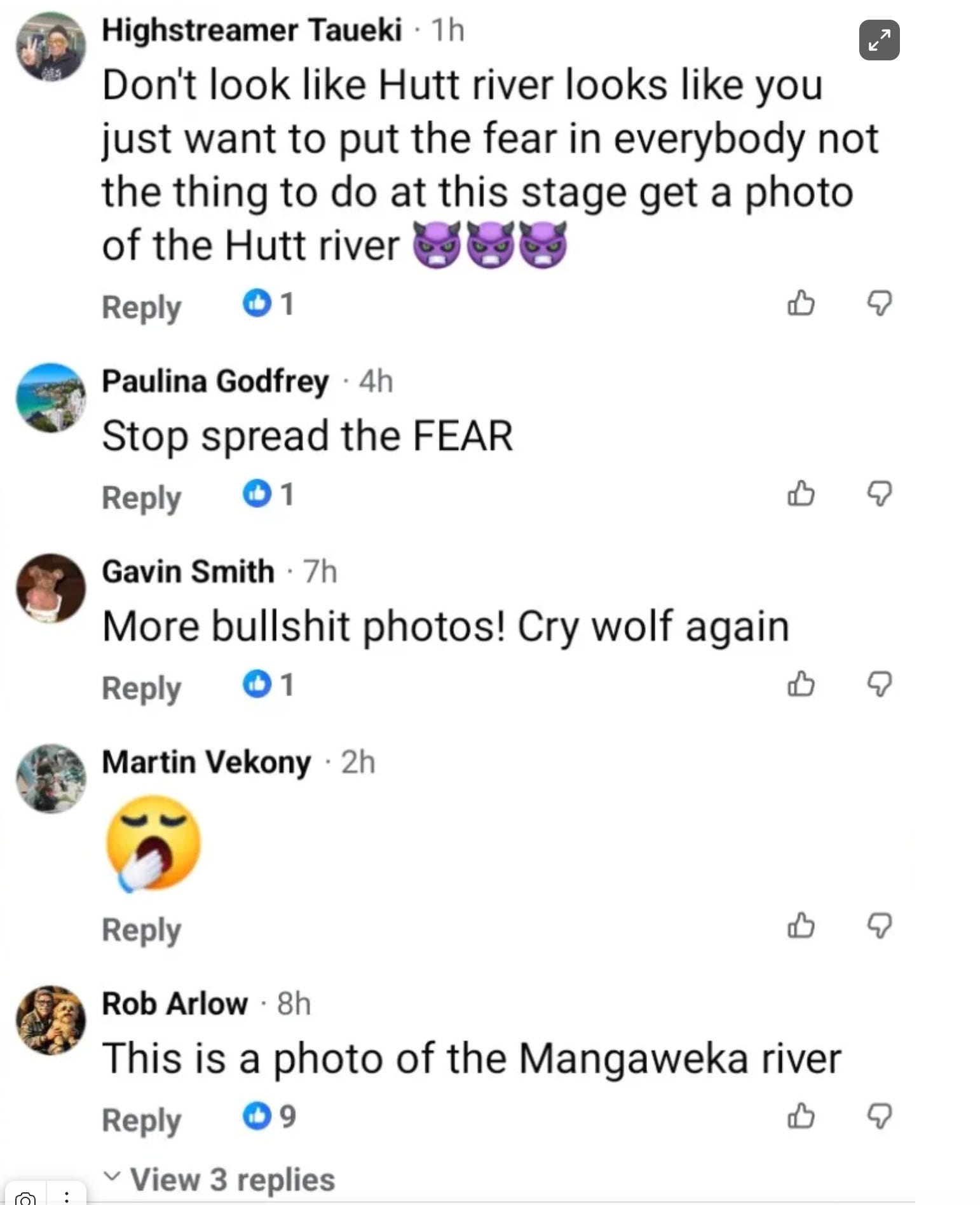
From TruthWatchNZ
I grew up swimming in that river …. high cliffs are the giveaway. I’m working on further articles from my observations. Would like to share this one as it’s on topic. Just further comment on it … the ruining of businesses with all the road works.
This happened in the small towns (which we know they want shut down)… they do up the main streets with gardens and trees and in that process do away with a lot of car parks.
In the small town of Foxton I believe they lost around 22 parks. The locals didn’t want the do up but they do the old Delphi technique – public consults then do it anyway.
The Foxton meeting I went to… folk from Feilding spoke up & said the street do- ups in Feilding ruined their businesses as there were no parks during the works, then hardly any parks left afterwards!
Diabolically cunning!
Here is something more current
Firefighters, police clash over cliff rescue of woman trapped in ‘extremely precarious position’
14 April 2026
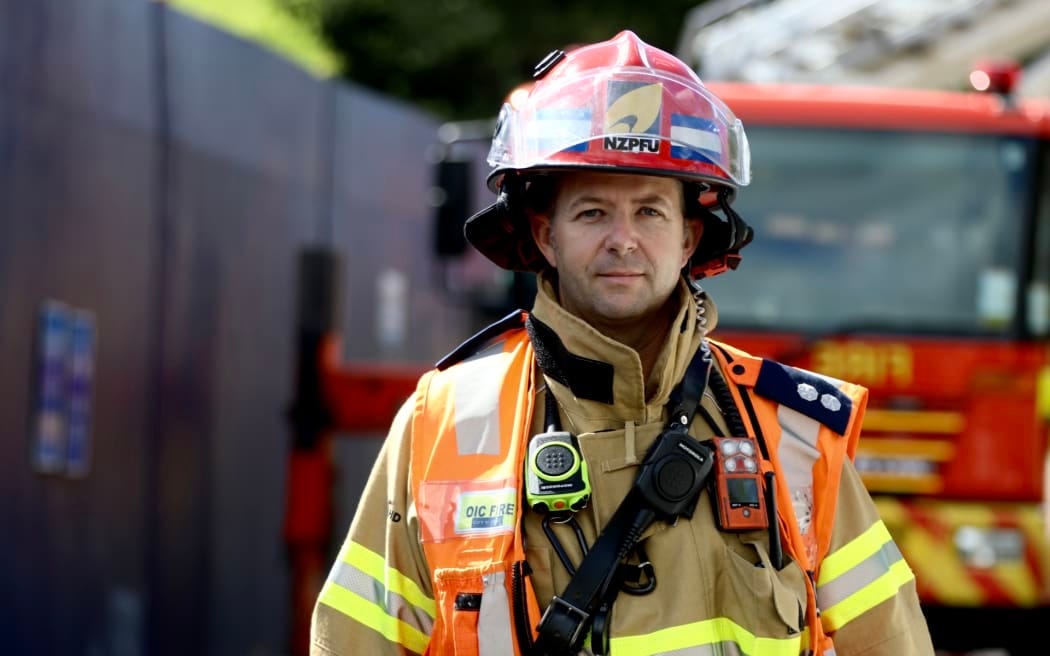
FENZ Senior Station Officer Michael Manning. Photo: RNZ/Marika Khabazi
Firefighters describe clash with police over Auckland rescue
Firefighters have described clashing with police over who should rescue a woman trapped on a cliff above the sea north of Auckland last month.
A couple walking on the beach had taken refuge from the advancing tide but she became stuck at Tāwharanui Peninsula near Warkworth on the evening of 23 March.
A call log showed Police suggested Fire and Emergency (FENZ)’s lines rescue team stand down, even though it had responded much faster than their team.
“Essentially we’ve had the victim stuck on the side of the cliff, clinging to a flax bush for an extended period of time needlessly,” said FENZ team leader Michael Manning.
Police waited half an hour to alert FENZ when the emergency call came in at 7.21pm.
The logs show despite this, the specialist team of firefighters skilled with ropes and harnesses got there well before a police team and hoisted the woman up.
“She was in an extremely precarious position,” said Manning.
Manning and colleagues said such choke points were recurring and Police needed to sort it out with FENZ.
Decisions were being made “at the expense of the New Zealand public who require a capability to be able to intervene in their greatest time of need”, said a lines rescue trainer Josh Nicholls, speaking as an Auckland union representative.
Police said it was up to them as lead agency to deploy resources – they considered using the Eagle police chopper, Coastguard and ropes – and this rescue went by the book.
“We were and rightly remained the lead agency” at Tāwharanui.
Internal FENZ emails showed last year it had talks with police in which they agreed several rescues had been sub-par and a FENZ deputy national commander said he had been calling on agencies together to work it out. Nicholls said nothing had changed since.
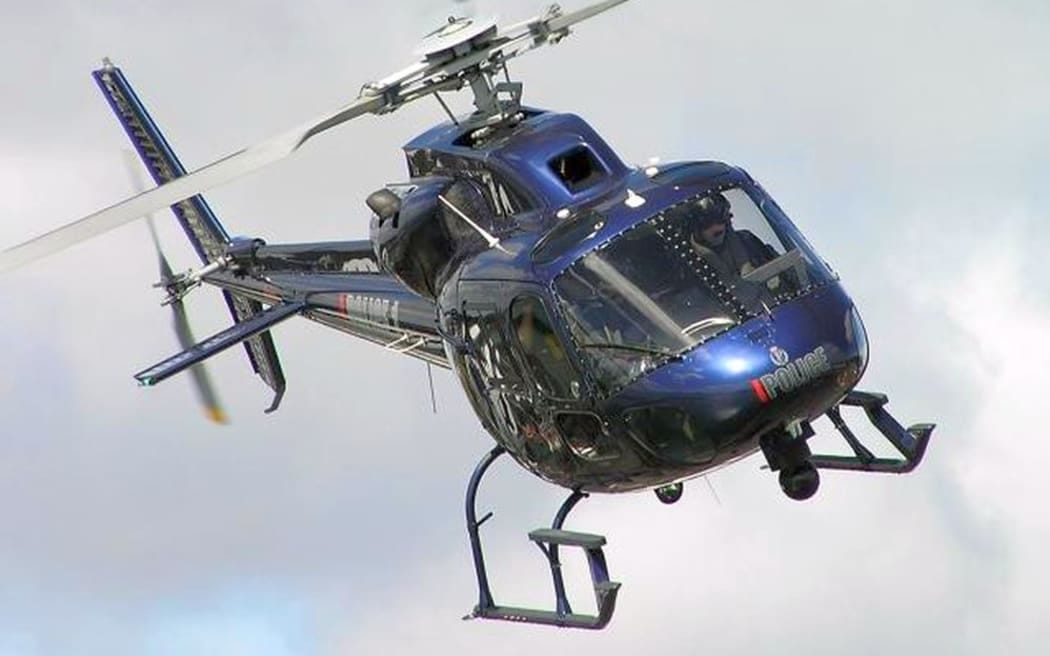
Police considered using the Eagle police chopper, Coastguard and ropes. Photo: Supplied / NZ Police
‘We should stand down’
On 23 March, both Police and Fire and Emergency sent lines rescue teams to Tāwharanui peninsula.
Call logs show Police took two hours and 49 minutes to get their crew there.
FENZ took just an hour and four minutes.
Once Police alerted FENZ at 7.51pm, Manning’s crew took seven minutes to set off. A quarter hour later, Police were still discussing deploying their team.
As they drove to the peninsula an hour north from Auckland, Manning said they were told to stand down.
“Police have put some messages across the shared channel … stating that they will be the lead agency for the event and that they were going to try and mobilise the police search and rescue team … and we should stand down from the call.”
The police told RNZ their log showed their search and rescue (SAR) coordinator advising FENZ at 8.03pm to “stand down if not deploying”.
At 8.04pm the coordinator advised “police leading. Police ropes team will deploy”.
Manning said a FENZ duty commander also told them to stand down.
His response? “Absolutely not … the woman is still trapped on the side of the cliff and is far from being rescued.”
Abseil down, hoist up
Manning’s six-person lines rescue team got to the car park at the peninsula road-end at 8.55pm.
This was still about half an hour’s walk away from the cliff top through locked gates.
“You’ve got to appreciate, mate this is a pretty time-critical rescue,” said Manning. “This lady had been on the side of the cliff now for about two hours exposed to the elements and I needed to get my team forward to effect the rescue.”
It was not until over an hour later, at 10.10pm, that the police SAR van got to the car park. The team had only two lines rescuers among its seven members.
At 10.18pm the FENZ team was waiting to abseil down to the woman.
“It was howling a gale,” said Manning. “She was wet because her and her husband had been enveloped by the tide at one stage.
“She was on a 50-metre cliff, approximately 20 metres from the top.”
Her phone had helped pinpoint her position.
Several volunteer firefighters and three non-lines team police officers who had arrived between 8 and 8.30pm had found her first but they needed a specialist rescue crew.
It was after 11 when the FENZ crew hoisted her up, getting her to the road end at 12.22am.
The call log mentioned ‘onset of hypothermia’ but Police said she did not need to go to hospital.
Manning said they heard next day from their communications centre that Police said they might simply not tell FENZ at all about such jobs in future.
The police told RNZ they had no record of this.
“This comment does not reflect police’s position.”
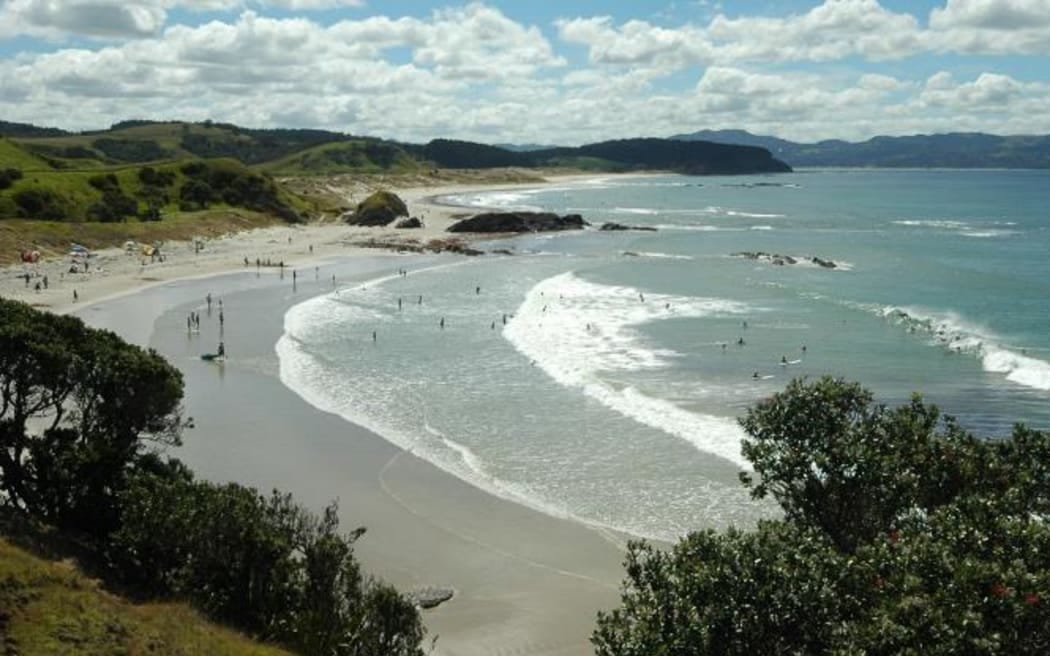
A couple walking on the beach at Tāwharanui Peninsula took refuge from the advancing tide, but the woman became stuck. Photo: Auckland Council website
Considered chopper, launches, ropes
RNZ asked FENZ and police for interviews but they instead issued statements.
FENZ said its crews responded promptly and committed significant resources at Tāwharanui.
It added incidents could be complex, and Police were the lead agency and responsible for requesting help from FENZ.
Police said they led all ‘category 1’ operations (the vast bulk of search-and-rescues). “This gives police the lead in determining what assets are tasked and forming the rescue operation,” they said.
They looked at sending a chopper but at 7.30pm the police Eagle helicopter said the weather was too bad for it to go. The Eagle is primarily a surveillance machine.
They looked at sending the police patrol boat and also talked to the Coastguard but at 7.50pm the latter said conditions were “not great” and it could not reach the woman.
They alerted FENZ at 7.51pm, but then police coordinators determined they did not need the agency’s help and “this was passed onto the FENZ lines team. The team advised they were going to continue on to the informant’s location”.
“The SAR on-scene coordinator was happy to involve the FENZ ropes team once at the location, as although not required they were already there.”
This was all according to standard procedures, Police said.
But Manning questioned how police waiting so long to notify FENZ in the first place or trying to stand them down could be a good standard – he called it “a choke point”.
‘Opportunities to improve’
Police told RNZ there might be opportunities to improve.
They and FENZ had “committed to meeting further to assess whether there are opportunities to improve inter-agency communications or clarity of communications when one agency is seeking to establish available resources as part of deployment planning”.
The record of events on 23 March showed Police decided early on that it was not an advanced lines rescue – before a single officer or firefighter got to the cliff. They said FENZ acknowledged this.
The woman’s husband told them by phone at 7.46pm about being “in good spirits, calm and well equipped for the weather, has food and drink”.
Both Nicholls and Manning called for talks to sort it out.
They said Police should stay in charge and lead searches, but that when responders knew just where someone was, like at Tāwharanui, it was a rescue not a search, and FENZ specialist rescuers would often be there faster.
“It’s the old adage, it’s better to be looking at capability than looking for capability at the expense of the person that is in distress,” said Nicholls.
“It’s all about the welfare of the victim at the end of the day, right?” said Manning.
“It doesn’t matter who does the job. The person needs to be rescued.”
Lismore man “eternally thankful” to rescuers after being caught in floodwaters
October 5 2023 –
A LISMORE man has spoken of his terrifying ordeal waiting on a rooftop to be rescued from Lismore flood waters.
Nat Hall, 29, who has physical and intellectual disabilities, was perched on the roof of his Magellan St apartment for about 90 minutes before being rescued by members of the community.
His housemate Mel, as well as the occupants of three other units, were also rescued.
“I was absolutely terrified,” he said.
“We were on the roof. There was no other way. The doorway to get out of the apartment was under water.”
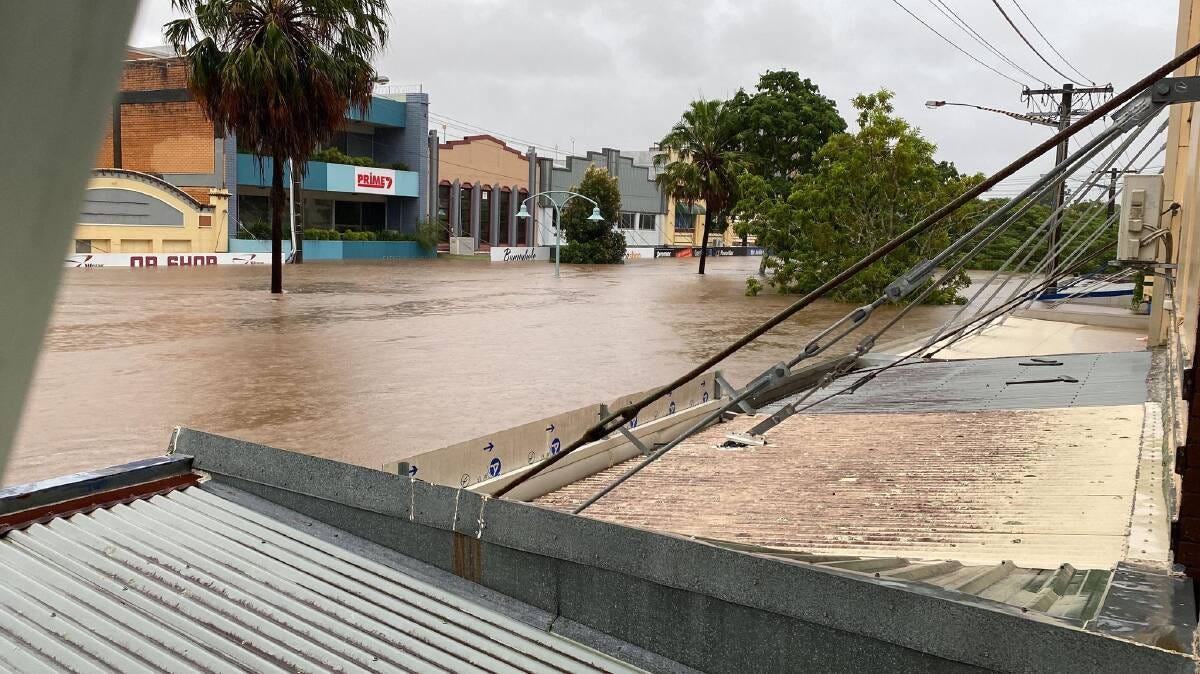
Rising floodwaters in Lismore’s CBD. Pictures: Nat Hall
Mr Hall, who has lived in Lismore since he was a child, said the speed of the rising floodwaters took him by surprise.
“At first we didn’t think it would be too bad, we didn’t think it would be as bad as the 2017 floods,” he said.
“It ended up being 100 times worse than 2017 and there’s still more to come.”
“Watching the water pull poles out of the ground, pull trees out of the ground; it was absolutely terrifying.”
Mr Hall said he was taken to safety on a jet ski, while his neighbours were rescued in a boat.
He took his birth certificate and some other bare essentials with him. He is now safe at his brother’s house at Goonellabah.
“When we left the water was up the inside stairwell and just about to go into the apartments,” he said.
“I’m absolutely devastated to see how much damage there is going to be.”
Mr Hall said he would be “eternally thankful” to his rescuers.
“I have many disabilities, I suffer panic attacks, so I am just so thankful to have been rescued,” he said.
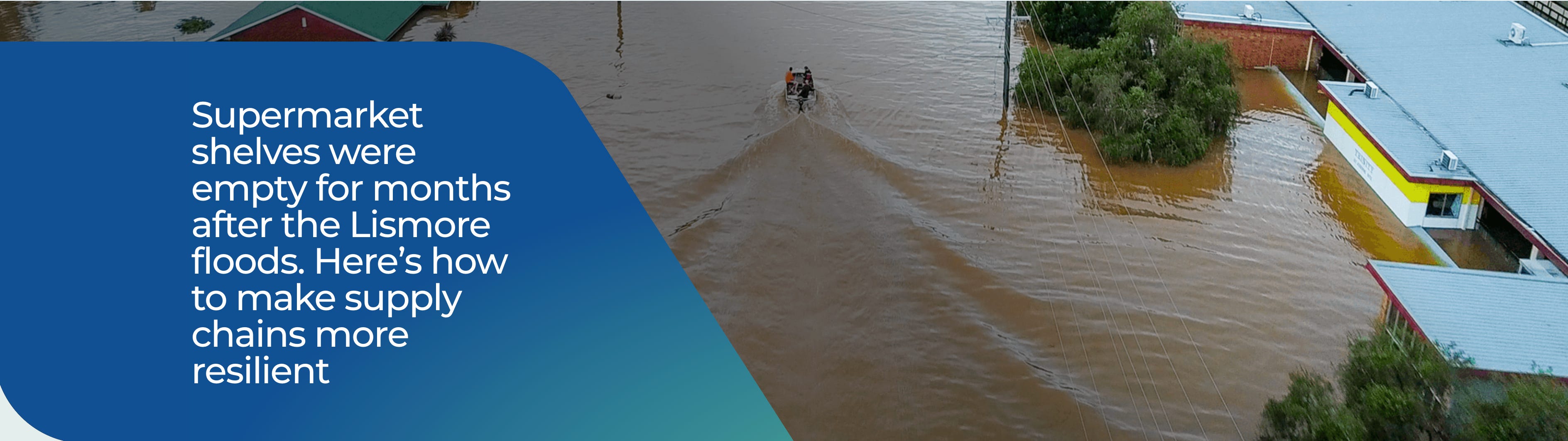
From the outside, the Northern Rivers region of New South Wales seems idyllic. Rainforests, mountains, beaches and Byron Bay. But the past few years have made life harder for many who live there, with Black Summer bushfires, the COVID pandemic and intense flooding.
These disasters have exposed a key vulnerability: food. While it’s often assumed Australia’s strong agricultural sector means we are secure, these successive disasters show the danger of this assumption.
Much of this region’s food is trucked in from cities and food grown in the region transported out. The 2022 flood crisis damaged farms, cut off roads and freight lines, and inundated cool storage facilities. This, in turn, led to empty supermarket shelves. And not just for a day. In Lismore, they were empty for weeks or up to four months for major supermarkets.
Our new research found that shortening supply chains will be vital to make regions more resilient to these shocks – as well as drawing on community efforts such as farmers’ markets.
https://www.scu.edu.au/news/2023/supermarket-shelves-were-empty-for-months-after-the-lismore-floods/
Has anything been learned?
Of course not!
Look at Australia today!
An ADDENDUM: How the authorities everywhere call private rescues to a halt
How the authorities everywhere call private rescues to a halt
22 Apr
After posting this yesterday
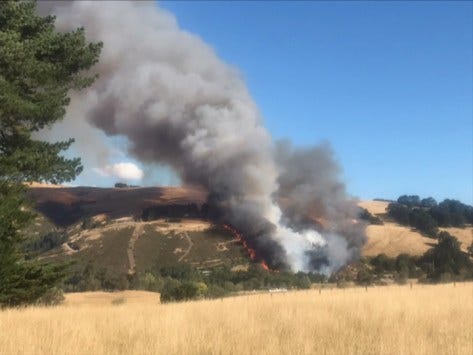
NZ Professional Firefighters Union reveals Christchurch firefighter crews were stood down at nightfall, day one, while the Port Hills fires burned – an independent inquiry sought
February 18, 2017
Christchurch Firefighters Frustrated and Bewildered
The New Zealand Professional Firefighters Union, representing all career front line firefighters can reveal that Christchurch Fire Service Crews (career firefighters) were stood down and told to return to Stations while the catastrophic Christchurch fires continued to burn – said Derek Best, Secretary of the Union.
The Union can reveal that Rural Fire Officials in charge of the incident stood down all career firefighters battling the blaze. The order to stand down was given at nightfall in day one; leaving career firefighters frustrated, bewildered and disappointed.
The fire was left to burn out of control and the frustrated firefighters could see the flames from their Stations. Ninety minutes later, the alarm was re-raised and Christchurch firefighters responded back to find the fire had gained significant momentum and was seriously threatening many properties.
As a result of returning to the locality from which they had been stood down from, they saved at least six houses from total destruction – said Derek Best.
A further article from Stuff certainly confirms the need for an enquiry
Port Hills firefighter allegedly threatened with arrest for fighting blaze
Andy Nicholson says he was told he would be arrested if he didn’t stop fighting the fire on his rural Early Valley Road property.
Nicholson is part of a local fire brigade that was fighting the Port HIlls, Christchurch, fire on Monday night with a water tanker.
A video filmed by his 19-year-old son Robert shows him driving up to a neighbour’s house to try battle the blaze before realising the situation was too dangerous.
“The most important thing is to get to a fire early [but] by the time we got to Ken’s place this thing was astronomical. The fire had rocketed up to the edge [of the road]. It had engulfed everything.
READ MORE:
* Analysis: What could have been done to stop the Port Hills blaze?
* Devastation of the Port Hills fires from above
* Firefighters were sent home early from Christchurch fire response
“We knew we couldn’t stop the fire so we got out of there.”
He went back to protect his own property, where there is now damage to his pasture and fences. Luckily his house and livestock made it through the fire unscathed.
But, he said, a policeman forced him to leave nevertheless, allegedly saying he would be arrested if he didn’t comply with the evacuation order.
From TVNZ:
(Read & see videos at the link)
Christchurch firefighters were told to “stand down” by Rural Fire officials and return to their stations on the first day fires started to engulf the Port Hills, the NZ Professional Firefighters Union says.
“The fire was left to burn out of control and the frustrated firefighters could see the flames from their stations,” Secretary Derek Best told 1 NEWS.
It wasn’t until 90 minutes later the alarm was raised to respond.
“As a result of returning to the locality from which they had been stood down from, they saved at least six houses from total destruction,” said the union. (TVNZ)
About 450 homes have been evacuated since the fires started burning on Monday, with eleven destroyed.
As a result of the stand down, the union says it is starting to question whether more houses could have been saved.
“The union and firefighters seriously question the tactical command decisions made and believes the tactics adopted were significantly flawed,” Mr Best said.
The union says there is an urgent need for a full and independent inquiry.
AN ADDENDUM
NZ Professional Firefighters Union reveals Christchurch firefighter crews were stood down at nightfall, day one, while the Port Hills fires burned – an independent inquiry sought
February 18, 2017
Christchurch Firefighters Frustrated and Bewildered
The New Zealand Professional Firefighters Union, representing all career front line firefighters can reveal that Christchurch Fire Service Crews (career firefighters) were stood down and told to return to Stations while the catastrophic Christchurch fires continued to burn – said Derek Best, Secretary of the Union.
The Union can reveal that Rural Fire Officials in charge of the incident stood down all career firefighters battling the blaze. The order to stand down was given at nightfall in day one; leaving career firefighters frustrated, bewildered and disappointed.
The fire was left to burn out of control and the frustrated firefighters could see the flames from their Stations. Ninety minutes later, the alarm was re-raised and Christchurch firefighters responded back to find the fire had gained significant momentum and was seriously threatening many properties.
As a result of returning to the locality from which they had been stood down from, they saved at least six houses from total destruction – said Derek Best.
A further article from Stuff certainly confirms the need for an enquiry
Port Hills firefighter allegedly threatened with arrest for fighting blaze
Andy Nicholson says he was told he would be arrested if he didn’t stop fighting the fire on his rural Early Valley Road property.
Nicholson is part of a local fire brigade that was fighting the Port HIlls, Christchurch, fire on Monday night with a water tanker.
A video filmed by his 19-year-old son Robert shows him driving up to a neighbour’s house to try battle the blaze before realising the situation was too dangerous.
“The most important thing is to get to a fire early [but] by the time we got to Ken’s place this thing was astronomical. The fire had rocketed up to the edge [of the road]. It had engulfed everything.
READ MORE:
* Analysis: What could have been done to stop the Port Hills blaze?
* Devastation of the Port Hills fires from above
* Firefighters were sent home early from Christchurch fire response
“We knew we couldn’t stop the fire so we got out of there.”
He went back to protect his own property, where there is now damage to his pasture and fences. Luckily his house and livestock made it through the fire unscathed.
But, he said, a policeman forced him to leave nevertheless, allegedly saying he would be arrested if he didn’t comply with the evacuation order.
From TVNZ:
(Read & see videos at the link)
Christchurch firefighters were told to “stand down” by Rural Fire officials and return to their stations on the first day fires started to engulf the Port Hills, the NZ Professional Firefighters Union says.
“The fire was left to burn out of control and the frustrated firefighters could see the flames from their stations,” Secretary Derek Best told 1 NEWS.
It wasn’t until 90 minutes later the alarm was raised to respond.
“As a result of returning to the locality from which they had been stood down from, they saved at least six houses from total destruction,” said the union. (TVNZ)
About 450 homes have been evacuated since the fires started burning on Monday, with eleven destroyed.
As a result of the stand down, the union says it is starting to question whether more houses could have been saved.
“The union and firefighters seriously question the tactical command decisions made and believes the tactics adopted were significantly flawed,” Mr Best said.
The union says there is an urgent need for a full and independent inquiry.
Discover more from Environmental Health Watch NZ
Subscribe to get the latest posts sent to your email.
