

Robin Westenra
Read this in conjunction with this.
Australia’s Last Oil Tanker Just Arrived: Major Bank Warns Aussies Will Run Out Of Fuel In 10 Days
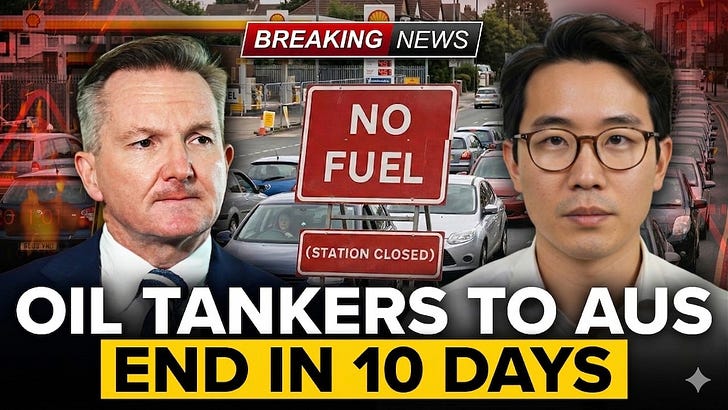
At the onset of the present war I put out a dire warning.
A DIRE WARNING FOR ALL NEW ZEALANDERS
3 Mar
I am producing this for friends, relatives and anyone who will listen in New Zealand and Australia.
I had thought that we might have seen the effects before now but that was based on a misunderstanding on my part of how the oil market works.
We have, indeed, seen tankers dock at New Zealand ports.
I have since seen a couple of videos that explain the situation clearly. They make it clear that it takes weeks, or months, for oil to reach the petrol station.
We are seeing pre-war oil make its way to our shores.
This is from one of the videos:
When you buy petrol at an Australian servo today, you are not buying oil that was in the ground last week. You’re not buying oil that was refined last month.
You are buying oil that began its journey to your tank somewhere between SIX WEEKS and 3 MONTHS ago.
That is how long it takes for crude oil to be extracted from a well in the Middle East, loaded onto a very large crude carrier, transported across the Indian Ocean, delivered to a refinery in Singapore or South Korea, converted into refined fuel products, loaded onto a product tanker, transported to an Australian port, unloaded into terminal storage, distributed through the domestic logistics network, and pumped into the tank of the servo where you fill up on a Tuesday morning.
All of this has allowed people, particularly on social media deny that their is even a problem.

There is so little meaningful commentary in this country and all of it has been posted on this Substack.
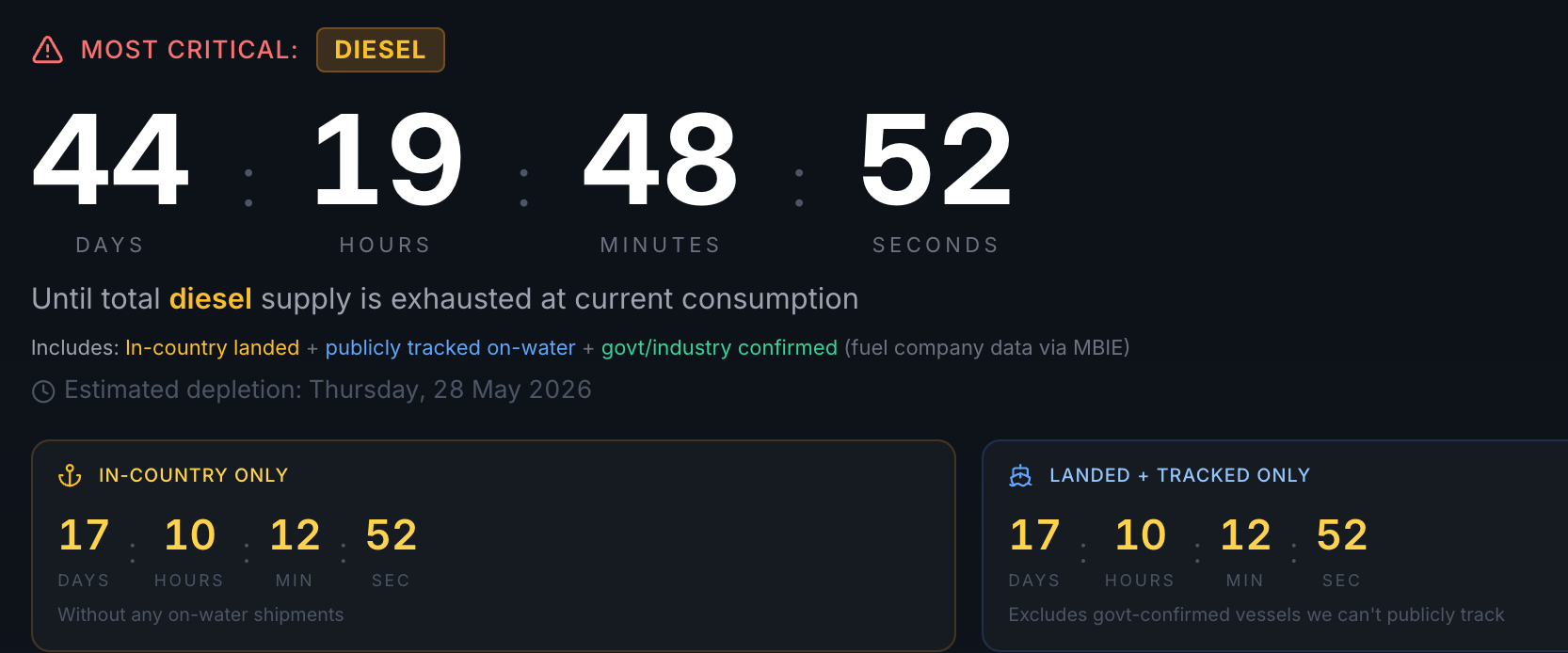
The biggest public service has been provided by the New Zealand Taxpayers Union in their Oilwatch site.
This is the amount of time left until total diesel supply is exhausted.
After that there will be no more shipments.
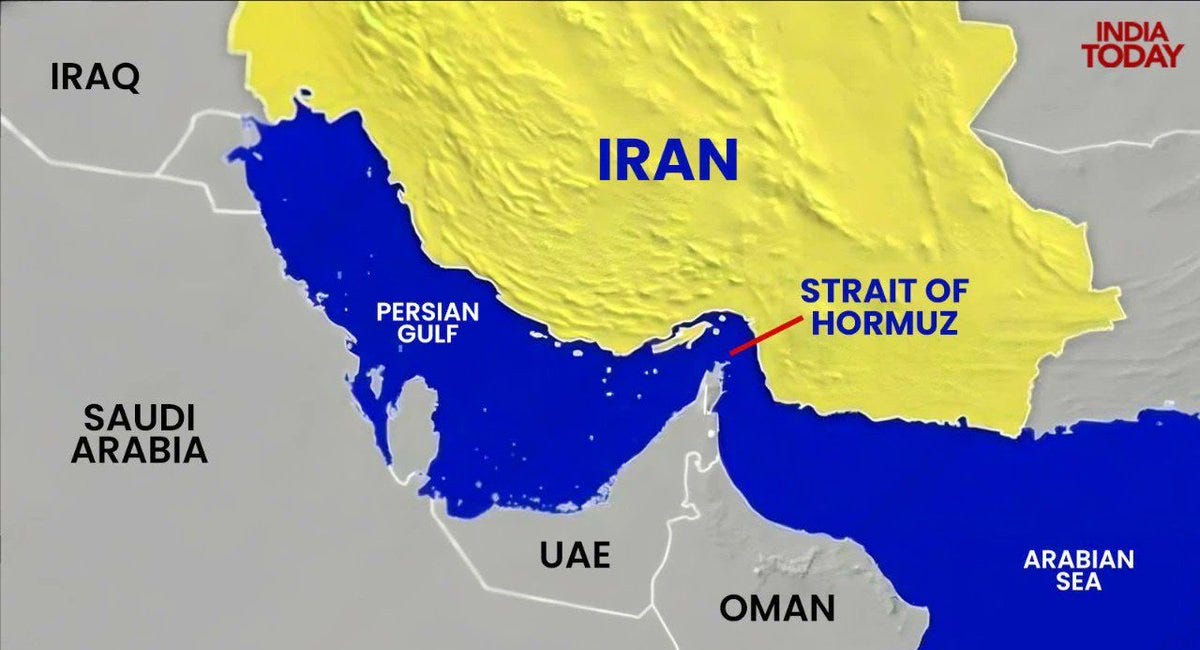
Even if the miraculous happens and the war which is getting worse by the day, not only closing the Strait of Hormuz but destroying refineries and oil infrastructure right throughout the Gulf region, is resolved it will take months or years for the previous flow to be restored.
Complacency in NZ is through the roof
Government and media-led complacency is at levels that even I find hard to comprehend.
The Australian government is not exactly levelling with their population but they are light years ahead of this country which is preparing the population for hard times ahead.
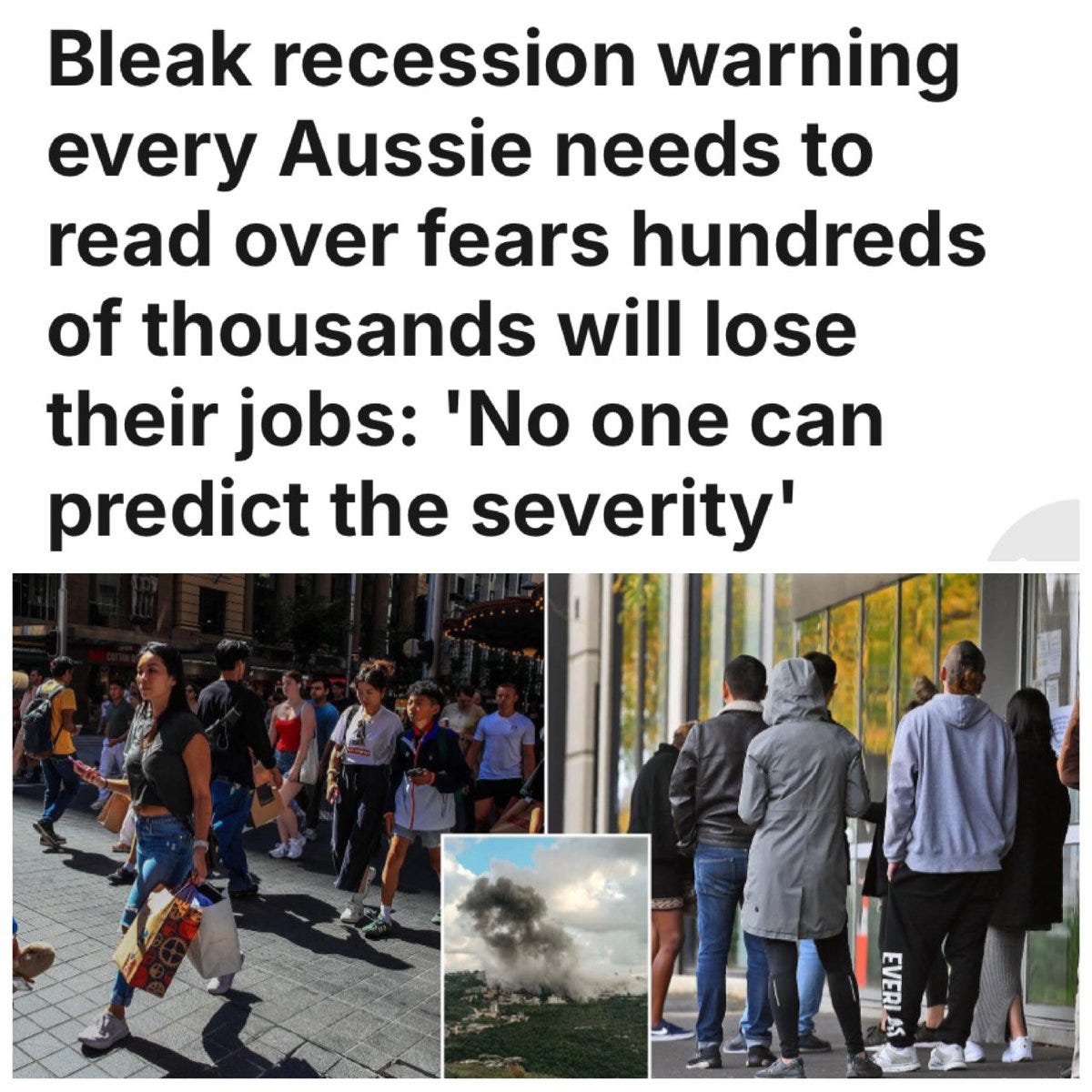
Contrast that with New Zealand where none of this message is being carried. This is perhaps best illustrated by this headline from RNZ.
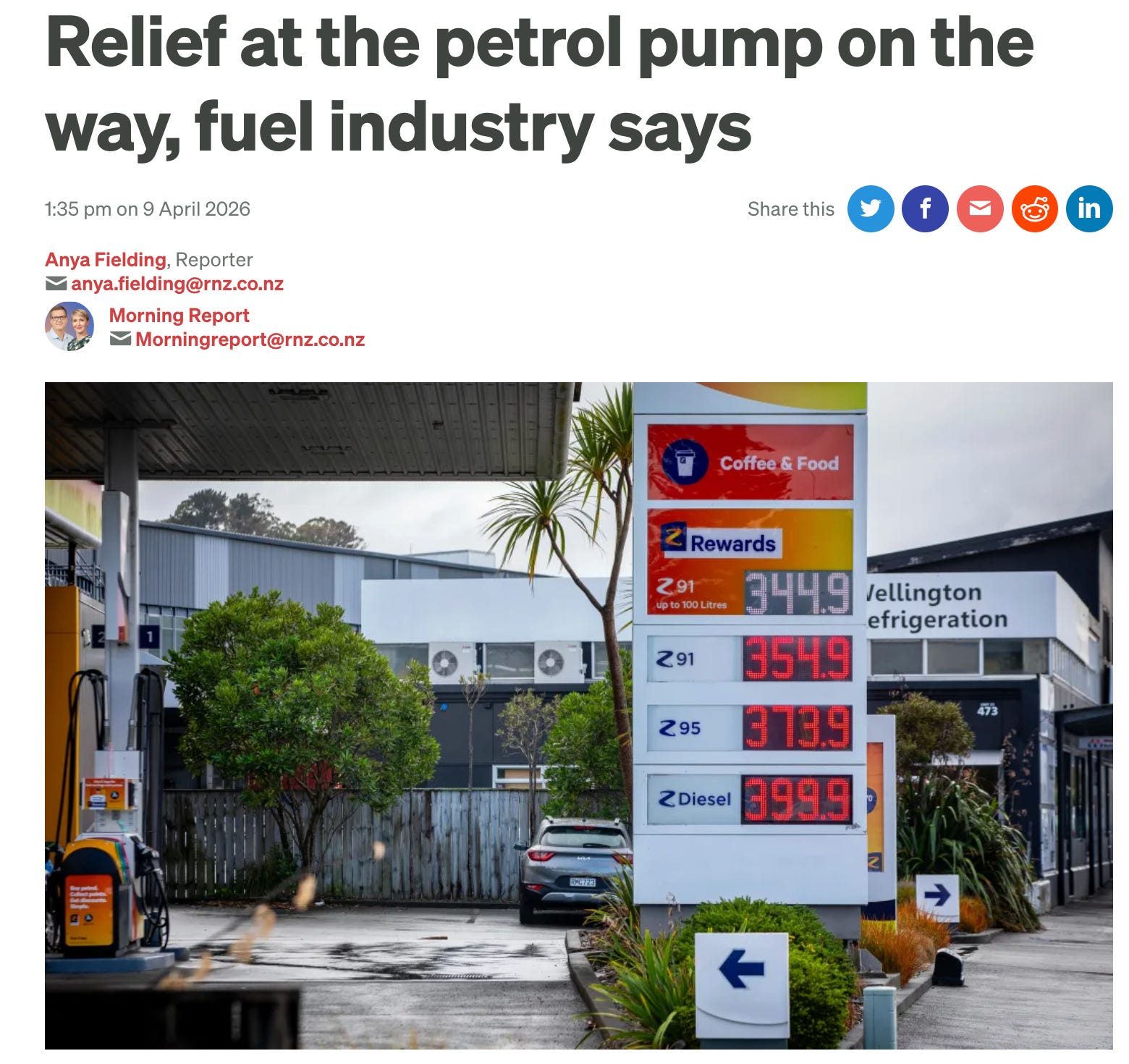
https://www.rnz.co.nz/news/national/591830/relief-at-the-petrol-pump-on-the-way-fuel-industry-says
The government and media seem to treat the public like little children who must be “protected” against bad news while in other areas the panic mongering is through the roof (cast your mind back to covid).
We could not be further from President Carter’s fireside chat with the American people over fuel shortages.
Just-in-time supply lines
Back in the 1970’s and the oil shocks the system was a lot simpler and the results of shortages hit people at the pump and it stopped there.
The system is far more complicated now.
We rely on a fuel pipeline based on diesel for a constant flow of goods to the supermarkets.
Put simply, if the trucks stop running because their is no diesel the supermarket shelves empty and if this situation persists then people starve.
I first learned about this from a 2011 paper by David Korowicz.
It has stayed with me.
I suggest you read it.
That is what we are now living through
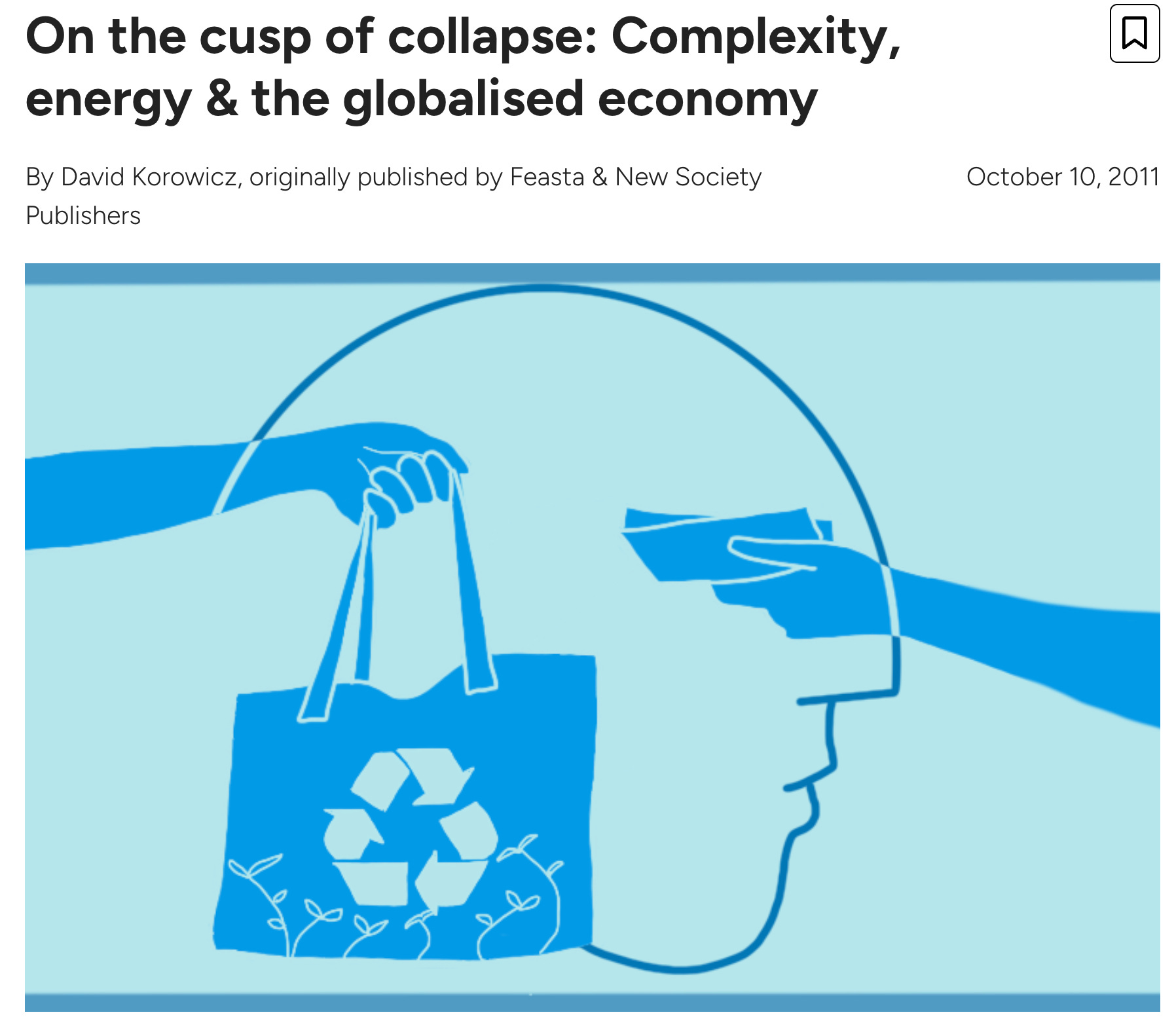
The systems on which we rely for our financial transactions, food, fuel and livelihoods are so inter-dependent that they are better regarded as facets of a single global system. Maintaining and operating this global system requires a lot of energy and, because the fixed costs of operating it are high, it is only cost-effective if it is run at near full capacity. As a result, if its throughput falls because less energy is available, it does not contract in a gentle, controllable manner. Instead it is subject to catastrophic collapse.
The other major source of my education is the movie, Collapse, with Michael Ruppert.
There is also a book, Confronting Collapse: The Crisis of Energy and Money in a Post Peak Oil World that the movie was based on.
One major thing that I took from the book and the movie was that oil is not just about transport but just about everything we use in the modern industrial economy is oil-based.
Everything.
Something the Green fanatics and those advocating electric cars as a solution is that there is 7 gallons of oil in every car tyre.
New Zealand activist, Deirdre Kent illustrates this in this excellent article.
Naphtha: The Hidden Bottleneck in the “Everything Crisis”
6 days ago · 15 likes · 9 comments · Deirdre Kent
What this means for New Zealand
For now, there are oil tankers arriving at New Zealand ports and there is petrol coming out of the bowsers albeit at a price of $3.40 or so a litre.
People are hurting.
People are finding it hard to make ends meet,
Just how much is being underplayed by government and media.
There are just a few voices ringing the alarm bell such as this:

5:55 PM · Apr 13, 2026 · 1.67K Views
17 Replies · 32 Reposts · 93 Likes
As the tweet points out Australian PM Albanese is scouring the world for sources of fuel at a time when the entire world is running out.
But our PM is massively complacent and sitting on this hands.
The most he can come out with is that he would have “no objection” to oil being imported from Russia when it is known the industry was already doing so – at a time when the Russians have lost 40% of their own refining capacity.
Where are the talks with trading partners?
Where are the emissaries scouring the world for every drop they can secure?
In 44 days there will be no more diesel coming into the country.
Certainly not from our main suppliers – South Korea and Singapore.
It has got so bad that there are reports that the South Koreans have decided to negotiate directly with the Iranians.
Just how bad can it get?
I can imagine in my own mind.
However, I am no shock jock so I am not going to share my vision but ask you to think it through and imagine for yourselves.
But think empty supermarket shelves.
Think hunger.
Think social unrest.
So, in short, it looks pretty bad right now and I cannot see any light at the end of the tunnel.
However, if I am missing anything in my analysis I am welcome to listen.
Discover more from Environmental Health Watch NZ
Subscribe to get the latest posts sent to your email.

Tthank you for reposting. Very important.
LikeLiked by 1 person
You’re welcome Robin. Yes it is important.
LikeLike