Tag Archives: snails

Pestie Pests in the garden (Wally Richards)

Insects that eat, or feed off, our garden plants we call them pest insects but they are just part of the Natural World we live in and if there were no pest insects then that would also be the end of the beneficial insects that live by eating the ones we call pests.

Unfortunately there is usually far more pests than beneficial insects so we have to use control methods to keep the pest’s numbers down.

As I have said many times before the pests and diseases that affect our garden plants are actually Nature’s Cleaners, it is their job to take out the weak plants.

By doing so they aid in the demise of the sickly plants and as the remains compost down to feed and make room for the healthy plants.

So if we force plants to grow as they do commercially then those plants will be attacked by pests and diseases which the grower will use any number of chemical sprays to prevent their crop from being damaged and unsalable.

Which in fact only makes matters worse as the plants will now be weak and sickly from all the chemicals they have been exposed to.

Some times we are at fault by providing a massive food source for pests which allows them to rapidly increase their numbers and a bigger problem for us gardeners or growers.

For instance we plant a row of cabbages and to the butterflies that’s food bonanza, heaps of foliage to sustain all the caterpillars that will hatch out of the eggs they lay.

But say one cabbage is growing in a field of lots of different plants them Mrs Butterfly is going to have a problem finding it and if she does it will only support a few caterpillars to maturity.

In New Zealand we have a Native pest called the grass grub which is the larva of the bronze beetle.

Before New Zealand was settled by the colonialists the grass grubs/beetles fed on the  sparse growing native grasses and a few other plants.

Not a lot of food source and so not a lot of grass grubs which were also a welcome morsel for the many Kiwis that foraged at night.

Then settlers cleared the bush and planted grass; hectares of grass and what a win fall for the grass grub beetles and this their populations grew to the millions of them that we have these days, every year.

Temperature is a big factor for many pest insects and when the temperatures are warm they can rapidly bred.

When we have a early spring with a week or two of early nice warm days and nights then the pests that have been waiting for those conditions come out to play and lay.

Then if we are hit with a cold snap for a week or so many of these early risers will be killed along with vulnerable eggs they laid.

When that weather pattern happens then it is not until January/February that we see their populations rise and become troublesome.

Otherwise we have problem populations happening by November/December.

So the key for good control of pests such as whitefly, leaf hoppers, aphids etc is to start control methods at the first sign of any pest.

Too often we also miss controlling pests early because they are on weeds or plants we are not concerned about or they are over the fence; as the neighbor maybe is not a keen gardener and then they have a breeding jungle of plants/weeds.

When they are over the fence those pests will keep coming over to your plants the whole season and unless you ask the neighbor if you can tidy up and clean up their patch you have a yearly problem which will require constant controls till winter.

Sprays of Wallys Super Neem Tree Oil with Wallys Super Pyrethrum applied to your plants just before dark. Spraying under and over the foliage.

Repeated every few days if you have a bad infestation and then weekly to fortnightly to maintain control.

Placing Neem Tree Granules or powder on the soil or growing medium helps a lot as it creates a smell which helps disguise the smell of the plants making it more difficult for pests to find their host plants.

A electric Insect Zapper that attracts night flying moths and beetles to the UV light for them to zapped on the high static electricity grid will also reduce you problems greatly.

Do a Google search and find a unit for about $40.00. One thing to remember they are often 230v plug in so you need to be sheltered from weather where you are playing with electricity.

Wallys Yellow sticky white fly traps are also a g reat way to reduce the adult flying insect pests.

Then we have the pests that are not so noticeable such as Mealy bugs.

These white pests are like a small bit of cotton wool as seen on your plants and in particular container plants.

The adults are what you see sucking on the stems and leaves of plants and are easy to control with a spray of Wallys Super Pyrethrum but low and behold within next to no time they are back on the plant. Why? Cause the young live in the roots of the plant also sucking goodness from the plant’s roots. They come up stairs later on which is when we see them..

So to control them in the root zone a sprinkling of Wallys Neem Tree Powder over the growing medium but not against the trunk.

It is best to give a watering over the powder then cover with some potting mix as it will go moldy as it breaks down and it does not look good.

Covered you wont see the mold.

Also making up a solution of Wallys Super Neem Tree Oil in warm water and watering that over the surface of the mix in the container maybe a better option and repeat that a few times till no more down stairs comes up stairs.

Root Nematodes are another pest we don’t see in the roots of plants but they can be there without your knowledge, even in your lawn grasses roots.

You can test for that in the lawn by applying Wallys Neem Tree Powder to a area of the lawn and watering in.

If after a few weeks that areas grasses look better than the rest of the lawn, then yes you had root nematodes and so it would pay to treat the rest of the lawn.

Wallys Neem Tree Granules sprinkled over the soil in your gardens and in particular under your citrus trees can improve the health and vigor of your plants by the control of the pests.

Phone 0800 466464
Garden Pages and News at www.gardenews.co.nz
Shar Pei pages at  www.sharpei.co.nz
Mail Order products at www.0800466464.co.nz


New Zealand Bill of Rights Act 1990. Part II of the Act covers a broad range of Civil and Political Rights. As part of the right to life and the security of the person, the Act guarantees everyone:

1The right not to be deprived of life except in accordance with fundamental justice (Section 8)

2The right not to be subjected to torture or to cruel, degrading, or disproportionately severe treatment or punishment (Section 9)

3The right not to be subjected to medical or scientific experimentation without consent (Section 10)

4The right to refuse to undergo any medical treatment (Section 11)

 Furthermore, the New Zealand Bill of Rights Act 1990 guarantees everyone: Freedom of Thought, Conscience, and Religion.
This includes the right to freedom of thought, conscience, religion, and belief,
INCLUDING THE RIGHT TO ADOPT AND HOLD OPINIONS WITHOUT INTERFERENCE (Section 1)
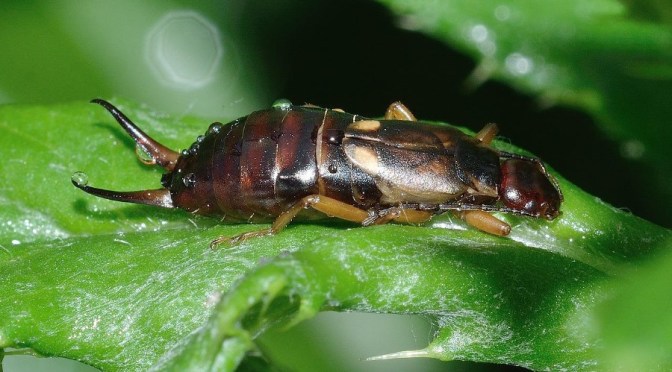
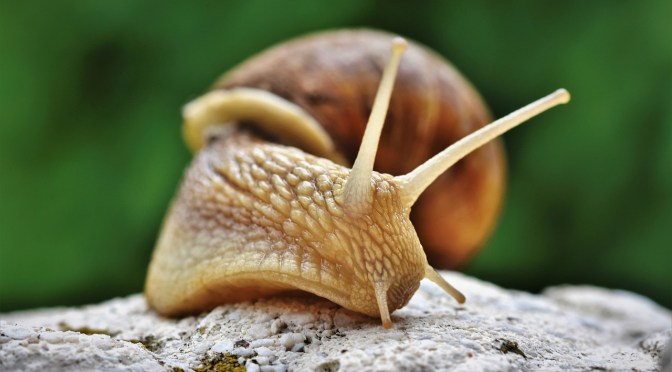
Image by Alexa from Pixabay

More info on controlling those garden pests (Wally Richards)

I am often asked about how to control populations of slugs and earwigs in gardens without using the usual chemicals.

This is particularly important in food growing gardens as we do not want to have poisons in the food we are eating.

You may not realise it but both earwigs and slugs do provide benefit to your gardens as they prefer decomposing plant material to living plants

so if you are clean and tidy and there are no rotting plants available then they will do damage to your growing plants.

When you are weeding if you leave some weeds on the soil to break down naturally then the two pests will become assets.

Sprinkling lawn mowing clippings onto gardens is another way of using what many consider a waste product to benefit.

One precaution with that is if the lawn grasses are seeding as you would then be putting a lot of new grass weeds into your gardens to germinate later.

If the slugs and earwigs (You can include with them slaters or as some call them wood lice) are a real problem then you could try the following.

I learnt about this method a long time ago and have often suggested to gardeners to use it.

What you need is some strips of 3plywood or similar about 250-300mm long and about 150mm wide.

These are laid down on the soil in areas where you are having problems with the pests.

Now you take a trigger sprayer and mix two parts bleach to one part water.

During the day you fold back the slats of ply onto their far edge and see what is hiding under them.

If you have some of the pests you wish to control simply give them a spray of your bleach and lay the ply back down on top of them.

Repeat the same process regularly until you have the pest population under control.

Slugs and snails cannot tolerate copper as it makes them dehydrate and die.

If either pest comes into contact with copper they will not pass over the barrier it creates.

So this can be used to protect seedlings from being their evening meal.

I suggest placing untreated sawdust around the seedlings you wish to protect then spraying the sawdust and seedlings with Wallys Liquid Copper and Raingard added.

Much safer than using toxic poisons to kill them and better for the safety of your pets and wild life.

There is another slug like pest which is commonly called the Cherry Slug or Pear Slug as it feeds on these trees during the summer period when they are active.

They start about November to December in most areas and can be seen as a small black slimy slug on the foliage which they are eating.

If you do not treat this first generation then in January to February there will be a second large wave of them and damage will correspondingly increase.

The best solution is to spray the foliage with Wallys Liquid Copper with Raingard added as they can not handle copper either.

Another one that can be used for snails and slugs is the mineral iron.

There is a slug and snail bait on the market that uses chelate iron as the killing component which means it fairly save for pets and wild life.

You can make a slug and snail bait yourself by soaking bran in a solution of sulphate of iron and water or if you have available use chelate iron.

Add to this yeast which is what attracts the pests and they will eat the bran which now contains iron and die as a result.

There is one pest that you will never gain complete control of if they are in your area and that is ants.

Many of the ant baits on the market are only effective for a little while as the ants become bait shy to them realising that the bait is what is killing them.

Many years ago I found a very old formula that ants never seem to wake up to the fact it is killing them.

We call it Granny Mins Ant Bait and the container has a combination of Borax and Boric Acid with the recipe on how to make it up.

The product is very inexpensive selling for about $7.00 and you just dissolve the jars contents in hot water and add the required amount of sugar and honey. It makes just about a litre of bait.

Stir well and place the mixture in small jar lids wherever you see ants.

Top up the lids as they empty till there is no more ant activity.

The bait should only be used outdoors and if you have any concern for pets then put a small amount of liquid ant bait into small jars and lay then on their sides on the ground.

The small amount of ant bait used is not likely to be harmful to pets but better safe than sorry.

If ants are inside your home then the easy most effective way is to set up one or more of those insect cans that release pyrethrum spray every few minutes.

As long as that can is operating and even for a few weeks after it has emptied no ants will come into that area.

They detect that there is pyrethrum around and know it is not good for them.

Cockroaches inside your kitchen are a curse for some people and the easy way to control them safely is to sprinkle Borax powder behind the fridge and stove.

Only use in safe places such as these two areas so it is well away from food stuffs and pets.

The cockroaches walk though the borax powder and being very clean insects they clean them elves of the powder which kills them.

Products mention are from Wallys Range of products and can be found in some garden shops or by Mail Order on www.0800466464.co.nz

If there is an interest in some non gardening news email me for the Bits that the media does not like you to know such as 3 waters anti-democracy.

Photo: francok35 @ pixabay.com

If you’re looking for additional protein, here’s the answer, straight from your veggie patch (Gordon Ramsay)

Thanks to Stuart Bramhall for this link … ❤

Gordon Ramsay visits a British snail farm and shows how to prepare ordinary garden snails for eating. The F Word’s bold, modern and mischievous take on the world of food combines location VTs, kitchen actuality, celebrity interviews, stunts and recipe based challenges to give the format its trademark energy, pace and visual richness and create waves in the food world and beyond. Season 2.


Image by Capri23auto from Pixabay

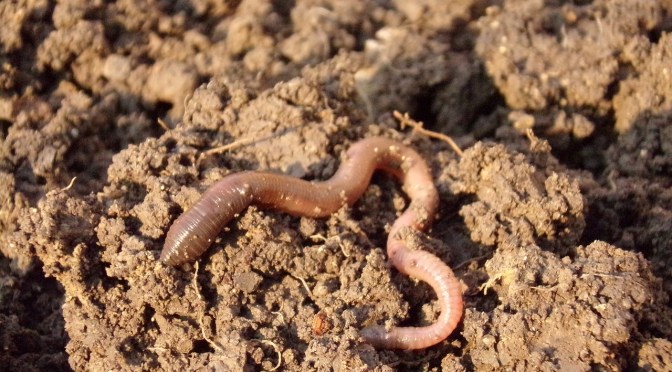
Dearth of worms blamed for dramatic decline in UK songbird population

From the independent.co.uk

Britain’s first farmland worm survey reveals nearly half of English fields lack key types of earthworm and may help explain a 50 per cent fall in song thrush numbers.

Britain’s first farmland worm survey has revealed that nearly half of English fields lack key types of earthworm and may help explain the alarming decline of one of the country’s most loved songbirds.

The citizen science project, in which farmers dug for worms in their own fields, has prompted 57 per cent of them to pledge to change their soil management practices – a move that may benefit the song thrush, for whom worms are a vital food source.

The English population of the song thrush, popular for both its voice and its habit of using stones as an “anvil” to smash the shells of its other favourite food – snails – declined by more than 50 per cent between 1970 and 1995, leading to it being listed as a species of conservation concern.

READ MORE

https://www.independent.co.uk/news/uk/home-news/worm-survey-songbird-decline-reasons-cause-60minworms-song-thrush-farming-earthworms-magpies-rspb-a8794796.html?fbclid=IwAR3Cm9fmfzC3xiBqSA-yUglVuqYsTwr0V7aD3ivU46HcEDY3zqA3VR1CE7U


RELATED ARTICLE:

Major survey finds worms are rare or absent in 40% of fields

https://www.fwi.co.uk/arable/land-preparation/soils/major-survey-finds-worms-are-rare-or-absent-in-20-of-fields?fbclid=IwAR0wzghf3h9VzHByaPM6J7-Nymje03MGx2m-Hu0cxUIEt9VP0IUHqcZg8ks