Tag Archives: protein

10 Incredible Benefits of Quinoa

Quinoa is a highly valuable nutrient-rich food that is gluten-free and a rich source of protein. Its benefits include weight loss, improved heart health, detoxification of the body, and improved digestive health. It also helps in regulating diabetes and reducing gallstones.

It can be used like many common grains or ground into a powder or flour. It has a very low content of fat and can be added to diets around the world as a healthy alternative to many other similar foods.

Quinoa is an interesting form of pseudocereal that is not technically a grain or a traditional cereal. It is a crop that has been grown for thousands of years and is grown mainly for its edible seeds. Related to spinach and beetroots, it is becoming a major food in America, Europe, China, and Canada, despite the fact that it has to be imported in these parts.

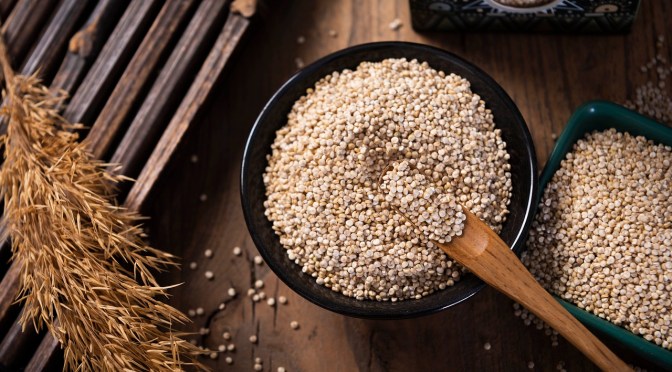
It is an ancient cereal that was cultivated in the Andes for the last 7,000 years. The scientific name is Chenopodium quinoa, and it is a species of goosefoot. It generally grows to a height between 1m to 3m in length, producing grains every year that can grow in various colors such as white, yellow, pink, orange, red, brown, and black. The grains can be consumed whole as well as in the form of flour. It is primarily grown in South America, in the Andean region, including countries like Ecuador, Peru, Colombia, and Bolivia. [1]

READ AT THE LINK

Image by we-o_rd35ghczdq1090c5m from Pixabay

If you’re looking for additional protein, here’s the answer, straight from your veggie patch (Gordon Ramsay)

Thanks to Stuart Bramhall for this link … ❤

Gordon Ramsay visits a British snail farm and shows how to prepare ordinary garden snails for eating. The F Word’s bold, modern and mischievous take on the world of food combines location VTs, kitchen actuality, celebrity interviews, stunts and recipe based challenges to give the format its trademark energy, pace and visual richness and create waves in the food world and beyond. Season 2.


Image by Capri23auto from Pixabay

6 Things You Didn’t Know About Watermelon

By Dr. Mercola

In the US, July is National Watermelon Month, so named not only because a cool, refreshing slice of watermelon represents the epitome of summer, but also because watermelon harvests peak this month.1

Watermelon is now the most-consumed melon in the US (followed by cantaloupe and honeydew). This cousin to cucumbers, pumpkins, and squash is thought to have originated in Egypt close to 5,000 years ago, where it is depicted in hieroglyphics.

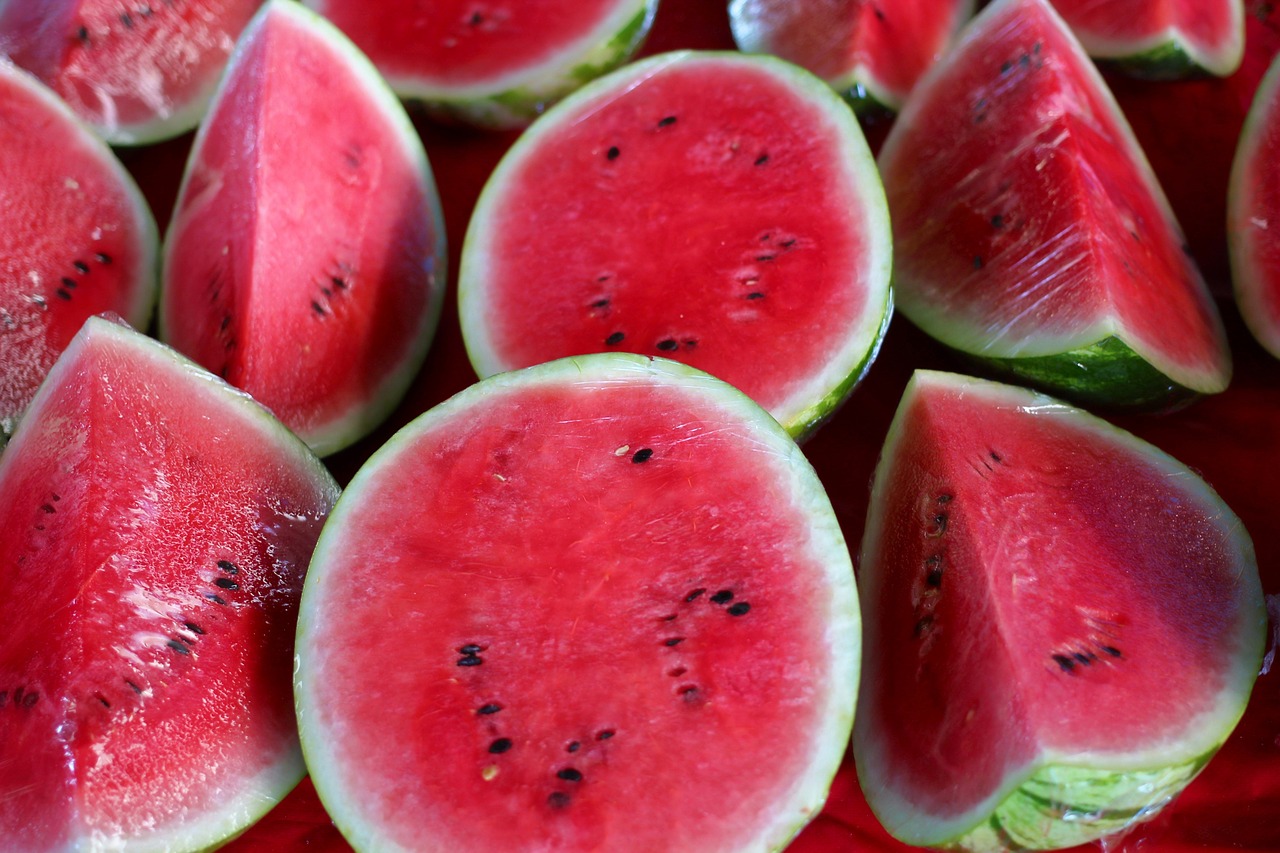
watermelons-961128_1280


Today, upwards of 300 watermelon varieties are grown in the US and Mexico (although only about 50 are popular).2 You may think you know everything there is to know about this summertime fruit, but allow me to surprise you… watermelon is more than just delicious… it’s a super-healthy addition to your diet (in moderation, of course).

You just need to be careful when eating any melon, including watermelon to follow the advice of Wayne Pickering in my interview. Eat melon alone or leave it alone because it will make your stomach groan. So ideally, no food 30 minutes before or after eating melons.

Most people throw away the watermelon rind, but try putting it in a blender with some lime for a healthy, refreshing treat.6 Not only does the rind contain plenty of health-promoting and blood-building chlorophyll, but the rind actually contains more of the amino acid citrulline than the pink flesh.7

READ MORE