(From NaturalHealth365)
In a world where contraception is often viewed as a fundamental aspect of women’s reproductive health, examining the impact of various birth control methods on physical and mental well-being is crucial. For example, startling statistics released by the Centers for Disease Control and Prevention (CDC) shed light on the widespread use of oral contraceptives and other implantable devices among women.
In fact, recent research has brought to the forefront a concerning revelation – a potential connection between oral contraceptives and the onset of depression. Delving into the details of this study, we uncover the important implications it holds for women’s mental health and contraceptive choices.
Could ‘the pill’ be contributing to depression?
If you’ve been experiencing persistent sadness and restlessness, it might be worth examining an unexpected culprit: your birth control pill. Depression, a prevalent mental health condition affecting countless individuals, can manifest with debilitating symptoms that may be influenced, in part, by oral contraceptives.
Recent research involving a substantial cohort of over a quarter-million women in the United Kingdom has shed light on a potential association between oral contraceptive use and an increased risk of depression, particularly during the first few years of usage. Published in the Epidemiology and Psychiatric Sciences journal, this study reveals a startling finding: women who take oral contraceptives face over a 120% higher risk of developing depression.
Why do oral contraceptives affect mood?
The study above focused on unraveling the impact of oral contraceptives on mood alterations. Birth control pills inherently carry risks as they manipulate hormonal levels, and hormones have long been recognized as influential factors in determining one’s vulnerability to depression. The study findings revealed a notable association between the initial few years of birth control pill usage and a higher incidence of depression versus non-users.
Interestingly, even women who discontinued the use of oral contraceptives after using them during their adolescence remained at a heightened risk of depression. Notably, among adult women, the researchers did not identify an increased risk of depression a couple of years after discontinuing birth control pill use.
Delving deeper into the study’s data uncovers intriguing insights, particularly in relation to sibling pairs. Sisters who used birth control pills exhibited a higher likelihood of experiencing depression, suggesting a genuine causal relationship between birth control usage and depressive symptoms.
These findings emphasize the significance of understanding the potential impact of birth control pills on women’s mental well-being, urging further exploration and consideration of individual differences and susceptibility to depression.
Consider natural family planning methods
For women who are currently taking the birth control pill and experiencing feelings of depression, it is important to be aware of how this medication can impact hormonal levels and potentially contribute to mood changes. If you have not yet started using birth control and are in your teenage years or early 20s, it is worth noting that beginning hormonal contraception at a young age may increase the risk of depression. On the other hand, adult women who have been using birth control for more than two years may be less likely to experience depression as they have surpassed the critical two-year mark of usage.
If you are seeking alternatives to the pill, there are various options. Switching to barrier methods, such as condoms, can provide contraception without the hormonal effects that may contribute to mood changes. Additionally, exploring natural family planning methods can be an option for those who prefer hormone-free contraception.
Natural family planning methods involve tracking and monitoring your menstrual cycle to identify fertile and non-fertile days. This can be done through methods such as tracking basal body temperature, cervical mucus observation, and calendar-based tracking. While natural family planning requires commitment, consistency, and education, it can be an effective method when followed correctly.
As always, consulting with a healthcare professional or a certified natural family planning instructor is highly recommended when considering natural family planning methods. They can provide guidance and support and help you determine the most suitable contraceptive option based on your individual needs, preferences, and circumstances.
Ultimately, the safest way to avoid an unwanted pregnancy would be to abstain from having sexual intercourse, until you are ready to start a family. No doubt, starting a family is a big decision and should not be taken lightly.
Sources for this article include:
Cambridge.org
Medicalnewstoday.com
SOURCE
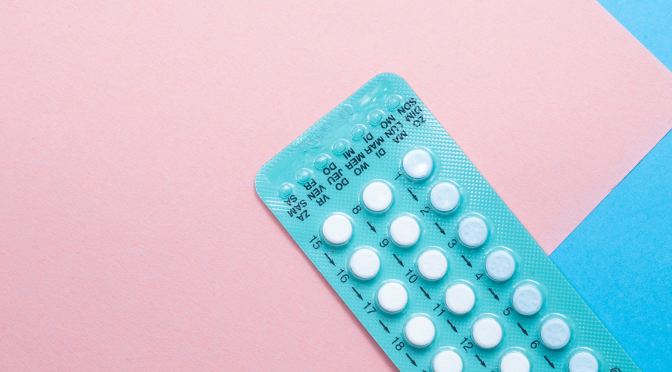
Photo by Reproductive Health Supplies Coalition on Unsplash