Tag Archives: memory

Research has found three years of multivitamin supplementation translates to a 60% slowing of cognitive decline

From mercola.com

Story at-a-glance

  • Older adults taking a multivitamin supplementation may experience memory improvements
  • Taking a multivitamin improved performance by “the equivalent of 3.1 years of age-related memory change” compared to placebo and could not only help maintain cognitive functioning but potentially enhance it
  • Separate research found three years of multivitamin supplementation translated to a 60% slowing of cognitive decline; Improvements in global cognition, episodic memory and executive function were noted
  • Other research revealed daily multivitamins potentially reduced lung cancer by 38% and improved levels of several nutritional biomarkers
  • While whole, nutrient-dense foods are the best source of nutrition, older adults may be at risk of nutrient deficiencies and some may benefit from multivitamin supplementation

Food is your best source of nutrients, but with soil health declining and many people not eating an ideal diet, multivitamins may help address any gaps. This may be particularly true for adults age 60 and over. A large study on the effects of multivitamins and cognitive function found the supplements have the potential to improve memory.1

It’s the second study using data from the COcoa Supplement and Multivitamin Outcomes Study Web (COSMOS-Web), which was an ancillary study of COSMOS, to link a daily multivitamin to better brain function. Separate research also linked multivitamins to improved cognition.2

“When we start seeing that kind of consistency across well-designed studies, it certainly helps convince me — the ultimate skeptic — that we’re on to something real,” professor Adam Brickman of Columbia University, who worked on the first study, told Insider. “… I started taking multivitamins the day we ran the analyses and saw the results, and I take ’em every morning.”3

Daily Multivitamin Gives Memory a Boost

Scientists from Harvard Medical School and Columbia University demonstrated that older adults taking a multivitamin supplementation may experience memory improvements.4 In this group of 3,562 older adults, including men over the age of 60 and women over 65, participants received either a multivitamin supplement or a placebo.

The participants were evaluated at baseline and each year using a battery of neuropsychological tests over a period of three years. Results showed that participants taking the multivitamin supplement had better immediate recall at the first year point, which was maintained during follow-up. Effects were most pronounced in people with cardiovascular disease.

“There is evidence that people with cardiovascular disease may have lower micronutrient levels that multivitamins may correct, but we don’t really know right now why the effect is stronger in this group,” Brickman said.5

The researchers estimated that taking a multivitamin improved performance by “the equivalent of 3.1 years of age-related memory change” compared to placebo6 and could not only help maintain cognitive functioning but potentially enhance it later in life. The team concluded:7

“Vitamin supplementation is relatively inexpensive, accessible, and has a few adverse effects, and thus might be a potentially useful population health intervention … Daily multivitamin supplementation, compared with placebo, improves memory in older adults. Multivitamin supplementation holds promise as a safe and accessible approach to maintaining cognitive health in older age.”

Multivitamins Offer Cognitive Benefits

A separate study involving 2,262 participants with a mean age of 73 tested whether cocoa extract versus placebo and a multivitamin supplement versus placebo improved cognition.8 In addition to taking the supplement, the participants took tests designed to evaluate memory and other cognitive functions when the study started and annually.

Significant benefits were found from the daily multivitamin, with three years of such supplementation translating to a 60% slowing of cognitive decline, which is equivalent to about 1.8 years.9

Improvements in global cognition, episodic memory and executive function were noted, with the effects again most pronounced in people with cardiovascular disease. According to the study, which was published in the journal Alzheimer’s & Dementia:10

“COSMOS-Mind provides the first evidence from a large-scale, long-term, pragmatic RCT [randomized controlled trial] to suggest that daily use of a safe, readily accessible, and relatively low-cost MVM [multivitamin-mineral] supplement has the potential to improve or protect cognitive function for older women and men.

An additional trial is needed to confirm these findings in a more representative cohort and to explore potential mechanisms for cognitive benefit. This work may ultimately have important public health implications for standard of care to improve or protect cognitive function in older adults.”

Download this Article Before it Disappears

Download PDF

Multivitamins May Lower Cancer Risk

The larger COSMOS study evaluated whether cocoa extract supplementation with and without a standard multivitamin affected the risk of developing cardiovascular disease and cancer. The larger study enrolled 21,442 participants and found cocoa flavanol supplementation did not show a significant impact in reducing the total number of cardiovascular events.

However, when the data was evaluated further, they found daily multivitamins potentially reduced lung cancer by 38% and “did appear to improve levels of several nutritional biomarkers.”11 Previous research also found that daily multivitamin supplementation led to a statistically significant reduction in the incidence of total cancer among men aged 50 years or older.12

Other research found multivitamin use was associated with a 70% decrease in risk of non-cardia gastric cancer among Black participants in the Southern Community Cohort Study who were below the healthy eating index median, meaning they had a lower quality diet.13

B Vitamins May Also Slow Brain Aging

Many multivitamins contain B-complex vitamins, which are important for your brain. Vitamins B6, B9 (folate) and B12 support cognitive function as you age and have been shown to play a major role in the development of dementia. As noted in Nutrition Reviews:14

“Deficiencies of the vitamins folate, B12 and B6 are associated with neurological and psychological dysfunction … In the elderly, cognitive impairment and incident dementia may be related to the high prevalence of inadequate B vitamin status and to elevations of plasma homocysteine.

Plausible mechanisms include homocysteine neurotoxicity, vasotoxicity and impaired S-adenosylmethionine-dependent methylation reactions vital to central nervous system function. In light of this, it is imperative to find safe ways of improving vitamin B status in the elderly …”

Research published in PLOS One even suggests B vitamins may slow brain aging. It compared brain atrophy in participants taking folic acid (0.8 milligrams (mg) per day), vitamin B12 (0.5 mg per day) and vitamin B6 (20 mg per day) for 24 months with that in patients taking a placebo.15

Those taking B vitamins had a lower rate of brain atrophy per year — 0.76% — than those not taking them, who had an atrophy rate of 1.08%. According to the researchers, “The accelerated rate of brain atrophy in elderly with mild cognitive impairment can be slowed by treatment with homocysteine-lowering B vitamins.”16

Vitamin B3 is found in grass fed beef, mushrooms and avocados,17 while vitamin B6 is plentiful in grass fed beef, potatoes, bananas and avocados.18 You can find folate, or vitamin B9, spinach, broccoli, avocado and asparagus.19

Vitamin B12-rich foods include grass fed beef liver, wild rainbow trout and wild sockeye salmon. For more serious deficiency you may need weekly shots of vitamin B12 or daily high-dose B12 supplements.

Trace Nutrient Protects Brain Health

Another nutrient to be aware of as you age is nicotinamide riboside (NR), a precursor of nicotinamide adenine dinucleotide (NAD+) and a form of vitamin B3. Found in milk as well as in supplement form, NR may help to boost levels of NAD+, which typically declines in the brain with age, leading to metabolic and cellular dysfunction.20 By raising NAD+ levels, NR may modify neurodegenerative disease in humans, helping to protect brain health.

In a study published in the journal Aging Cell, Martens and colleagues found that NR supplementation increases NAD+ levels and lowers biomarkers of neurodegeneration in plasma extracellular vesicles enriched for neuronal origin (NEVs).21

Among the 22 older adults who took NR at a dosage of 500 mg twice a day for six weeks, NAD+ levels in NEVs increased while kinases involved in insulin resistance and neuroinflammatory pathways decreased.22 The results suggest NR, by increasing NAD+, could help ward off Alzheimer’s disease.

The NAD+ precursor niacinamide is also beneficial, but it’s not widely promoted because it costs much less than other NAD+ precursors, including NR. You can use 1 to 1/2 of 1/64th of a teaspoon of niacinamide powder three times a day (25 mg to 50 mg), but will need special measuring spoons to carefully measure it out. In this case, more is not better as too much can inhibit sirtuins, which are important longevity proteins.

Why Older Adults May Need a Nutritional Boost

Older adults may be perfect candidates for multivitamins as they may be predisposed to deficiencies and inadequacies in micronutrients. Nutrient absorption may decline with age, for instance, while gastrointestinal pH changes, existing diseases, the use of certain medications and inflammation in the gut can all contribute to nutrient deficiencies.23

In addition, older adults may use micronutrients in greater concentrations, making it difficult to maintain adequate levels.24 Changes in eating habits and poor oral health, leading to tooth loss, can further affect older adults’ ability to consume enough nutrients and in a wide enough variety.

Ideally, people of all ages should strive to get their nutrition from whole, nutrient-dense foods. “We’re not suggesting that people should get their vitamin and nutrient intake from supplements — the primary source of that should be from whole and healthy foods,” Brickman told Insider. “… I think that multivitamins, along with a lot of other things that we could potentially do as we age, might have a modest but meaningful effect on how we age, cognitively.”25

He added in a news release, “Supplementation of any kind shouldn’t take the place of more holistic ways of getting the same micronutrients.”26 In the event you feel you’re not getting the nutrients you need from diet alone, however, you might want to consider a multivitamin.

They’re among the most popular supplements in the U.S., with an estimated one-third of U.S. adults — and one-quarter of children and adolescents — using them.27 If you decide to add one to your daily routine, look for a manufacturer that has checks and balances in place to ensure a high-quality product.

Since multivitamins contain both water- and fat-soluble vitamins, it’s generally recommended you take half your daily dose in the morning, with breakfast, and the other half with your main meal.

Sources and References

SOURCE

This Deadly Disease is Commoner than Doctors Think – and Frequently Misdiagnosed as Dementia or Alzheimer’s

From expose-news.com

Between five and ten per cent of all individuals diagnosed as suffering from Alzheimer’s Disease or dementia have been misdiagnosed and are suffering from normal pressure hydrocephalus; a disorder which can produce similar symptoms – but which can be treated.

By Dr. Vernon Coleman

Most cases of dementia cannot be treated (though there are a number of things which can be done to slow down the pace at which the disease develops) but there is one particular cause of dementia which can be treated: idiopathic normal pressure hydrocephalus.

If a friend or relative is diagnosed with dementia then you should not accept the diagnosis until doctors have confirmed that the patient is not suffering from idiopathic normal pressure hydrocephalus – a disorder which is commonly misdiagnosed as Alzheimer’s disease, dementia or Parkinson’s disease. If the treatment is started early then the outlook is good.

READ AT THE LINK

Photo: pixabay.com

Cranberries offer STUNNING neuroprotective benefits, new study suggests

(NaturalHealth365)  Doing things for our bodies that offer long-term benefits is something every one of us should entertain.  One of those things is to eat fruits and vegetables that can ward off cellular damage and nervous system failure.  Thanks to a study done by a prominent university in the United Kingdom, a tiny berry is making big waves in the health community.  That berry is the humble cranberry.

Cranberries are not just for Thanksgiving anymore … a new study shows that cranberries offer incredible neuroprotective benefits.  Researchers at the University of East Anglia have just discovered that eating cranberries may slow cognitive decline and improve memory function while also improving cholesterol levels.

READ AT THE LINK

https://www.naturalhealth365.com/cranberries-offer-stunning-neuroprotective-benefits-new-study-suggests.html

Photo: Konevi @ pixabay.com

Exciting potential: How to IMPROVE your brain function with melatonin … especially valuable for older people

(NaturalHealth365) According to a recent report published in Alzheimer’s and Dementia Journal, Alzheimer’s disease – the sixth leading cause of death in the United States – claimed over 121,000 lives in 2019 alone, before the pandemic had swept the nation.  Meanwhile, the Alzheimer’s Association has released a sobering new statistic – deaths from Alzheimer’s disease and other forms of dementia have increased by a significant 16 percent since the onset of COVID-19.  However, a natural intervention for the condition is casting a ray of hope.

In a recent review article in the peer-reviewed journal Revue Neurologique, researchers report that the natural hormone melatonin shows exciting potential to prevent and even alleviate neurodegenerative diseases, such as Alzheimer’s and Parkinson’s disease.  In fact, the impressed scientists even concluded that “melatonin may be the solution we have been looking for.”

Why are they so hopeful about the neuroprotective effects of melatonin?  Let’s find out.

READ MORE

https://www.naturalhealth365.com/neuroprotective-effects-of-melatonin-3465.html

3 simple ways to improve brain health

(NaturalHealth365)  Approximately 5.4 million Americans are currently diagnosed with Alzheimer’s disease, and this number is expected to triple by 2050.  In addition, the rate of children with autism is said to be 1 in 50 throughout the United States.  What is happening to our collective brain health?

Think about the importance of our memories – which are a crucial part of our social lives.  Interacting, carrying a conversation, and participating in everyday tasks require a good functional memory.  This is why conditions such as autism and Alzheimer’s cause such concern for caregivers as they worry that their loved ones will forget to turn off a stove or other life-threatening mishaps.

READ MORE

https://www.naturalhealth365.com/brain-health-3974.html

Image by hainguyenrp from Pixabay

Boost Brain Function and Blood Flow With This ‘Fruit’ Extract

Research confirms the power of a simple dietary change in improving memory problems in middle-aged and older adults.

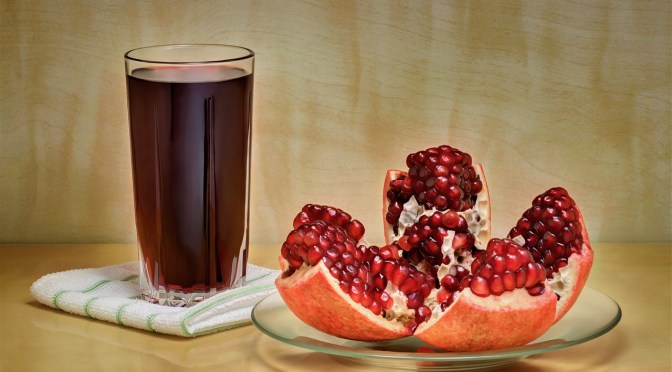
In a study titled, “Pomegranate juice augments memory and FMRI activity in middle-aged and older adults with mild memory complaints,” thirty-two subjects with self-reported memory complaints were randomly assigned to drink 8 ounces of either pomegranate juice or a flavor-matched placebo drink for 4 weeks, receiving memory testing, functional MRI scans (fMRI), and blood draws for peripheral biomarkers before and after the intervention.

After 4 weeks, only the pomegranate group showed significant improvement in verbal memory scores and plasma antioxidant levels.  Furthermore, compared to placebo, the pomegranate group showed increased fMRI activity during verbal and memory tasks, indicating pomegranate juice consumption results in increased blood flow to critical task-related brain regions.

This is not the first study to identify a brain-beneficial effect to pomegranate juice, as a sizable body of animal research already exists demonstrating it has neuroprotective properties against aluminum-,[1] stroke-,[2] [3] and glucose deprivation-associated neurotoxicity,[4] and may also inhibit the formation of pathological plaques and the over-excitation of microglial cells associated with Alzheimer’s disease.[5] [6] [7]

Pomegranate, in fact, is capable of unclogging and tonifying the cardiovascular system, which is especially important when it comes to brain health, and so-called vascular dementia. In fact, in a previous article titled,  “How To Clean Your Arteries with One Simple Fruit,” I report on the ability of pomegranate juice to regress blockages within the carotid arteries of patients.  

There is also its well-known age-defying ability to prevent adverse changes associated with the exhaustion of ovarian function.  In a previous article, “Amazing Fact: Pomegranate Can Function as a Back-up Ovary,” we looked at animal research explaining how this legendary food, traditionally linked with regeneration and immortality, may provide an alternative to bioidenticial and synthetic hormone replacement therapies.

As the research community continues to explore the potential role of so-called ‘medicinal foods’ in improving quality of life and preventing and/or treating diseases that are largely refractory to conventional drug-based interventions, we can rest assured that pomegranate will continue to play a central role in the rediscovery of food as medicine.

While much of the research is preliminary, an increasingly robust body of human clinical research indicates that pomegranate has a wide range of potential health benefits, including:

  • Improve Pregnancy/Birth Outcomes: Pomegranate juice has been found to potentially protect the unborn fetus by reducing oxidative stress in the placenta.[8]
  • Improve Rheumatoid Arthritis: Pomegranate juice reduces disease activity and oxidative stress in rheumatoid patients.[9]
  • Improve Heart Disease: Pomegranate juice has been found to have anti-atherogenic properties by reducing oxidative stress, including LDL cholesterol oxidation.[10]
  • Fights Prostate Cancer: Pomegranate juice has been found to prolong prostate doubling, as well as inhibit the proliferation and increase programmed cell death in the prostates of men with prostate cancer.[11]
  • Contributes to Weight Loss: Pomegranate juice was found to contribute to a reduction in weight, without decreasing insulin sensitivity like other commonly used sources of ‘sugar.’[12]

For additional research on pomegranate’s wide range of health benefits, visit our pomegranate research page: Pomegranate Health Benefits, wherein you will find primary literature study abstracts on its value in over 100 potential health conditions.


References

[1] Ahmed E Abdel Moneim. Evaluating the potential role of pomegranate peel in aluminum-induced oxidative stress and histopathological alterations in brain of female rats. Biol Trace Elem Res. 2012 Dec ;150(1-3):328-36. Epub 2012 Sep 5. PMID: 22945624

[2] David J Loren, Navindra P Seeram, Risa N Schulman, David M Holtzman. Maternal dietary supplementation with pomegranate juice is neuroprotective in an animal model of neonatal hypoxic-ischemic brain injury. Pediatr Res. 2005 Jun ;57(6):858-64. Epub 2005 Mar 17. PMID: 15774834

[3] Tim West, Madeliene Atzeva, David M Holtzman. Pomegranate polyphenols and resveratrol protect the neonatal brain against hypoxic-ischemic injury. Dev Neurosci. 2007 ;29(4-5):363-72. PMID: 17762204

[4] Fatemeh Forouzanfar, Amir Afkhami Goli, Elham Asadpour, Ahmad Ghorbani, Hamid Reza Sadeghnia. Protective Effect of Punica granatum L. against Serum/Glucose Deprivation-Induced PC12 Cells Injury. Evid Based Complement Alternat Med. 2013 ;2013:716730. Epub 2013 Jul 7. PMID: 23935674

[5] Richard E Hartman, Aartie Shah, Anne M Fagan, Katherine E Schwetye, Maia Parsadanian, Risa N Schulman, Mary Beth Finn, David M Holtzman. Pomegranate juice decreases amyloid load and improves behavior in a mouse model of Alzheimer’s disease. Neurobiol Dis. 2006 Dec ;24(3):506-15. Epub 2006 Sep 28. PMID: 17010630

[6] Soo Jung Choi, Ju-Hyun Lee, Ho Jin Heo, Hong Yon Cho, Hye Kyung Kim, Chang-Ju Kim, Myeong Ok Kim, Soo Hwan Suh, Dong-Hoon Shin. Punica granatum protects against oxidative stress in PC12 cells and oxidative stress-induced Alzheimer’s symptoms in mice. J Med Food. 2011 Jul-Aug;14(7-8):695-701. Epub 2011 Jun 1. PMID: 21631359

[7] Lalida Rojanathammanee, Kendra L Puig, Colin K Combs. Pomegranate polyphenols and extract inhibit nuclear factor of activated T-cell activity and microglial activation in vitro and in a transgenic mouse model of Alzheimer disease. J Nutr. 2013 May ;143(5):597-605. Epub 2013 Mar 6. PMID: 23468550

[8] Baosheng Chen, Methodius G Tuuli, Mark S Longtine, Joong Sik Shin, Russell Lawrence, Terrie Inder, D Michael Nelson. Pomegranate juice and punicalagin attenuate oxidative stress and apoptosis in human placenta and in human placental trophoblasts. Am J Physiol Endocrinol Metab. 2012 Feb 28. Epub 2012 Feb 28. PMID: 22374759

[9] Alexandra Balbir-Gurman, Bianca Fuhrman, Yolanda Braun-Moscovici, Doron Markovits, Michael Aviram. Consumption of pomegranate decreases serum oxidative stress and reduces disease activity in patients with active rheumatoid arthritis: a pilot study. Isr Med Assoc J. 2011 Aug ;13(8):474-9. PMID: 21910371

[10] M Aviram, L Dornfeld, M Rosenblat, N Volkova, M Kaplan, R Coleman, T Hayek, D Presser, B Fuhrman. Pomegranate juice consumption reduces oxidative stress, atherogenic modifications to LDL, and platelet aggregation: studies in humans and in atherosclerotic apolipoprotein E-deficient mice. Am J Clin Nutr. 2000 May ;71(5):1062-76. PMID: 10799367

[11] Allan J Pantuck, John T Leppert, Nazy Zomorodian, William Aronson, Jenny Hong, R James Barnard, Navindra Seeram, Harley Liker, Hejing Wang, Robert Elashoff, David Heber, Michael Aviram, Louis Ignarro, Arie Belldegrun. Phase II study of pomegranate juice for men with rising prostate-specific antigen following surgery or radiation for prostate cancer. Forsch Komplementmed. 2007 Feb;14(1):39-44. Epub 2007 Mar 6. PMID: 16818701

[12] Manuel González-Ortiz, Esperanza Martínez-Abundis, María C Espinel-Bermúdez, Karina G Pérez-Rubio. Effect of pomegranate juice on insulin secretion and sensitivity in patients with obesity. Ann Nutr Metab. 2011 ;58(3):220-3. Epub 2011 Jul 28. PMID: 21811060

Originally published: 2013-08-24  

Article updated:  2019-03-01  


© [Article Date] GreenMedInfo LLC. This work is reproduced and distributed with the permission of GreenMedInfo LLC. Want to learn more from GreenMedInfo? Sign up for the newsletter here http://www.greenmedinfo.com/greenmed/newsletter.

SOURCE

http://www.greenmedinfo.com/blog/boost-your-memory-sweet-and-refreshing-treat?utm_source=Daily+Greenmedinfo.com+Email+List&utm_campaign=0cf7329cc7-Pomegranate_Brain&utm_medium=email&utm_term=0_193c8492fb-0cf7329cc7-88217749&ct=t(Pomegranate_Brain)&mc_cid=0cf7329cc7&mc_eid=92d20a98af

Blueberries are a miraculous natural medicine

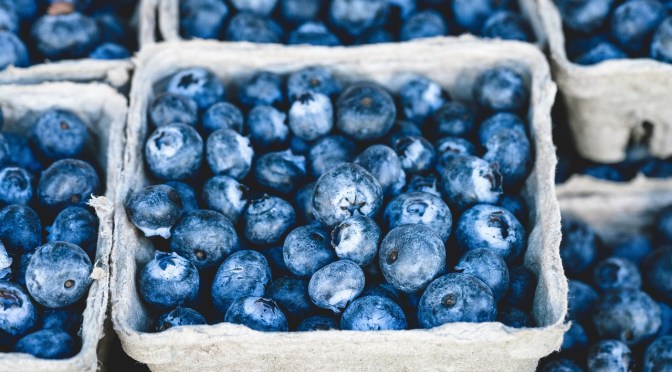
(Natural News) Blueberries are miraculous natural medicine. If they were prescription medications, they would be called a “miracle” health breakthrough and an unprecedented milestone in medical science. Yet you can get them without a prescription, without a visit to the doctor and without “permission” from your health insurance provider.

And unlike toxic prescription medications, blueberries are incredibly delicious. Just be sure to buy organic, since you don’t want to poison your body with toxic pesticides used on non-organic blueberries. (Read Blueberries.news for more coverage of the health benefits of this amazing superfruit…)

As I explain in the studio video below, blueberries provide astonishing health benefits that no drug can match. These benefits include:

  • Provides nutrients such as 36% of the daily recommended intake of Vitamin K, 25% of manganese and 24% of vitamin C
  • They’re low in cholesterol, low in sodium and low in saturated fat
  • They reduce your risk of heart attacks by 32%
  • They’re great for your brain; just 30 ml of juice has been found to improve cognitive function and prevent memory loss
  • Consuming just two servings per week was found to restore brain functionequivalent to being 2 1/2 years younger
  • They support friendly bacteria in your gut
  • They’re also a great source of fiber, which improves digestive health

Watch my full news video for more details:

https://vimeo.com/235197978

SOURCE:

https://www.naturalnews.com/2017-09-23-if-blueberries-were-pharmaceuticals-they-would-hailed-the-greatest-miracle-health-breakthrough.html

Alzheimers and Dementia Summit online FREE from July 23-29, 2018 – important info for prevention

Are you concerned about brain health? Or, of one day not recognizing your closest friend? If so, or if you care about friends and family members dealing with poor brain function, don’t miss The Alzheimer’s and Dementia Summit.

Brain disorders, including memory loss, are fast becoming the single biggest health problem in the world.


Did you know?

  • Every 3 seconds someone gets diagnosed with Alzheimer’s or dementia
  • Dementia starts in the brain 30 to 50 years before symptoms appear
  • Alzheimer’s disease is the 6th leading cause of death
  • The average burden on families dealing with late-stage dementia is $300,000
  • 46+ million people are losing their minds (this will double every 20 years)
  • The “silent epidemic” of early-onset dementia is on the rise

This event represents a unique opportunity to discover the best strategies to improve brain health. Join us to find out what you can, and should, do before it’s too late – because taking action now is the key to protecting your brain health and overall well-being!

READ MORE AT THE naturalhealth365 WEBSITE

https://alzheimersdementiasummit.com/?idev_id=2517&idev_username=Jonathan&utm_source=2517