
Gardening should be a pleasant pastime and not just another chore that has to be done. If you find it a chore then maybe there are too many things you are doing and the pleasure of working with plants and the soil is lost.
There are things that we gardeners must do to keep everything growing healthy and looking good. I am always are looking for ways to do tasks quickly and simply so more time can be spent doing the gardening things that give satisfaction and gratification. Enjoyment comes from preparing an area and planting it with seeds or seedlings then watching them develop and grow for harvesting to eat or flower to enhance your home.
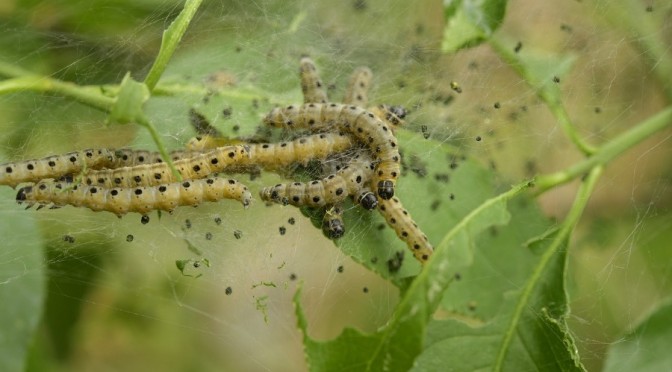
Summer time temperatures allow pest insects to multiply quickly and infest your plants. If their populations become too great then it is a real chore to try and get them under control. In fact it is better to start control methods as early as possible making life easier in the long term. By spreading Wallys Neem Tree Granules over the soil under trees, shrubs and established plants will greatly help reduce and prevent insect populations building up. There are soil pests that we don’t see which are feeding on the roots of plants, sapping the plant’s energy causing loss of vigor. Mealy bugs, root nematodes, grass grubs and slaters can be controlled and eliminated by scattering the Neem Granules in the plant’s root zone. Gardeners and Landscapers often comment to me that a few weeks after applying the Neem Granules the plants are looking much better. Simple reason is the pests feeding on the roots have gone and the plants are happy. Wallys Neem Granules can be used around your roses, vegetable plants and flowering annuals.
Wallys Neem Tree Powder which is the same as the granules just a smaller, even particle size are ideal to use in the planting hole of seedlings, along with sowing of seeds and in particular with carrot seeds to prevent carrot fly damage. With carrots you side dress to row when the carrot tops are a few centimeters tall as well as when sowing the seeds. Container plants are often a home for mealy bugs which feed on the roots and later come upstairs as adults to feed on the foliage. The ones on the foliage are easy to control with Wally Super Pyrethrum but you need to place Neem Powder on top of the growing medium. As the powder breaks down it will develop grey mould which is the natural breakdown happening. It is unsightly so after applying the powder cover with a little growing medium. Out of sight, out of mind. If you want a top quality lawn then it is a good idea to sprinkle Wallys Neem Tree Powder over the lawn at a rate of 50 grams per Square Metre. If your lawn is infected by grass grubs each year then in Autumn when the autumn rains have moistened the soil you spread the Neem powder over the lawn after it has been recently cut. Then lightly water the area to wash the powder down off the grass onto the soil. If you have a roller then its a good idea to roll the lawn to press the powder into the soil.
When you find there are pest insects on any of your plants outdoors you can make up a spray using Wallys Super Neem Tree Oil with Wallys Super Pyrethrum added. Just on dusk when the bees have stopped working for the day you spray the plants under and over the foliage. The pyrethrum is a quick knock down and it will kill the flying insects such as white fly and leaf hoppers. The Neem Oil will, as an anti-feedent on the foliage, stop the pests feeding on the plants after which they will starve to death in a few days. Often gardeners find that the sprays work, but it is only a short time before the insect pests are back. The reason being is they are on other plants in the area and re-infesting back onto your treated plants. You need to spray the other plants they are coming from. If those plants happen to be over the fence then that is a problem that can only be solved with winter or you getting the ok from the neighbor (who likely is not a gardener) to spray their plants as well.
Gardeners that live in the country and have possums, rabbits and hares to contend with can do the following: plants that are been eaten spray with Wallys Neem Tree Oil just before dark. Wallys Neem Tree oil being the real thing and not some vegetable oil with the Neem properties added, has a horrible taste which with its smell will deter possums and rabbits. Once you find that the varmints have stopped eating your plants then instead of having to respray to keep control and keep them away, simply scatter Wally Neem Tree Granules around and the smell of them should keep your plants safe. A point when using the spray mix of Wallys Neem Oil and Pyrethrum and you have unused spray then you can pour the left over liquid into a container and store in a dark cupboard. Rinse the sprayer out thoroughly jetting some clean water through the nozzle to be sure all the spray has gone. Next time you use you can take the stored spray and if need be add more of the products and water.
To look after the soil and the beneficial microbes plus fungi that live in the soil which help our plants feed and grow, mix Wallys Super Fish Fertiliser with Wallys Mycorrcin in a watering can and water the area around or over your preferred plants such as vegetables, fruit and roses. This will help to greatly increase the soil life (as long as you are not watering with chlorinated tap water). Here is an interesting possibility: as the combination of the fish fertiliser and Mycorrcin has a distinct smell you could try spraying the mix over fruit trees when the birds are attacking the fruit. A product that used to be available years ago from Canada called Alaska Fish Fertiliser which had quite a smell to it did deter birds from ripening fruit. If you find it successful let me know.
TWENTY FIVE PERCENT OFF SALE
Till the end of January we are discounting the following products by 25% to help you gain control of Insect pests and improve your soil quality.
Orders must be placed on www.0800466464.co.nz using the Code 25% in the remarks place.
I will phone you after receiving the order and deduct the 25% off the items below and also give you 10% off most other items except for bulk items.
FREIGHT: shipping charged on orders under $100 (After discounts) North Island In other words order of $100 plus after discount and not bulk items free shipping.
South Island $150.00 plus after discounts for free shipping.
Exception is for Rural delivery a charge of $3.15 on each parcel sent no matter if rest is free shipping or not.
Here are the 25% discount items:
Wallys Neem Tree Granules 1kg normal price $15.00 save $3.75 making it $11.25
Wallys Neem Tree Granules 3kg normal price $28.00 save $7.00 making it $21.00
Wallys Neem Tree Granules 10kg normal price $80.00 save $20.00 making it $60.00
Wallys Neem Tree Granules 20kg normal price $160.00 save $40.00 making it $120.00
Wallys Neem Tree Powder 1kg normal price $15.00 save $3.75 making it $11.25
Wallys Neem Tree Powder 3kg normal price $28.00 save $7.00 making it $21.00
Wallys Neem Tree Powder 10kg normal price $80.00 save $20.00 making it $60.00
Wallys Neem Tree Powder 20kg normal price $160.00 save $40.00 making it $120.00
Wallys Super Neem Tree oil 125 ml normal price $18.00 save $4.50 making it $13.50
Wallys Super Neem Tree oil 250 ml normal price $24.00 save $6.00 making it $18.00
Wallys Super Neem Tree oil 1 litre normal price $60.00 save $15.00 making it $45.00
Wallys Super Pyrethrum 100 ml normal price $28.00 save $4.20 making it $23.80
Wallys Super Fish Fertiliser 1Litre normal price $16.00 save $4.00 making it $12.00
Wallys Mycorrcin 250ml normal price $20.00 save $5.00 making it $15.00
Wallys Mycorrcin 500ml normal price $35.00 save $8.75 making it $26.25
Wallys Mycorrcin 1 Litre normal price $55.00 save $13.75 making it $41.25
Orders must be placed on www.0800466464.co.nz using the Code 25% in the remarks place.
Phone 0800 466464
Garden Pages and News at www.gardenews.co.nz
Shar Pei pages at www.sharpei.co.nz
Mail Order products at www.0800466464.co.nz
New Zealand Bill of Rights Act 1990. Part II of the Act covers a broad range of Civil and Political Rights. As part of the right to life and the security of the person, the Act guarantees everyone:
1The right not to be deprived of life except in accordance with fundamental justice (Section 8)
2The right not to be subjected to torture or to cruel, degrading, or disproportionately severe treatment or punishment (Section 9)
3The right not to be subjected to medical or scientific experimentation without consent (Section 10)
4The right to refuse to undergo any medical treatment (Section 11)
Furthermore, the New Zealand Bill of Rights Act 1990 guarantees everyone: Freedom of Thought, Conscience, and Religion.
This includes the right to freedom of thought, conscience, religion, and belief,
INCLUDING THE RIGHT TO ADOPT AND HOLD OPINIONS WITHOUT INTERFERENCE (Section 1)
For other gardening posts see ‘gardening’ in categories (left side of page)
Check out our sister site truthwatchnz.is for other news
Photo: pixabay.com

