
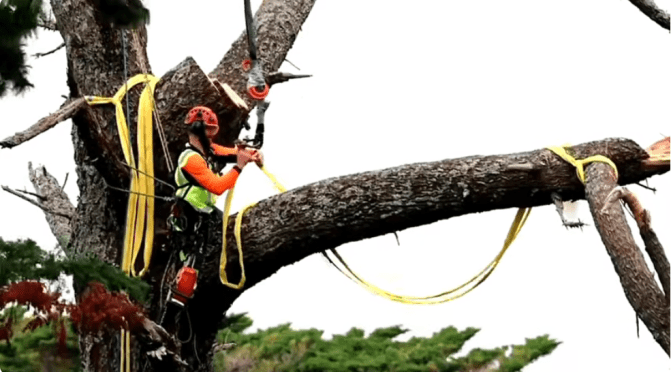
Since the tragic landslip at Mt Maunganui some folk have been blaming iwi for the tree felling and possible cause of the subsequent slip. Iwi however are simply partnering (as invited) with councils in implementing a UN biodiversity plan NZ signed up to in 2022. (Agenda 2030) The plan intends for the elimination of all non natives including animals. (Be sure to read Jenese James’ article, last link).
So … one cannot wholly blame iwi. The official info tells us they were ‘contributors’ not in control. I wonder why the council experts agreed to it? They must surely have discussed this at length with iwi? Shared the risks of removing trees? (One can’t help but reflect on how the original natives got removed in the first place and replaced with non-natives?)
Anyway, Council is certainly in the hot seat now regarding early warning signs of slips on the mount that they were alerted to.
A final note, Agenda 2030 is not he benign green plan you may think it is. To get the point, read Rosa Koire’s ‘Behind the Green Mask’. (Free pdf download here). EWNZ
Google AI had the following to say on the UN’s biodiversity plans.
NZ’s councils are signatory to “the United Nations’ primary biodiversity plan [which] is the…
Kunming-Montreal Global Biodiversity Framework (GBF), adopted in December 2022 by 196 parties to the Convention on Biological Diversity (CBD).
This framework, often referred to as the “Biodiversity Plan” or the “30×30 target,” aims to halt and reverse nature loss by 2030, with a strong focus on protecting indigenous, native ecosystems and controlling invasive species.
Key Aspects of the UN Biodiversity Plan Relevant to Non-Natives:
- Target 6 – Invasive Alien Species: The framework explicitly calls to prevent, reduce, or mitigate the impacts of invasive alien species on biodiversity.
- 50% Reduction: The plan sets a target to reduce the rates of introduction and establishment of invasive alien species by at least 50% by 2030.
- Eradication and Control: It requires the eradication or control of invasive alien species, especially in priority sites such as islands.
- Focus on Native Ecosystems: The plan prioritizes the restoration and protection of “native wild species” and the maintenance of “high ecological integrity”.
Key 2030 Global Targets:
- 30×30 Target: Protect at least 30% of the world’s land and oceans.
- Restoration: Have restoration completed or underway on at least 30% of degraded ecosystems.
- Nutrient Pollution: Reduce nutrients lost to the environment by at least half, and pesticides by at least two-thirds.
Context on “Non-Natives” in Biodiversity Planning:
While the UN plan does not call for the immediate removal of all non-native species globally, it focuses on those that are “invasive” and threaten native biodiversity, ecosystem functions, and services. The framework aims to maintain and restore the genetic diversity of native, wild, and domesticated species.
The plan also emphasizes that conservation efforts should be “ecologically representative” and “well-connected,” often focusing on restoring original, native habitats.
Source: google AI overview
New Zealand’s Participation
The Kunming-Montreal Global Biodiversity Framework and COP15 New Zealand joined nearly 200 parties in adopting the Kunming-Montreal Global Biodiversity Framework(external link) on 19 December 2022, at the COP15 meeting. This framework, agreed by parties to the Convention on Biological Diversity, commits countries to the ‘30×30’ initiative to protect 30% of land and ocean globally by 2030. Countries are working together through the Convention on Biological Diversity(external link) (CBD). New Zealand is one of 196 parties to this Convention and has been a member since December 1993. After four years of negotiations, the Framework is a turning point for nature, and recognises the essential contribution of Māori and other indigenous peoples as kaitiaki, to the sustainable management and conservation of nature. The deal includes targets to restore damaged ecosystems, tackle overexploitation of wild species, eliminate or reform $500 billion of environmentally damaging subsidies, and halt pollution that damages ecosystems….
Note also, they are also ridding NZ of all non native animals. Read Jenese James’ excellent article on that topic.
Who is driving PFNZ (Pest Free NZ)
By Jenese James
What is driving the Pest Free NZ Agenda and the hysteria in eradicating non native species. Answer – International agreements and a global agenda to purge all non native species of animals and plants around the world.
Its wise to know that when you stand up to protest DOC for the tortuous deaths it is perpetrating on innocent animals, that you are confronting not just DOC or the current minister or politician but a host of unelected bureaucrats who manage all the various global agreements NZ has signed up to. These bureaucrats ensure that things run smoothly. The minister and the politicians are an interface between us and them. John Key called these global organisations the clubs
Image credit: video screenshot, Mt Maunganui (Mauao) 2023: Council Big-Trees Removal
Discover more from Environmental Health Watch NZ
Subscribe to get the latest posts sent to your email.

The Wellington Regional Council has been busy chopping down mature poplar trees along the Waikanae River banks solely for this reason and have ruined many nice vistas. With the most recent slaughter they planted some little native saplings that will take 20 years to get to that same height. We wonder what will happen to council botanic gardens with exotic trees — one thing is for sure, no more will be created. We suggested one in the open fields of Otararua Park south of the river in the past, and they ignored us. We now understand why.
LikeLike
Thanks for sharing that WW.. great to hear of live examples. Biodiversity plans aside it makes more sense conservation wise to replace them gradually not en masse. This is it though … their ideals and plans are on paper only.
LikeLike