

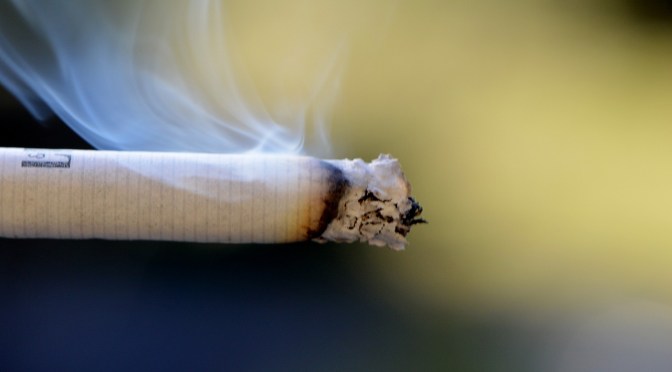
In December 1953, tobacco executives gathered at the Plaza Hotel in Manhattan to confront an existential crisis. The scientific evidence linking cigarettes to lung cancer was becoming undeniable. From this meeting emerged what would become known as the Frank Statement—a masterpiece of manufactured doubt that appeared in 448 newspapers reaching 43 million Americans. “We believe the products we make are not injurious to health,” they declared, announcing the creation of the Tobacco Industry Research Committee. This wasn’t mere denial; it was the birth of industrialized epistemic capture.
The tobacco industry’s genius wasn’t in refuting science but in corrupting it from within. They created their own research institutes, funded friendly scientists, ghostwrote papers, and transformed medical journals into marketing vehicles. They manufactured a “controversy” where none existed, keeping their product on the market for decades after its dangers were known. By the time of the 1998 Master Settlement Agreement, tobacco had killed millions while generating trillions in profits.
Yet tobacco’s playbook, brilliant as it was, contained a fatal flaw: addiction itself became evidence of harm. Smokers trying to quit, yellowed teeth, blackened lungs—the damage was visible, undeniable, personal. The industry could delay recognition but never prevent it entirely. They created customers who defended their addiction but ultimately knew they were addicts.
Pharmaceutical companies studying this model recognized both its power and its limitations. What if, instead of selling a product that visibly harms, you sold one that prevents invisible future harm? What if, instead of creating addicts who might someday want to quit, you created true believers who would enforce the product on others? What if the customers themselves became your most passionate marketers, your most vigilant police, your most faithful evangelists?
The transformation from tobacco’s playbook to vaccine orthodoxy represents an evolution in control so perfect that those trapped within it will violently defend their imprisonment. Where tobacco created dependence, vaccines create devotion. Where cigarettes generated customers, vaccines generate congregations. The innovation wasn’t just in the product but in the systematic transformation of medicine into theology, patients into prophets, and public health into public faith.
The Tobacco Template
The Brown & Williamson documents, leaked in 1994, revealed the architecture of deception in stunning detail. “Doubt is our product,” wrote one executive, “since it is the best means of competing with the ‘body of fact’ that exists in the minds of the general public.” The strategy was elegant: you don’t need to prove your product safe, merely maintain enough uncertainty to prevent action. Fund research that asks the wrong questions. Create institutes with academic-sounding names. Transform “no evidence of harm” into “evidence of no harm.”
The Tobacco Institute, founded in 1958, perfected the art of institutional capture. They didn’t just buy scientists; they bought entire departments. Harvard’s tobacco-friendly research wasn’t corruption—it was investment. The Council for Tobacco Research distributed over $282 million to 1,000 scientists at 350 institutions. They created what historian Robert Proctor calls “agnotology”—the deliberate production of ignorance. Studies examined everything except what mattered. Research into genetic predisposition to cancer, the role of personality in disease, atmospheric pollution—anything to deflect from cigarettes as the cause.
Most brilliantly, they corrupted language itself. “Safe cigarettes” became “reduced harm products.” “Addiction” became “habituation.” “Cancer-causing” became “statistical association.” They pioneered what Orwell predicted: controlling language to control thought. When Philip Morris’s own research showed cigarettes were carcinogenic, they classified it as “privileged attorney-client communication,” hiding science behind legal doctrine.
The pharmaceutical industry observed this infrastructure and recognized its potential. But where tobacco had to build its scientific apparatus from scratch, pharma could colonize existing institutions. Medical schools already existed; they just needed funding. Journals already published; they just needed advertising revenue. Regulatory agencies already governed; they just needed revolving doors. The Centers for Disease Control, founded in 1946, had originally focused on malaria. By the 1980s, it had become the Vatican of vaccination, its leaders rotating seamlessly between government and pharmaceutical posts.
The 1986 National Childhood Vaccine Injury Act marked pharma’s improvement on tobacco’s template. Where tobacco fought liability in court for decades, vaccines achieved complete legal immunity preemptively. Where cigarette makers faced thousand of lawsuits, vaccine manufacturers faced none. The legislation created a captive market through mandates while eliminating the primary mechanism—litigation—through which tobacco’s crimes were eventually exposed.
The Genius of Prevention vs. Treatment
Tobacco’s fundamental weakness was temporal: harm followed use, inevitably and visibly. A smoker’s cough today predicted cancer tomorrow. The causation, while denied, was ultimately undeniable. But vaccines operate in the realm of counterfactuals—preventing diseases most people would never get anyway. You cannot see a disease that didn’t happen. You cannot prove a negative. This invisibility of benefit, combined with delayed and diffused harm, creates the perfect product.
Consider the numbers that should shock but don’t: in 1970, autism affected 1 in 10,000 children. Today it’s 1 in 36. The childhood vaccine schedule expanded from 3 vaccines to 72 doses during this same period. Correlation isn’t causation, the defenders cry, yet when tobacco critics pointed to correlation between smoking and lung cancer, the same defenders called it proof. The difference isn’t scientific—it’s theological. Vaccines occupy sacred space in the medical pantheon where questioning becomes heresy.
The genius manifests in how adverse events are interpreted. When a child regresses into autism after vaccination, it’s coincidence—even when it happens 277 times every single day. When thousands of parents report identical patterns of immediate regression following MMR vaccines, they’re dismissed as confused, emotional, or attention-seeking. The Vaccine Adverse Event Reporting System captures perhaps 1% of actual injuries, yet even this fragment is dismissed as “unverified” and “anecdotal.” Tobacco never achieved such perfect invisibility of harm.
Prevention creates its own epistemological bubble. To question vaccines, you must imagine alternate realities: What if my child wouldn’t have gotten measles anyway? What if the decrease in disease came from sanitation, not vaccination? What if the risk of injury exceeds the risk of disease? These questions require complex probabilistic thinking that can always be countered with fear. One photo of a child with measles—a disease that killed 400 Americans annually before vaccination—justifies injecting millions with dozens of doses whose cumulative effects have never been studied.
The masterstroke is making the absence of disease proof of vaccine necessity rather than success. Polio is gone, therefore we must continue vaccinating. Measles is rare, therefore we must maintain vigilance. The logic is circular and unassailable: vaccines work because disease is absent; disease is absent because vaccines work. Anyone pointing out that scarlet fever and typhoid disappeared without vaccines is ignored. The counterfactual nature of prevention makes the product intellectually unfalsifiable and emotionally irresistible.
Manufacturing Consensus Through Credentials
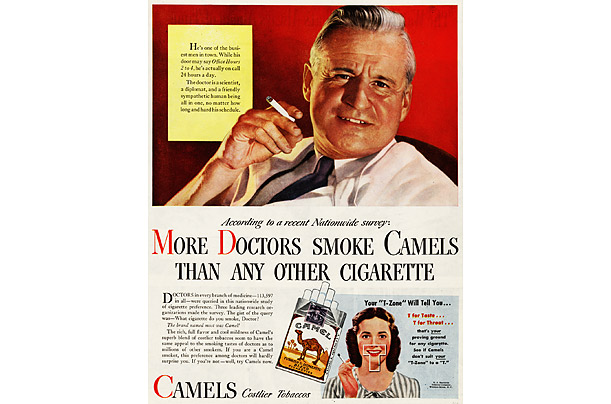
Where tobacco had to create scientific controversy, vaccines inherited scientific authority. The white coat that once advertised Camels now administers vaccines, but with a crucial difference: the doctor genuinely believes. Medical schools, two-thirds of whose department chairs have pharmaceutical ties, produce graduates who’ve never seen measles but have seen their careers destroyed for questioning vaccines. They emerge from training $200,000 in debt and epistemologically lobotomized—capable of complex technical procedures but incapable of questioning foundational assumptions.
The American Academy of Pediatrics, which receives millions from vaccine manufacturers, publishes guidelines that become gospel. Doctors who deviate face not just professional consequences but personal ones—ostracism from their community, investigation by medical boards, loss of hospital privileges. Dr. Bob Sears was brought before the California medical board not for harming patients but for writing medical exemptions. Dr. Paul Thomas had his license suspended for publishing data showing his unvaccinated patients were healthier. The message is clear: apostasy will be punished.
This manufactured consensus extends through every medical institution. The CDC’s Advisory Committee on Immunization Practices, which sets vaccine schedules, is staffed by members with pharmaceutical ties so extensive they require special waivers. The Institute of Medicine, tasked with investigating vaccine safety, declares vaccines “safe and effective” before beginning their reviews. Medical journals, dependent on pharmaceutical advertising and reprint purchases, publish industry ghostwritten studies while rejecting research showing harm. The peer review process, supposedly science’s quality control, becomes an enforcement mechanism for orthodoxy.
The brilliance lies in making dissent appear not just wrong but impossible. “The science is settled” becomes a thought-terminating cliché that prevents investigation. “Vaccines save lives” becomes an axiom requiring no evidence. When Dr. William Thompson, senior CDC scientist, admitted they destroyed data showing MMR vaccines increased autism risk in African American boys, the confession vanished from mainstream discourse. When the documentary “Vaxxed” tried to present his evidence, it was pulled from the Tribeca Film Festival after pharmaceutical pressure. Consensus isn’t manufactured through evidence but through the systematic exclusion of counter-evidence.
Medical students learn immunology from textbooks written by vaccine patent holders. They memorize antibody responses while never studying the unvaccinated. They recite vaccine schedules while never questioning why American children, the most vaccinated population in history, have the worst health outcomes in the developed world. The consensus they join isn’t scientific—it’s theological, complete with saints (Salk, Sabin), miracles (polio’s disappearance), and excommunication for heretics.
The Parent as Enforcer
Tobacco created individual users who might pressure friends to smoke. Vaccines create something far more powerful: parents who believe refusing vaccination is child abuse. The transformation of customers into enforcement agents represents pharma’s greatest innovation. A mother who vaccinates doesn’t just consume; she evangelizes, monitors, reports. She becomes an unpaid agent of pharmaceutical surveillance, policing other mothers with religious zeal.
The mechanism is profound: parents make irreversible decisions about their children’s bodies, injecting them with dozens of substances they don’t understand based on trust in authority. This trust, once given, becomes psychologically impossible to withdraw. To question vaccines after vaccinating your children means confronting the possibility you harmed them. The cognitive dissonance is unbearable. Better to defend the practice with increasing fervor than face that abyss.
Social media amplifies this enforcement. Mothers post vaccination photos like religious sacraments—their infant surrounded by syringes, band-aids on tiny thighs, captions about “protecting the community.” They join groups dedicated to mocking “anti-vaxxers,” sharing memes that portray vaccine-hesitant parents as child killers. They demand unvaccinated children be excluded from schools, parks, birthday parties. They’ve become willing agents of pharmaceutical apartheid, enforcing segregation with moral certainty.
The school system institutionalizes parental enforcement. Mandatory vaccination for school attendance turns every parent into a compliance officer. Those seeking exemptions must navigate bureaucratic labyrinths, submit to ideological re-education, endure public humiliation. California’s SB277 eliminated personal belief exemptions entirely, forcing parents to choose between education and bodily autonomy. Parents who comply become invested in the system’s legitimacy—admitting coercion would mean admitting their own violation.
The genius is that enforcement appears grassroots rather than corporate. When a mother demands unvaccinated children be banned from her child’s classroom, she’s not seen as a pharmaceutical agent but a concerned parent. When parents organize to eliminate vaccine exemptions, they appear as citizen activists rather than corporate pawns. The industry doesn’t need lobbyists when it has millions of parents convinced that forced vaccination is child protection. Every parent becomes a salesperson, every playground a marketplace, every conversation a potential conversion.
The Liturgy of Vaccination
Vaccination has achieved what tobacco never could: sacred status. The ritual begins before birth with maternal vaccines, continues through “well-baby” visits scheduled with religious regularity, and extends through school, college, employment. Each injection is a sacrament in the church of public health, complete with ceremonial elements that bypass rational thought and engage primitive belief.
The white coat serves as priestly vestment, the syringe as sacred implement. The vaccine schedule becomes holy writ, deviation from which constitutes mortal sin. Parents bring their children to the altar of the examination table, where they’re held down—sacrificial offerings to the god of prevention. The brief pain, the tears, the fever that follows—all transformed into signs of protection rather than harm. “It means it’s working,” parents are told, teaching them to interpret injury as benefit.
Language itself becomes liturgical. “Safe and effective” is repeated like a mantra, requiring no evidence, permitting no question. “Vaccines save lives” functions as a creed, recited without thought. “Herd immunity” becomes a moral imperative, transforming individual medical decisions into collective obligations. Those who refuse are not just wrong but selfish, dangerous, evil. They threaten not just physical health but the moral fabric of society.
The ritual calendar of vaccination creates temporal structure similar to religious observances. Two months, four months, six months, twelve months—each appointment a station of the cross in the passion of prevention. Parents who miss appointments receive calls, letters, threats. The schedule itself, increasing from 3 vaccines in 1970 to 72 doses today, is never questioned. Like prayers added to a rosary, each new vaccine joins the liturgy without examining the cumulative effect.
The transformation of vaccination into sacrament makes rational discussion impossible. You cannot debate the Eucharist with someone who believes it’s literally Christ’s body. You cannot discuss vaccine risk with someone who believes vaccines are miracles. The religious framework precludes evidence-based discussion. Faith, not facts, drives the ritual. Parents who refuse vaccines aren’t making medical decisions—they’re committing blasphemy.
This liturgical framework explains why evidence doesn’t matter. When studies show unvaccinated children are healthier, they’re dismissed like Protestant criticisms of Catholic doctrine. When vaccine court pays billions in damages, it’s ignored like church abuse settlements. The faithful don’t need evidence; they have belief. The vaccine liturgy, performed millions of times daily across the world, reinforces itself through repetition, ritual, and the powerful psychology of sunk cost.
When Damage Strengthens Belief
Tobacco’s model collapsed when harm became undeniable. But vaccines achieve something paradoxical: harm strengthens belief. When a child regresses into autism after vaccination, the parents face two possibilities: they injured their child, or it’s coincidence. The psychological pressure to choose coincidence is overwhelming. Accepting vaccine injury means confronting not just personal guilt but social exile. Better to become vaccination’s fiercest advocate than its victim.
This psychological trap creates the perfect product—one where injury increases advocacy. Parents of vaccine-injured children who accept the injury often become the movement’s most passionate critics. But those who deny it become its most zealous defenders. They must, to maintain their sanity. Every defense of vaccines becomes a defense of their own choices. Every attack on vaccine critics becomes an attack on their own doubts. The more their child suffers, the more fiercely they must believe the suffering is unrelated to vaccines.
Autism organizations exemplify this phenomenon. Autism Speaks, founded by grandparents of an autistic child, focuses exclusively on genetics, early intervention, and acceptance—never prevention. They receive millions from pharmaceutical companies and promote vaccination despite autism’s correlation with vaccine schedule expansion. Parents seeking answers are diverted into fundraising walks, awareness campaigns, and genetic studies—anything but examining the environmental trigger staring them in the face.
The medical system reinforces this denial through careful language. Children don’t become autistic after vaccination; they “manifest symptoms that were always present.” They don’t regress; they “enter a developmental phase.” The regression parents observe—loss of speech, eye contact, bowel control—is reframed as revelation of underlying conditions. Parents who insist their child changed immediately after vaccination are told they’re mistaken, confused, seeking someone to blame. Their testimony is invalidated, their experience denied.
The financial structure deepens the trap. Parents spending $50,000 annually on autism therapies cannot afford—economically or psychologically—to refuse further vaccines for younger siblings. Schools require vaccination for special education services. Therapy centers mandate compliance. Insurance covers autism treatment but not vaccine injury. The system ensures that accepting vaccine causation means losing support systems. Parents must choose between truth and survival. Most choose survival, and their choice strengthens the system that harmed them.
The Perfect Crime
Pharmaceutical companies have achieved what tobacco executives could only dream of: a product mandated by law, immune from liability, that transforms its victims into advocates. The crime is perfect because the criminals are sanctified, the victims silenced, and the witnesses blinded. Where tobacco faced journalists, lawyers, and scientists united in opposition, vaccines enjoy protection from the very institutions meant to provide oversight.
The legal immunity granted by the 1986 National Childhood Vaccine Injury Act created moral hazard on an unprecedented scale. Manufacturers can’t be sued regardless of negligence, fraud, or contamination. The vaccine court, which has paid over $4 billion in damages, operates in secrecy with special masters instead of juries. Cases take years, require proving causation to standards impossible to meet, and cap damages below actual costs. Most families never file claims, unaware the system exists. Those who do are bound by gag orders, their stories buried in sealed settlements.
The media, dependent on pharmaceutical advertising (70% of news advertising revenue), won’t investigate vaccine harm. Journalists who try face editorial rejection, career destruction, personal attacks. Del Bigtree, Emmy-winning producer of “The Doctors,” was blacklisted after producing “Vaxxed.” Sharyl Attkisson, five-time Emmy winner, was pushed out of CBS after reporting on vaccine injuries. The message is clear: investigate anything but vaccines. The result is information darkness where even parents of injured children don’t recognize patterns hidden in plain sight.
The regulatory capture surpasses tobacco’s wildest achievements. Julie Gerberding, CDC director who oversaw vaccine schedule expansion, became president of Merck’s vaccine division. Scott Gottlieb moved from FDA commissioner to Pfizer board member. The revolving door doesn’t just spin; it’s motorized. The agencies meant to protect public health have become pharmaceutical subsidiaries, their function inverted from protection to promotion.
The perfection of the crime lies in its invisibility. Tobacco harm was eventually undeniable—lung cancer, emphysema, death. But vaccine harm hides behind complexity, delayed onset, and diagnostic manipulation. Autism is genetic. SIDS is unexplained. Autoimmune diseases are environmental. Allergies are hygiene-related. Each condition with exploding prevalence is explained by everything except the obvious: the 72 injections every child receives. The crime is so perfect that victims thank their assailants, witnesses deny what they’ve seen, and investigators refuse to investigate.
This is the playbook perfected: create a product that prevents invisible disease, causes deniable harm, generates its own enforcement, and transforms medicine into religion. Where tobacco took decades to build its apparatus of deception, vaccines inherited and improved it. Where cigarettes faced eventual justice, vaccines enjoy perpetual immunity. The student has surpassed the teacher, creating not just addiction but devotion, not just customers but congregations, not just profit but power. The tobacco playbook was impressive. The vaccine playbook is perfect.
References
“Agnotology.” Lies are Unbekoming, April 2023.
“Epistemic Capture.” Unbekoming, September 2025.
“The Post-Truth Era: Reality vs. Perception.” UNO Magazine, Issue 27, March 2017. Developing Ideas by LLORENTE & CUENCA.
“The War on Knowing.” Unbekoming, July 2025.
I appreciate you being here.
If you’ve found the content interesting, useful and maybe even helpful, please consider supporting it through a small paid subscription. While 99% of everything here is free, your paid subscription is important as it helps in covering some of the operational costs and supports the continuation of this independent research and journalism work. It also helps keep it free for those that cannot afford to pay.
Please make full use of the Free Libraries.
Unbekoming Interview Library: Great interviews across a spectrum of important topics.
Unbekoming Book Summary Library: Concise summaries of important books.
Stories
I’m always in search of good stories, people with valuable expertise and helpful books. Please don’t hesitate to get in touch at unbekoming@outlook.com
Baseline Human Health
Watch and share this profound 21-minute video to understand and appreciate what health looks like without vaccination.



You must be logged in to post a comment.