Tag Archives: spinach

How to turn edible plants into mRNA vaccine factories: yes the University of California is studying this right now with US tax dollars

NOTE: They do intend to infect you one way or another. Watch all injectables. EWNZ

From Exposing the Darkness @ substack

EXTREMELY IMPORTANT: Our Food Is About To Be Poisoned With NEW “Transgenic Edible Vaccines”

They’re Being Funded Right Now BY TAXPAYERS, mRNA Food Vaccine FACTORIES. Kamala Harris Administration has been using US Tax Payer money to fund the development.

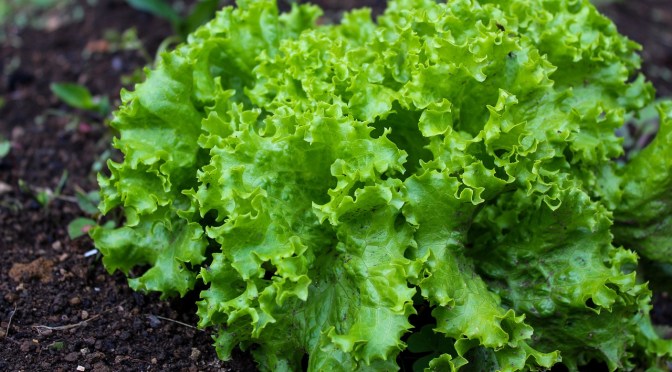
Rep. Thomas Massie: “…Does the term ‘Transgenic Edible Vaccines’ sound far-fetched? Well, it’s not. We are funding it. In fact scientists from the University of California, Riverside funded with your tax payer dollars, have been studying whether they can turn edible plants such as lettuce and spinach into mRNA vaccine factories, thereby creating a Transgenic Edible Vaccine…I don’t think this is a good idea. I don’t think the American people should be funding this…”

Click on the link HERE for the video

Image by Diana Cherry from Pixabay

Load up on THESE plant foods to boost your iron intake

From naturalhealth365.com

We’ve all heard about the importance of including iron in our diets.  However, it can be hard to know how to up your iron intake without eating tons of meat.

Dialing back your meat intake, even if you don’t completely cut it out, has been shown to reduce your risk of cancer and other chronic diseases.  But lowering your meat intake doesn’t mean sacrificing iron.  Several powerful plant foods rich in iron can help ensure you’re giving your body what it needs.

Iron maintains optimum health in MULTIPLE ways

Iron is a vital mineral that plays a role in good health.  One significant function of iron is that it helps your body make hemoglobin.  Hemoglobin is pivotal for transporting oxygen throughout your bloodstream.

But that’s not all.  Iron is vital for the immune system and cell function.  Without iron, you could be at risk of anemia, a condition where you don’t have enough red blood cells or hemoglobin to transport oxygen to your cells very well.

Pregnant women are especially at risk for anemia.  While the required iron intake varies from person to person, typically, men need about 8 milligrams a day, women 18 milligrams, and growing infants need 11 milligrams.

Eat these plant foods to boost your iron intake

So the question is, how can you maximize your dietary intake of iron?  Several animal foods are rich in iron, such as meat, wild game, poultry, and seafood.  There are two types of iron – heme and non-heme.  The difference between them is that it’s easier for your body to absorb heme iron.  So if you’re not getting dietary iron from meat, it’s a good idea to get plenty of  vitamin C, which helps you absorb non-heme iron.

Minimizing your toxic (factory produced) meat intake can benefit your overall health and lower your risk of certain chronic diseases.  Luckily, several tasty plant-based foods provide essential iron.

Nuts and legumes are good sources of iron for plant-eaters.

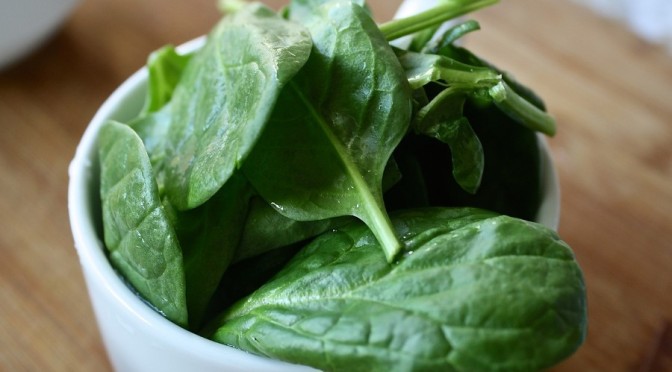
Green leafy vegetables are also ideal sources of the mineral.  For example, spinach contains 4 milligrams of iron in just one cup.  It can be used in soups, salads, and more.  You might even make it in a smoothie or use it as a pizza topping.  What’s even better is that it also contains many other beneficial nutrients.

READ MORE AT THE LINK

https://www.naturalhealth365.com/load-up-on-these-plant-foods-to-boost-your-iron-intake.html

Photo: pixabay.com

26 Foods High in Zinc for Overall Good Health

Zinc is an important mineral for the body, and a deficiency can result in hair loss and diarrhea. The National Institute of Health says that the average adult male should be getting 11 milligrams of zinc each day, and adult females need 8 milligrams daily. It’s important to keep in mind that this is cumulative throughout the day, so you shouldn’t try to meet that requirement in one sitting, or with one food. The list of foods below will help give you an idea of how you can incorporate different foods into your diet that will help you meet your zinc needs.
 

Why do we need zinc in the body?

Although minerals are not needed in amounts that are as high as vitamins, they still play an important role in keeping you healthy. Zinc is a mineral that is needed in every cell in your body. It’s especially helpful for keeping your immune system healthy and properly functioning by fighting off bacteria and viruses that make you sick. Zinc is also needed for the production of DNA and protein. It plays an important role in the proper development and growth of infants. Lastly, zinc is needed to help heal wounds and keep your sense of taste and smell working at their best.
Research shows that zinc may be able to help you get through the common cold. According to one study, taking at least 75 mg of zinc within 24 hours of the onset of a cold reduces the symptoms of the cold in healthy people. Another study found that taking zinc lozenges reduced the duration of the common cold by 33 percent. One study even found that supplementing with zinc can help increase free testosterone in the body, which plays an important role in men’s health. Even women need to make sure they maintain their testosterone levels to keep their strength up.

READ MORE

https://healthwholeness.com/nutrition/foods-high-in-zinc/

Stop cognitive decline with these 10 great nutritional tips

(Naturalhealth365) For many baby boomers, it’s an unpleasant irony – the generation that famously said “Never trust anyone over thirty!” is now, itself, experiencing the undeniable signs of cognitive decline due to aging.  For example, the statistics on Alzheimer’s suggest we have a serious health crisis on our hands – especially as we move closer to 2050.

But, the main point – of this article – is that poor brain function is avoidable.

Memory loss, forgetfulness, decreased ability to maintain focus, reductions in problem-solving abilities – these symptoms (sometimes known as “senior moments”) can all signal mild age-related cognitive decline. And cognitive decline, if untreated, can potentially progress to Alzheimer’s disease or other forms of dementia.

If you are experiencing mild cognitive decline, however, take heart: the ‘top ten’ natural nutrients – listed below – can help to optimize brain function, preventing and even reversing the early signs of dementia.

What causes cognitive decline?

A variety of physical changes in the aging brain can trigger cognitive impairment and memory loss. Age-related thinning of the cerebral cortex, a decrease in the production of neurotransmitters (the brain’s “chemical messengers”) and the accumulation of neurofibrillary tangles and plaques in the brain can all compromise cognitive ability.

Factors contributing to these physical changes can include chronic inflammation, declining hormones, oxidative stress and arterial dysfunction. Lifestyle issues – such as obesity, overweight, lack of exercise, poor nutrition, and physical and chronic emotional stress – can also set the stage for age-related cognitive impairment.

READ MORE

https://www.naturalhealth365.com/cognitive-decline-nutrients-2523.html