Note: you can hear Dr Miranda Sherley speak in the GrafBoys’ doco “Poisoning Paradise“. There are graphic descriptions and footage of the agony 1080’d animals go through. A veterinarian has commented that dying from 1080 poison is like two days of slow electrocution.
RSPCA MEDIA RELEASE 2007
We can no longer kid ourselves that 1080 is an acceptable option; we urgently need to focus efforts on finding ways to make 1080 more humane, or otherwise finding more humane ways to control pest animals … Dr M Sherley
A new report into the use of sodium fluroacetate (or 1080) in Australia has found it is an
inhumane poison, and has called for urgent research into improving the humaneness of
vertebrate pest control methods in this country.
The report, written by RSPCA Australia’s Dr Miranda Sherley, has been published in the current edition of the highly respected Animal Welfare journal from the UK-based Universities Federation for Animal Welfare.
Dr Sherley said despite its widespread use, the animal welfare implications of 1080 baiting have received little attention. There has been ongoing research into the ecological impacts of using 1080 as well as a high level of public concern regarding the effects of the poison on non-target animals, including pets or working dogs that might accidentally pick up the baits, as well as native wildlife, said Dr Sherley.
However, we were concerned to further investigate what level of pain and suffering was caused by 1080 on any vertebrate animal, including the target animals which, we should remember, are also very much able to experience pain and suffering and deserve no less compassion in the way we deal with them, she said.
Dr Sherley said a range of criteria ñ including studying how the poison works, speed of death, behaviour of affected animals and long-term effects on survivors – were used to scientifically assess how humane the use of 1080 is as a method of pest control.
Human cases of 1080 poisoning are also helpful in understanding the effects on other animals: while conscious, people report feeling pain and distress, and through detailed hospital records we are also able to better track their recovery and any longer term effects, she said. Based on the evidence available, our conclusion is that animals affected by 1080 do not die a quick and humane death; rather, they suffer a range of potentially painful and distressing symptoms, often over a period of hours,î said Dr Sherley.
We can no longer kid ourselves that 1080 is an acceptable option; we urgently need to focus efforts on finding ways to make 1080 more humane, or otherwise finding more humane ways to control pest animals.
READ MORE
http://www.predatordefense.org/docs/1080_article_RSPCA_Media_Release_11-15-07.pdf?ID=131#
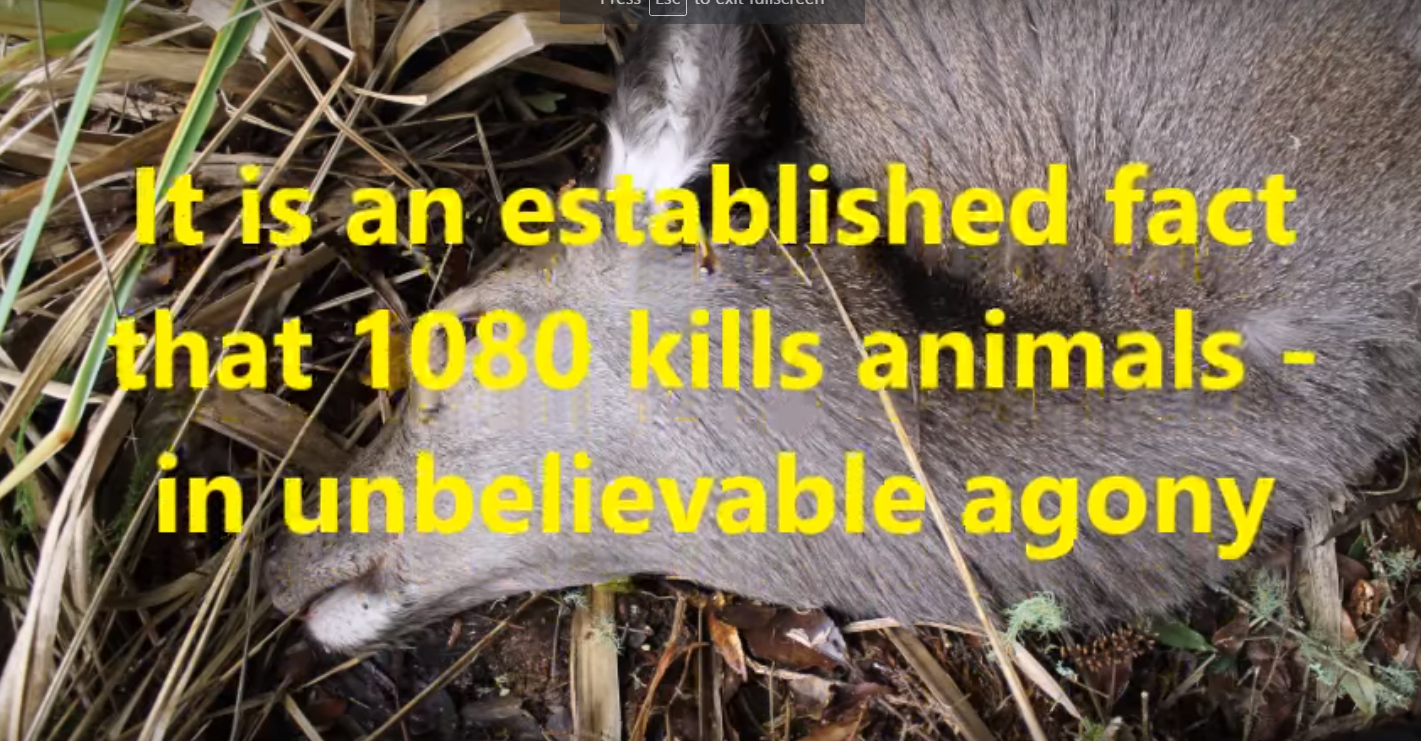
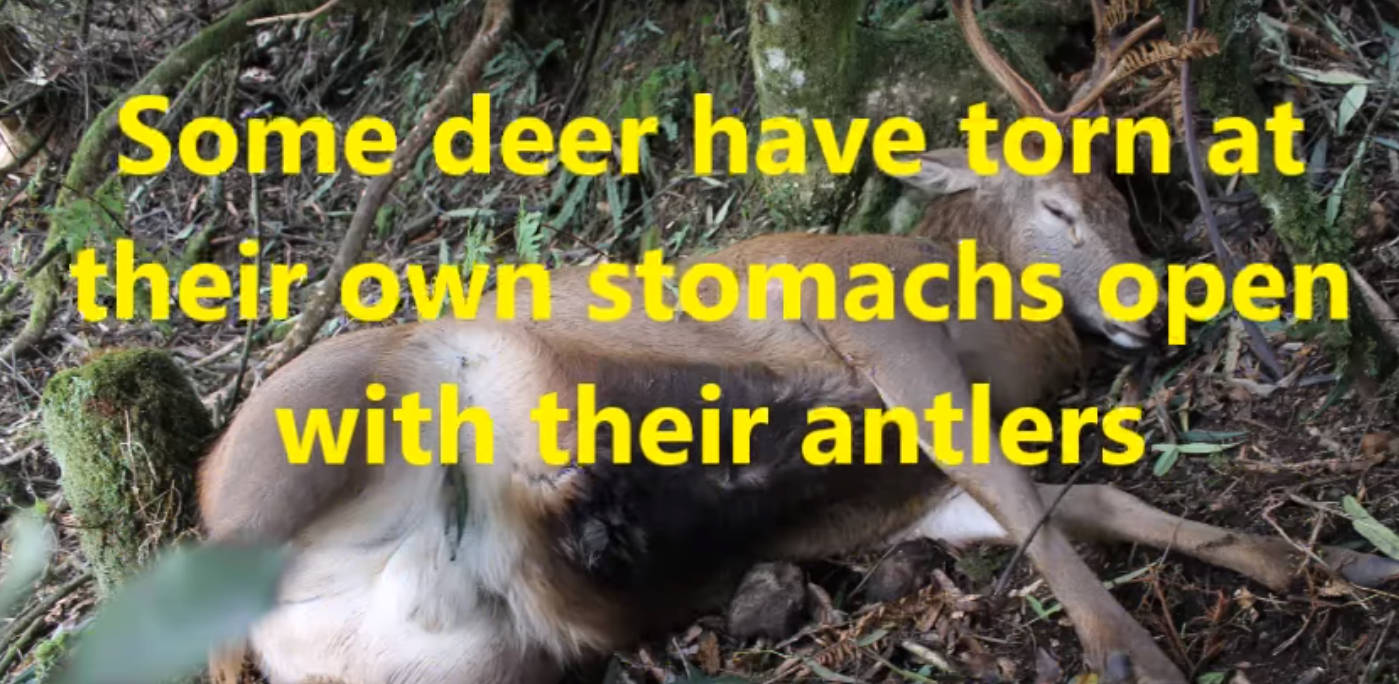
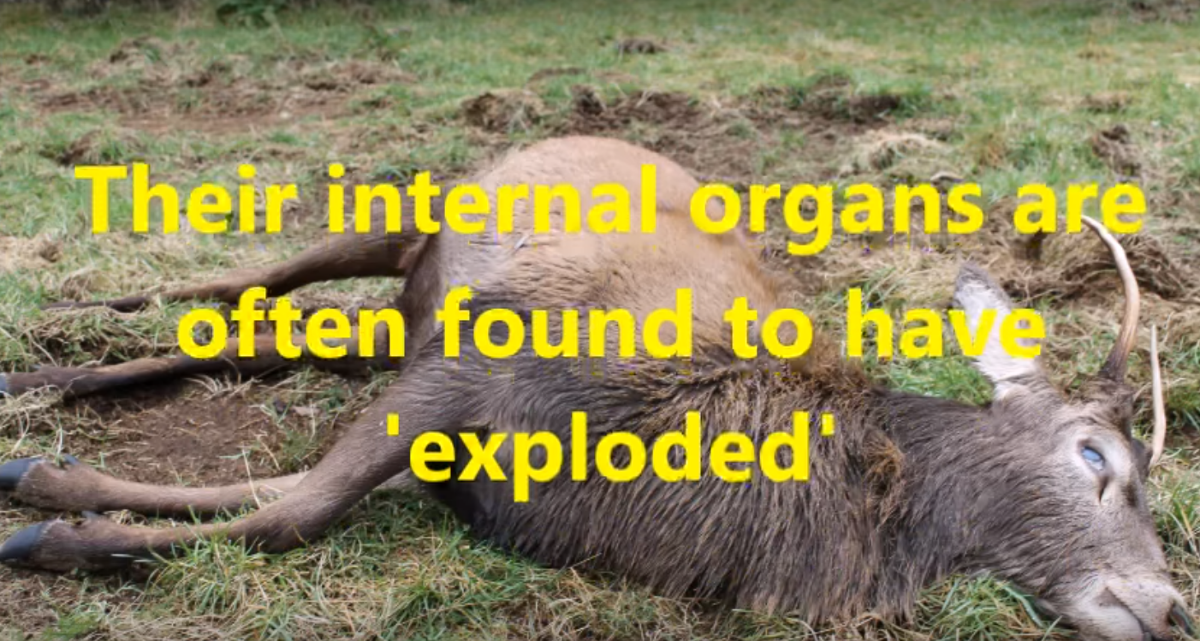
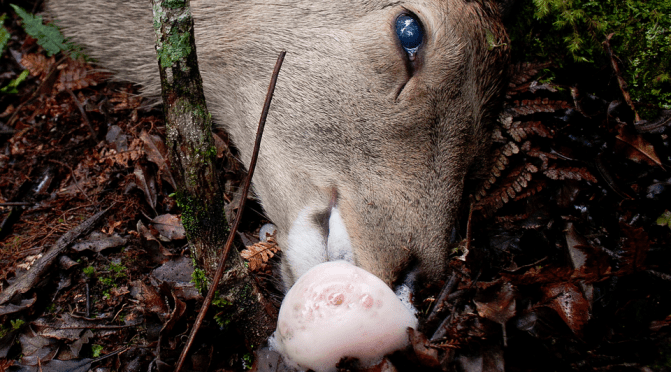
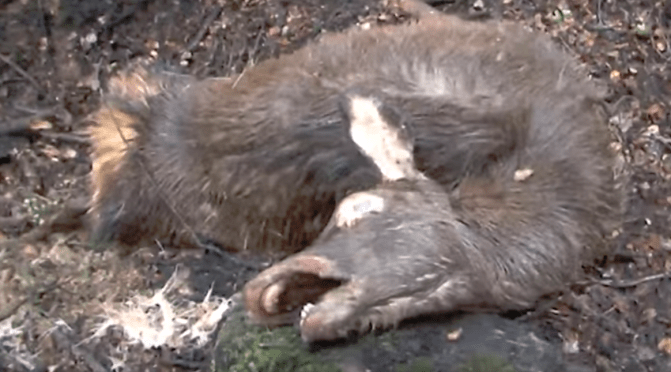
Images below are taken from Youtuber Torvald Nagelhjelm‘s coverage of a Taupo 1080 drop in 2016.


You must be logged in to post a comment.