Tag Archives: Curcumin

Combat Arthritis Pain With These Foods

From mercola.com

NOTE: Due to censorship Dr Mercola’s articles are archived to paid sub soon after publication, in which case the source link may no longer work. The article however is republished here in its entirety.

Story at-a-glance

  • Arthritis is a general term that refers to more than 100 different types of arthritis and related conditions; the four most common categories are osteoarthritis, autoimmune inflammatory arthritis, infectious arthritis and gout
  • Small food choices can significantly impact pain from arthritis. For example, choosing cruciferous vegetables that are high in sulforaphane, an organic sulfur that supports cell function, helps block the enzymes linked to joint destruction and lowers inflammation that drives pain
  • Anthocyanins found in purple and red-colored berries lower oxidative stress and inflammation and support gastrointestinal health, which is crucial to lowering inflammation and improving pain control
  • Marine-based fatty fish are rich in long-chained omega-3 fats that are highly bioavailable and essential to lower the inflammatory response driven by an imbalance between omega-3 and omega-6 fats

When used correctly, food is medicine. Put another way, you are what you eat. You can’t get away from the fact that your body requires nutrients to function optimally, and those nutrients come from the food you consume.

The small choices you make each day, such as a donut as a midday snack or a bowl of ice cream each night after dinner, have a way of catching up with you. One of the ways where food packs a powerful punch is in arthritis pain control.

Food impacts several pathways that make a difference in your pain level and even in the progression of the disease. Food manufacturers want you to believe that a calorie is a calorie — and that calories are all your body needs to survive. But if there is one thing the past years have taught us, it’s that food makes a significant difference to your health.

Before discovering some of the foods that can lower pain, let’s take a minute to explore the term “arthritis.”

Arthritis Is Not a Single Painful Disease

It is crucial to understand several facts about arthritis. For example, the word arthritis is a general term that refers to more than 100 different types of arthritis and related conditions. Arthritis can permanently damage your joints and the symptoms of common arthritis include pain, stiffness and swelling.

People may experience mild to severe forms of the disease and the symptoms can come and go. For some, the symptoms remain the same for years, but for others, the disease progresses and gets worse over time. There are four major categories of common types of arthritis.1

1. Osteoarthritis — This is the most common type and can be found in nearly any joint of the body. More frequently, it appears in the knees, hips, spine and hands. It used to be known as a wear-and-tear disease, but current evidence shows that it affects the whole joint and not just the cartilage, including making the bone weaker and deteriorating the connective tissue.

2. Autoimmune inflammatory arthritis — This is a global term that includes rheumatoid arthritis, psoriatic arthritis, juvenile arthritis and axial spondyloarthritis. Although an exact cause has not been identified, your gut microbiome plays a critical role.

3. Infectious arthritis — This painful condition is triggered by an infection that usually begins in another part of the body and travels to a joint. The symptoms can appear suddenly and cause intense swelling, pain and fever. Treatment usually resolves the condition.

4. Gout (metabolic arthritis) — This is the result of a buildup of uric acid crystals in the joints, more commonly the big toe. Uric acid crystals are a byproduct of the breakdown of purines, which are substances found in organ meat, red meat, some seafood and alcohol. There is some evidence to suggest that osteoarthritis or gut dysbiosis can also contribute to gout.

Sulforaphane Has Healing Properties

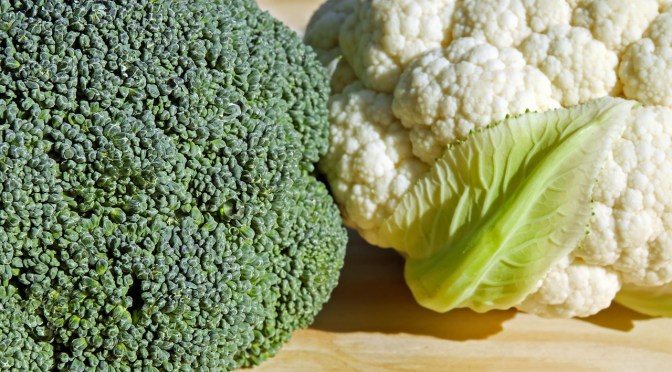
Cruciferous vegetables like broccoli, Brussels sprouts, cauliflower and cabbage contain a compound called sulforaphane. This is an organic sulfur that has been shown to support cell function and division while at the same time causing apoptosis programmed cell death in certain cancers.2,3,4

When sulforaphane was tested in mice and human cell cultures,5 it was shown to target and kill breast cancer stem cells, which prevents the formation and spread of tumors. But the benefits of sulforaphane don’t stop there. It has been shown to reduce inflammation by reducing reactive oxygen species by as much as 73%,6 which in turn reduces cell damage.

Sulforaphane can also help reduce the risk of osteoarthritis,7 in part by blocking enzymes that are linked to joint destruction.8 A team of researchers from the University of East Anglia published a study9 in the journal Arthritis and Rheumatism that showed substances in cruciferous vegetables could slow the progression of osteoarthritis, or possibly prevent it.

Sulforaphane did this by inhibiting metalloproteinases that have been implicated in the development and progression of osteoarthritis. The researchers found it also blocked inflammation to protect against cartilage destruction both in the lab and animal models.

Anthocyanins Play an Anti-Inflammatory Role

Research has demonstrated that there is power in the color purple.10 Purple and red-colored berries are high in anthocyanins, which are secondary metabolites plants produce to defend against predators. Anthocyanins work through a variety of pathways to exert beneficial effects on human health.

They’re primarily known to address oxidative stress and reduce inflammation, which in turn helps pain control in patients with an inflammatory-driven condition, such as arthritis. The science also demonstrates the power of anthocyanins in lowering the progression of cognitive decline and protecting the heart, kidneys, and gastrointestinal tract.

Researchers have demonstrated that anthocyanins, found in cherries and other berries, help regulate lipid and glucose metabolism. Elderberries are high in anthocyanin, vitamin C and zinc. These berries have anti-inflammatory modulating activity11 that may support pain control in patients with arthritis. They also became known for their ability to boost immune function and inhibit colds and flu long before the COVID-19 pandemic.

One 2004 study12 found 15 milliliters (just under 1 tablespoon) of Elderberry syrup, four times a day for five days, eased the symptoms of influenza four days faster than a placebo. In 2019, research13 detailed the mechanism through which Elderberry protects against viral attacks. As reported by Science Daily:14

“… the study showed that compounds from elderberries can directly inhibit the virus’s entry and replication in human cells and can help strengthen a person’s immune response to the virus.”

Let’s Spice Up Your Food

Bland food is never fun to eat. But did you know that by adding a few spices you may reduce your pain level? Researchers have discovered that garlic, ginger, cinnamon and turmeric are compounds that may improve pain control in people with arthritis.

One 2018 study15 found that cinnamon supplementation was a safe adjunctive treatment in women who had rheumatoid arthritis. The randomized double-blind clinical trial included a small group of 36 women who were divided into two groups: those receiving cinnamon and those receiving a placebo for eight weeks.

While the study was small and only included women, the results showed that it had a significant impact on tender and swollen joints with no changes in liver enzymes, lipid profile, fasting blood sugar or erythrocyte sedimentation rate (ESR).

Ginger is another spice that has been under investigation for the effect it has on reducing the symptoms of osteoarthritis. A 2001 study16 found using a highly purified and standardized extract could significantly reduce those symptoms and had a good safety profile.

More recently, a 2020 paper17 confirmed the use of ginger as a safe and promising strategy to lower pain. The researchers reviewed eligible random control trials where ginger was used to relieve pain, including from osteoarthritis. They concluded that ginger was safe and promising, but more studies were needed to analyze the amount required for useful long-term therapy.

Garlic is a staple ingredient in cuisines found in many countries, including Italy, China and Mexico. But it’s much more than a common spice. Data from a 2020 study18 of 62 women with rheumatoid arthritis suggested that garlic supplementation over eight weeks improved oxidative stress and health assessment questionnaires.

Turmeric is well known for its anti-inflammatory properties. A 2016 analysis of randomized clinical trials19 evaluated the use of turmeric extract and curcumin in the treatment of arthritis symptoms. While the results were positive, the researchers found the total number of trials and the total sample size were not sufficient to draw a definitive conclusion.

Another review of the literature published in 202120 compared turmeric against placebos and found a benefit on osteoarthritis pain and function in the knee. Based on the small number of studies, they believed the effects were similar to those that analyzed nonsteroidal anti-inflammatory drugs (NSAIDs).

A 2021 randomized trial21 compared turmeric against paracetamol, a painkiller also known as acetaminophen. The results from this study demonstrated that bioavailable turmeric extract was as effective as paracetamol against osteoarthritis pain and symptoms in the knee and was safe and more effective in reducing tumor necrosis factor alpha (TNF alpha) and C-reactive protein (CRP).

Balance Your Omega-3 and Omega-6 Fat

Historically, the human diet had an omega-6 to omega-3 ratio of close to 1-to-1. Yet, the current Western diet is closer to a ratio of 20-to-1,22 which increases the inflammatory response and therefore has an impact on pain.

Most processed foods and seed oils are high in omega-6 fatty acid. While there are omega-3 fats found in some plants, only marine-based fatty fish have long-chained omega-3 fats eicosatetraenoic acid (EPA) and docosahexaenoic acid (DHA) that are highly bioavailable and essential to good health.

When your omega-6 to omega-3 ratio is out of balance, it increases your risk of obesity23 and the inflammatory response, both of which affect pain control in arthritis. The only way to know if you have enough omega-3 is to take a simple blood test — an omega-3 index.24 This measures EPA and DHA on red blood cell membranes and provides feedback about your dietary choices.

Food Addresses Gut Health and Lowers Arthritis Pain

Finally, while no single food completely addresses gut health, most of your food choices will either support good gut health or harm it. For example, a diet high in ultraprocessed foods is known to change your gut microbiome, which promotes the development of inflammatory diseases.25

The Arthritis Foundation recognizes that your gastrointestinal tract plays a crucial role in some of the most common types of inflammatory arthritis.26 Researchers have discovered that people with rheumatoid arthritis have different levels of bacteria in their gut and babies who are breastfed have a lower likelihood of developing ankylosing spondylitis as breastfeeding is known to positively affect the gut microbiome.27

A 2021 paper28 analyzed the association between the gut microbiome and symptoms of osteoarthritis. They summarized the evidence that supports a gut-joint axis and the interactions between the gut microbiome and factors that affect osteoarthritis, including gender, age, metabolism and joint injury.

Interestingly, data showed that an individual’s gut microbiota can potentially predict the progression of osteoarthritis, indicating that monitoring the gut microbiome may also help monitor the efficiency of therapeutic intervention. Broccoli is one food that helps support good gut health and may impact the pain of arthritis as it is also a source of glucosinolate, a precursor to indole-3 carbinol (I3C).29

In the stomach, I3C generates 3,3′-diindolylmethane (DIM). I3C is a powerful antioxidant and in an animal model, those fed cruciferous vegetables with I3C had healthier guts and were less likely to have inflammation.30 I3C also works by activating a protein called aryl hydrocarbon receptor (AhR), which communicates with immune and epithelial cells in your gut lining, thereby helping to reduce inflammation caused by pathogenic bacteria.

AhR also helps stem cells convert into mucus-producing cells in your gut lining. These cells also help extract nutrients from the foods you eat, all of which translate into improved gut function and health.

As you’ll note, there are several groups of foods that support pain control by lowering the inflammatory response and improving your gut health. Arthritis can be a difficult and life-changing condition that affects your daily activities. Consider taking these small steps to help improve your pain control without medication and take greater control of your life.

SOURCE

Photo: pixabay.com

7 Proven Ways to Keep Your Brain Young

From GreenMedInfo.com
Posted on:

Sunday, February 3rd 2019 at 9:00 am

Written By:

GMI Reporter

Over 5 million Americans have been diagnosed with Alzheimer’s. Another 10,000,000 suffer with severe dementia and Parkinson’s. Even more struggle with age-related mild cognitive impairment. Here are 7 natural ways to defend your brain.

Alzheimer’s disease affects about 5.3 million Americans. It’s the leading cause of dementia and the 6th leading cause of death in the U.S.  And it’s growing at an alarming rate.  Already 13% of people over 65 have been diagnosed with the disease.  An astounding 43% of those over the age of 85 are victims.[i]

Alzheimer’s has been called the defining disease of the boomer generation.  Its victims are expected to triple by the year 2050.

In addition, it’s estimated that 10,000,000 others suffer with severe dementia and Parkinson’s disease.

But even if you escape these debilitating and life-threatening diseases, you may be among millions more who suffer from mild cognitive impairment (MCI or what is frequently called “age-related cognitive dysfunction”) and normal “age–associated memory impairment.” These conditions are what many of us have experienced as “senior moments.”  The symptoms include memory loss, as well as a decline in the ability to think and reason.

Some of these problems are a result of the natural aging of our brains.  But others arise from poor nutrition and exposure to environmental toxins.

Drugs have shown little promise and serious side effects.  But here are seven proven methods to keep your brain young and sharp.

1. Bacopa Boosts Cognition

Bacopa monnieri (L.) is a traditional herb used for centuries in Ayurvedic medicine.  It is prescribed as a memory and learning enhancer, a sedative, and anti-epileptic.  In Australia, it is a popular memory aid for people over 60 years old.

Bacopa grows in the wet tropics and is also commonly known by its English name, water hyssop.

In a rigorous study published in the Journal of Complementary and Alternative Medicine, researchers found that Bacopa has positive effects on several measures of cognitive performance.  In a randomized, double-blind, placebo-controlled clinical trial, they gave participants either 300 mg of Bacopa daily or a placebo pill.  The subjects were 54 volunteers, 65 or older, without clinical signs of dementia. [ii]

After 12 weeks, those taking Bacopa improved their delayed recall memory, their reaction times and their ability to ignore irrelevant information.  Placebo recipients saw no change.

In addition Bacopa recipients showed a decrease in heart rate, depression and anxiety while placebo recipients saw increases.

Three other double-blind, randomized, placebo-controlled studies support Bacopa’s benefits in verbal learning abilities, delayed recall of word pairs, and age-associated memory impairment.[iii][iv][v]

Bacopa’s memory-enhancing effects have been attributed in part to saponins.   Other ways Bacopa may work include its antioxidant effects, protein synthesis in the brain, and modulation of brain stress hormones.

Other studies show Bacopa extracts also ameliorate neurotoxic effects of nicotineand aluminum, and reduce β-amyloid plaque levels in animals.

2. Ginkgo Biloba Improves Memory

For years gingko biloba has been linked to memory improvement.  It acts as a free radical scavenger, protecting neurons from oxidation.  It also improves microcirculation in the brain and reduces platelet aggregation.

Human studies show taking gingko biloba regularly can improve mental health, cognition, motor skills and quality of life.[vi]  It’s particularly helpful for memory loss, attention, alertness, vigilance, arousal and mental fluidity.[vii]

In 2005 researchers put gingko biloba up against Pfizer’s $4 billion a year prescription drug donepezil (trade name Aricept) in a 24-week randomized, double-blind study. [viii]  An extract of gingko biloba (160 mg per day) was found to be just as effective as the drug for mild-to-moderate Alzheimer’s disease.  The researchers concluded there were no relevant differences in the efficacy of gingko biloba and donepezil, and use of both substances can be justified.

In a more recent double-blind trial gingko biloba was found to be significantly better than placebo in improving cognitive function and behavioral symptoms in 400 patients with Alzheimer’s disease or vascular dementia.[ix]

3. Tea, Wine and Chocolate Improve Thinking Skills

As we get older, a diet high in some flavonoid-rich foods may help with better thinking skills.

Researchers examined the relation between 3 common foods that contain flavonoids (chocolate, wine, and tea) and cognitive performance. They followed 2,031 participants aged 70 to 74 years from the Hordaland Health Study in Norway.[x]

People who consumed chocolate, wine, or tea had significantly better scores on cognitive tests and lower rates of poor cognitive performance.

Those who ate all three foods had the best test scores and the lowest risks for poor test performance.

The good results were dose dependent.  The best performance maxed out at 10 grams per day of chocolate and 75-100 ml per day of wine.  The effect was most pronounced for wine and modestly weaker for chocolate.

Other research shows that resveratrol, found in wine and chocolate, has the ability to neutralize the toxic effects of proteins linked to Alzheimer’s disease.

In a study published in the Journal of Biological Chemistry researchers showed that resveratrol selectively targets and neutralizes clumps of peptides or proteins that are bad and have been linked to Alzheimer’s, but leaves alone those that are benign.[xi]

Resveratrol is a chemical compound in plants that acts as an antibiotic to fight off both bacteria and fungus.  Besides grapes and cacao, it is found in raspberries, mulberries, blueberries, and cranberries. It’s also in peanuts, pine trees and Japanese knotweed, the source of most resveratrol supplements.

4.  Antioxidants Decelerate Brain-Aging

It’s clear that people eating a diet high in fruits and vegetables have fewer age-related diseases like Alzheimer’s. Eating more high-antioxidant foods such as berries, Concord grapes, and walnuts may enhance cognitive and motor function in older people.[xii]

Studies show supplementing with fruit or vegetable extracts high in antioxidants (e.g. blueberries, strawberries, walnuts, and Concord grape juice) helps decrease the vulnerability to oxidative stress that occurs in aging.  That can lead to improvements in behavior.

Fruits and vegetables can also enhance communication between neurons and decrease stress signals induced by oxidation and inflammation.

Other studies indicate that blueberry or Concord grape juice supplementation in humans with mild cognitive impairment increases verbal memory performance.

5.  Intermittent Fasting Regenerates Brain

Overeating is a risk factor for many age-related diseases including cognitive impairment.

Experimental models of Alzheimer’s disease, Parkinson’s disease, Huntington’s disease and stroke show that dietary restriction (reduced calorie intake) can beef up the resistance of neurons in the brain to dysfunction and death.

How?  Dietary restriction stimulates the expression of ‘stress proteins’ and neurotrophic factors. Neurotrophic factors may protect neurons by increasing production of proteins that suppress oxidation and free radicals.

In addition, dietary restriction increases the number of newly-generated neural cells in the adult brain.  In other words, it may increase the brain’s capacity for plasticity and self-repair.

Researchers suggest that limiting calories may reduce both the incidence and severity of neurodegenerative disorders in humans.[xiii]

Intermittent fasting is not as difficult as it sounds.  It doesn’t involve just drinking water.  Most intermittent fasting plans cut calories to 25% of normal amounts.  That’s about 600 calories for men and 500 calories for women on one or two days of the week.

6.  Sleep Cleans Out Brain Toxins

A University of Oregon study shows middle-aged or older people who get six to nine hours of sleep a night think better than those sleeping either fewer or more hours.[xiv]

Researchers used data involving more than 30,000 subjects in six countries. They found that individuals sleeping less than six hours and more than nine hours had significantly lower cognitive scores compared to those in the intermediate group.

The researchers used five standard cognitive tests involving immediate recall of a list of words, delayed recall of those words later, forward and backward recall of long lists of numbers, and a verbal fluency test in which they listed as many animals as possible without repetition, the use of proper nouns or descriptors.

One reason a good night’s sleep works is the brain’s trash removal system.  During sleep the brain works 10 times as hard to remove toxic proteins like the ones responsible for Alzheimer’s damage.[xv]  If you’re not asleep, the brain can’t get rid of plaques so easily.

7.  Curcumin Clears Alzheimer’s Plaques

The incidence of Alzheimer’s among adults in India is about 4.4 times less than that of Americans.[xvi]

Researchers in Singapore suggest the reason might be curry and the spice turmeric.  They looked at curry consumption and brain performance in 1,010 Asians between 60 and 93 years of age. Those who ate curry occasionally (less than once a month) and often (more than once a month) performed better than those who rarely or never ate curry.[xvii]

Over 30 studies in the GreenMedInfo data base deal with the promise of curcumin, the active compound in turmeric, in the treatment and prevention of Alzheimer’s disease.  According to one study, turmeric showed remarkable results in Alzheimer patients in just three months.

A 2006 UCLA study found curcumin may help clear the amyloid plaques found in Alzheimer’s disease. One way it works is by boosting the work of macrophages.  These cells in the immune system help the body fight foreign proteins.

Researchers took macrophages from the blood of Alzheimer’s patients and healthy controls. They treated some of the macrophages with curcumin.  The treated macrophages showed improved ingestion of the beta-amyloid proteins. The researchers concluded that curcumin may support the immune system to clear amyloid plaques.[xviii]

And in animal studies low doses of curcumin led to 40% less beta-amyloid than in those not given the spice.[xix]

Studies indicate low doses of turmeric over a long period of time are most effective.  That’s a good reason to add turmeric to your daily diet.  It’s great in curry sauces, scrambled eggs, deviled eggs, mustard sauces or salad dressings.

There are many other natural ways to keep your brain young including coconut oilginger, B-vitamins[xx], and saffron.

For much more information on healthy brain aging visit GreenMedInfo page on the aging brain.

References


[i] Alzheimer’s Association. 2012 Alzheimer’s disease facts and figures. Alzheimer’s and DementiaThe Journal of the Alzheimer’s Association. March 2012; 8:131–168

[ii] Carlo Calabrese et al, “Effects of a standardized Bacopa monnieri extract on cognitive performance, anxiety, and depression in the elderly: a randomized, double-blind, placebo-controlled trial.” J Altern Complement Med. 2008 Jul;14(6):707-13. GreenMed Link

[iii] Stough C. Lloyd J. Clarke J, et al. The chronic effects of an extract of Bacopa monniera (Brahmi) on cognitive function in healthy human subjects. Psychopharmacology. 2001;156:481–484. [PubMed]

[iv] Rey A. The Clinical Examination in Psychology [in French] Paris: Presses Universitaires de France; 1964.

[v] Roodenrys S. Booth D. Bulzomi S, et al. “Chronic effects of Brahmi (Bacopa monniera) on human memory.” Neuropsychopharmacology. 2002;27:279–281. [PubMed]

[vi] Cieza A, Maier P, Poppel E. “Effects of Ginkgo biloba on mental functioning in healthy volunteers.” Arch Med Res. 2003 Sep-Oct;34(5):373-81. GreenMed Link

[vii] Clostre F. “Ginkgo biloba extract (EGb 761). State of knowledge in the dawn of the year 2000.”  Ann Pharm Fr. 1999 Jul;57 Suppl1 :lS8-88.

[viii] Mazza, M., Capuano, A. Bria, P., Mazza, S., Eur J Neurol. 2006 Sep;13(9):981-5.

[ix] Oleksandr Napryeyenko, Irina Borzenko, “Ginkgo biloba special extract in dementia with neuropsychiatric features. A randomised, placebo-controlled, double-blind clinical trial.” Arzneimittelforschung. 2007;57(1):4-11. GreenMed Link

[x] Eha Nurk et al, “Intake of flavonoid-rich wine, tea, and chocolate by elderly men and women is associated with better cognitive test performance.” J Nutr. 2009 Jan;139(1):120-7. Epub 2008 Dec 3. GreenMed Link

[xi] Ali Reza A. Ladiwala et al, “Resveratrol selectively remodels soluble oligomers and fibrils of amyloid aβ into off-pathway conformers.” J. Biol. Chem. jbc.M110.133108. May 28, 2010, doi:10.1074/jbc.M110.133108

[xii] James A Joseph, Barbara Shukitt-Hale, Lauren M Willis, “Grape juice, berries, and walnuts affect brain aging and behavior.” J Ethnopharmacol. 2008 Aug 13;118(3):396-404. Epub 2008 May 20. GreenMed Link

[xiii] M P Mattson, “Neuroprotective signaling and the aging brain: take away my food and let me run.” Brain Res. 2000 Dec 15;886(1-2):47-53.  GreenMed Link

[xiv] Theresa E. Gildner, Melissa A. Liebert, Paul Kowal, Somnath Chatterji, J. Josh Snodgrass. “Associations between Sleep Duration, Sleep Quality, and Cognitive Test Performance among Older Adults from Six Middle Income Countries: Results from the Study on Global Ageing and Adult Health (SAGE).” Journal of Clinical Sleep Medicine, 2014 DOI: 10.5664/jcsm.3782

[xv]Lulu Xie et al, “Sleep Drives Metabolite Clearance from the Adult Brain.” Science 18 October 2013: Vol. 342 no. 6156 pp. 373-377 DOI: 10.1126/science.1241224

[xvi] Pandav R, Belle SH, DeKosky ST. “Apolipoprotein E polymorphism and Alzheimer’s disease: The Indo-US cross-national dementia study.” Arch Neurol. 2000;57:824–30. [PubMed]

[xvii] Ng TP, Chiam PC, Lee T, Chua HC, Lim L, Kua EH. “Curry consumption and cognitive function in the elderly.” Am J Epidemiol. 2006;164:898–906. [PubMed]

[xviii] Zhang L, Fiala M, Cashman J, Sayre J, Espinosa A, Mahanian M, et al. “Curcuminoids enhance amyloid -beta uptake by macrophages of Alzheimer’s disease patients.” J Alzheimer’s Dis. 2006;10:1–7. [PubMed]

[xix] Yang F, Lim GP, Begum AN, Ubeda OJ, Simmons MR, Ambegaokar SS, et al. “Curcumin inhibits formation of amyloid beta oligomers and fibrils, binds plaques, and reduces amyloid in vivo.” J Biol Chem. 2005;280:5892–901. [PubMed]

[xx] De Jager CA et al, “Cognitive and clinical outcomes of homocysteine-lowering B-vitamin treatment in mild cognitive impairment: a randomized controlled trial.” Int J Geriatr Psychiatry. 2012 Jun;27(6):592-600.

Disclaimer: This article is not intended to provide medical advice, diagnosis or treatment. Views expressed here do not necessarily reflect those of GreenMedInfo or its staff.
© [Article Date] GreenMedInfo LLC. This work is reproduced and distributed with the permission of GreenMedInfo LLC. Want to learn more from GreenMedInfo? Sign up for the newsletter here http://www.greenmedinfo.com/greenmed/newsletter.”

Stage-3 myeloma cancer completely ELIMINATED with a turmeric supplement – British Medical Journal

For decades, the medical establishment has colluded with the for-profit cancer industry to smear anyone who talked about herbs, spices or superfoods fighting cancer. Food doesn’t contain “medicine,” we were told by the dishonest establishment. Only FDA-approved toxic medications can “treat” cancer, the propagandists insisted.

Yet millions of people across the globe continued to successfully prevent and even reverse late-stage cancers using nothing but foods, herbs and natural medicine. Despite its best efforts to ignore the reality of natural cancer cures, the medical establishment has just been forced to document a stunning case of a woman completely eliminating stage-3 cancer using nothing but turmeric, a superfood spice commonly used in curry.

READ MORE

http://www.cancer.news/2018-01-04-stage-3-myeloma-cancer-eliminated-turmeric-supplement-british-medical-journal.html

Too much testing is dangerous: Prostate cancer screening does NOT save lives, puts men at risk according to groundbreaking study

(Natural News) Routine cancer screening is notorious for giving false positives, leading to unnecessary diagnoses for benign cancers. False diagnoses for prostate cancer are commonplace, and they devastate patients emotionally. When someone is told they have cancer they are often stricken with anxiety. The false diagnosis also leads to an aggressive, expensive, and many times deadly treatment protocol consisting of chemotherapy, radiation, and surgery. Significant complications may result too, including incontinence and impotence. Those who survive the unnecessary treatment protocol are often told they are cancer-free, making the unnecessary testing and treatment protocol appear effective when it was really just an expensive scam.

Regular screening for prostate cancer for men over fifty years old may also miss the more serious cancers, leaving patients with a false sense of assurance in their own health. Too much testing is an emotional danger, either burdening patients with a false diagnosis or leading them on a course where nothing is done to improve their health even when there are real cancer conditions inside their body.

A study conducted by Cancer Research U.K. investigated the outcomes for all men over fifty who had undergone prostate specific antigen tests (PSA) and compared the outcomes to men who underwent no prostate cancer screening. The death rate for the regularly tested was no different than the death rate for those who didn’t get a prostate exam at all!

READ MORE

https://www.naturalnews.com/2018-03-30-too-much-testing-is-dangerous-prostate-cancer-screening-does-not-save-lives-puts-men-at-risk.html

Better Than Chemo: Turmeric Kills Cancer Not Patients

From greenmedinfo.com by Sayer Ji.  Sayer is founder of Greenmedinfo.com, on the Board of Governors for the National Health Federation, and Fearless Parent, Steering Committee Member of the Global GMO Free Coalition (GGFC), a reviewer at the International Journal of Human Nutrition and Functional Medicine.


“About one hundred times less toxic than chemotherapy, turmeric extract (curcumin) was found more effective at killing colorectal cancer stem cells from patients than a popular combination of conventional drugs.

Researchers from the United Kingdom have just made a major breakthrough in cancer research by demonstrating for the first time in patient-derived colorectal cell lines that a turmeric extract (curcumin) is not only an effective adjunct agent to enhance conventional chemotherapy, but that it may be even more effective on its own.

Published this month in Cancer Letters and titled, “Curcumin inhibits cancer stem cell phenotypes in ex vivo models of colorectal liver metastases, and is clinically safe and tolerable in combination with FOLFOX chemotherapy,” the study evaluated the so-called “diet-derived agent” curcumin — the primary polyphenol in turmeric — as a possible adjunct to enhance conventional treatment of colorectal cancer with chemotherapy…”


Read More: http://www.greenmedinfo.com/blog/better-chemo-turmeric-kills-cancer-not-patients-1


Check out our page on Cancer & see how others have beat cancer when all hope was gone  … in particular, a NZ man, Anton Kuraia,  who had been treated with chemo and sent home to die. He sought Vitamin C treatment and is alive and well to tell the tale. His FB page is here.

EnvirowatchRangitikei