Tag Archives: beverage

Feijoa Fizz

I found this last feijoa season on fb courtesy of the Canterbury Herb Society. I did try it & it’s nice (& super easy). I’m no longer on fb so figured I’d share it here. Folk may like to try it with all the feijoas everywhere now. Not a fan of white sugar I used raw organic…copied anyway, straight from the CHS post …

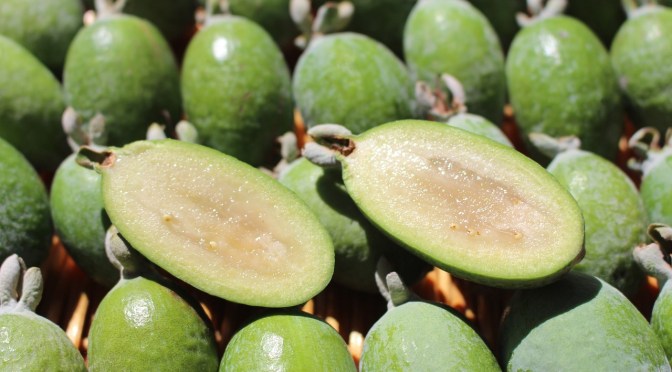
Don’t waste those FEIJOA SKINS, they contain so many really valuable vitamins and minerals and are approximately half the weight of the Feijoa.

Here’s a really easy RECIPE for FEIJOA FIZZ and such cool way to make the most of them.

Ingredients:

Feijoa skins chopped

2 tbsp white sugar

1 tbsp brown sugar

water

Method:

Place feijoa skins in a 1L container and add white sugar and fill up with water then cover.

Leave this for about two days till it begins to be a bit fizzy.

Throw away the skins and pour into a 1L bottle with 1T brown sugar and fill up with water. Leave in a warm place for one day. Then refrigerate.

More recipes to follow, like our page, @CANHERBSOC to keep in the loop!

Image by Chesna from Pixabay

In 2007 Two Kiwi Schoolgirls exposed GlaxoSmithKline’s false vitamin C claims with hardly any found in their Ribena

drink-55929_1920
Four times the amount of Vit C as oranges? Two NZ school girls found it had almost none

Given Ribena’s advertising claims that “the blackcurrants in Ribena have four times the vitamin C of oranges”, they were astonished after discovering there was hardly any, and wrote to the manufacturers, GlaxoSmithKline (GSK). When they got no response, they phoned the company, but were given short shrift. “They didn’t even really answer our questions. They just said it’s the blackcurrants that have it, then they hung up,” Jenny said.

Two New Zealand schoolgirls humbled one of the world’s biggest food and drugs companies after their school science experiment found that their ready-to-drink Ribena contained almost no trace of vitamin C.

Students Anna Devathasan and Jenny Suo tested the blackcurrant cordial against rival brands to test their hypothesis that cheaper brands were less healthy.

Instead, their tests found that the Ribena contained a tiny amount of vitamin C, while another brand’s orange juice drink contained almost four times more.

“We thought we were doing it wrong. We thought we must have made a mistake,” Anna told New Zealand’s Weekend Herald. The girls were both 14 and students at Pakuranga College in Auckland when they did the experiment in 2004.